 EN
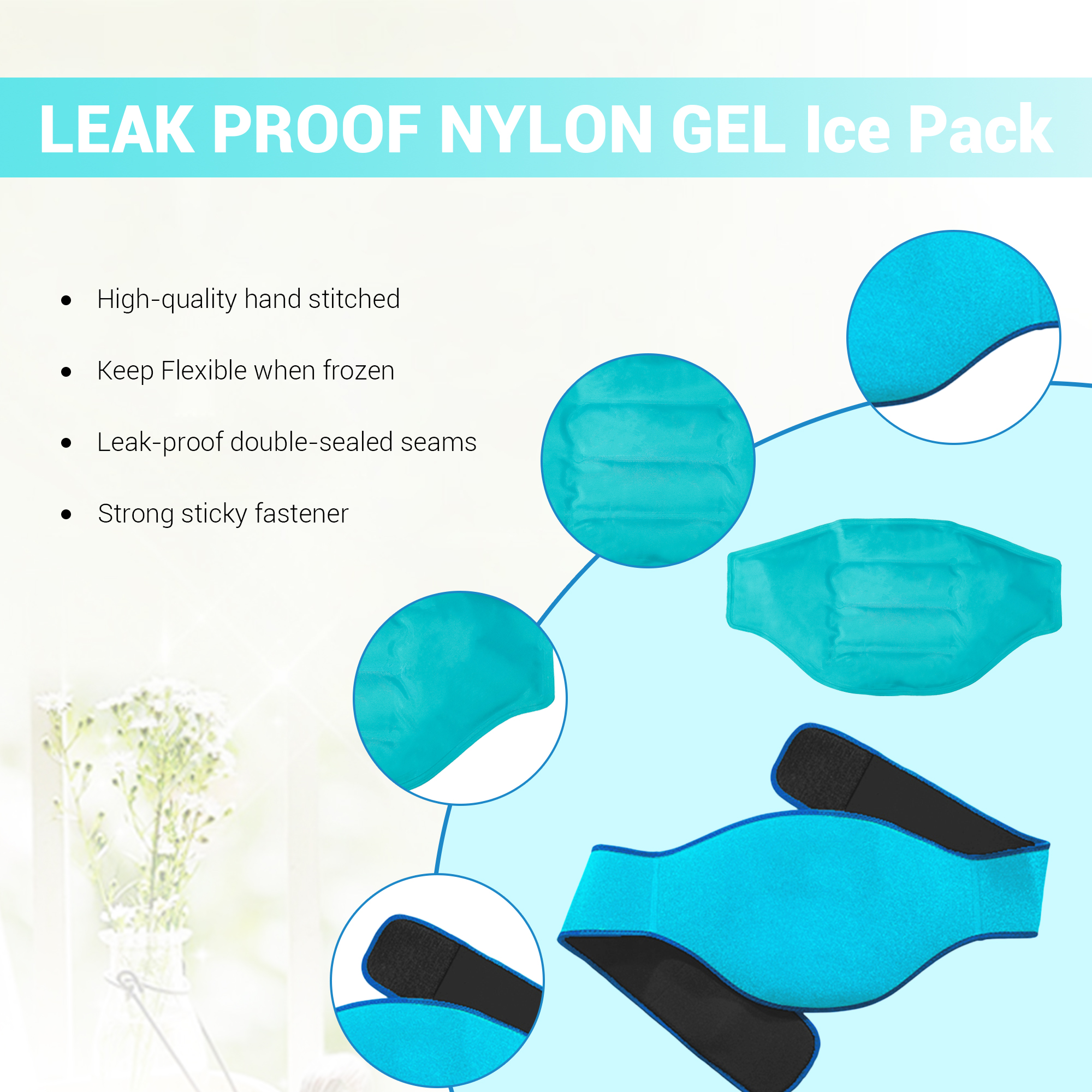
Gel packs have become an essential part of athletic recovery, workplace first aid kits, and home pain management routines. However, many people wonder exactly how long a cold compress maintains its therapeutic temperature and whether that duration is sufficient for their needs. Understanding the cooling period of a cold compress helps you plan recovery sessions effectively and get the most value from your investment in cold therapy products.
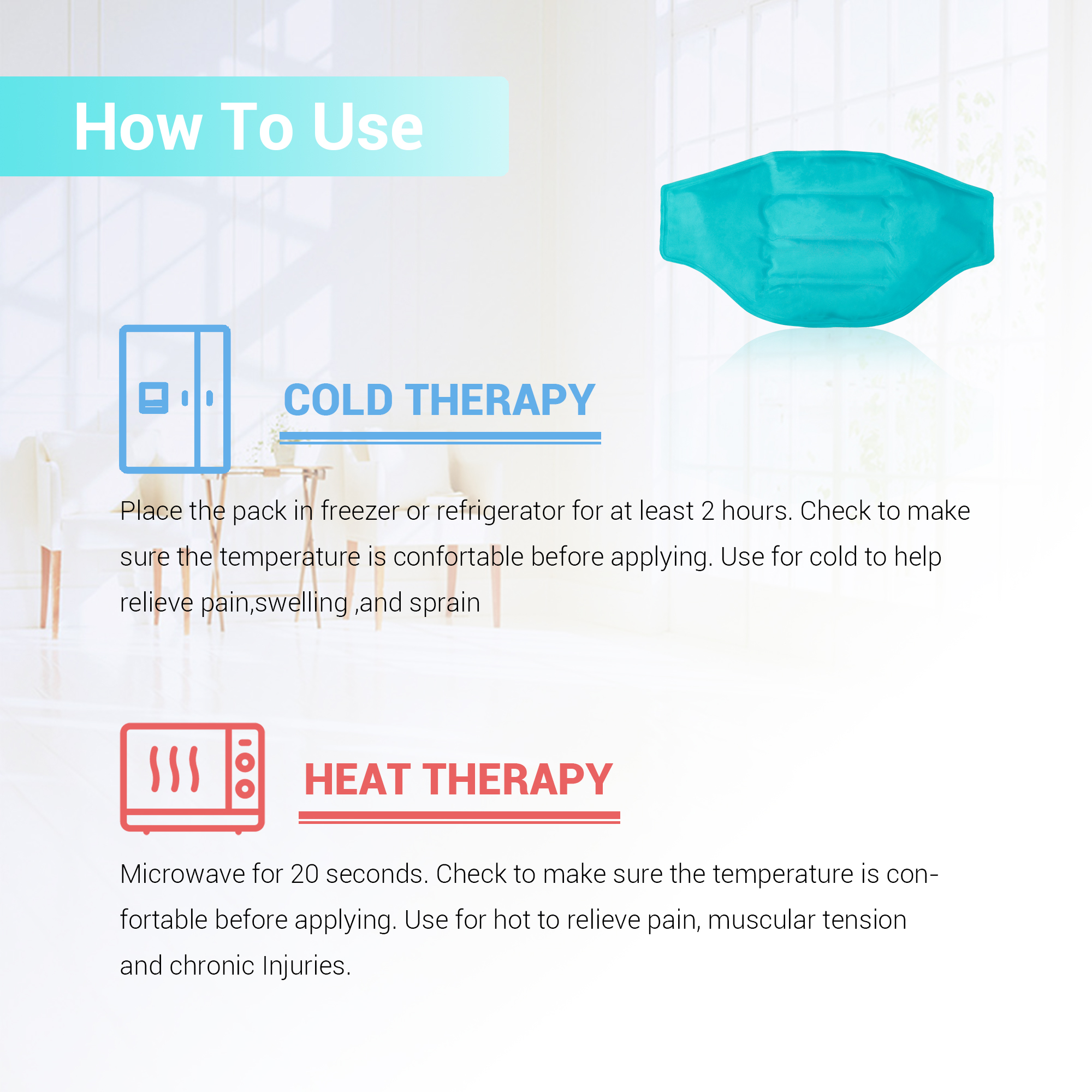
The duration that a cold compress remains effective depends on multiple variables, including gel composition, initial freezing temperature, ambient room conditions, and how the cold compress is being used. Most standard gel packs maintain a therapeutic cold compress temperature for between 15 to 30 minutes under typical conditions. Premium cold compress products with advanced gel formulations can extend cooling time to 45 minutes or longer, making them ideal for extended therapy sessions or professional athletic settings.
Factors That Determine Cold Compress Duration
Gel Formulation and Quality
The type of gel used inside a cold compress significantly affects how long it stays cold. High-quality cold compress products use specialized polymer gels with superior thermal properties that release cold energy more slowly than basic formulations. These premium gels maintain consistent temperatures throughout their cooling cycle, whereas lower-grade cold compress materials experience rapid temperature drops in the first few minutes followed by faster warming. The density and composition of the cold compress gel directly determine whether you get 20 minutes or 45 minutes of effective therapy.
When manufacturers design a cold compress, they select gel compounds that balance flexibility with heat retention. Better cold compress solutions incorporate insulating layers and advanced polymer blends that slow heat transfer from your skin back into the surrounding environment. This thermal engineering means that premium cold compress packs deliver consistent cold therapy throughout their entire duration, rather than forcing users to replace them midway through treatment.
Initial Temperature and Freezing Method
A cold compress that has been frozen solid in a standard freezer typically stays cold longer than one that has only been partially chilled. When you place a cold compress in a freezer for 2 to 4 hours, it reaches optimal temperature saturation, allowing the cold compress to deliver maximum cooling duration. Alternatively, some users store cold compress packs in ultra-cold freezers or specialized refrigeration units, which extend the time a cold compress remains therapeutically cold. The colder the cold compress starts, the longer it maintains its effectiveness on your skin.
The method of freezing also matters for how long a cold compress stays functional. Flat-freezing a cold compress ensures even temperature distribution throughout the gel, whereas standing a cold compress upright during freezing can create temperature inconsistencies that reduce overall cooling time. Proper storage practices for your cold compress between uses significantly impact its performance longevity during each application.
How to Extend Your Cold Compress Cooling Time
Protective Wrapping and Insulation
Wrapping your cold compress in a thin towel or cloth barrier does more than protect your skin from ice burn, it also helps extend how long the cold compress maintains therapeutic temperature. The barrier slows heat transfer without significantly reducing the cold compress effectiveness, creating a longer, more comfortable cooling experience. Damp cloth wrapping around a cold compress provides additional thermal benefit by creating a moisture layer that slows temperature equalization. Professional athletic trainers frequently recommend this technique to maximize cold compress duration during injury recovery protocols.
For maximum cold compress performance, consider using specialized compression wraps designed to hold gel packs in place while adding insulation. These wraps trap cold around the injury site and minimize exposure to warm room air, allowing your cold compress to work efficiently for extended periods. Some athletes use thick elastic wraps over their cold compress application to create a sealed thermal environment that preserves cooling effectiveness throughout the entire cold compress treatment window.
Environmental Conditions and Usage Patterns
The ambient temperature of your environment dramatically affects how long a cold compress maintains its therapeutic cold. Using a cold compress in an air-conditioned room significantly extends its duration compared to applying the same cold compress in a warm environment. Similarly, applying a cold compress while resting indoors will preserve its cooling longer than using it during active movement or outdoor activities where heat exposure is greater. Room temperature, body heat, and environmental humidity all contribute to how long your cold compress stays cold.
Your usage pattern also influences cold compress effectiveness. Static applications where you keep the cold compress in one location allow for more consistent cooling duration. Moving the cold compress around frequently or removing it periodically requires the cold compress to work harder to maintain temperature at new contact points, potentially shortening overall cooling time. Planning your cold compress therapy session in advance and maintaining consistent application helps you get the maximum duration from each cold compress use.
Typical Cold Compress Duration Across Product Types
Standard Gel Packs for Home Use
Most household cold compress products designed for general pain relief maintain effective cooling temperatures for 15 to 25 minutes. These standard cold compress options are adequate for minor injuries, muscle soreness, and basic first aid applications. They represent the most common cold compress choice for families because of their affordability and convenience. Standard cold compress products freeze quickly and are easy to store in regular home freezers, making them practical for routine use.
Professional and Extended-Duration Cold Compress Solutions
Athletic facilities, physical therapy clinics, and sports teams often utilize premium cold compress products that maintain therapeutic cooling for 40 to 60 minutes. These professional-grade cold compress solutions use advanced gel formulations that resist rapid temperature changes, making them ideal for competitive athletics and intensive rehabilitation. Extended-duration cold compress products justify their higher cost through superior performance in professional settings where consistent cooling is essential for treatment protocols. Medical-grade cold compress materials undergo rigorous testing to ensure they meet therapeutic standards for duration and temperature stability.
Reusable Versus Disposable Cold Compress Options
Reusable cold compress packs can be cycled through freezing and thawing repeatedly without degradation, maintaining consistent cooling duration across hundreds of uses. These cold compress solutions represent better long-term value when you need regular pain management. Disposable cold compress products offer convenience for emergency situations and travel but cannot be refrozen, limiting their practical application. The choice between reusable cold compress and single-use options depends on your specific needs and frequency of use.
FAQ
Can you extend how long a cold compress stays cold beyond its normal duration?
Yes, you can extend cold compress effectiveness through several methods. Wrapping your cold compress in insulating layers, using proper compression wraps, and maintaining cool room temperatures all help extend cooling duration. Freezing your cold compress for longer periods before use also increases the initial temperature difference, allowing the cold compress to stay cold longer before reaching ambient temperature equilibrium.
How do you know when a cold compress has stopped being effective?
A cold compress loses effectiveness when it no longer feels noticeably cool to the touch and returns toward room temperature. You can test your cold compress by pressing it briefly against your skin. When thermal relief diminishes significantly, your cold compress has completed its therapeutic window. Most therapy protocols recommend stopping cold compress application once the pack reaches room temperature rather than continuing with a warm pack.
Is there a difference between how long gel cold compress packs and ice packs stay cold?
Gel-based cold compress products typically maintain their cold temperature longer than crushed ice because the gel releases thermal energy more gradually. A cold compress with quality gel formulation can stay cold 25 to 50 percent longer than traditional ice, making gel packs preferable for most therapeutic applications requiring extended cooling duration and consistent temperature delivery.