 EN
EN

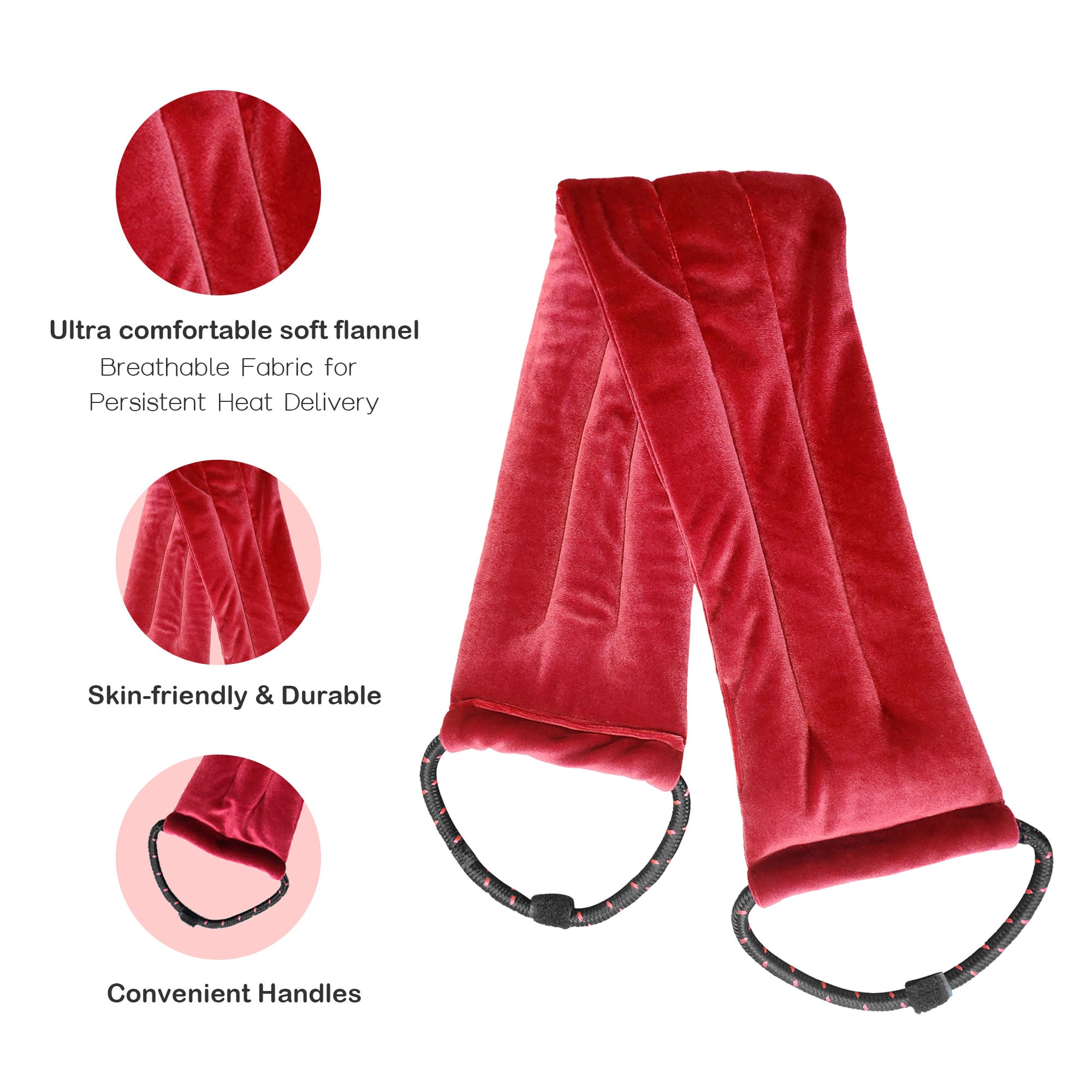
Selecting the right microwave heat pack for pain management is a critical decision that directly impacts your comfort and recovery outcomes. Whether you suffer from chronic muscle tension, arthritis, sports injuries, or post-operative soreness, a quality microwave heat pack can deliver targeted therapeutic warmth precisely where you need it most. Understanding how to evaluate and choose the optimal microwave heat pack ensures you invest in a solution that truly addresses your specific pain condition and lifestyle requirements.
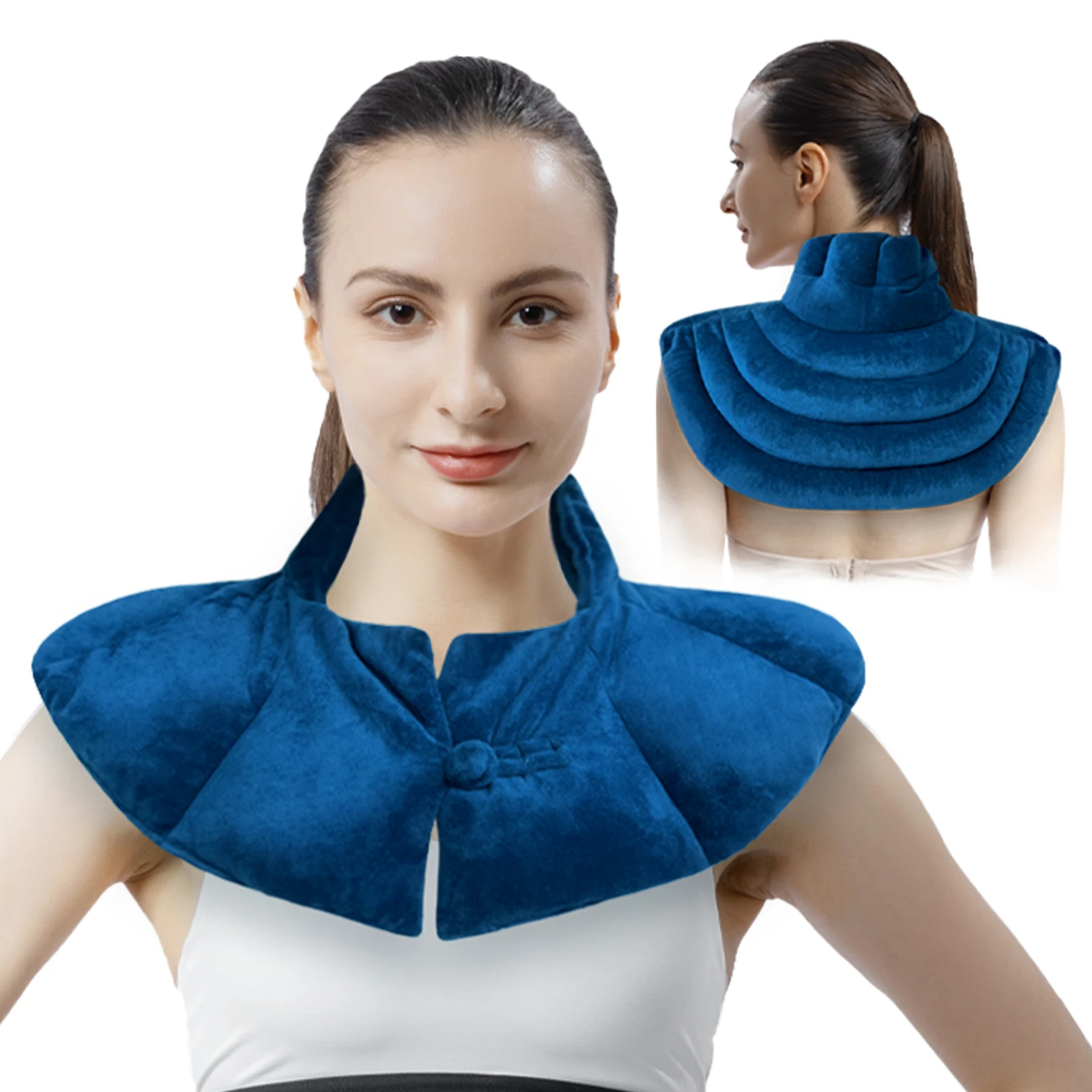
The market offers numerous microwave heat pack options, each with distinct features, heat retention capabilities, and therapeutic applications. Choosing wisely requires understanding the core factors that differentiate one microwave heat pack from another, including material composition, size, moisture content, and durability. This guide walks you through the essential selection criteria to help you find a microwave heat pack that delivers consistent relief and long-lasting performance for your particular pain management needs.
Understanding Microwave Heat Pack Materials and Heat Retention
Gel-Based Microwave Heat Pack Formulations
Most therapeutic microwave heat pack products use specialized gel compounds designed to absorb and distribute heat evenly across affected areas. A quality microwave heat pack typically contains non-toxic mineral gels or natural plant-based materials that heat uniformly without creating dangerous hot spots. When selecting a microwave heat pack, verify that the gel formula is medical-grade and has undergone safety testing to prevent burns or skin irritation during use.
Fabric and Cover Quality in Microwave Heat Pack Design
The outer cover of your microwave heat pack significantly influences comfort and durability during repeated use. Premium microwave heat pack covers are typically crafted from soft, breathable cotton or flannel that feels comfortable against skin while withstanding hundreds of heating cycles. A durable microwave heat pack cover should be machine-washable, resist pilling, and maintain its integrity even after prolonged moisture exposure, which occurs naturally during moist heat therapy applications.
Selecting the Right Microwave Heat Pack Size and Shape
Anatomical Design Considerations for Microwave Heat Pack Selection
Different body areas require different microwave heat pack configurations to deliver optimal therapeutic benefits. A standard rectangular microwave heat pack works well for lower back pain, while a wrap-style microwave heat pack is more effective for neck and shoulder tension. Before purchasing a microwave heat pack, assess which body regions cause you the most discomfort and choose a size and shape that conforms properly to those anatomical areas without creating gaps or pressure points.
Portability and Storage Factors for Your Microwave Heat Pack
Consider how you plan to use your microwave heat pack throughout your daily routine. A compact microwave heat pack offers convenience for office use or travel, while a larger microwave heat pack provides broader coverage for extensive muscle groups. Your microwave heat pack should fit easily into a work bag or home storage space, and its weight should be manageable enough for comfortable application during extended sessions without arm fatigue.
Evaluating Heating Performance and Safety Features
Microwave Heat Pack Temperature Regulation and Duration
An effective microwave heat pack should reach therapeutic temperatures between 160 and 170 degrees Fahrenheit within three to five minutes of microwave heating. Your microwave heat pack should maintain consistent warmth for at least twenty to thirty minutes, allowing sufficient time for therapeutic effect on deep muscle tissue. When comparing microwave heat pack options, inquire about heat retention specifications and whether the microwave heat pack uses double-wall construction to prevent rapid temperature loss.
Safety Standards and Microwave Heat Pack Durability
Purchase a microwave heat pack that complies with medical device safety standards and carries appropriate certifications from recognized regulatory bodies. A reliable microwave heat pack should withstand repeated microwave heating without gel leakage, cover deterioration, or performance degradation over months of regular use. Look for a microwave heat pack with reinforced seams, leak-proof construction, and a manufacturer warranty that reflects confidence in product longevity.
Matching Your Microwave Heat Pack to Specific Pain Conditions
Acute Injury Management with the Right Microwave Heat Pack
For recent injuries or acute muscle strains, choose a microwave heat pack that provides moist heat therapy, which penetrates tissue more effectively than dry heat alternatives. A moist microwave heat pack therapy approach reduces muscle guarding, improves blood circulation, and accelerates healing during the acute phase following injury. Ensure your selected microwave heat pack can be used safely in the immediate post-injury window when tissue sensitivity requires careful temperature management and gradual heat application.
Chronic Pain and Long-Term Microwave Heat Pack Use
For chronic conditions like arthritis or persistent muscle tension, your microwave heat pack should deliver consistent, reliable warmth across multiple daily applications without performance loss. A durable microwave heat pack designed for chronic pain use typically features reinforced construction and premium materials that maintain performance integrity even with frequent heating cycles. Consider investing in a high-quality microwave heat pack specifically engineered for long-term therapeutic application rather than a budget alternative that may deteriorate quickly.
Practical Usage and Maintenance Considerations
Optimal Microwave Settings for Your Heat Pack
Different microwave heat pack products require different heating times depending on wattage and gel composition. Your microwave heat pack documentation should provide clear heating instructions for various microwave power levels to ensure consistent, safe results every use. Always follow manufacturer guidelines for your microwave heat pack rather than assuming standard heating times, as overshooting the recommended duration can damage the microwave heat pack or create burn hazards.
Longevity and Care for Your Microwave Heat Pack Investment
Extend your microwave heat pack lifespan by storing it in a cool, dry location between uses and allowing it to cool completely before returning it to storage. Your microwave heat pack cover should be washed regularly according to manufacturer instructions to prevent bacterial growth and maintain hygiene during repeated skin contact. A well-maintained microwave heat pack can provide consistent pain relief for two to five years depending on usage frequency and initial quality, making it an economical long-term therapeutic investment.
FAQ
How long does a microwave heat pack stay warm after heating?
Most quality microwave heat pack products retain therapeutic warmth for twenty to forty minutes after heating, depending on gel composition, cover insulation, and room temperature. Premium microwave heat pack designs with double-layer covers maintain heat significantly longer than basic single-layer alternatives, making them better suited for extended therapeutic sessions or work environments where reheating isn't immediately possible.
Can I use a microwave heat pack every day safely?
Yes, a well-designed microwave heat pack is safe for daily use when applied according to manufacturer guidelines and skin tolerance. However, limit continuous microwave heat pack application to fifteen to twenty minutes per session to prevent skin irritation, and allow at least two hours between repeated applications to your same body area. If you have sensitive skin or underlying skin conditions, consult a healthcare provider before beginning regular microwave heat pack therapy.
What size microwave heat pack is best for neck and shoulder pain?
For neck and shoulder pain relief, a wrap-style or contoured microwave heat pack specifically designed for upper body anatomy provides optimal coverage and comfort compared to standard rectangular alternatives. Choose a microwave heat pack with adjustable straps or flexible design that conforms to your neck and shoulder contours without shifting during use, ensuring consistent heat delivery throughout your therapeutic session.