 EN
EN
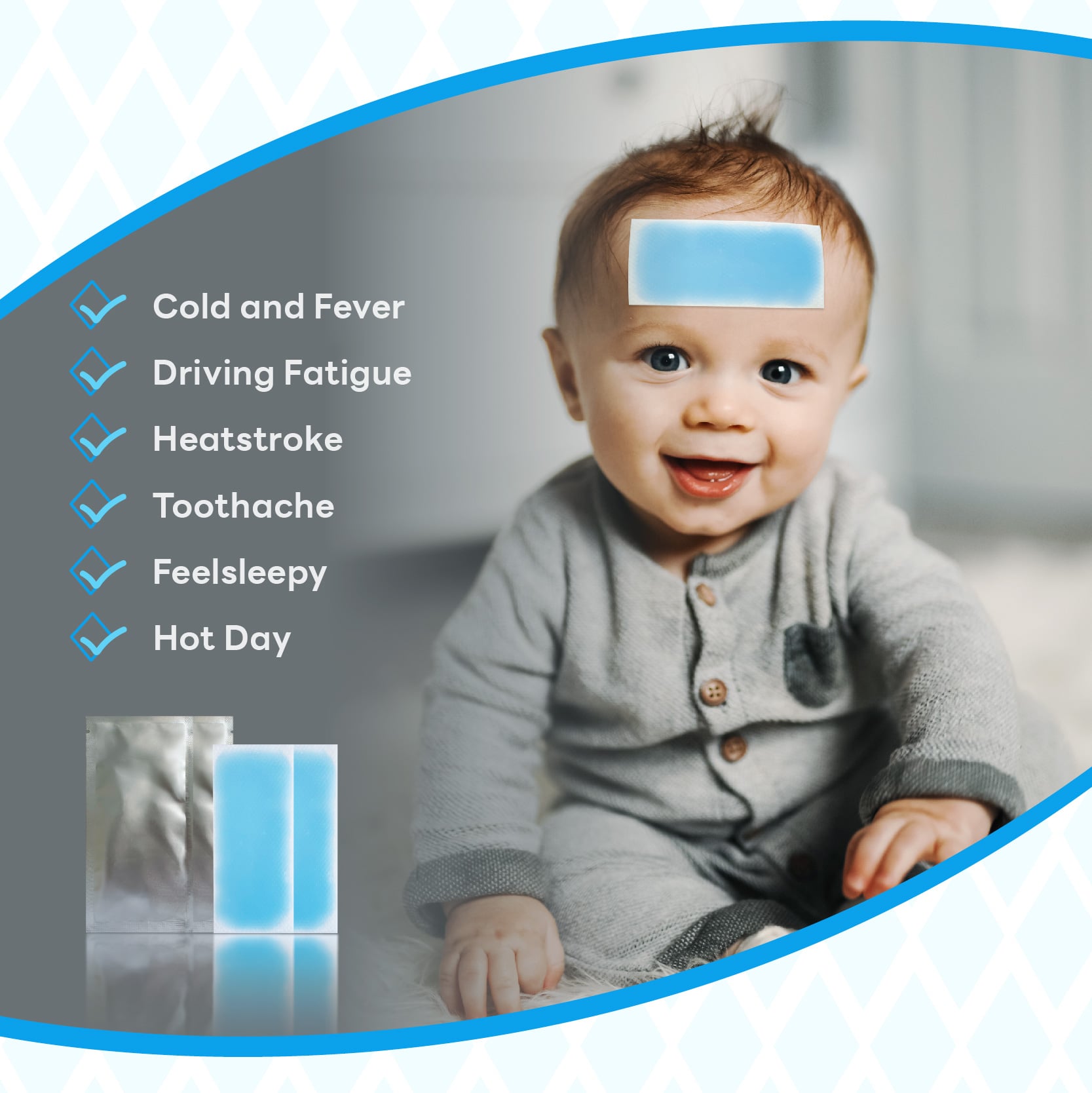
A cooling patch is a therapeutic device designed to deliver sustained cold therapy directly to specific areas of the body. Whether you're managing acute pain, reducing inflammation, or seeking relief from muscle soreness, a cooling patch offers a convenient, non-invasive solution that works through proven thermodynamic principles. Understanding what a cooling patch is and how it operates can help you make informed decisions about pain management and recovery strategies in both professional and personal healthcare settings.
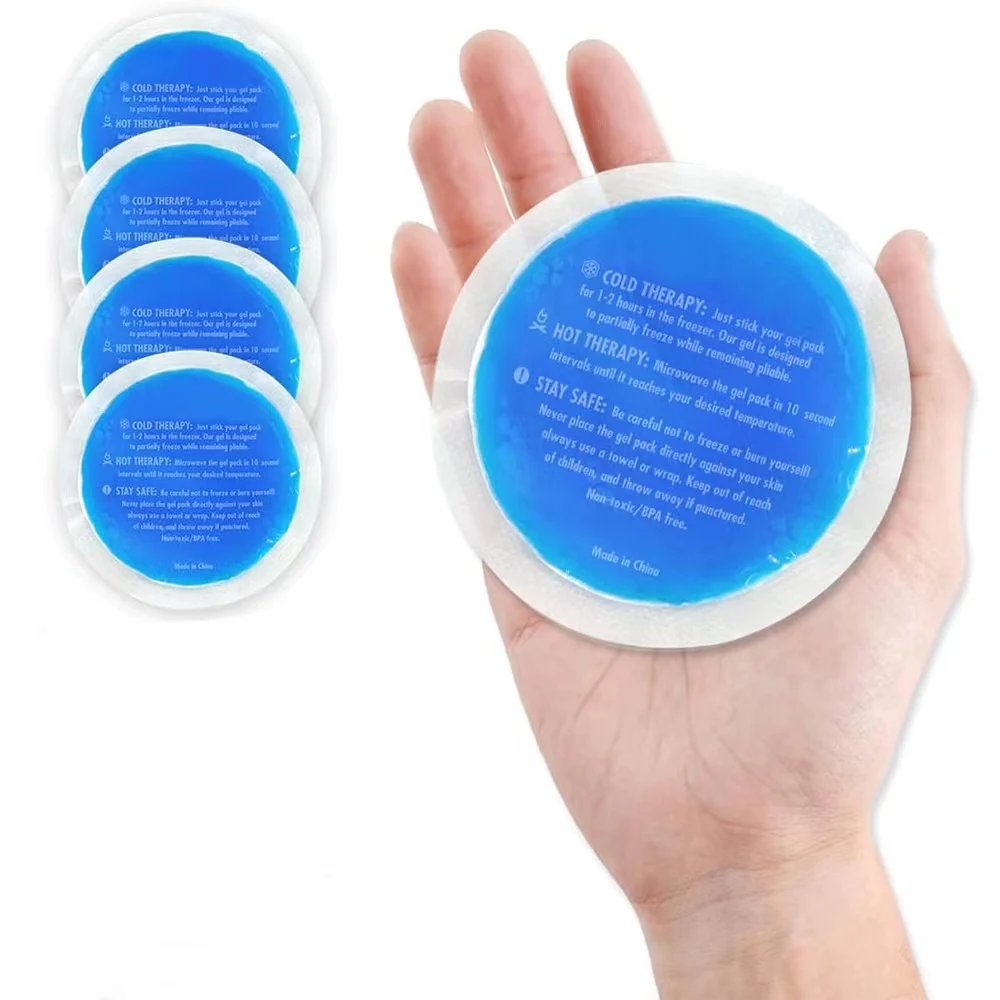
The popularity of cooling patch technology continues to grow across sports medicine, occupational health, and consumer wellness markets. A cooling patch combines advanced gel formulations with heat-absorbing materials to create a self-contained cold therapy system that requires no electricity, ice, or refrigeration after initial activation. This article explores the fundamental mechanics of how a cooling patch functions, the materials that make it effective, and the practical applications that make it valuable for athletes, healthcare professionals, and individuals seeking accessible pain relief solutions.
Understanding the Core Structure of a Cooling Patch
Essential Components of a Cooling Patch
A cooling patch consists of multiple layers working together to deliver consistent cold therapy. The outer layer is typically a flexible, breathable fabric that adheres securely to skin while allowing air circulation. Beneath this is an advanced cooling gel matrix, often made from proprietary hydrogel compounds or mineral-based formulations that absorb and dissipate body heat efficiently. A cooling patch uses this gel to maintain temperature reduction for extended periods, often lasting between 4 and 8 hours depending on the specific product design and environmental conditions.
The backing of a cooling patch features a waterproof barrier that prevents gel leakage while protecting clothing and surrounding surfaces. Many modern cooling patch designs incorporate reusable gel beads or crystalline structures that can be refreshed by refrigeration between uses, making a cooling patch an economical long-term investment. The adhesive system in a cooling patch is carefully formulated to remain secure during movement and perspiration while being gentle enough for sensitive skin applications.
How Temperature Regulation Occurs
The cooling effect of a cooling patch operates through endothermic reactions and thermal conductivity principles. When activated, a cooling patch draws heat away from the affected area through direct contact, causing a measurable temperature drop at the application site. This process is passive and continuous, meaning a cooling patch doesn't require electricity or mechanical intervention to maintain its therapeutic cooling effect throughout its functional lifespan.
A cooling patch achieves sustained temperature reduction because the gel matrix remains cooler than body temperature for an extended duration. The thermal gradient between the cooling patch and skin tissue creates a consistent cooling effect that gradually diminishes as the patch approaches ambient temperature equilibrium. This gradual decline in cooling intensity actually mirrors the body's natural inflammatory response, making a cooling patch particularly effective during the acute phase of injury when cold therapy is most beneficial.
Physiological Benefits and Therapeutic Applications
Pain Relief and Inflammation Reduction
The therapeutic value of a cooling patch lies in its ability to reduce pain signaling and inflammation simultaneously. Cold therapy numbs nerve endings temporarily, decreasing pain perception while a cooling patch is in place. Simultaneously, the reduced temperature slows metabolic activity in affected tissues, limiting inflammatory mediator release and reducing swelling that often accompanies acute injuries or chronic pain conditions.
Athletes and occupational health professionals widely recommend a cooling patch for immediate post-injury management because cold therapy is most effective within the first 48 to 72 hours after trauma. A cooling patch provides convenient, hands-free cold therapy that doesn't require constant attention or reapplication like traditional ice packs. The accessibility and ease of use make a cooling patch an ideal first-line treatment for sprains, strains, muscle soreness, and minor contusions.
Specific Use Cases and Industries
A cooling patch finds applications across diverse sectors including sports medicine, physical therapy clinics, occupational health programs, and home wellness routines. Athletes use a cooling patch for post-training recovery and injury management without compromising mobility or training schedules. Healthcare workers and office professionals rely on a cooling patch to manage tension headaches and localized muscle fatigue resulting from repetitive stress.
Military personnel, industrial workers, and emergency responders benefit from a cooling patch because it operates independently of infrastructure, providing therapeutic relief in field conditions or mobile environments. Patients recovering from minor surgeries or dermatological procedures often use a cooling patch to reduce post-procedure swelling and discomfort. The versatility and reliability of a cooling patch across these diverse applications underscore its value as a fundamental tool in modern pain management strategies.
Practical Advantages and Usage Considerations
Convenience and Safety Features
A cooling patch eliminates many limitations associated with traditional ice therapy methods. Unlike ice packs, a cooling patch doesn't require protective barriers to prevent frostbite or skin damage, making a cooling patch safer for direct skin application and extended wear. The mess-free design of a cooling patch ensures no water dripping, no ice melting, and no preparation time, allowing users to apply a cooling patch instantly and continue daily activities without interruption.
Reusable cooling patch designs significantly reduce waste and overall cost compared to single-use alternatives. A cooling patch can be recharged through simple refrigeration, making it environmentally responsible and economical for individuals requiring frequent cold therapy. The portability of a cooling patch means users can carry therapeutic relief in bags, lockers, or vehicles without bulky equipment or cooling containers.
Effectiveness and Performance Metrics
Clinical and practical evidence demonstrates that a cooling patch delivers measurable temperature reduction at the application site, typically achieving 10 to 15-degree Fahrenheit drops within the first 5 to 10 minutes of contact. A cooling patch maintains therapeutic temperature ranges for 4 to 8 hours, far exceeding the duration of traditional ice packs that typically remain effective for 15 to 20 minutes. The consistent performance of a cooling patch across varying environmental conditions and user activities makes it a reliable therapeutic tool.
Users report high satisfaction with a cooling patch for pain relief efficacy, comfort during application, and skin compatibility. The flexible design of a cooling patch conforms to body contours, ensuring complete contact and consistent cooling across irregular surfaces. Performance data shows that a cooling patch delivers superior adherence and sustained effect compared to elastic wraps combined with traditional ice therapy, making a cooling patch a preferred solution for both professional and personal use.
FAQ
How long does a cooling patch remain effective?
Most cooling patch products maintain therapeutic effectiveness for 4 to 8 hours after initial activation, depending on gel formulation, ambient temperature, and specific product design. Individual cooling patch performance may vary based on how well the patch maintains contact with skin and environmental factors. Reusable cooling patch options can be refrigerated and reactivated for multiple cycles, extending the overall lifespan and value of a single cooling patch unit.
Can a cooling patch be used directly on skin?
Yes, a cooling patch is specifically designed for direct skin application without protective barriers. The safe formulation of a cooling patch eliminates frostbite risk associated with traditional ice packs. However, users with extreme cold sensitivity or certain skin conditions should consult healthcare providers before using a cooling patch to ensure compatibility and safety for individual circumstances.
What makes a cooling patch better than ice packs?
A cooling patch offers superior convenience, longer-lasting effects, mess-free application, and enhanced portability compared to traditional ice packs. A cooling patch doesn't require constant repositioning, protective barriers, or active cooling maintenance. The hands-free design of a cooling patch allows users to maintain normal activities while receiving therapeutic cold therapy, making a cooling patch the preferred choice for mobile individuals and professionals requiring continuous pain management solutions.