 EN
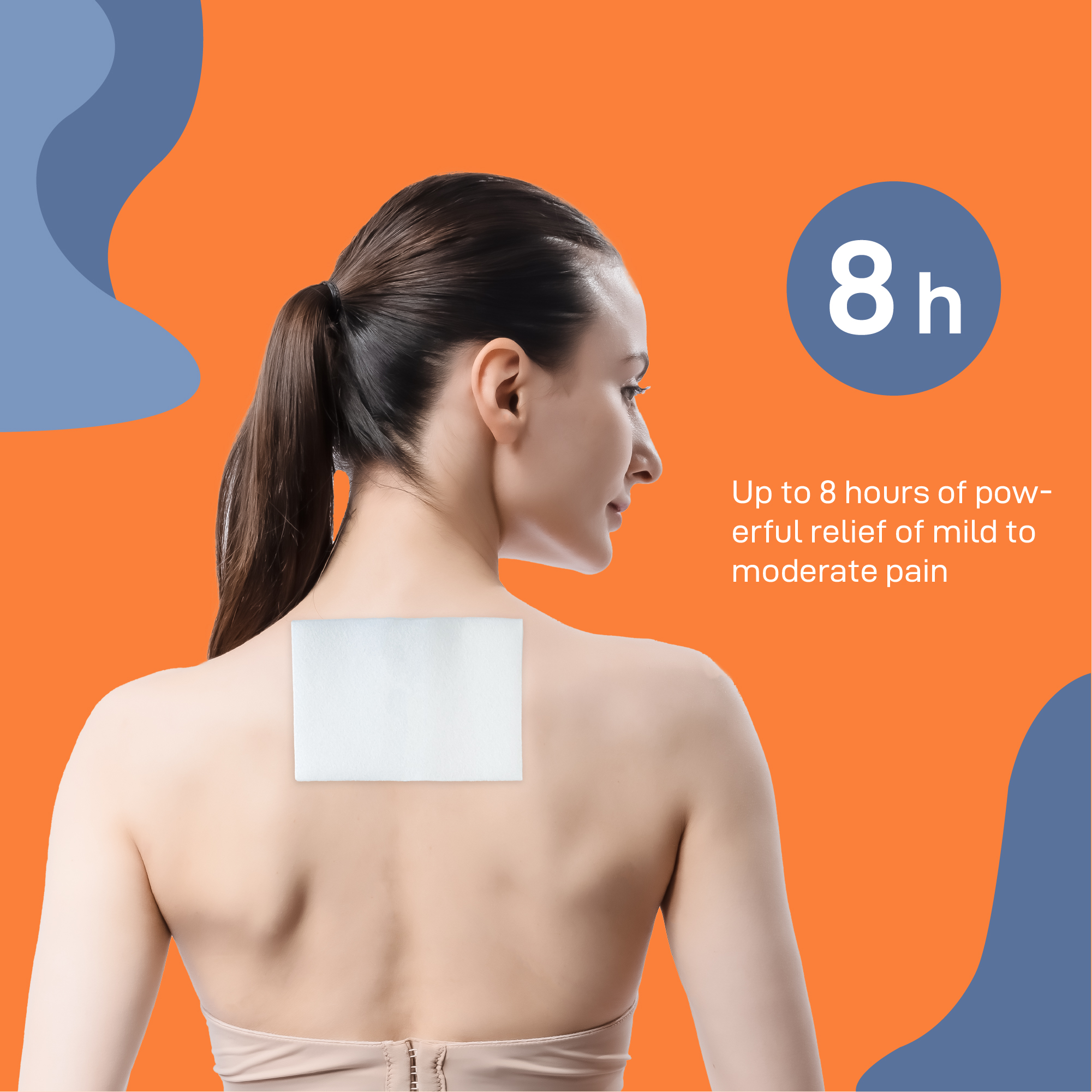
A pain relief patch offers a convenient, non-invasive approach to managing discomfort without relying solely on oral medications. Before incorporating a pain relief patch into your wellness routine, understanding how these products work, who they serve best, and what precautions to observe is essential for safe and effective use. This comprehensive guide covers everything you need to know before choosing and using a pain relief patch for your specific needs.
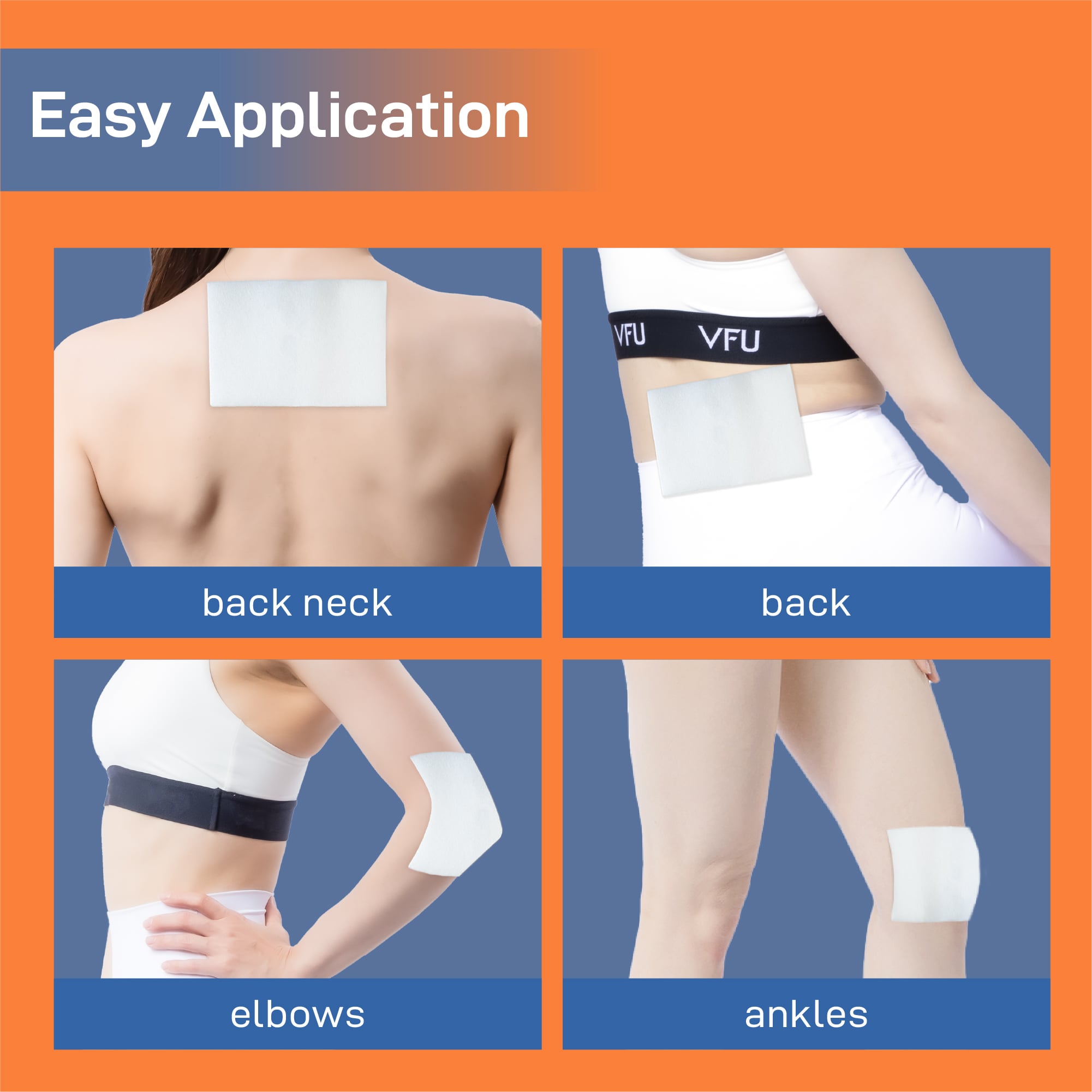
The decision to use a pain relief patch should be based on informed understanding of your condition, the patch's mechanism, and how it compares to other pain management options. Whether you're dealing with muscle soreness, arthritis, or localized joint pain, a pain relief patch can be an effective tool when used correctly and appropriately for your situation.
How Pain Relief Patches Work and Their Key Benefits
The Mechanism Behind Pain Relief Patches
A pain relief patch delivers active ingredients directly to the affected area through your skin, providing localized comfort without affecting your entire body. This targeted delivery system means a pain relief patch releases therapeutic compounds gradually over several hours, creating sustained relief where you need it most. Unlike oral pain relievers that must travel through your digestive system and bloodstream, a pain relief patch works at the source, making it ideal for muscle aches, joint discomfort, and localized inflammation.
Most modern formulations use hydrogel or similar advanced materials that ensure consistent ingredient release. When you apply a pain relief patch to clean, dry skin, the adhesive backing keeps it secure while active compounds penetrate the dermal layers. This mechanism allows a pain relief patch to provide extended relief, often lasting up to eight hours or more depending on the product formulation and individual factors.
Why Choose a Pain Relief Patch Over Other Options
A pain relief patch eliminates common challenges associated with traditional oral medications. You avoid the need to remember multiple doses throughout the day, experience no unpleasant aftertaste, and reduce digestive system involvement in pain management. For individuals sensitive to certain medications or those seeking a discreet option, a pain relief patch offers significant practical advantages while delivering comparable or superior localized results.
The convenience factor cannot be overstated. Simply apply a pain relief patch to the affected area and continue your daily activities without interruption. This simplicity makes a pain relief patch particularly attractive for professionals, athletes, and anyone with an active lifestyle who needs reliable, unobtrusive pain management.
Important Safety Considerations Before Using a Pain Relief Patch
Skin Preparation and Application Best Practices
Before applying a pain relief patch, ensure your skin is clean, dry, and free of cuts, abrasions, or irritation. Applying a pain relief patch to compromised skin can cause irritation or prevent proper adhesion. Allow any skin treatments or moisturizers to dry completely, typically waiting at least fifteen minutes after bathing before application. Proper skin preparation dramatically improves how effectively a pain relief patch delivers its therapeutic benefits.
When positioning your pain relief patch, place it directly over the area experiencing discomfort or as close as possible to the source of pain. Press firmly for thirty seconds to ensure complete contact with your skin. Never apply a pain relief patch to the same location repeatedly without allowing recovery time; rotating application sites prevents skin irritation and sensitization while maintaining the patch's effectiveness over extended use.
Who Should Avoid Pain Relief Patches
Certain individuals should consult healthcare providers before using a pain relief patch. Pregnant women, individuals taking blood-thinning medications, and those with sensitive skin conditions should seek professional guidance. If you have allergies to any ingredients in a pain relief patch or history of adverse reactions to topical products, medical consultation becomes crucial before use.
People with heat sensitivity, certain cardiovascular conditions, or skin diseases should exercise caution with a pain relief patch. Never apply a pain relief patch under tight bandages, use heating pads simultaneously, or expose the patch to excessive heat, as this can accelerate ingredient release and potentially cause uncomfortable sensations. Always read the complete ingredient list and warning labels for any pain relief patch before purchase and application.
Maximizing Effectiveness and Understanding Duration
Factors Affecting Pain Relief Patch Performance
Several variables influence how well a pain relief patch works for your specific situation. Individual skin thickness, circulation patterns, body temperature, and metabolic rate all affect how quickly active ingredients penetrate and how long effects persist. A pain relief patch typically provides consistent results within the advertised timeframe, but personal physiology means some individuals may experience extended or shortened relief durations.
The severity of your discomfort also influences outcomes. A pain relief patch works optimally for mild to moderate localized pain; severe or chronic conditions might require complementary approaches. Environmental factors like humidity and activity level impact patch durability as well. Understanding these variables helps you set realistic expectations for what a pain relief patch can accomplish in your circumstances.
Duration and Reapplication Guidelines
Most formulations of a pain relief patch provide four to eight hours of sustained relief, though premium hydrogel versions can extend beyond eight hours. After removing the patch, allow your skin several hours to recover before reapplication; continuous use without breaks can cause irritation or reduce effectiveness. Never apply multiple pain relief patch units simultaneously unless specifically recommended by the product instructions.
If relief diminishes before the recommended removal time, resist the urge to reapply immediately. Instead, wait at least four to six hours before using another pain relief patch. This spacing prevents ingredient overload and maintains your skin's ability to respond effectively to treatment. Maintaining consistent but spaced applications creates optimal results with minimal risk of sensitization or adverse reactions.
Special Considerations for Different Pain Types
Acute Versus Chronic Pain Management
A pain relief patch excels for acute injuries like muscle strains, sprains, and post-exercise soreness. For these short-term situations, applying a pain relief patch immediately after injury can reduce inflammation and provide comfort during recovery. However, chronic pain conditions require a broader management strategy; while a pain relief patch can be valuable within that strategy, it typically works best as part of comprehensive treatment rather than as the sole solution.
For chronic conditions requiring ongoing relief, using a pain relief patch strategically—such as during peak pain times or before physical activities—maximizes benefits while minimizing unnecessary applications. This targeted approach preserves your skin's responsiveness to the patch and reduces long-term usage concerns. Discuss chronic pain management strategies with healthcare providers to determine how a pain relief patch fits your broader wellness plan.
Sport and Activity-Related Uses
Athletes frequently use a pain relief patch before training, competition, or recovery periods. The non-systemic nature means a pain relief patch doesn't typically contain banned substances, making it compatible with most sports regulations, though you should verify with your specific governing body. Applying a pain relief patch beforehand provides support during activity without oral medication concerns or interference with performance.
Post-activity application of a pain relief patch can reduce delayed-onset muscle soreness and facilitate faster recovery. The adhesive formulations used in modern pain relief patch products remain secure during physical activity, ensuring consistent delivery even during sweating or movement. This reliability makes a pain relief patch an excellent choice for active individuals seeking convenient, effective localized pain management.
FAQ
How long does a pain relief patch typically last?
Most standard pain relief patch formulations last between four to eight hours, while advanced hydrogel-based options can provide relief extending beyond eight hours. The actual duration depends on the specific product formulation, your individual metabolism, skin characteristics, and the severity of your pain. Always follow the manufacturer's recommended wear time, and remove the pain relief patch if you experience any discomfort or irritation before the suggested removal time expires.
Can I use a pain relief patch under clothing or with water contact?
Yes, a properly applied pain relief patch remains secure under clothing and withstands light water contact like hand washing. However, avoid prolonged water exposure, swimming, or showering with a pain relief patch in place, as this can compromise adhesion. If your pain relief patch begins lifting at the edges, you can reinforce it with medical tape, but remove and replace it if the adhesive significantly fails. Always ensure your skin is dry before applying a new pain relief patch.
What should I do if I experience irritation from a pain relief patch?
Discontinue use immediately and remove the pain relief patch if you develop redness, itching, burning, or rash. Allow your skin to fully recover—typically twenty-four to forty-eight hours—before considering reapplication. If irritation persists or worsens, contact a healthcare provider. Some individuals may have sensitivity to specific ingredients, so try a different pain relief patch formulation with alternative active compounds, or consult a dermatologist before resuming use. Always perform a patch test on a small area of skin first if you're uncertain about product compatibility.