 EN


Determining the right time to use a hot cold pack for your pet is essential for maintaining their comfort and wellbeing throughout the year. Pet owners often wonder whether a hot cold pack is necessary, how frequently it should be used, and what specific situations call for temperature-controlled solutions. Whether you're dealing with seasonal heat stress or managing your pet's recovery from activity, understanding when a hot cold pack becomes valuable can make a significant difference in your pet's quality of life and overall health outcomes.
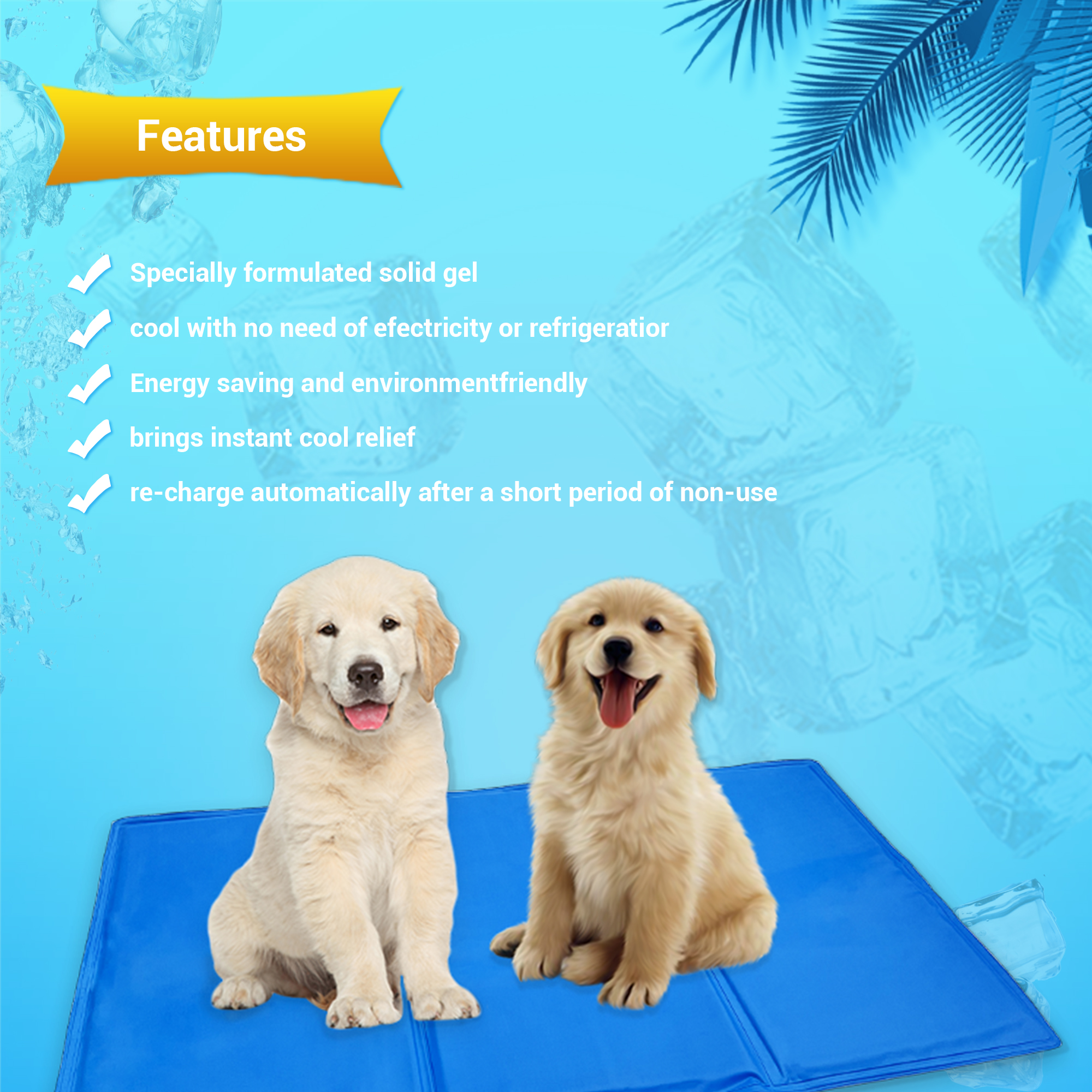
A hot cold pack designed for pets functions as a dual-purpose tool that adapts to your pet's seasonal and situational needs. Unlike generic cooling solutions, a properly designed hot cold pack maintains consistent temperatures while remaining safe for prolonged contact with your pet's skin and fur. This versatility makes a hot cold pack an intelligent investment for pet owners who want to provide year-round comfort without requiring multiple specialized products.
Understanding Seasonal Temperature Needs
Summer Heat Management with a Hot Cold Pack
Summer months present the most obvious use case for deploying a hot cold pack to keep your pet comfortable. During peak heat seasons, your pet's body struggles to regulate temperature naturally, making a hot cold pack an effective intervention. Dogs and cats lack efficient sweating mechanisms, relying instead on panting and limited heat dissipation through their paws. When outdoor temperatures exceed 85°F or when your indoor climate control becomes insufficient, a hot cold pack provides immediate relief and prevents heat-related stress.
The benefits of using a hot cold pack during summer extend beyond simple comfort. A strategically placed hot cold pack reduces your pet's risk of heat exhaustion, heat stroke, and associated cardiovascular complications. Senior pets, overweight animals, and breeds with thick coats particularly benefit from a hot cold pack's cooling capabilities. By maintaining your pet's body temperature within a safe range, a hot cold pack supports normal metabolic function and prevents dangerous physiological reactions to excessive heat exposure.
Winter Considerations for a Hot Cold Pack
While many pet owners associate a hot cold pack exclusively with summer cooling, winter applications deserve equal attention. During cold months, some pet owners use heated modes of a hot cold pack to provide supplemental warmth for pets with circulation issues, arthritis, or age-related joint stiffness. A dual-function hot cold pack allows seamless transition between cooling and heating modes as seasonal demands shift. This flexibility makes a hot cold pack suitable for year-round use rather than seasonal storage.
Transitional seasons also benefit from having a hot cold pack available. Spring and autumn weather fluctuations create periods where your pet may experience temperature discomfort despite moderate outdoor conditions. A hot cold pack serves as a reliable solution during these unpredictable weather patterns, allowing you to respond quickly to your pet's thermal comfort needs without waiting for outdoor conditions to stabilize.
Activity-Based Use Cases for Your Hot Cold Pack
Post-Exercise Recovery with a Hot Cold Pack
Active pets require thoughtful temperature management following vigorous play sessions or training activities. A hot cold pack accelerates recovery by reducing inflammation and muscle soreness after intense exercise. When your pet engages in prolonged running, jumping, or training sessions, internal body temperature rises significantly beyond normal resting levels. A hot cold pack applied during the recovery window helps gradually normalize body temperature while preventing the discomfort that follows overheating episodes.
Athletic dogs benefit substantially from incorporating a hot cold pack into their post-activity routine. Professional trainers and veterinarians increasingly recommend using a hot cold pack as part of comprehensive fitness management. The cold application reduces swelling in joints and muscles, while the controlled temperature prevents the shock of sudden extreme cooling. By using a hot cold pack systematically after workouts, you minimize injury risk and keep your active pet performing at peak capacity.
Medical and Therapeutic Applications of a Hot Cold Pack
Beyond recreational use, a hot cold pack serves important therapeutic functions for pets managing chronic conditions or recovering from medical procedures. Veterinarians frequently recommend a hot cold pack for animals experiencing joint pain, arthritis, or post-surgical inflammation. The therapeutic application of a hot cold pack reduces pain signals reaching your pet's brain while promoting healing through improved blood circulation. This makes a hot cold pack an evidence-based complementary tool within your pet's overall healthcare strategy.
Elderly pets particularly benefit from regular use of a hot cold pack application. Senior animals often experience declining mobility due to joint degeneration and muscle atrophy. A hot cold pack specifically designed with therapeutic properties helps maintain your senior pet's comfort and mobility without relying solely on pharmaceutical interventions. Consulting your veterinarian about incorporating a hot cold pack into your elderly pet's daily routine can substantially improve their quality of life.
Practical Implementation and Safety Considerations
Determining Your Pet's Individual Needs with a Hot Cold Pack
Every pet exhibits unique thermal comfort requirements based on breed, age, weight, health status, and individual metabolism. Recognizing your specific pet's signals helps determine when a hot cold pack intervention becomes necessary. Dogs showing excessive panting, drooling, lethargy, or reluctance to move typically signal overheating conditions where a hot cold pack can provide relief. Monitoring these behavioral indicators allows you to deploy a hot cold pack proactively rather than reactively.
Environmental factors beyond temperature also influence when you should use a hot cold pack for your pet. Humidity levels, sun exposure, air circulation, and your pet's hydration status all interact with core body temperature regulation. A hot cold pack becomes especially valuable when multiple environmental stressors combine to challenge your pet's natural cooling mechanisms. By understanding these interconnected factors, you can make informed decisions about hot cold pack usage timing and duration.
Safe and Effective Hot Cold Pack Usage Patterns
Proper application of a hot cold pack prevents potential complications while maximizing therapeutic benefits for your pet. Never place a hot cold pack directly against bare skin for extended periods, as even pet-safe products can cause discomfort or localized cooling if misused. The ideal approach involves placing a hot cold pack inside a protective cover or beneath a thin layer of fabric, creating a barrier that prevents direct contact. This protective approach maintains the cooling or heating benefits while protecting your pet's skin from temperature-related irritation.
Duration guidelines for hot cold pack application typically range from fifteen to thirty minutes per session, though specific recommendations vary based on the product design and your pet's individual response. Observation during initial hot cold pack use helps establish optimal session lengths for your particular animal. Some pets respond quickly to a hot cold pack and become visibly more comfortable within minutes, while others require longer contact periods to achieve maximum benefit. Regular reassessment ensures your hot cold pack usage remains appropriate as your pet's needs evolve seasonally and throughout their lifespan.
FAQ
How often should I use a hot cold pack for my pet during summer?
During peak summer heat, you can safely use a hot cold pack multiple times daily, particularly during the hottest hours between 10 AM and 4 PM. Most pets benefit from hot cold pack sessions lasting fifteen to thirty minutes, repeated as needed based on your pet's comfort level and environmental conditions. Monitor your pet's behavior after using a hot cold pack to establish the ideal frequency for your specific situation and climate zone.
Can a hot cold pack help with arthritis pain in older dogs?
Yes, a hot cold pack offers therapeutic value for dogs managing arthritis and joint-related pain. The cold application reduces inflammation and swelling, while heat modes can improve blood circulation and relieve stiffness. Many veterinarians recommend incorporating a hot cold pack into daily routines for senior pets, particularly during early morning stiffness or after periods of inactivity. Consult your veterinarian about integrating a hot cold pack into your older dog's pain management strategy.
What signs indicate my pet needs a hot cold pack?
Key indicators that your pet would benefit from a hot cold pack include excessive panting, drooling, reluctance to move, lack of appetite, and seeking cool surfaces constantly. After intense activity, a hot cold pack helps prevent post-exercise overheating and supports faster recovery. Additionally, if your pet shows signs of joint stiffness or reduced mobility, using a hot cold pack therapeutically may improve their comfort and activity levels significantly.