 EN
EN
Knowing when to apply cold therapy can significantly impact your injury recovery timeline and overall healing outcomes. Cold therapy is one of the most accessible and effective first-line treatments for acute injuries, yet many people misuse it or apply it at the wrong time, limiting its benefits. Understanding the proper timing, duration, and conditions for cold therapy application will help you make informed decisions about your injury management strategy.
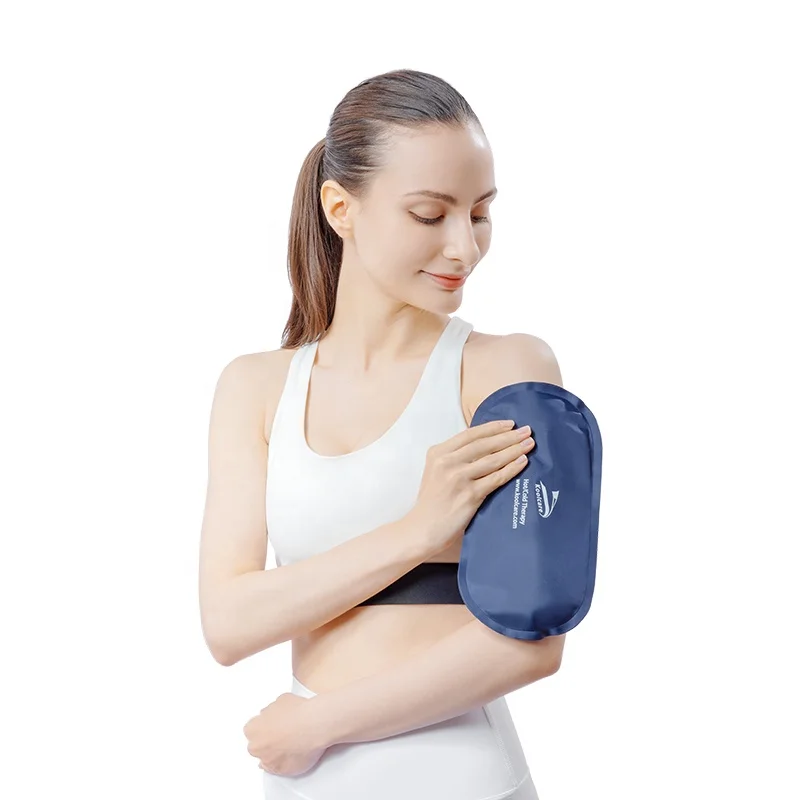
Cold therapy works by reducing blood flow to the injured area, which minimizes swelling and numbs pain signals to the brain. When you understand the science behind cold therapy, you can apply it strategically throughout your recovery process to accelerate healing and restore function. This guide explores the specific situations, timeframes, and injury types where cold therapy delivers maximum value.
The Critical First 48 Hours After Injury
Immediate Application of Cold Therapy
The most important window for cold therapy begins immediately after an injury occurs. Within the first 48 hours following an acute injury, cold therapy is essential for controlling inflammation and limiting tissue damage. Cold therapy applied during this critical period reduces the inflammatory response by constricting blood vessels, which prevents excess fluid from accumulating around the injury site. This immediate intervention with cold therapy can reduce pain intensity, minimize swelling, and support faster recovery progression.
During this acute phase, cold therapy should be applied consistently using the recommended protocol. Apply cold therapy for 15 to 20 minutes at a time, with breaks of at least 20 minutes between applications to allow skin temperature to normalize. Repeat this cycle of cold therapy application throughout the first two days, especially in the hours immediately following injury. The sooner you apply cold therapy after trauma, the more effectively it manages the inflammatory cascade.
Why Cold Therapy Matters in Early Recovery
The inflammation that follows an injury is your body's natural response, but uncontrolled swelling can delay healing and increase pain. Cold therapy interrupts this process by reducing vasodilation and limiting the release of inflammatory mediators. When you apply cold therapy early, you provide your body with a controlled healing environment rather than allowing inflammation to worsen. This strategic use of cold therapy sets the foundation for better mobility, reduced pain medication needs, and faster functional recovery during the first two weeks.
Injuries that respond exceptionally well to early cold therapy include ankle sprains, knee contusions, shoulder strains, and muscle pulls. Cold therapy effectiveness is highest during this initial 48-hour window because the inflammatory response is most active and most responsive to thermal intervention. Missing this opportunity means accepting prolonged swelling and delayed progress toward normal movement patterns.
Injury Types and Cold Therapy Suitability
Acute Trauma and Sprains
Acute sprains represent one of the clearest indications for cold therapy application. When ligaments stretch or tear suddenly, cold therapy provides immediate relief by numbing pain and controlling edema. An ankle sprain, for example, benefits tremendously from cold therapy applied within minutes of injury, continuing through the first 48 hours. Cold therapy helps stabilize the injured joint by reducing swelling, which indirectly improves proprioception and reduces re-injury risk during early recovery phases.
Knee sprains, shoulder dislocations, and wrist sprains all follow the same cold therapy principle: early intervention prevents excessive swelling and maintains functional mobility. Cold therapy combined with compression and elevation during this phase creates optimal conditions for ligament healing. Many athletes and active individuals find that structured cold therapy protocols significantly shorten their return-to-activity timeline compared to passive recovery approaches.
Contusions, Strains, and Post-Surgical Recovery
Muscle contusions and strains also respond well to cold therapy, particularly when applied within 24 to 48 hours of injury. Cold therapy reduces the inflammation associated with muscle fiber damage and hematoma formation. For post-surgical patients, cold therapy applied immediately after procedures has been shown to reduce pain, swelling, and narcotic medication requirements during the critical first week of recovery. Cold therapy becomes part of the standard rehabilitation protocol for many orthopedic surgeries.
Individuals recovering from knee surgery, rotator cuff repair, or ankle reconstruction frequently use cold therapy as part of their guided rehabilitation. Cold therapy helps these patients achieve better range of motion during the first two weeks, which accelerates progression through therapeutic exercise phases. The pain reduction provided by cold therapy also improves exercise compliance, allowing patients to participate more actively in their own recovery process.
Timing Guidelines and Recovery Phase Transitions
The 48-Hour to Two-Week Transition Period
After the initial 48 hours, the role of cold therapy begins to shift as inflammatory responses naturally decline. Cold therapy can still be beneficial during this transition phase, particularly after rehabilitation exercises or movement activities that trigger mild inflammation. Many practitioners recommend alternating cold therapy with heat therapy during weeks two through four, depending on how the injury is progressing. Cold therapy becomes most valuable immediately after activity, while heat therapy between sessions can support circulation and tissue flexibility during this healing transition.
The decision to continue cold therapy beyond 48 hours depends on your specific injury, symptom progression, and rehabilitation stage. Cold therapy remains appropriate if significant swelling persists, if pain increases with activity, or if edema limits your ability to move through therapeutic exercises. Your healthcare provider can assess whether continued cold therapy aligns with your personalized recovery goals and your specific injury severity.
Chronic Injuries and Maintenance Cold Therapy
Cold therapy also plays a role in managing chronic injuries and overuse conditions that flare periodically. Athletes and active individuals often use cold therapy after intense training sessions or competition to manage inflammation from repetitive stress. Cold therapy applied post-activity can prevent delayed-onset inflammation and maintain mobility in joints prone to arthritis or prior injury. This maintenance-phase cold therapy differs from acute-injury cold therapy in frequency and duration, but follows the same thermal principles for inflammation control.
For chronic conditions like osteoarthritis or tendinopathy, cold therapy works best immediately after activity causes temporary inflammation. Some patients find that alternating cold therapy and heat therapy throughout the day provides the most comprehensive symptom management. Cold therapy effectiveness in chronic settings requires consistency and integration with appropriate strengthening and mobility work to address underlying biomechanical factors.
FAQ
How long should you apply cold therapy to an injury?
The standard recommendation is to apply cold therapy for 15 to 20 minutes per session, with at least 20 minutes of rest between applications during the acute phase. This duration allows cold therapy to effectively reduce inflammation without risking ice burn or excessive vasoconstriction that could impair healing. During the first 48 hours after injury, you can repeat this cycle of cold therapy every two to three hours. After the initial acute phase, cold therapy may be applied less frequently as part of your ongoing rehabilitation program.
When should you stop using cold therapy and switch to heat?
Most experts recommend that cold therapy remains primary for the first 48 hours, after which you may begin incorporating heat therapy or alternating between modalities. Cold therapy should be discontinued if swelling has subsided, pain has resolved, and you're ready to focus on restoring mobility and tissue flexibility. However, cold therapy can continue to be valuable after exercise sessions even in later recovery stages. Your physical therapist or physician can recommend the specific transition timeline for your injury and recovery goals. If you choose to use heat instead of cold therapy, ensure the injury isn't acutely inflamed, as heat would worsen acute swelling.
Are there injuries where cold therapy is not recommended?
Cold therapy should be avoided on open wounds, certain skin conditions, or with individuals who have circulatory compromise or cold sensitivity. People with Raynaud's syndrome, severe arthritis in the application area, or numbness from neuropathy should use cold therapy cautiously or under professional guidance. Additionally, cold therapy is less appropriate for chronic stiffness without inflammation or delayed-healing injuries lacking acute inflammatory signs. Always consult your healthcare provider before using cold therapy if you have underlying health conditions, and discontinue cold therapy if you experience excessive pain, numbness, or skin reactions.