 EN
EN
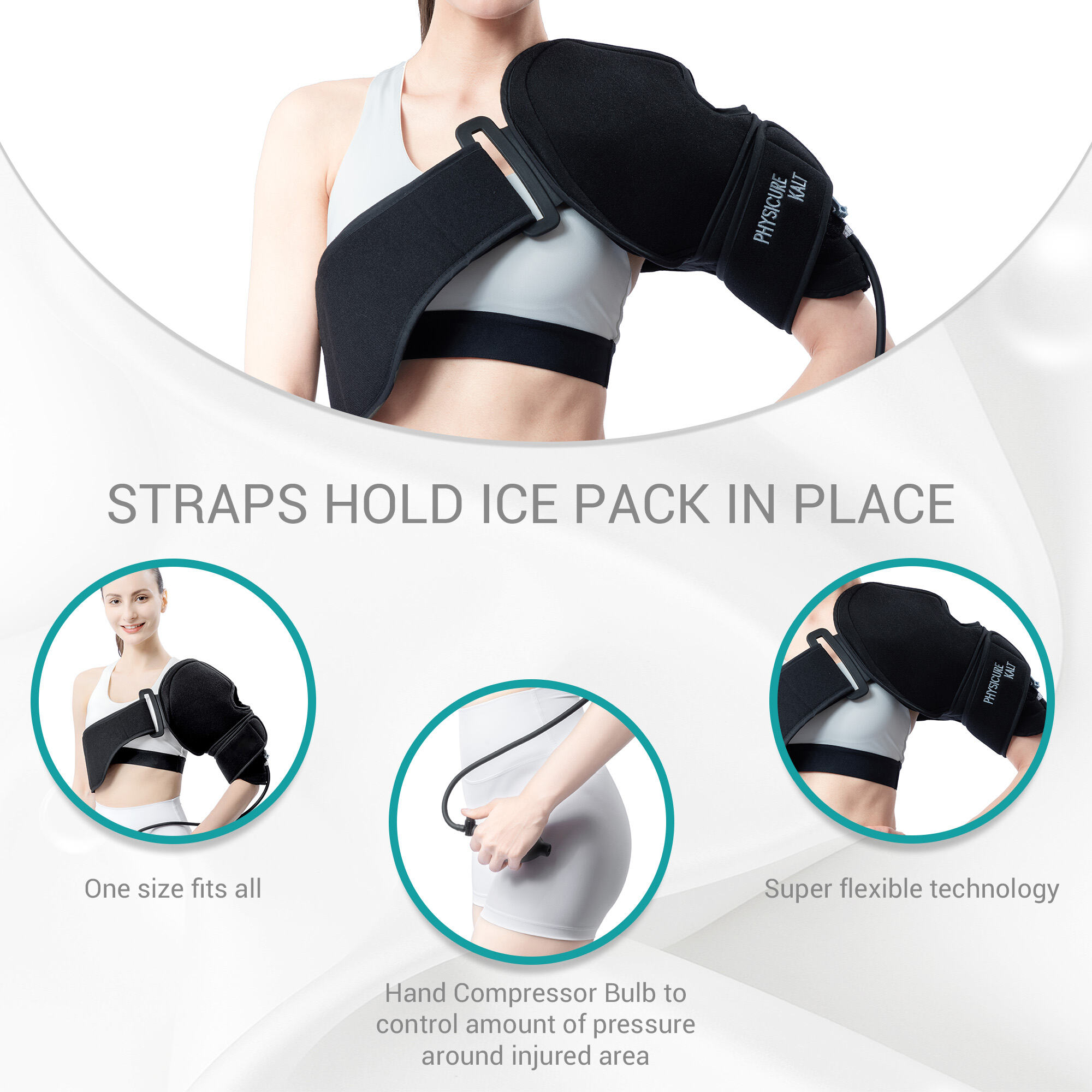
Kuldet behandling er fremtrædt som en kraftfuld og naturlig metode til behandling af let svulm og tilbyder flere fordele i forhold til traditionelle medicinske behandlinger. Denne terapeutiske metode indebærer anvendelse af kontrollerede kolde temperaturer på de berørte områder, hvilket udløser fysiologiske reaktioner, der reducerer betændelse, lindrer smerte og fremmer hurtigere helbredelse. I modsætning til medicin, som muligvis kan medføre bivirkninger eller kræve systemisk forarbejdning via leveren og nyrerne, virker kuldet behandling lokalt og øjeblikkeligt på skade- eller betændelsesstedet.
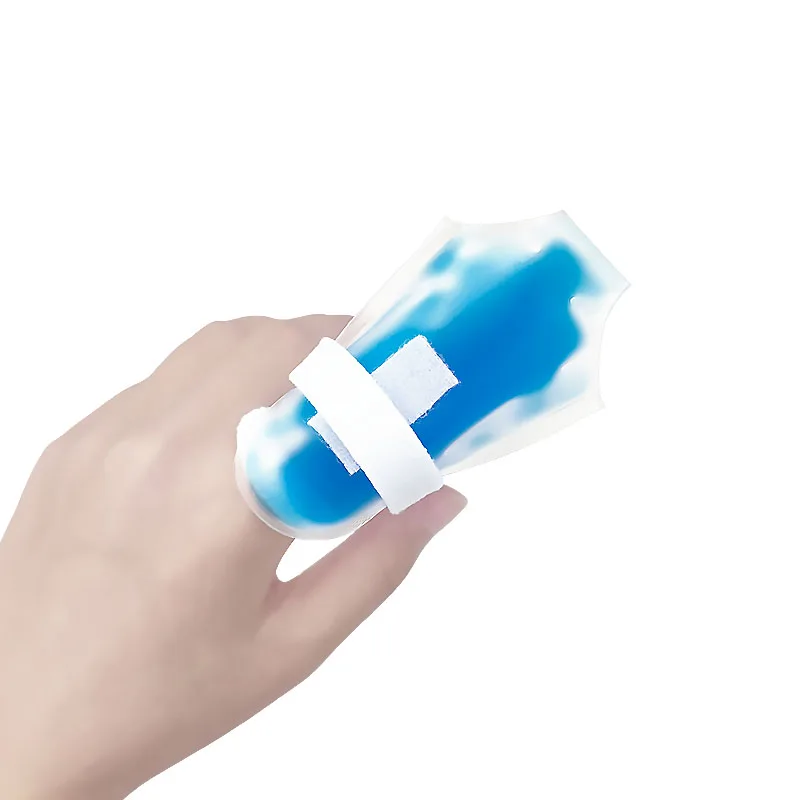
Læger og andre sundhedsprofessionelle anbefaler i stigende grad kuldebehandling som førstevalg ved akutte skader, svulm efter kirurgiske indgreb og forskellige betændelsesbetingede tilstande. Effekten af denne fremgangsmåde skyldes dens evne til at forårsage blodkarindsnævring, nedsætte stofskiftet i vævene og afbryde smertesignaler til hjernen. Disse mekanismer virker sammenhængende og giver hurtig lindring uden de potentielle komplikationer, der kan være forbundet med medicinsk behandling.
Videnskabelige mekanismer bag kuldebehandlingens effektivitet
Blodkarindsnævring og regulering af blodgennemstrømning
Koldterapi udløser øjeblikkelig vasokonstriktion, hvilket får blodkarrene til at trække sig sammen og mindske blodgennemstrømningen til det påvirkede område. Denne fysiologiske reaktion mindsker betydeligt væskeansamlingen i vævene, hvilket er den primære årsag til hævelse. Når kolde temperaturer påføres huden, registrerer termoreceptorer temperaturændringen og aktiverer det sympatiske nervesystem til at forårsage vasokonstriktion. Denne proces, der kaldes koldinduceret vasokonstriktion, kan i nogle tilfælde mindske blodgennemstrømningen med op til 85 %.
Mindskningen af blodgennemstrømningen korrelaterer direkte med en reduceret levering af inflammatoriske mediatorer til skadeområdet. Inflammatoriske stoffer som histamin, prostaglandiner og cytokiner kræver en tilstrækkelig cirkulation for at nå beskadigede væv i betydelige mængder. Ved at begrænse blodgennemstrømningen gennem koldterapi falder koncentrationen af disse inflammatoriske forbindelser, hvilket resulterer i reduceret hævelse og tilhørende smerte.
Forskning har vist, at kuldebehandling kan opretholde vasokonstriktion i forlænget tid, selv efter at kuldekilden er fjernet. Denne forlængede effekt opstår, fordi afkølingen trænger dybt ind i vævene og opretholder lavere temperaturer i timer, hvilket giver vedvarende antiinflammatoriske fordele, som medicin ofte ikke kan matche.
Nedsættelse af stofskiftet og bevarelse af væv
Kuldebehandling nedsætter betydeligt den cellulære stofskifteshastighed i behandlede væv, hvilket spiller en afgørende rolle for forebyggelse af sekundær skade og begrænsning af udviklingen af hævelse. Når vævstemperaturen falder med blot få grader Celsius, falder den cellulære iltoptagelse proportionalt. Denne reduktion i stofskiftekrav hjælper med at bevare sundt væv omkring en skade og forhindre den kaskadeartede inflammatoriske reaktion, der ofte forværrer den oprindelige skade.
Den metaboliske nedbremsering, der opnås ved kuldebehandling, reducerer også produktionen af inflammatoriske biprodukter i cellerne. Beskadigede celler frigiver typisk forskellige stoffer, der tiltrækker immunforsvarets celler og fremmer hævelse som en del af den inflammatoriske reaktion. Ved at køle disse væv og nedsætte deres metaboliske processer, koldbehandling minimeres frigivelsen af disse inflammatoriske mediatorer, hvilket resulterer i mindre hævelse og kortere genopretningsperioder.
Studier har vist, at væv, der behandles med kuldebehandling, bibeholder bedre cellulær integritet og viser færre tegn på sekundær skade sammenlignet med ubehandlede områder. Denne bevarelseseffekt er særligt fordelagtig ved akutte skader, hvor forebyggelse af yderligere vævsskade er afgørende for optimale helingsresultater.
Fordele i forhold til farmakologiske indgreb
Øjeblikkelig virkning uden systemisk forarbejdning
En af de mest betydningsfulde fordele ved kuldetilstand i forhold til medicin er dens øjeblikkelige virkningsstart. Mens orale antiinflammatoriske lægemidler skal absorberes gennem fordøjelsessystemet, fordeles via blodbanen og metaboliseres i leveren, inden de når terapeutiske koncentrationer, begynder kuldetilstand at virke inden for minutter efter anvendelse. Denne øjeblikkelige respons er særligt værdifuld ved akutte skader, hvor hurtig indgreb kan forhindre udviklingen af overdreven hævelse.
Farmaceutiske indgreb kræver ofte 30–60 minutter for at nå maksimal effektivitet, og i denne periode kan hævelsen fortsætte med at udvikle sig og forværres. Kuldetilstand undgår alle systemiske forarbejdningstrin og påvirker direkte målvævet gennem lokal temperaturnedgang. Denne direkte anvendelsesmetode sikrer, at terapeutiske effekter starter øjeblikkeligt ved kontakt med hudoverfladen.
Den lokale karakter af kuldebehandling betyder også, at terapeutiske koncentrationer opnås præcis dér, hvor de er nødvendige, uden at påvirke andre kropssystemer. Lægemidler – også topiske – har ofte en vis grad af systemisk absorption, der kan påvirke andre organer eller kropsfunktioner. Kuldebehandling forbliver udelukkende lokal i sine virkninger, hvilket gør den sikrere for personer med flere helbredsproblemer eller for dem, der tager andre lægemidler.
Fravær af bivirkninger og lægemiddelinteraktioner
Koldterapi udgør næsten ingen risiko for uønskede lægemiddelreaktioner eller interaktioner med eksisterende medicin, hvilket gør den egnet for næsten alle patientgrupper. Antiinflammatoriske lægemidler, herunder både receptpligtige og apoteksmedicin, medfører risici for irritation af mave-tarmkanalen, kardiovaskulære komplikationer, nydefunktionssvægt og indgreb i blodkoagulationsmekanismerne. Disse bivirkninger kan især være bekymrende for ældre patienter, personer med kroniske sygdomme eller dem, der tager flere lægemidler.
Sikkerhedsprofilen for kuldetilstand er ekstremt gunstig, og kontraindikationer er primært begrænset til tilstande med nedsat gennemblødning eller formindsket fornemmelse i behandlingsområdet. I modsætning til medicin, der kan akkumulere sig i kropssystemerne ved gentagen brug, kan kuldetilstand anvendes flere gange dagligt uden risiko for toksicitet eller overdosis. Denne sikkerhedsmargin gør det muligt at foretage hyppigere og længerevarende behandlinger, når det er nødvendigt for optimal svulstbehandling.
Sundhedsprofessionelle kan med tillid anbefale kuldetilstand til gravide kvinder, ammende mødre, børn og ældre patienter uden bekymringer for medicinstofskift, udskillelse eller potentiel skade på udviklende systemer. Denne universelle anvendelighed gør kuldetilstand til et uvurderligt værktøj i kliniske sammenhænge, hvor mulighederne for medicinsk behandling måske er begrænsede på grund af patientspecifikke faktorer eller potentielle medicinske interaktioner.
Kliniske anvendelser og behandlingsprotokoller
Strategier til akut skadebehandling
Koldterapi udgør hjørnestenen i protokoller for akut skadebehandling på tværs af forskellige sundhedsplejesettings. Sportsmedicinske fagfolk implementerer rutinemæssigt koldterapi som en del af RICE-protokollen (hvile, is, kompression, højere placering) til behandling af akutte muskuloskeletale skader. Umiddelbar anvendelse af koldterapi efter skade kan betydeligt reducere den inflammatoriske reaktion og begrænse omfanget af vævsbeskadigelse, der opstår i de timer, der følger umiddelbart efter den første skade.
Akutmedicinske afdelinger bruger ofte koldterapi til behandling af mindre skader, forvridninger og blåmærker, inden man overvejer farmakologiske indgreb. Den hurtige indtræden af smertelindring og reduktion af svulm eliminerer ofte eller reducerer behovet for receptpligtige smertestillende midler eller antiinflammatoriske lægemidler. Denne fremgangsmåde er særligt fordelagtig i akutte settings, hvor hurtig og effektiv behandling er afgørende, og hvor medicinhistorikken måske er ufuldstændig.
Fysioterapiklinikker integrerer kuldet behandling i omfattende behandlingsplaner for forskellige tilstande, der involverer betændelse og hævelse. Muligheden for at kombinere kuldet behandling med andre terapeutiske indgreb uden risiko for medicinske interaktioner gør den til en ideel komponent i multimodale behandlingsmetoder. Fysioterapeuter kan sikkert gennemføre kuldet behandlingssessioner flere gange i løbet af en patients behandlingsprogram for at opretholde optimale vævsforhold for heling og rehabilitering.
Forbedring af postoperativ genopretningsproces
Kirurgiske indgreb medfører uundgåeligt vævsskade og tilhørende betændelsesreaktioner, som kan hæmme genopretning og reducere patients komfort. Kuldet behandling er blevet en integreret del af postoperative plejeprotokoller, især ved indgreb, der involverer led, ekstremiteter og overfladiske væv. Anvendelsen af kuldet behandling efter kirurgi kan markant reducere postoperativ hævelse, mindske smerteværdier og potentielt forkorte genoprettelsestiden.
Ortopædkirurger anbefaler i stigende grad kuldebehandling som et supplement til traditionelle smertestillingsstrategier efter ledoperationer, båndreparationer og andre indgreb, der ofte medfører betydelig hævelse. Den reduktion af postoperativ inflammation, der opnås ved kuldebehandling, kan forbedre kirurgiske resultater ved at sikre bedre vævsperfusion og mindske den mekaniske belastning, som overdreven hævelse påvirker helende væv med.
Anvendelsen af kuldebehandling i postoperativ sammenhæng understøtter også tidlig mobilisering og rehabiliteringsindsats. Reduceret hævelse og smerte gør det muligt for patienter at begynde fysioterapeutiske indgreb tidligere og med større komfort, hvilket til sidst fører til bedre funktionelle resultater. Denne mulighed for tidlig indgreb er særligt værdifuld ved indgreb, hvor udtidet mobilisering kan føre til komplikationer såsom leddstivhed eller muskelatrofi.
Optimale anvendelsesteknikker og varighed
Temperaturregulering og sikkerhedsparametre
Effektiv kuldebehandling kræver omhyggelig opmærksomhed på temperaturkontrol og anvendelsesvarighed for at maksimere terapeutiske fordele, samtidig med at patientens sikkerhed sikres. Det optimale temperaturområde for kuldebehandling ligger typisk mellem 50 og 60 grader Fahrenheit, hvilket giver tilstrækkelig afkøling til at udløse terapeutiske reaktioner uden risiko for vævsbeskadigelse som følge af overdreven kuldeeksponering. Professionelle kuldebehandlingsenheder indeholder ofte temperaturövervågningsystemer, der sikrer en konstant terapeutisk temperatur gennem hele behandlingsperioden.
Anvendelsesvarigheden spiller en afgørende rolle for at opnå optimale resultater med kuldetreatmentsbehandlinger. De fleste kliniske protokoller anbefaler behandlingssessioner på 15 til 20 minutter, hvilket giver tilstrækkelig tid til, at vævet køles ned til terapeutiske dybder uden at forårsage overdreven vasoconstriction eller mulig kulderelateret skade. Længere anvendelsesperioder kan føre til reaktiv vasodilatation, hvor blodkarrene begynder at udvide sig som reaktion på længerevarende kuldeeksponering, hvilket potentielt kan modvirke de ønskede antiinflammatoriske effekter.
Sikkerhedsovervejelser ved kuldebehandling omfatter regelmæssig vurdering af hudtilstanden under behandlingen og øjeblikkelig afbrydelse, hvis der opstår tegn på overdreven afkøling eller uønskede reaktioner. Patienter bør informeres om korrekte anvendelsesteknikker samt advarselstegn, der indikerer, at behandlingen skal afbrydes. Brugen af barriermaterialer såsom tynde håndklæder eller specialiserede kuldebehandlingsomslag kan hjælpe med at forhindre direkte hudkontakt, samtidig med at effektiv varmeoverførsel opretholdes.
Optimering af frekvens og tidspunkt
Frekvensen af kuldebehandlingsanvendelser har betydelig indflydelse på behandlingens effektivitet og samlede resultater. Forskning viser, at gentagne anvendelser med 2–3 timers mellemrum i den akutte fase af en skade eller inflammation giver optimale fordele for reduktion af hævelse og smertehåndtering. Denne frekvens giver vævet mulighed for at vende tilbage til udgangstemperaturen mellem behandlingerne, samtidig med at de kumulative antiinflammatoriske virkninger af kuldebehandlingen opretholdes.
Tidspunktet for påbegyndelse af kuldebehandling er afgørende for at maksimere terapeutiske fordele, især ved akutte skader. Jo tidligere kuldebehandling anvendes efter skade eller indtræden af betændelse, jo mere effektivt kan den afbryde den betændelsesmæssige kaskade og forhindre udviklingen af overdreven svulm. Optimalt bør kuldebehandling påbegyndes inden for den første time efter skaden for at opnå maksimal effektivitet i begrænsning af den betændelsesmæssige reaktion.
Behandlingsprotokoller kan variere afhængigt af den specifikke tilstand, der behandles, samt individuelle patientfaktorer. Kroniske tilstande kan have gavn af mindre hyppige, men regelmæssige kuldebehandlinger, mens akutte skader typisk kræver mere intensiv behandling i løbet af de første 48 til 72 timer. Sundhedspersonale bør udarbejde individualiserede kuldebehandlingsprotokoller baseret på patients behov, tilstandens alvorlighed og behandlingsmål for at optimere resultaterne.
Studier af sammenlignende effektivitet og videnskabelig dokumentation
Kliniske forskningsresultater
Talrige kliniske studier har vist, at kuldet behandling er mere effektiv end medicin til behandling af let svulst og betændelse. En milepæl-studie, der blev offentliggjort i Journal of Athletic Training, sammenlignede kuldet behandling med mundtlige antiinflammatoriske lægemidler ved behandling af akutte ankelskader og fandt, at kuldet behandling gav en hurtigere reduktion af svulst og smertevurderinger. Deltagere, der modtog kuldet behandling, viste målbare forbedringer af svulsten inden for 2 timer efter behandlingsstart, mens de, der modtog medicin, krævede 6–8 timer for at opnå lignende resultater.
Forskning, der undersøger postoperative udfald, har konsekvent vist, at patienter, der modtager kuldebehandling, oplever reduceret brug af narkotiske smertestillende lægemidler og kortere hospitalsophold sammenlignet med dem, der udelukkende relyer på farmakologiske indgreb. Disse studier fremhæver de økonomiske fordele ved implementering af kuldebehandling, idet reduceret medicinbrug og kortere genopretningsperioder resulterer i lavere samlede sundhedsvæsenomkostninger og forbedrede patienttilfredshedsniveauer.
Langtidsskelsundersøgelser har afsløret, at patienter, der primært behandles med kuldebehandling ved akutte inflammatoriske tilstande, opnår bedre funktionelle resultater og lavere forekomst af kronisk smerte sammenlignet med dem, der udelukkende behandles med lægemidler. Dette resultat tyder på, at kuldebehandling måske har beskyttende virkninger, der rækker ud over den umiddelbare behandlingsperiode, og dermed bidrager til bedre langtidshelseudfald.
Kostpris-effektivitetsanalyse
Økonomiske analyser af kuldebehandling sammenlignet med farmakologiske indgreb demonstrerer konsekvent betydelige omkostningsfordele for kuldebehandlingsmetoder. De direkte omkostninger forbundet med kuldebehandlingsudstyr er typisk engangsudgifter, der kan afskrives over hundredvis eller tusindvis af behandlingssessioner. I modsætning hertil akkumuleres medicinomkostningerne ved hver dosis og hver behandlingsepisode, hvilket skaber vedvarende økonomiske byrder for patienter og sundhedsvæsenet.
Indirekte omkostningsbesparelser forbundet med kuldebehandling omfatter færre lægebesøg, reduceret brug af akutmodtagelser og lavere forekomst af medicinrelaterede komplikationer, der kræver yderligere medicinsk intervention. Studier har vist, at sundhedsvæsener, der implementerer kuldebehandlingsprotokoller, oplever reducerede samlede behandlingsomkostninger, samtidig med at patientresultater og tilfredshedsniveauer opretholdes eller forbedres.
Tilgængeligheden og tilstedeværelsen af kuldet behandling bidrager også til dens omkostningseffektivitetsprofil. I modsætning til medicin, der kræver recepter, apotekbesøg og løbende genopfyldninger, kan kuldet behandling implementeres straks ved hjælp af lettilgængelige materialer eller specialiserede enheder. Denne tilgængelighed reducerer barrierer for behandling og muliggør tidligere indgreb, hvilket ofte resulterer i bedre resultater og lavere samlede behandlingsomkostninger.
Fremtidige udviklinger inden for kuldet behandlingsteknologi
Avancerede leverance-systemer
Teknologiske fremskridt inden for kuldet behandlingsudbringningssystemer fortsætter med at forbedre behandlingens effektivitet og patients oplevelse. Moderne kuldet behandlingsenheder indeholder præcise temperaturreguleringsmekanismer, automatiserede cyklusprotokoller og integrerede overvågningsystemer, der optimerer terapeutiske resultater samtidig med, at patientsikkerheden sikres. Disse avancerede systemer kan opretholde konstante terapeutiske temperaturer i længere perioder og justere køleintensiteten baseret på vævsrespons og behandlingsprotokoller.
Bærbare koldeterapienheder repræsenterer en betydelig fremskridt inden for behandlingsadgang og praktisk brug. Disse bærbare systemer giver patienter mulighed for at modtage kontinuerlig eller intermitterende koldeterapi, mens de bibeholder deres normale daglige aktiviteter. Integrationen af smart teknologi gør det muligt at overvåge behandlingsparametre på afstand og automatisk justere køleprotokoller ud fra forudbestemte behandlingsplaner, som er udarbejdet af sundhedsprofessionelle.
Forskning inden for målrettet koldeterapi undersøger metoder til præcis afkøling af specifikke vævsdybder og anatomiiske strukturer. Disse udviklinger kan muliggøre mere effektiv behandling af betændelse og hævelse i dybere væv, hvilket traditionelt har været udfordrende at behandle med overfladeafkølingsmetoder. Avancerede afleveringssystemer kan også integrere kombinationsterapier, hvor koldeterapi kombineres med andre terapeutiske modaliteter for forbedrede behandlingsresultater.
Personlige behandlingsprotokoller
Fremtiden for kuldebehandling ligger i udviklingen af personlige behandlingsprotokoller baseret på individuelle patientegenskaber, sygdommens alvorlighed og behandlingsresponsmønstre. Fremskridt inden for biosensorteknologi kan muliggøre realtidsmonitorering af vævstemperatur, blodgennemstrømning og inflammatoriske markører under kuldebehandlingssessioner, hvilket gør det muligt at justere behandlingsparametre dynamisk for at optimere terapeutiske resultater for hver enkelt patient.
Kunstig intelligens og maskinlæringsalgoritmer udvikles for at analysere patientdata og behandlingsrespons for at forudsige optimale kuldebehandlingsprotokoller til specifikke sygdomme og patientgrupper. Disse systemer kan eventuelt give sundhedsprofessionelle evidensbaserede anbefalinger for tidspunktet for kuldebehandlingsanvendelse, varighed og intensitet baseret på omfattende patientvurderingsdata og forudsigelser om behandlingsresultater.
Integration af kuldebehandlingsprotokoller med elektroniske sundhedsjournaler og telemedicinske platforme kan muliggøre fjernovervågning og justering af behandlingsplaner, hvilket forbedrer adgangen til specialiseret behandling og optimerer behandlingsresultaterne. Disse teknologiske udviklinger kan også fremme forskning i kuldebehandlingens effektivitet blandt forskellige patientgrupper og kliniske tilstande, hvilket yderligere styrker den vidensbaserede baggrund for denne terapeutiske fremgangsmåde.
Ofte stillede spørgsmål
Hvor hurtigt reducerer kuldebehandling hævelse sammenlignet med antiinflammatoriske lægemidler
Koldterapi reducerer typisk svulmning inden for 10–15 minutter efter anvendelse, mens mundtlige antiinflammatoriske lægemidler normalt kræver 30–60 minutter for at nå terapeutiske koncentrationer i blodbanen. Den øjeblikkelige vasokonstriktion forårsaget af koldterapi giver en hurtig reduktion af væskeansamling på skadestedet. Studier viser målbare fald i svulmning inden for den første time efter koldterapi, mens lægemidler kan tage flere timer at opnå lignende resultater. Denne hurtige virkning gør koldterapi særligt værdifuld ved akutte skader, hvor øjeblikkelig intervention kan forhindre udviklingen af overdreven svulmning.
Kan koldterapi anvendes sikkert sammen med eksisterende lægemidler?
Koldterapi er generelt sikkert at anvende sammen med de fleste medicinformer, da den virker gennem lokale fysiske mekanismer i stedet for kemiske veje. I modsætning til farmakologiske indgreb interagerer koldterapi ikke med lægemiddelmetabolisme, -absorption eller -udskillelse. Patienter, der tager medicin, der påvirker blodcirkulationen eller følsomheden, bør dog kontakte deres sundhedspersonale, før de anvender koldterapi. Personer med tilstande som diabetes, perifer vaskulær sygdom eller dem, der tager blodfortyndende midler, bør modtage medicinsk vejledning for at sikre en sikker anvendelse. Den lokale karakter af koldterapi gør den kompatibel med de fleste behandlingsregimer uden risiko for lægemiddelinteraktioner.
Hvilke tilstande reagerer bedst på koldterapi til håndtering af hævelse
Akutte skader såsom forstuvninger, træk, blå mærker og mindre traumer reagerer yderst godt på kuldebehandling til håndtering af svulm. Postoperativ svulm, især efter ortopædiske indgreb, viser betydelig forbedring ved anvendelse af kuldebehandling. Betændelsesbetingede tilstande, der påvirker overfladiske væv, herunder tendinitis, bursitis og artritisudbrud, drager ofte fordel af kuldebehandlingsinterventioner. Skader relateret til sport demonstrerer konsekvent fremragende respons på kuldebehandlingsprotokoller. Imidlertid kan kroniske tilstande og dyb vævsbetændelse kræve tilpassede tilgange eller kombinationsbehandlinger for at opnå optimale resultater.
Findes der situationer, hvor medicin måske foretrækkes frem for kuldebehandling?
Medicin kan foretrækkes i tilfælde med systemisk betændelse, der påvirker flere kropsområder samtidigt, da kuldet behandling kun virker lokalt. Patienter med nedsat gennemblødning, nedsat følsomhed eller bestemte hudtilstande er måske ikke egnet til kuldet behandling. Alvorlige skader, der kræver kirurgisk indgreb, kræver ofte farmakologisk smertehåndtering ud over kuldet behandling. Kroniske betændelsesbetingede tilstande kan drage fordel af de vedvarende antiinflammatoriske virkninger af medicin kombineret med periodiske kuldet behandlingssessioner. Dybe vævsinfektioner eller betændelse kræver muligvis systemisk antibiotikabehandling eller antiinflammatorisk behandling, som kuldet behandling ikke kan håndtere effektivt.
Indholdsfortegnelse
- Videnskabelige mekanismer bag kuldebehandlingens effektivitet
- Fordele i forhold til farmakologiske indgreb
- Kliniske anvendelser og behandlingsprotokoller
- Optimale anvendelsesteknikker og varighed
- Studier af sammenlignende effektivitet og videnskabelig dokumentation
- Fremtidige udviklinger inden for kuldet behandlingsteknologi
-
Ofte stillede spørgsmål
- Hvor hurtigt reducerer kuldebehandling hævelse sammenlignet med antiinflammatoriske lægemidler
- Kan koldterapi anvendes sikkert sammen med eksisterende lægemidler?
- Hvilke tilstande reagerer bedst på koldterapi til håndtering af hævelse
- Findes der situationer, hvor medicin måske foretrækkes frem for kuldebehandling?