 EN
EN

Ang paggaling mula sa operasyon ay nangangailangan ng maingat na pansin sa pamamahala ng sakit at optimisasyon ng paggaling. Isa sa mga pinakaepektibong terapeutikong kasangkapan na magagamit ng mga pasyente ay ang estratehikong paggamit ng temperature therapy gamit ang mga espesyalisadong medikal na device. Ang isang hot cold pack ginagampanan ang mahalagang tungkulin sa pag-aalaga matapos ang operasyon, na nag-aalok ng dalawang pangunahing kakayahan na tumutugon sa iba't ibang yugto ng proseso ng paggaling. Ang mga versatile na therapeutic device na ito ay nagbibigay ng parehong opsyon para sa heat therapy at cold therapy, na nagpapahintulot sa mga pasyente na i-customize ang kanilang pamamaraan ng paggamot batay sa kanilang tiyak na pangangailangan sa paggaling at sa mga rekomendasyon ng medikal na eksperto.
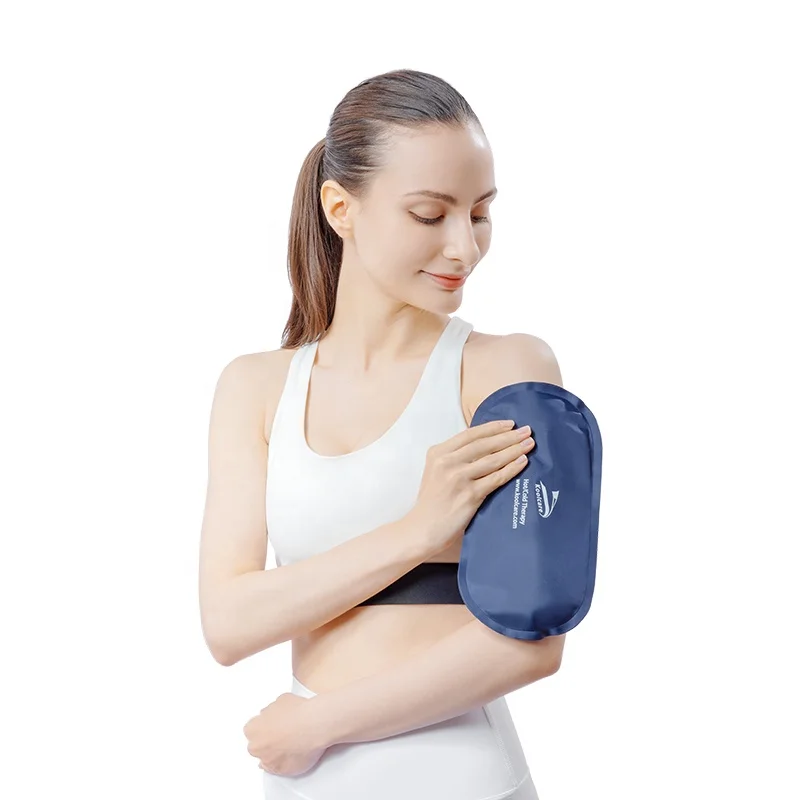
Ang epekto ng temperature therapy sa paggaling mula sa operasyon ay lubos nang na-document sa literaturang medikal. Ang cold therapy ay tumutulong sa pagbawas ng pamamaga, pagpapaliit ng pagbuo ng sipon, at pagbibigay ng analgesic effect sa panahon ng acute phase ng paggaling. Samantala, ang heat therapy ay nagpapabuti ng sirkulasyon, nagpapaluwag ng mga kalamnan, at tumutulong sa pagpapalawak ng flexibility ng tissue habang umuunlad ang paggaling. Ang pag-unawa kung kailan at paano ilalapat ang bawat therapeutic modality ay maaaring makaimpluwensya nang malaki sa mga resulta ng paggaling at sa antas ng kumportableng nararamdaman ng pasyente.
Pag-unawa sa Mekanismo ng Temperature Therapy
Mga Benepisyo ng Cold Therapy sa Post-Surgical Care
Ang aplikasyon ng cold therapy gamit ang isang de-kalidad hot cold pack nagdudulot ng vasoconstriction, na binabawasan ang daloy ng dugo patungo sa apektadong lugar at pinipigilan ang mga pangkalahatang tugon sa pamamaga. Ang pisikal na tugon na ito ay tumutulong sa pagkontrol ng pamamaga matapos ang operasyon at nagbibigay ng likas na pampawi ng sakit sa pamamagitan ng pagpapakalma sa mga nerve ending. Ang paggamit ng cold therapy ay lalo pang kapaki-pakinabang sa unang 48–72 oras pagkatapos ng mga prosedurang pang-operasyon kung kailan umuusbong ang pamamaga.
Inirerekomenda ng mga propesyonal na gabay sa medisina na ang bawat sesyon ng cold therapy ay dapat magtagal ng 15–20 minuto, na may mga agwat na hindi bababa sa 20 minuto sa pagitan ng bawat aplikasyon. Ang protocol na ito ay nagpapigil sa pinsala sa tissue habang pinapakamaximize ang mga terapeutikong benepisyo. Ang paulit-ulit na paggamit ng isang maaasahang hot cold pack sa panahong ito na kritikal ay maaaring bawasan ang pangangailangan sa farmaseutikal na pamamahala ng sakit at paakselerahan ang unang yugto ng paggaling.
Mga Aplikasyon ng Heat Therapy sa Paggaling
Ang heat therapy ay naging mas mahalaga habang ang mga lugar ng operasyon ay nagsisimulang gumaling at ang mga pasyente ay lumilipat mula sa akutong pag-aaruga patungo sa mga yugto ng rehabilitation. Ang mainit na temperatura na inilalapat sa pamamagitan ng isang terapeutikong hot cold pack magpataas ng vasodilasyon, pumapalakas ng daloy ng dugo at nagdadala ng mahahalagang nutrisyon sa mga nakakagaling na tissue. Ang mapalawak na sirkulasyon na ito ay sumusuporta sa mga proseso ng pagkakabuo muli ng selula at tumutulong na pigilan ang pagbuo ng sikatrizadong tissue.
Ang paggamit ng heat therapy ay nagbibigay din ng benepisyo sa pagrelaks ng kalamnan, na binabawasan ang tensyon at mga espasmo na karaniwang nangyayari sa panahon ng paggaling. Madalas na nararanasan ng mga pasyente ang pagbuti ng saklaw ng galaw at pagbaba ng pagkakabigat kapag isinasama nila ang regular na sesyon ng heat therapy sa kanilang mga programa sa rehabilitasyon. Isang versatile hot cold pack ay nagpapahintulot ng maayos na transisyon sa pagitan ng iba’t ibang uri ng temperatura habang umuunlad ang paggaling.
Mga Pangunahing Pamantayan sa Pagpili ng mga Pack na Medikal ang Kalidad
Mga Pamantayan sa Kalidad ng Materyal at Kaligtasan
Pagpili ngkoproporsyonal na hot cold pack ay nangangailangan ng maingat na pagsusuri sa komposisyon ng materyales at mga pamantayan sa paggawa. Ang mga gel formulation na medikal ang kalidad ay nananatiling pare-pareho ang temperatura habang nananatiling nababaluktot sa iba’t ibang antas ng init. Ang mataas na kalidad na materyales ay tumutol sa pagpupuncture at nananatiling buo sa paulit-ulit na paggamit, na nagtitiyak ng pangmatagalang katiyakan para sa mahabang panahon ng paggaling.
Ang mga sertipiko sa kaligtasan at pagkakasunod-sunod sa regulasyon ay nagpapahiwatig na ang hot cold pack ay sumusunod sa itinatag na mga pamantayan para sa mga medikal na kagamitan. Hanapin ang mga produkto na dumaan sa pagsusuri ng biokompatibilidad at nagpapakita ng mga pormulang gel na hindi nakakalason. Ang mga hakbang na ito sa kaligtasan ay lalo pang mahalaga para sa mga aplikasyon matapos ang operasyon, kung saan maaaring tumaas ang sensitibidad ng balat at kinakailangan ang mahabang panahon ng kontak.
Pag-iingat at Pagkakapareho ng Temperatura
Ang epektibong mga resulta sa terapiya ay nakasalalay sa pare-parehong pag-iingat ng temperatura sa buong sesyon ng paggamot. Ang isang de-kalidad na hot cold pack ay dapat panatilihing nasa terapeutikong temperatura sa inirerekomendang tagal ng paggamot na 15–20 minuto nang walang malaking pagbabago sa temperatura. Ang ganitong pagkakapareho ay nagsisiguro ng optimal na benepisyong terapeutiko at pinipigilan ang kailangang paulit-ulit na pagpainitin o pagyelo muli habang ginagamot.
Mga advanced na pormulang gel sa mga premium hot cold pack ang mga produkto ay nagbibigay ng extended na pag-iingat ng temperatura habang pinapanatili ang kahutukan. Ang kombinasyong ito ay nagpapahintulot sa pack na sumunod sa mga kontur ng katawan habang nagdadala ng pare-parehong terapeutikong temperatura. Ang kakayahang panatilihin ang matatag na temperatura ay nababawasan ang mga interupsiyon sa paggamot at pinalalakas ang kabuuang epekto ng terapiya.
Mga Pag-iisip Tungkol sa Laki at Saklaw
Pagsasaayos Ayon sa Anatomiya at mga Area ng Aplikasyon
Ang mga dimensyon ng isang hot cold pack ay may malaking epekto sa kanyang terapeutikong epekto para sa mga tiyak na surgical na site. Ang mas malalaking pack ay nagbibigay ng komprehensibong saklaw para sa malalawak na surgical na lugar tulad ng mga prosedura sa likod o malalaking joint replacement. Ang mas maliit at mas nakatuon na mga pack ay nag-ooffer ng tiyak na aplikasyon para sa lokal na prosedura o mga lugar na nangangailangan ng nakatuon na paggamot.
Isaisip ang mga tiyak na pangangailangan sa anatomiya ng iyong paggaling kapag pipiliin ang mga dimensyon ng pack. Ang isang maayos na fit hot cold pack nagpapatiyak ng pantay na distribusyon ng temperatura sa buong lugar ng paggamot habang pinapanatili ang komportableng kontak sa ibabaw ng balat. Ang tamang sukat ay nagpipigil din sa pagkawala ng init o lamig sa paligid ng mga gilid ng pack, na nagmamaksima sa kahusayan ng terapiya.
Mga Katangian ng Kabilisang Pag-unlad at Pag-aangkop
Ang terapiyang post-surgical ay nangangailangan ng mga device na terapeutiko na umaangkop sa mga galaw ng katawan at sa mga pagbabago sa posisyon. Ang isang flexible hot cold pack ay nananatiling nakakontak sa terapiya kahit kapag binabago ng mga pasyente ang kanilang posisyon o kumikilos sa mga inirerekomendang ehersisyo para sa paggalaw. Ang ganitong kakayahang umangkop ay mahalaga upang mapanatili ang pare-parehong terapiya sa loob ng mahabang sesyon ng paggamot.
Modernong hot cold pack ang mga disenyo ay sumasali sa mga advanced na materyales na nananatiling manipis sa iba’t ibang saklaw ng temperatura. Ang kabilisang pag-unlad na ito ay nagbibigay-daan sa pack na umangkop sa mga kurba ng katawan tulad ng balikat, tuhod, o rehiyon ng likod na hindi nagdudulot ng pressure points o mga puwang sa takip. Ang mas mataas na antas ng pag-aangkop ay nagreresulta sa mas mahusay na resulta ng terapiya at komportableng pakiramdam ng pasyente.
Mga Sistema ng Pag-wrap at Pag-seguro
Mga Katangian ng Adjustable na Compression
Ang epektibong terapiya sa temperatura ay kadalasang nangangailangan ng pare-parehong presyon ng kontak upang mapabuti ang paglipat ng init o lamig sa mga nakalalim na tissue. Ang kalidad hot cold pack ng mga sistema ay may mga pananggalawgaw na mekanismo na nagbibigay ng nababagong antas ng kompresyon batay sa indibidwal na kaginhawahan at mga pangangailangan sa terapiya. Ang mga sistemang ito ay nagtiyak ng ligtas na posisyon nang hindi pinipigilan ang sirkulasyon o nagdudulot ng kakaiba.
Ang mga sistemang pang-propesyonal na pananggalawgaw ay sumasaklaw sa iba’t ibang sukat at hugis ng katawan habang pinapanatili ang terapeutikong presyon ng kontak. Ang kakayahang i-adjust ang antas ng kompresyon ay nagpapahintulot sa mga pasyente na i-optimize ang epekto ng terapiya habang umuunlad ang kanilang paggaling at nagbabago ang kanilang antas ng sensitibidad. Ang isang maayos na disenyo ng hot cold pack sistemang pananggalawgaw ay nagpapabuti sa pagsunod sa terapiya at sa mga resulta nito.
Mga Kadahilanan sa Kaginhawahan at Pagkilos
Ang mga panahon ng paggaling ay kadalasang nangangailangan ng mahabang sesyon ng terapiya habang pinapanatili ang araw-araw na gawain sa loob ng mga medikal na restriksyon. Ang isang portable hot cold pack ang sistema na may ligtas na pagbabalot ay nagpapahintulot sa mga pasyente na ipagpatuloy ang kanilang terapiya habang nakikilahok sa mga pinapayagan na galaw o gawain. Ang suportang ito para sa mobility ay nagpapabuti ng pagsunod sa terapiya at isinasama nang maayos ang paggamot sa mga rutina ng paggaling.
Ang hands-free na operasyon sa pamamagitan ng epektibong mga sistema ng pagbabalot ay nagpapahintulot sa mga pasyente na maisagawa ang iba pang mga gawain sa paggaling habang natatanggap ang terapiya sa temperatura. Ang kadalian ng paggamit na ito ay lubos na nagpapabuti sa antas ng pagsunod sa terapiya at nagbibigay-daan sa mas madalas na aplikasyon ng paggamot. Isang user-friendly hot cold pack na sistema ang nag-aalis ng mga hadlang sa pare-parehong aplikasyon ng terapiya.
Katatagan at mga Rekomendasyon sa Paggamit
Mga Pamantayan sa Pangmatagalang Pagganap
Ang paggaling matapos ang operasyon ay kadalasang umaabot sa ilang linggo o buwan, na nangangailangan ng maaasahang kagamitan sa terapiya sa buong proseso ng paggaling. Isang matibay na hot cold pack ay nananatiling epektibo sa daan-daang mga siklo ng pag-init at paglamig nang hindi nawawala ang kakayahang magpanatili ng temperatura o ang integridad ng materyales. Ang katatagan nito ay nagtiyak ng pare-parehong availability ng terapiya sa buong panahon ng paggaling.
Ang mga materyales na may mataas na kalidad sa paggawa ay tumututol sa karaniwang mga kadahilanan ng pagsuot tulad ng paulit-ulit na pagbabago ng temperatura, stress dulot ng pag-compress, at mga proseso ng paglilinis. Ang pag-invest sa isang matibay na hot cold pack ay nagbibigay ng pangmatagalang halaga at inaalis ang pangangailangan ng pagpapalit habang nasa kritikal na panahon ng paggaling. Ang maaasahang kagamitan ay sumusuporta sa walang kupas na mga skedyul ng terapiya at sa optimal na mga resulta ng paggaling.
Mga Protokol sa Kaliwanagan at Paglilinis
Ang pag-aalaga pagkatapos ng operasyon ay nangangailangan ng mahigpit na pansin sa kaliwanagan at sa mga protokol laban sa impeksyon. Isang medikal na antas na hot cold pack ay dapat may mga materyales na sumusuporta sa regular na paglilinis at pagdesinpekt ngunit hindi nawawala ang kanyang pagganap. Ang mga ibabaw na madaling linisin at ang antimicrobial na katangian ay tumutulong na panatilihin ang esteril na kondisyon habang ginagamit sa mga aplikasyon ng terapiya.
Ang tamang mga protokol sa pagpapanatili ay nagpapahaba ng buhay-paggamit ng mga kagamitang pang-terapiya habang tiyak na ligtas ang paggamit nito sa buong proseso ng paggaling. Hanapin ang hot cold pack mga produkto na kasama ang komprehensibong mga instruksyon para sa paglilinis at nagrerekomenda ng angkop na mga pamamaraan para sa pagpapakalinis. Ang atensyong ito sa kalinisan ay sumusuporta sa pag-iwas sa impeksyon at nagpapromote ng ligtas na kapaligiran para sa paggaling.
Mga Propesyonal na Rekomendasyon at Medikal na Pag-apruba
Konsultasyon sa Tagapagbigay ng Pangangalagang Pangkalusugan
Ang pagpili ng angkop na kagamitan para sa terapiyang temperatura ay dapat isama ang konsultasyon sa mga tagapagbigay ng pangangalagang pangkalusugan na pamilyar sa iyong tiyak na operasyon at mga kinakailangan sa paggaling. Ang mga propesyonal sa medisina ay maaaring magbigay ng gabay tungkol sa pinakamainam na hot cold pack mga teknikal na detalye batay sa lokasyon ng operasyon, kahirapan ng prosedura, at mga indibidwal na kadahilanan sa paggaling. Ang input na ito mula sa propesyonal ay nagsisiguro na ang terapiya ay umaayon sa kabuuang plano para sa paggaling.
Ang mga tagapagbigay ng pangangalagang pangkalusugan ay maaaring irekomenda ang mga tiyak na brand o mga tampok batay sa kanilang klinikal na karanasan at mga resulta mula sa mga pasyente. Ang kanilang mga rekomendasyon ay kadalasang sumasalamin sa napatunayang epekto sa mga katulad na sitwasyon sa paggaling at maaaring gabayan ang pagpili patungo sa pinakaepektibong hot cold pack mga opsyon. Ang propesyonal na gabay ay tumutulong upang maiwasan ang mga produkto na maaaring hindi sumasapat sa mga pamantayan ng medikal na antas o mga pangangailangan sa terapiya.
Integrasyon sa mga Protokol sa Pagbangon
Ang epektibong pagbangon matapos ang operasyon ay nangangailangan ng koordinadong aplikasyon ng maraming modalidad ng terapiya, kabilang ang gamot, pisikal na terapiya, at mga paggamot na may kaugnayan sa temperatura. Ang isang compatible na hot cold pack sistema ay dapat maisasama nang maayos sa iba pang iniresetang gawain sa pagbangon nang walang anumang konlikto sa oras ng pagpaplano o pagkakaroon ng pagkakagulo sa paggamot.
Isipin kung paano isinasama ang mga sesyon ng terapiya sa temperatura sa kabuuang kronolohiya ng pagbangon at kung paano ito koordinado sa iba pang iniresetang paggamot. Ang napiling hot cold pack dapat suportahan ang flexible na pagpaplano ng oras at magbigay-daan sa madaling integrasyon kasama ang mga ehersisyo sa pisikal na terapiya, mga prosedura sa pangangalaga sa sugat, at mga oras ng pag-inom ng gamot. Ang ganitong kompatibilidad ay nag-optimise sa kabuuang kahusayan at resulta ng pagbangon.
FAQ
Gaano katagal dapat gamitin ang hot cold pack matapos ang operasyon
Ang tagal ng therapy sa temperatura ay nakasalalay sa iyong tiyak na prosedurang pang-operasyon at yugto ng paggaling. Sa pangkalahatan, ang mga sesyon ng cold therapy ay dapat tumagal ng 15–20 minuto sa unang 48–72 oras pagkatapos ng operasyon, na may kahit 20-minutong agwat sa bawat aplikasyon. Maaaring gamitin ang heat therapy sa katulad na tagal kapag nawala na ang pamamaga, karaniwang pagkatapos ng unang ilang araw. Sundin palagi ang tiyak na rekomendasyon ng iyong healthcare provider para sa iyong sitwasyon, dahil maaaring kailanganin ang pagbabago sa oras o dalas para sa ilang prosedura. Pantayan ang kalagayan ng iyong balat habang nasa therapy at itigil ang paggamit kung mararanasan mo ang labis na pagkakabulag-bulag, panginginig, o pagbabago sa kulay ng balat.
Maaari ba akong gamitin ang parehong hot-cold pack para sa parehong heat at cold therapy?
Oo, ang karamihan sa mga de-kalidad na terapeutikong pack ay idinisenyo para sa dalawang layunin—mabilis na maglipat mula sa mainit hanggang sa malamig na aplikasyon habang nagbabago ang mga pangangailangan sa paggaling. Ang mga versatile na pack na ito ay maaaring mainitan sa mainit na tubig o sa microwave at mapalamig sa freezer o refrigerador. Gayunpaman, bigyan ng sapat na oras ang pagitan ng bawat pagbabago ng temperatura upang maiwasan ang biglaang stress sa mga terapeutikong materyales. Linisin nang lubusan ang pack sa pagitan ng bawat aplikasyon ng iba’t ibang temperatura, lalo na sa panahon ng post-surgical care kung saan napakahalaga ang pag-iwas sa impeksyon. Siguraduhing ang napiling pack ay may tiyak na pahayag na may kakayahang gamitin sa parehong mainit at malamig na temperatura, at sundin ang mga instruksyon ng tagagawa para sa ligtas na transisyon ng temperatura.
Anong saklaw ng temperatura ang ligtas para sa post-surgical therapy?
Ang ligtas na terapeutikong temperatura ay karaniwang nasa hanay na 50–60°F (10–15°C) para sa cold therapy at 104–113°F (40–45°C) para sa heat therapy. Ang mga hanay na ito ay nagbibigay ng mga benepisyong terapeutiko habang pinabababa ang panganib ng pinsala sa tissue o thermal injury. Ang balat pagkatapos ng operasyon ay maaaring mas sensitibo kaysa sa normal na tissue, kaya naman simulan ang paggamit ng katamtamang temperatura at ayusin batay sa antas ng kumportable mong pakiramdam. Huwag kailanman ilagay ang yelo nang direkta sa balat o gamitin ang mga temperatura sa pagpapainit na nagdudulot ng kawalan ng kumportable o pananakit na pakiramdam. Subukan muna ang temperatura ng pack sa balat na hindi apektado bago ilagay sa mga lugar ng operasyon, at lagyan palaging ng manipis na barrier tulad ng tela ang pagitan ng pack at ng sensitibong balat pagkatapos ng operasyon.
Paano ko malalaman kung kailan dapat magpalit mula sa cold therapy patungo sa heat therapy
Ang paglipat mula sa malamig na terapiya patungo sa mainit na terapiya ay karaniwang nangyayari kapag nawawala na ang matinding pananakit, kadalasan ay 48–72 oras pagkatapos ng operasyon, bagaman ang eksaktong oras ay nakadepende sa uri ng prosedura at sa bilis ng paggaling ng bawat indibidwal. Ang malamig na terapiya ay pinakabenefisyal kapag malinaw ang pamamaga at pananakit, samantalang ang mainit na terapiya ay naging angkop kapag ang pangunahing problema ay ang pagkakabulok at tensyon ng kalamnan. Ang mga palatandaan na ikaw ay handa na para sa mainit na terapiya ay kasama ang nabawasang pamamaga, kaunting likido na lumalabas mula sa lugar ng operasyon, at ang pinal na pahintulot mula sa iyong tagapagbigay ng pangangalagang pangkalusugan. May ilang pasyente na nakikinabang sa pagpapalit-palit ng dalawang temperatura sa huling yugto ng paggaling. Konsultahin lagi ang iyong surgeon o physical therapist bago gawin ang transisyon na ito, dahil ang maagang paggamit ng init ay maaaring dagdagan ang pananakit at mapabagal ang proseso ng paggaling.
Talaan ng mga Nilalaman
- Pag-unawa sa Mekanismo ng Temperature Therapy
- Mga Pangunahing Pamantayan sa Pagpili ng mga Pack na Medikal ang Kalidad
- Mga Pag-iisip Tungkol sa Laki at Saklaw
- Mga Sistema ng Pag-wrap at Pag-seguro
- Katatagan at mga Rekomendasyon sa Paggamit
- Mga Propesyonal na Rekomendasyon at Medikal na Pag-apruba
-
FAQ
- Gaano katagal dapat gamitin ang hot cold pack matapos ang operasyon
- Maaari ba akong gamitin ang parehong hot-cold pack para sa parehong heat at cold therapy?
- Anong saklaw ng temperatura ang ligtas para sa post-surgical therapy?
- Paano ko malalaman kung kailan dapat magpalit mula sa cold therapy patungo sa heat therapy