 EN
EN
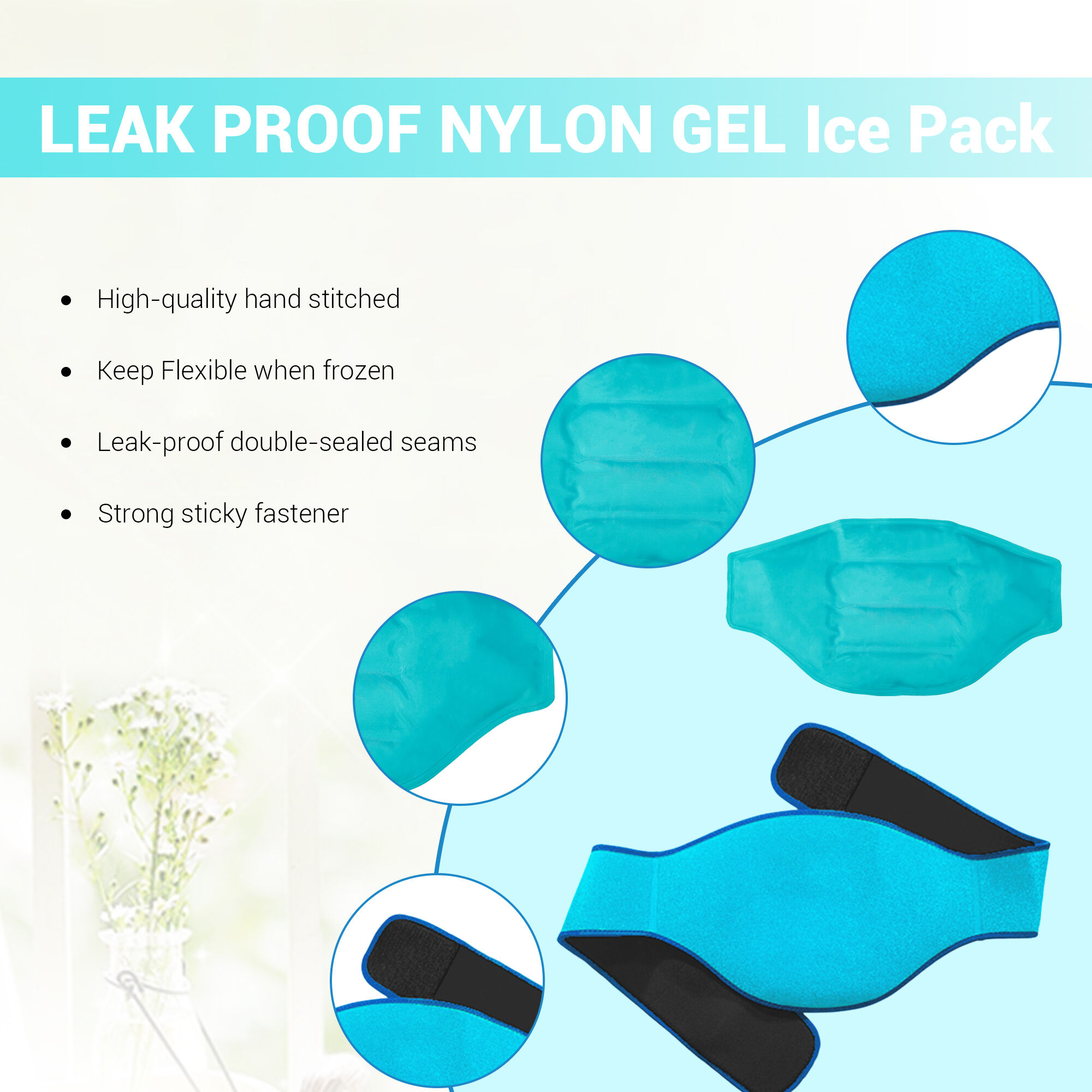
Understanding the appropriate use of cold therapy across different age groups is essential for safe and effective treatment of various conditions. Cold compresses have been a trusted medical intervention for centuries, offering relief from pain, inflammation, and fever reduction across diverse populations. However, the application methods, duration, and safety considerations vary significantly depending on the age and physical condition of the individual receiving treatment.
The physiological responses to cold therapy differ markedly between infants, children, adults, and elderly individuals. These variations stem from differences in skin thickness, subcutaneous fat distribution, circulatory efficiency, and thermoregulatory mechanisms. Medical professionals consistently emphasize the importance of age-appropriate cold therapy protocols to maximize therapeutic benefits while minimizing potential risks and complications.
Modern healthcare approaches recognize that cold therapy applications must be tailored to specific developmental stages and physical characteristics. This comprehensive understanding ensures that patients receive optimal treatment outcomes while maintaining the highest safety standards throughout the therapeutic process.
Infant and Newborn Considerations
Physiological Vulnerabilities in Early Development
Newborns and infants under six months require exceptionally careful consideration when implementing cold therapy interventions. Their immature thermoregulatory systems make them particularly susceptible to rapid temperature changes and potential hypothermia risks. The thin skin barrier and limited subcutaneous fat provide minimal insulation against extreme temperature exposure.
Healthcare providers typically recommend avoiding direct cold application to infants under three months unless specifically prescribed by a pediatrician. The underdeveloped nervous system responses in newborns can mask early warning signs of tissue damage or excessive cooling. Additionally, infants cannot communicate discomfort effectively, making monitoring for adverse reactions more challenging for caregivers.
Professional medical supervision becomes crucial when considering cold therapy for this vulnerable population. Specialized pediatric protocols often involve modified temperature ranges, shortened application periods, and continuous monitoring to ensure safe therapeutic outcomes.
Safe Application Methods for Infants
When cold therapy becomes medically necessary for infants, healthcare professionals employ specific techniques designed to minimize risks while providing therapeutic benefits. Lukewarm compresses rather than cold applications often serve as safer alternatives for fever reduction in very young children. The temperature differential should remain minimal to prevent shock responses or rapid core temperature changes.
Barrier protection using soft cloth layers prevents direct skin contact with cold surfaces, reducing the risk of frostbite or tissue damage. Application times rarely exceed five to ten minutes, with frequent monitoring for skin color changes, breathing patterns, and general responsiveness. These precautionary measures ensure that therapeutic benefits occur without compromising infant safety or comfort.
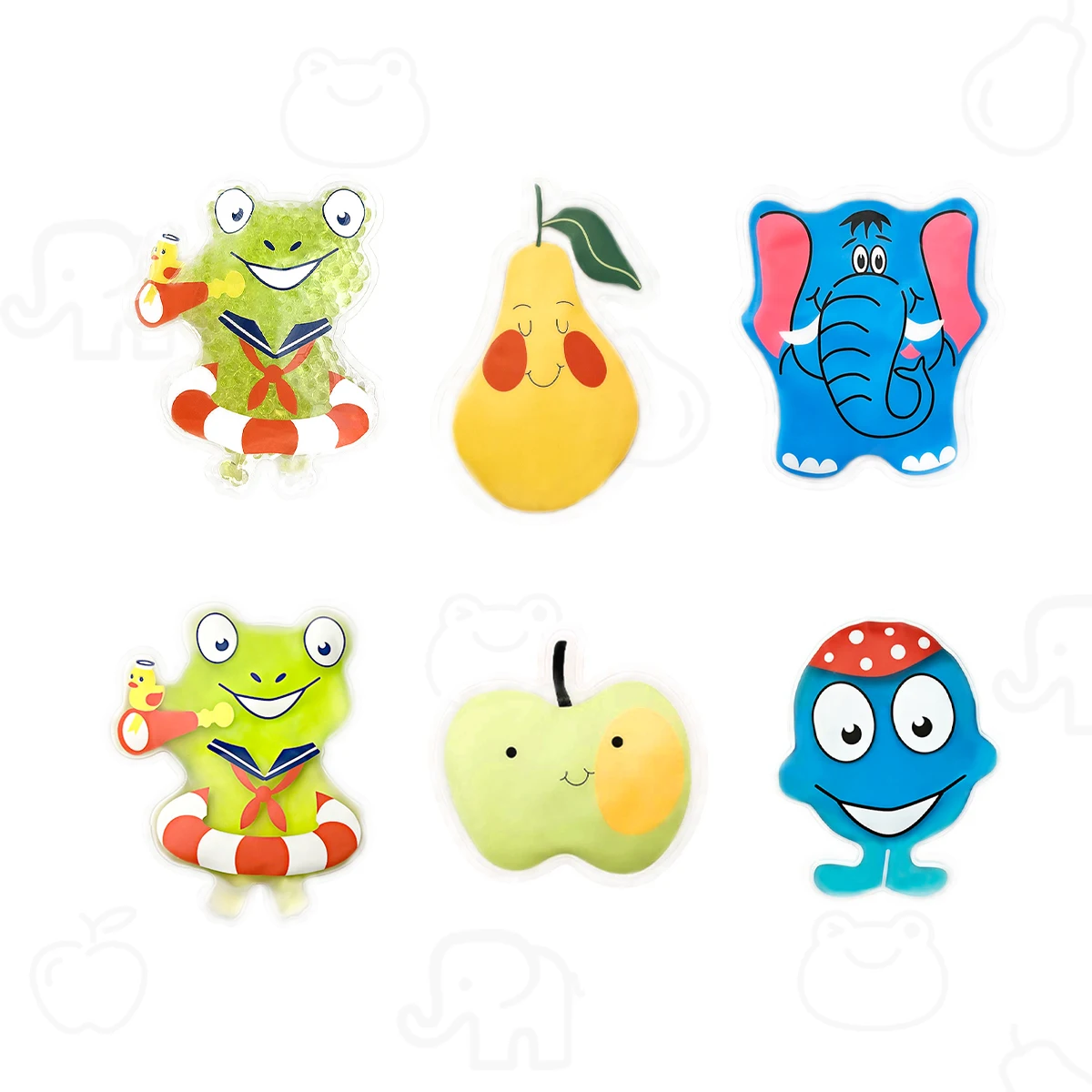
Specialized pediatric cold therapy products designed specifically for infant use incorporate safety features such as temperature control mechanisms and soft, flexible materials that conform to small body contours while maintaining appropriate cooling levels.
Childhood Cold Therapy Applications
Developmental Considerations for Toddlers and Preschoolers
Children between ages two and five demonstrate improved thermoregulatory capabilities compared to infants, yet still require modified cold therapy approaches. Their increased mobility and curiosity can complicate treatment adherence, making supervision and engagement strategies essential components of successful therapy sessions. The developing communication skills allow for basic comfort assessment, though nonverbal cues remain important indicators of treatment tolerance.
Skin sensitivity in this age group varies considerably, with some children showing heightened responses to temperature changes while others demonstrate remarkable tolerance. Individual assessment becomes crucial for determining appropriate cold therapy parameters and monitoring requirements during treatment sessions.
Psychological factors play significant roles in childhood cold therapy acceptance. Fear responses, previous medical experiences, and natural developmental anxiety can influence treatment effectiveness and cooperation levels during therapeutic interventions.
School-Age Children and Cold Therapy Protocols
Elementary and middle school-aged children typically demonstrate improved capacity for understanding and cooperating with cold therapy treatments. Their mature communication abilities enable better feedback regarding comfort levels, pain relief, and treatment preferences. However, active lifestyles and sports participation often increase the frequency of injuries requiring cold therapy interventions.
Educational approaches help children understand the therapeutic benefits of cold compresses while building confidence in self-application techniques under adult supervision. This knowledge empowers young patients to participate actively in their recovery processes while developing healthy coping mechanisms for managing discomfort and minor injuries.
Safety education becomes particularly important as children gain independence in managing their healthcare needs. Teaching proper application techniques, timing guidelines, and warning signs of adverse reactions promotes responsible self-care practices that extend into adolescence and adulthood.
Adult Cold Therapy Applications
Optimal Treatment Protocols for Healthy Adults
Healthy adults between ages eighteen and sixty-five typically demonstrate excellent tolerance for standard cold therapy protocols. Their fully developed thermoregulatory systems, mature skin barriers, and adequate subcutaneous insulation provide natural protection against most cold-related complications. Standard application times of fifteen to twenty minutes allow for optimal therapeutic penetration while maintaining safety margins.
Adult applications commonly address acute injuries, post-exercise recovery, chronic pain management, and inflammatory conditions. The versatility of cold therapy in adult populations enables treatment customization based on specific medical needs, lifestyle factors, and personal preferences for delivery methods and timing schedules.
Professional athletes and active individuals often incorporate cold therapy as routine components of training and recovery regimens. These applications require specialized knowledge of timing, intensity, and combination with other therapeutic modalities to maximize performance benefits and injury prevention outcomes.
Workplace and Emergency Applications
Occupational health programs frequently utilize cold therapy protocols for managing workplace injuries and preventing secondary complications from trauma or overuse conditions. First aid training emphasizes immediate cold application techniques for controlling swelling, reducing pain, and stabilizing injured tissues until professional medical evaluation becomes available.
Emergency response situations benefit from portable cold therapy solutions that provide immediate relief while maintaining sterile conditions and preventing cross-contamination between patients. These applications require standardized protocols that ensure consistent treatment quality regardless of environmental conditions or available resources.
Industrial environments with high injury risks often maintain specialized cold therapy equipment designed for rapid deployment and ease of use by minimally trained personnel. These systems prioritize safety features and fool-proof operation to prevent misapplication during high-stress emergency situations.
Elderly Population Considerations
Age-Related Physiological Changes
Adults over sixty-five experience significant physiological changes that affect cold therapy tolerance and safety parameters. Reduced circulation efficiency, thinning skin, decreased subcutaneous fat, and compromised thermoregulatory responses increase vulnerability to cold-related complications. These age-related changes necessitate modified protocols with shorter application times and warmer temperature ranges.
Medication interactions become increasingly important considerations in elderly cold therapy applications. Many common medications affect circulation, sensation, and temperature regulation, potentially masking warning signs of tissue damage or excessive cooling. Comprehensive medication reviews help identify potential contraindications and necessary protocol modifications.
Cognitive changes associated with aging can impact treatment compliance and self-monitoring capabilities. Simplified instructions, visual aids, and caregiver involvement often become necessary components of safe and effective cold therapy programs for older adults.
Safety Modifications for Senior Applications
Geriatric cold therapy protocols typically incorporate additional safety measures such as frequent skin assessments, temperature monitoring, and shortened application periods. Barrier protection becomes more critical due to fragile skin that tears easily and heals slowly following injury or irritation.
Caregiver education plays vital roles in elderly cold therapy success. Family members and healthcare assistants must understand modified protocols, warning signs of complications, and appropriate response procedures for adverse reactions. This knowledge ensures continuous safety monitoring even when professional healthcare providers are not immediately available.
Specialized equipment designed for elderly users often features larger controls, clearer instructions, and automatic safety shutoffs to prevent excessive exposure. These design considerations accommodate common age-related changes in dexterity, vision, and cognitive processing that might otherwise compromise treatment safety or effectiveness.
Medical Contraindications Across Age Groups
Circulatory and Neurological Conditions
Certain medical conditions create contraindications for cold therapy regardless of patient age. Peripheral vascular disease, diabetes with neuropathy, and Raynaud phenomenon significantly increase risks of tissue damage from cold exposure. These conditions impair normal protective responses and circulation patterns necessary for safe cold therapy applications.
Neurological conditions affecting sensation or cognitive function require careful evaluation before implementing cold therapy protocols. Patients with spinal cord injuries, stroke-related deficits, or peripheral neuropathy may not detect early warning signs of excessive cooling or tissue damage, necessitating external monitoring and modified application parameters.
Autoimmune disorders and connective tissue diseases can create unpredictable responses to cold therapy. These conditions often involve systemic inflammation, compromised healing responses, and medication interactions that complicate standard treatment protocols and require specialized medical oversight.
Medication and Treatment Interactions
Numerous medications affect cold therapy safety and effectiveness across all age groups. Blood thinners, vasodilators, and certain psychiatric medications can alter circulation patterns and temperature regulation, potentially increasing risks of complications or reducing therapeutic benefits. Comprehensive medication reviews become essential components of pre-treatment assessments.
Chemotherapy treatments and radiation therapy often create skin sensitivity and healing impairments that contraindicate standard cold therapy protocols. Cancer patients require specialized approaches that account for compromised immune function, tissue fragility, and potential interaction with ongoing treatment regimens.
Topical medications and recent cosmetic procedures can create unexpected reactions when combined with cold therapy applications. These interactions may result in increased absorption, altered effectiveness, or adverse skin reactions that complicate recovery processes and potentially cause additional medical complications.
FAQ
Can babies under six months safely use cold compresses
Babies under six months should not receive direct cold compress applications due to their immature thermoregulatory systems and increased risk of hypothermia. Healthcare providers recommend lukewarm compresses or professional medical consultation for fever reduction in very young infants. Always consult your pediatrician before applying any cold therapy to newborns or young infants.
How long should children keep cold compresses applied
Children should typically use cold compresses for shorter durations than adults, usually ranging from five to fifteen minutes depending on their age and the specific condition being treated. Toddlers and preschoolers require closer supervision and shorter application times, while school-age children can generally tolerate standard fifteen-minute sessions with proper instruction and monitoring.
Are there special considerations for elderly patients using cold therapy
Elderly patients require modified cold therapy protocols due to age-related changes in circulation, skin thickness, and temperature regulation. Shorter application times, warmer temperatures, and additional barrier protection help prevent complications. Medication interactions and cognitive factors also need consideration, often requiring caregiver assistance and more frequent monitoring during treatment sessions.
What medical conditions prevent safe cold compress use
Several medical conditions contraindicate cold compress use, including peripheral vascular disease, diabetes with neuropathy, Raynaud phenomenon, and certain neurological disorders affecting sensation. Patients with compromised circulation, recent surgeries, or those taking specific medications should consult healthcare providers before beginning cold therapy treatments to ensure safety and appropriate protocol modifications.