 EN
EN
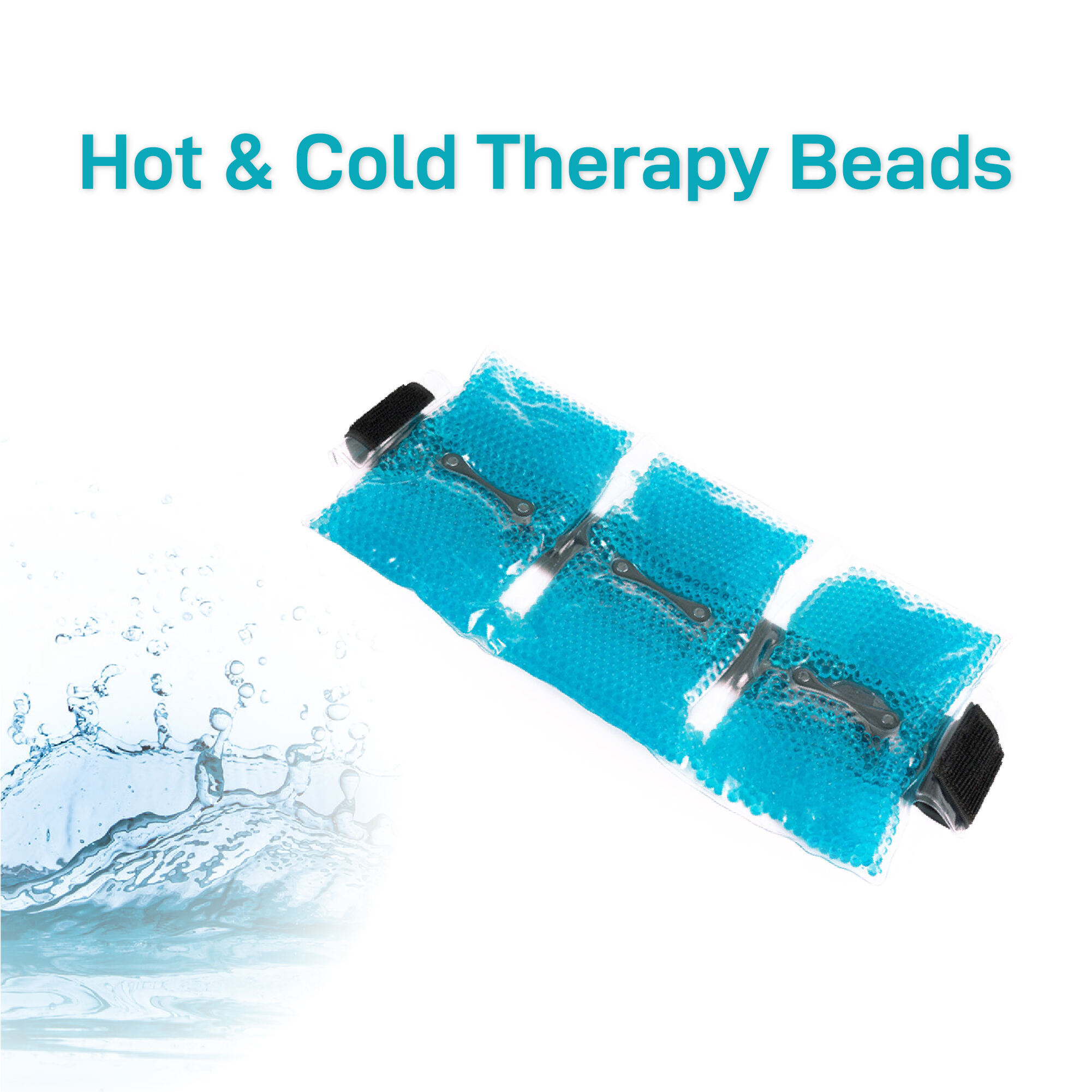
When dealing with swelling from injuries, inflammation, or post-surgical recovery, proper application of therapeutic cooling treatments becomes essential for effective pain management and healing acceleration. Understanding the correct techniques for applying cooling therapy can significantly impact recovery outcomes and provide optimal relief. Professional healthcare providers consistently recommend specific protocols to maximize therapeutic benefits while ensuring patient safety during treatment sessions.
Understanding Cold Therapy Fundamentals
Physiological Effects of Cold Application
Cold therapy works through vasoconstriction, which reduces blood flow to injured tissues and minimizes inflammatory responses. When applied correctly, therapeutic cooling decreases cellular metabolism in the affected area, reducing oxygen demand and preventing secondary tissue damage. The application creates a numbing effect that blocks pain signals from reaching the brain, providing immediate relief for patients experiencing discomfort from various conditions.
Temperature reduction in tissues also helps control enzymatic reactions that contribute to inflammation and swelling. Medical research demonstrates that consistent cooling applications can reduce prostaglandin production, which directly correlates with decreased pain sensation and improved healing rates. Healthcare professionals utilize these physiological principles to develop effective treatment protocols for acute injuries and chronic inflammatory conditions.
Optimal Temperature Ranges for Therapeutic Cooling
Effective cooling therapy requires maintaining specific temperature ranges to achieve therapeutic benefits without causing tissue damage. Professional-grade cooling products typically maintain temperatures between 50-60 degrees Fahrenheit during application periods. This temperature range provides sufficient cooling to achieve vasoconstriction while preventing frostbite or other cold-related injuries to sensitive skin tissues.
Healthcare facilities monitor cooling temperatures carefully to ensure patient safety during extended treatment sessions. Proper temperature control becomes particularly important when treating elderly patients or individuals with compromised circulation, as these populations show increased sensitivity to extreme temperatures. Medical-grade cooling systems incorporate temperature regulation features to maintain consistent therapeutic ranges throughout treatment periods.
Proper Application Techniques and Timing
Step-by-Step Application Methods
Successful cooling therapy begins with proper preparation of both the treatment area and the cooling device. Clean the affected skin thoroughly and inspect for any open wounds, cuts, or areas of compromised skin integrity that might contraindicate direct cooling applications. Position the patient comfortably to ensure the treatment area remains accessible throughout the entire session without causing additional strain or discomfort.
Apply a thin protective barrier, such as a clean cloth or medical-grade covering, between the cold pack and the patient's skin to prevent direct contact that could lead to cold burns or tissue damage. Secure the cooling device firmly against the swollen area using medical tape or elastic bandaging, ensuring even contact across the entire treatment surface. Monitor the patient's response continuously during the initial application period to identify any adverse reactions or excessive discomfort.
Optimal Duration and Frequency Guidelines
Standard cooling therapy protocols recommend 15-20 minute application periods followed by equal rest intervals to prevent tissue damage from prolonged cold exposure. Healthcare providers typically prescribe 3-4 treatment sessions daily during acute inflammatory phases, with frequency adjustments based on patient response and healing progress. Extended application periods beyond 20 minutes can cause paradoxical vasodilation, reducing the therapeutic effectiveness of the treatment.
Professional medical facilities implement strict timing protocols using digital timers to ensure consistent treatment durations across all patient care scenarios. Documentation of application times, patient responses, and any observed side effects helps healthcare teams optimize treatment plans for individual patient needs. Regular assessment of swelling reduction and pain levels guides decisions about continuing, modifying, or discontinuing cooling therapy interventions.
Safety Considerations and Contraindications
Identifying High-Risk Patient Populations
Certain patient populations require special considerations when implementing cooling therapy protocols due to increased risks of complications or reduced therapeutic effectiveness. Individuals with peripheral vascular disease, diabetes, or Raynaud's phenomenon may experience compromised circulation that increases susceptibility to cold-related injuries. Elderly patients often have thinner skin and reduced sensation, making them more vulnerable to cold burns even with protective barriers in place.
Patients taking medications that affect circulation or sensation, such as beta-blockers or neuropathy medications, require modified cooling protocols with closer monitoring and potentially shorter application periods. Healthcare providers must conduct thorough medical history reviews and physical assessments before initiating cooling therapy to identify potential contraindications or risk factors that might necessitate alternative treatment approaches.
Recognizing and Managing Adverse Reactions
Early recognition of adverse reactions to cooling therapy enables healthcare providers to modify treatment protocols and prevent serious complications. Signs of excessive cold exposure include skin color changes, numbness extending beyond the treatment area, burning sensations, or development of welts or blisters. Patients may also experience increased pain or stiffness that indicates the cooling application is causing more harm than benefit.
Immediate discontinuation of cooling therapy becomes necessary when patients exhibit signs of cold urticaria, allergic reactions, or severe discomfort that doesn't resolve with protocol adjustments. Healthcare teams must document all adverse reactions thoroughly and implement alternative pain management strategies when cooling therapy proves unsuitable for specific patients. Follow-up assessments help determine whether modified cooling protocols might be safely reintroduced at later stages of recovery.
Comparing Different Cold Pack Technologies
Gel-Based vs Traditional Ice Applications
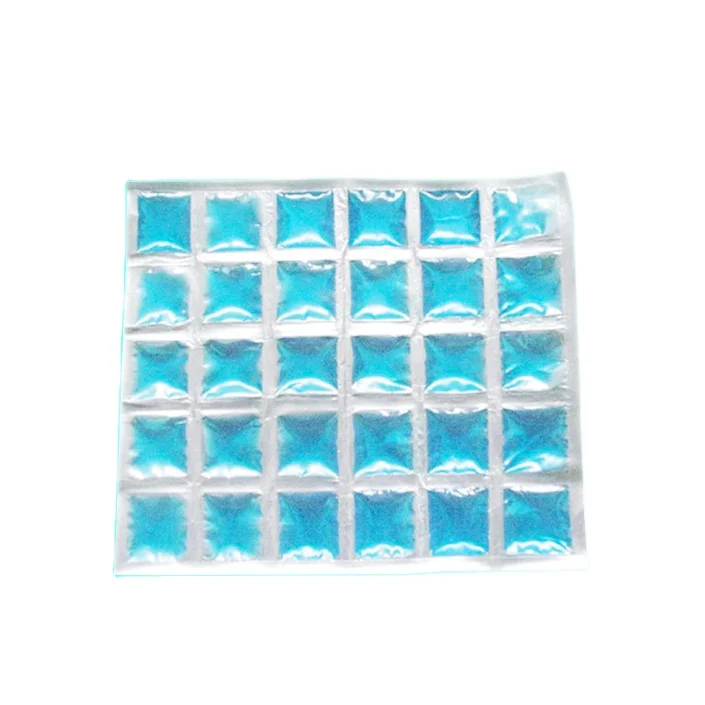
Modern gel-based cooling systems offer several advantages over traditional ice applications, including more consistent temperature maintenance and improved conformability to body contours. Gel formulations remain flexible even at therapeutic temperatures, allowing better contact with irregular surfaces and curved body parts. These systems also eliminate the mess and inconvenience associated with melting ice while providing more predictable cooling duration.
Professional healthcare facilities increasingly prefer gel-based systems because they maintain therapeutic temperatures longer than traditional ice packs, reducing the need for frequent replacements during extended treatment sessions. The controlled cooling rate of gel systems also reduces the risk of rapid temperature drops that might cause patient discomfort or tissue damage. Quality gel cooling products undergo rigorous testing to ensure consistent performance across multiple use cycles.
Instant vs Reusable Cooling Solutions
Instant cooling packs provide immediate accessibility for emergency situations and field applications where refrigeration isn't available, making them valuable for sports medicine and first aid scenarios. These single-use systems activate through chemical reactions that generate consistent cooling temperatures without requiring preparation time. However, their limited duration and environmental impact make them less suitable for ongoing therapeutic applications in clinical settings.
Reusable cooling systems offer superior cost-effectiveness and environmental sustainability for facilities treating multiple patients daily. These systems maintain therapeutic temperatures for extended periods and can be recharged quickly between patient treatments. Professional-grade reusable packs incorporate durable materials designed to withstand repeated freezing and thawing cycles while maintaining consistent therapeutic performance throughout their operational lifespan.
Integration with Comprehensive Treatment Plans
Combining Cold Therapy with Other Modalities
Effective pain management often requires integrating cooling therapy with other evidence-based treatment modalities to achieve optimal patient outcomes. Physical therapy exercises performed after cooling applications can take advantage of reduced pain and muscle spasm to improve range of motion and strength. The numbing effect of cooling therapy creates windows of opportunity for therapeutic interventions that might otherwise be too painful for patient tolerance.
Healthcare providers frequently combine cooling protocols with compression therapy, elevation techniques, and anti-inflammatory medications to create comprehensive treatment approaches. The timing of different interventions becomes crucial, with cooling applications often preceding active therapies to maximize patient comfort and treatment effectiveness. Coordinated care plans ensure all team members understand the sequence and timing of various therapeutic interventions.
Monitoring Treatment Progress and Outcomes
Systematic tracking of treatment responses helps healthcare providers optimize cooling therapy protocols and make evidence-based adjustments to improve patient outcomes. Standardized pain scales, swelling measurements, and functional assessments provide objective data about treatment effectiveness over time. Regular documentation of patient feedback about comfort levels, perceived benefits, and any concerns helps guide protocol modifications.
Healthcare facilities implement quality improvement processes that analyze cooling therapy outcomes across patient populations to identify best practices and areas for protocol enhancement. Data collection about treatment duration, frequency, and patient satisfaction helps facilities refine their cooling therapy programs and train staff in optimal application techniques. Continuous monitoring ensures that cooling therapy remains an effective component of comprehensive pain management strategies.
FAQ
How long should I apply a cold pack to swollen areas
Apply cooling therapy for 15-20 minutes at a time, followed by equal rest periods of 15-20 minutes before reapplication. This timing prevents tissue damage from prolonged cold exposure while maximizing therapeutic benefits. Most healthcare providers recommend 3-4 treatment sessions daily during acute inflammatory phases, with adjustments based on individual patient response and healing progress.
Can I apply a cold pack directly to my skin
Never apply cooling devices directly to bare skin, as this can cause cold burns, frostbite, or other tissue damage. Always use a protective barrier such as a thin cloth, towel, or medical-grade covering between the cooling device and your skin. This protective layer prevents direct contact while still allowing effective heat transfer for therapeutic cooling.
What temperature should a therapeutic cold pack maintain
Therapeutic cooling devices should maintain temperatures between 50-60 degrees Fahrenheit during application periods. This temperature range provides sufficient cooling to achieve vasoconstriction and pain relief while preventing cold-related injuries. Professional-grade cooling systems incorporate temperature regulation features to maintain consistent therapeutic ranges throughout treatment sessions.
When should I avoid using cold therapy for swelling
Avoid cooling therapy if you have peripheral vascular disease, diabetes with circulation problems, Raynaud's phenomenon, or areas of compromised skin integrity. Individuals with reduced sensation, elderly patients with thin skin, or those taking circulation-affecting medications should consult healthcare providers before using cooling therapy. Discontinue use immediately if you experience severe pain, skin color changes, or signs of allergic reactions.