 EN

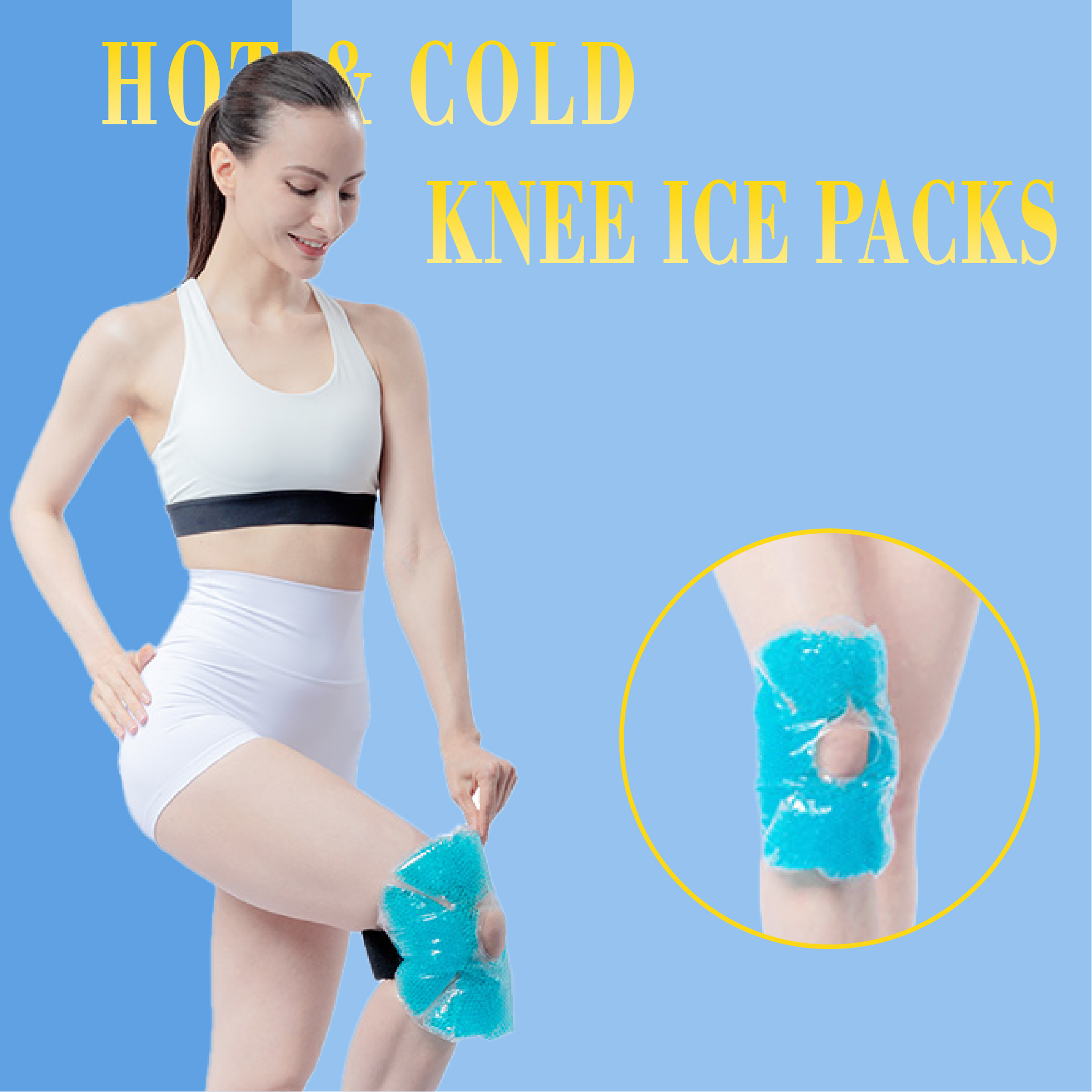
When you invest in an ice pack for injury recovery, pain management, or cold therapy, one of the first questions that comes to mind is whether you can reuse it multiple times. The good news is that most modern ice packs are designed specifically for reusability, making them a cost-effective and environmentally friendly option for long-term therapeutic use. Understanding how to properly use and maintain your ice pack will help you maximize its lifespan and get the most value from your investment in cold therapy solutions.
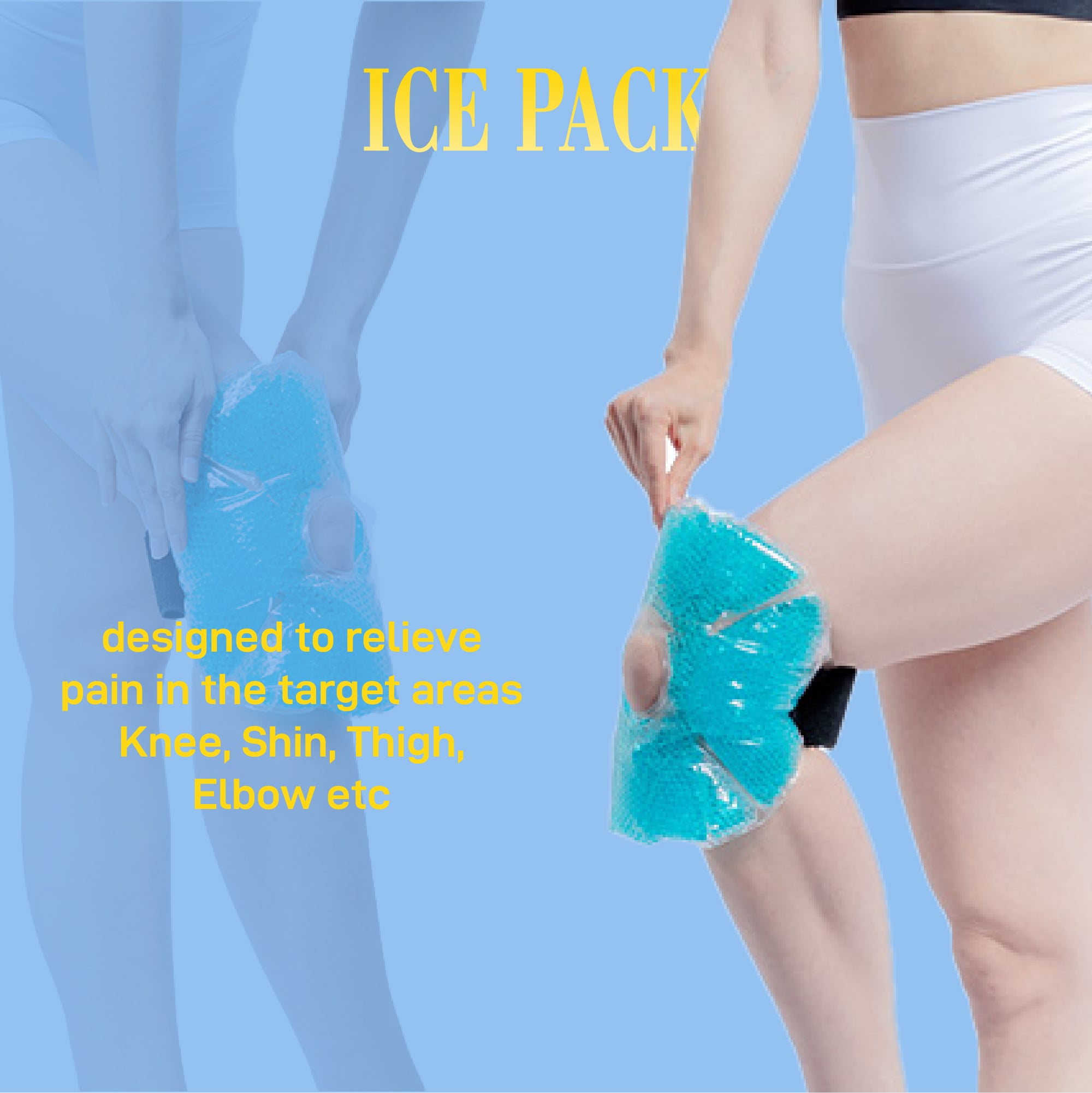
An ice pack is a durable therapeutic tool that, with proper care and handling, can provide effective cold therapy for years. Unlike single-use cold compress options, a reusable ice pack offers significant advantages in both practicality and sustainability. This article explores the durability of gel packs, how many times you can realistically reuse them, what factors influence their longevity, and how to maintain your ice pack to ensure consistent performance across multiple therapeutic sessions.
How Many Times Can You Reuse an Ice Pack?
Typical Lifespan of Reusable Gel Packs
Most quality ice pack products are engineered to withstand hundreds of freeze-thaw cycles without losing effectiveness. A well-manufactured ice pack can typically be reused 300 to 500 times or more, depending on the brand, material quality, and frequency of use. This translates to several years of reliable cold therapy, making your initial investment in an ice pack highly economical compared to purchasing disposable cold products repeatedly.
The gel inside a reusable ice pack is formulated to maintain its freezing capacity across multiple cycles. Each time you freeze and thaw your ice pack, the gel maintains its ability to absorb heat and release cold energy effectively. This consistency is what makes an ice pack a practical choice for athletes, individuals managing chronic pain, and anyone requiring regular cold therapy applications.
Factors That Affect Ice Pack Durability
The actual reusable lifespan of your ice pack depends on several key factors. The quality of the outer material, the integrity of the seals, the composition of the gel formula, and how frequently you use the ice pack all play significant roles. A premium ice pack constructed with durable, puncture-resistant materials will naturally outlast one made with lower-grade plastics or fabrics.
Storage conditions also matter significantly. An ice pack stored in extreme temperatures or left in direct sunlight between uses may degrade faster than one kept in normal conditions. Additionally, the number of freeze-thaw cycles your ice pack undergoes each month directly influences how long it remains effective. An ice pack used daily will accumulate cycles faster than one used weekly.
Maintaining Your Ice Pack for Extended Reuse
Best Practices for Freezing and Thawing
To maximize the reusable lifespan of your ice pack, follow proper freezing and thawing procedures. Always freeze your ice pack in a standard home freezer at the recommended temperature, typically around 0°F or lower. Most ice pack gel formulations are specifically designed to freeze at these standard freezer temperatures, so using your ice pack outside these parameters can reduce its effectiveness.
Allow your ice pack to thaw completely at room temperature after each use rather than exposing it to rapid temperature changes. Rapid thawing or refreezing immediately after use can stress the gel structure and the outer casing, potentially shortening the overall lifespan of your ice pack. The gel inside benefits from gradual temperature transitions, which help maintain its molecular structure.
Inspection and Storage Guidelines
Regularly inspect your ice pack for signs of wear, punctures, or leakage. Even small tears in the outer material can compromise the integrity of the ice pack over time, allowing gel to leak or reducing the effectiveness of freezing. Store your ice pack in a cool, dry place away from direct sunlight and heat sources when not in use. Many users keep their ice pack in a labeled storage container to protect it from accidental damage.
Avoid placing your ice pack directly against skin without a protective barrier, such as a cloth or the wrap that often accompanies commercial ice pack products. This practice not only prevents ice burns but also reduces strain on the outer material of the ice pack. When using an ice pack for injury management, always follow recommended duration guidelines, typically 15 to 20 minutes per session, to avoid tissue damage while still benefiting from cold therapy.
Signs Your Ice Pack Needs Replacement
When an Ice Pack Has Reached the End of Its Life
Even with excellent care, an ice pack will eventually show signs that replacement is necessary. If your ice pack no longer reaches the desired cold temperature after freezing for the recommended time, the gel formula may be degrading and no longer retains its freezing capacity effectively. Similarly, if the ice pack feels unusually soft, lumpy, or uneven in texture compared to when it was new, the internal gel structure may be breaking down.
Any visible leaks, persistent odors, or visible discoloration of the gel are definitive indicators that your ice pack should be replaced. A leaking ice pack becomes ineffective for cold therapy and poses a risk of gel contact with skin or clothing. If you notice your ice pack no longer maintains cold temperatures throughout your typical therapy session, this signals that the gel's thermal capacity has diminished beyond practical use.
Cost-Benefit Analysis of Replacement
Given that a quality ice pack can be reused hundreds of times, the cost per use becomes remarkably low. Even if you use your ice pack daily, the expense per therapeutic session is negligible compared to purchasing single-use cold packs repeatedly. When your current ice pack reaches the end of its lifespan, investing in a replacement makes financial sense, especially if you regularly rely on cold therapy for injury management or athletic recovery.
Consider investing in a reliable ice pack designed for frequent reuse if you use cold therapy multiple times weekly. The durability and consistency of a ice pack specifically engineered for repeated cycles will provide better value over time than cheaper alternatives that degrade quickly.
FAQ
How long does an ice pack stay cold after freezing?
Most reusable ice pack products remain at therapeutic cold temperatures for 15 to 30 minutes, depending on the gel formula, outer material thickness, and room temperature. Some premium ice pack designs can extend cold duration to 45 minutes or longer. The exact duration depends on your specific ice pack model and how well it maintains its insulation properties after repeated use cycles.
Can you freeze an ice pack more than once?
Yes, absolutely. A quality reusable ice pack is specifically designed to be frozen, used, thawed, and frozen again repeatedly. This freeze-thaw cycle is the entire purpose of a reusable ice pack design. You can freeze your ice pack hundreds of times before the gel loses its effectiveness, making it a practical long-term cold therapy solution.
What happens if an ice pack leaks?
If your ice pack develops a leak, you should discontinue use immediately to prevent gel contact with skin or clothing. A leaking ice pack can no longer maintain proper cold therapy effectiveness and poses safety concerns. Most ice pack manufacturers recommend disposal of compromised products and replacement with a new one to ensure safe and effective cold therapy going forward.