 EN
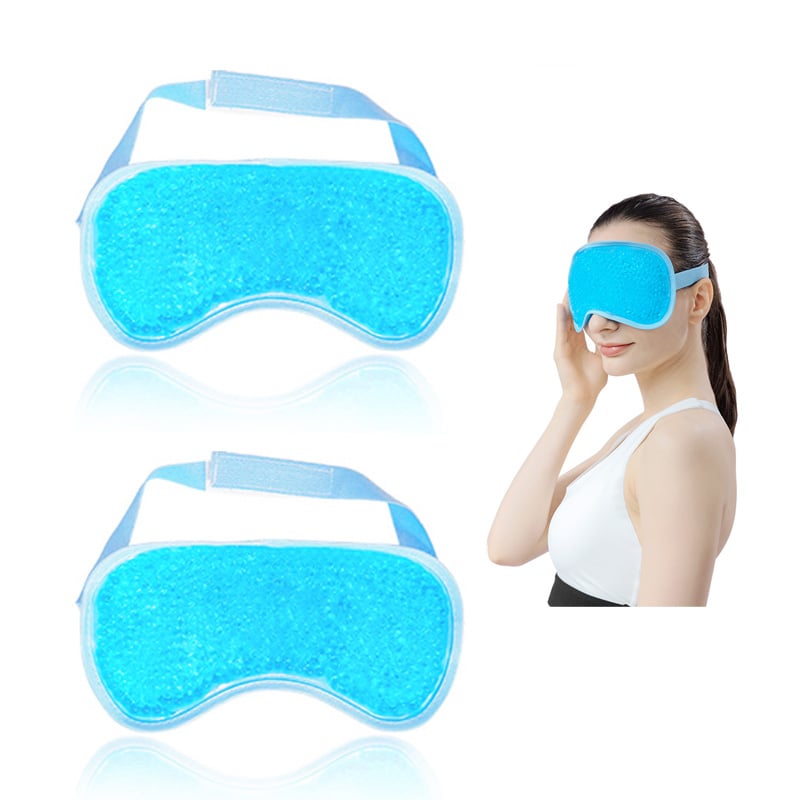
Migraine sufferers understand the desperation of finding effective relief during an attack. Traditional pain medications often come with side effects, slow absorption times, and varying degrees of effectiveness. A cold compress offers a natural, drug-free approach to managing migraine symptoms by leveraging the therapeutic power of cooling therapy. The cold compress is one of the oldest and most scientifically validated methods for reducing migraine pain and discomfort. When applied properly through a specialized migraine relief cap, the cold compress can provide immediate symptom reduction and help restore functionality during debilitating headache episodes.
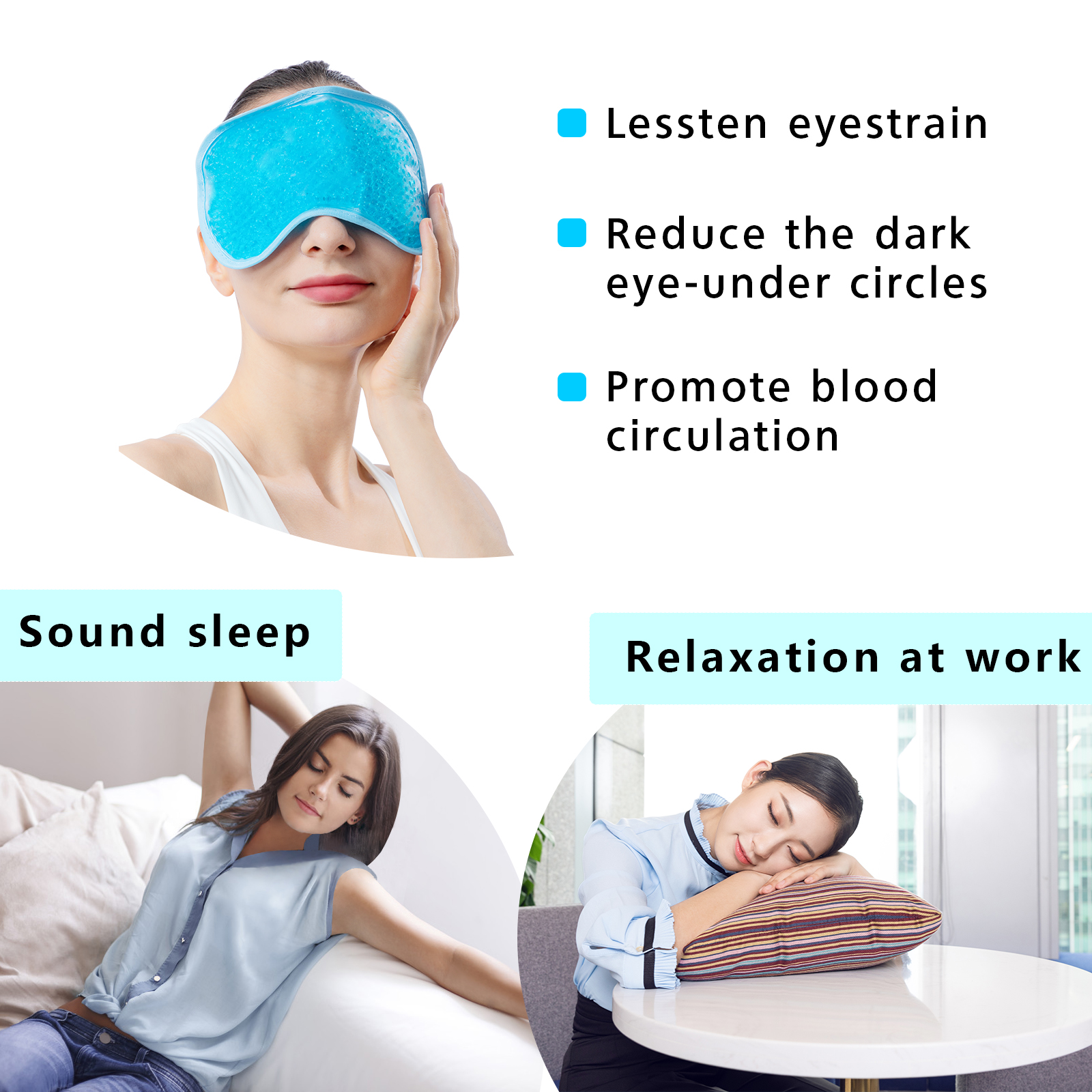
A migraine relief cap designed around cold compress technology represents a significant advancement in non-pharmaceutical pain management. Unlike temporary solutions, the cold compress integrated into a wearable cap delivers consistent cooling directly to areas experiencing the most intense pain. This targeted approach makes the cold compress particularly effective for migraines, as it addresses both the physiological and sensory components of headache pain simultaneously. Understanding how a cold compress works, why it benefits migraine sufferers, and how to use one effectively can transform your approach to migraine management and improve your quality of life.
How Cold Compress Technology Reduces Migraine Pain
The Physiological Mechanism Behind Cold Compress Relief
The cold compress works by reducing blood flow to affected areas and numbing pain signals traveling through nerves. When migraine pain strikes, blood vessels dilate and surrounding tissues become inflamed. A cold compress counteracts this response by constricting blood vessels and reducing inflammatory markers in the affected region. This physiological change directly addresses one of the primary mechanisms driving migraine pain, making the cold compress a scientifically sound intervention rather than a placebo effect. The cooling sensation from a cold compress also stimulates competing nerve pathways, which can override pain signal transmission to the brain through a principle called 'gate control theory.'
Immediate and Sustained Pain Reduction with Cold Compress
Unlike oral medications that require digestion and metabolism, a cold compress provides almost instantaneous relief because cooling occurs directly at the site of pain. Most users experience noticeable pain reduction within five to ten minutes of applying a cold compress to their migraine relief cap. The cold compress continues delivering benefits throughout the duration of use, typically providing two to three hours of sustained relief per application. This immediate feedback loop makes the cold compress particularly valuable during acute migraine episodes when waiting for medication to take effect feels intolerable. Reusable cold compress technology in migraine relief caps allows for multiple applications throughout the day without additional cost or time investment.
Key Benefits of Migraine Relief Caps Using Cold Compress
Non-Pharmacological Pain Management Without Side Effects
One of the most significant advantages of a cold compress migraine relief cap is the complete absence of medication-related side effects. Prescription migraine medications can cause drowsiness, nausea, rebound headaches, and dependency concerns. Over-the-counter pain relievers carry risks of gastrointestinal damage and liver stress with frequent use. A cold compress eliminates these concerns entirely because it works through pure physical cooling rather than chemical intervention. This makes the cold compress an ideal choice for pregnant women, nursing mothers, and individuals with medication sensitivities or contraindications. The cold compress also works synergistically with any medications you may choose to take, enhancing overall pain management without interfering with treatment protocols.
Consistent Wearability and Hands-Free Convenience
Traditional ice packs require hand-holding and cannot be worn while performing daily tasks, making them impractical during work, social engagements, or family responsibilities. A migraine relief cap incorporating cold compress technology solves this critical usability problem by securing the cold compress directly against the scalp and temples. The hands-free design allows you to maintain productivity, rest comfortably, or tend to family needs while receiving therapeutic cold compress treatment. This wearability advantage transforms the cold compress from an inconvenient remedy into a practical solution that integrates seamlessly into real-world migraine management. Modern migraine relief cap designs distribute cold compress technology evenly across the head and neck region, ensuring comprehensive coverage of all typical migraine pain locations.
Reusable, Cost-Effective Long-Term Solution
Purchasing a migraine relief cap with integrated cold compress technology represents a one-time investment that provides years of reliable pain relief. Unlike disposable ice packs, heating pads, or continuous medication purchases, a quality cold compress migraine relief cap pays for itself after just a few months of regular use. The cold compress gel typically maintains its effectiveness for hundreds of freeze-thaw cycles, ensuring long-term durability and cost efficiency. For individuals experiencing frequent migraines, the financial savings compared to emergency room visits, specialist appointments, and ongoing medication costs become substantial. Additionally, a cold compress requires no prescription, insurance authorization, or medical appointment, making it immediately accessible to anyone seeking natural migraine relief.
Practical Application and Maximum Cold Compress Effectiveness
Optimal Usage Patterns for Cold Compress Migraine Relief
To maximize the benefits of your cold compress migraine relief cap, proper application technique is essential. Begin cold compress treatment as soon as you recognize migraine symptoms developing, ideally during the prodromal phase before pain intensifies. Apply the cold compress for fifteen to twenty minute sessions, removing it briefly every twenty minutes to allow skin recovery and prevent cold-induced irritation. Most users find that two to three cold compress sessions spaced one to two hours apart provide optimal symptom control throughout a migraine episode. The cold compress should feel comfortably cool rather than painfully freezing; if your skin becomes numb or painful, remove the cap temporarily to allow rewarming.
Integration with Broader Migraine Management Strategies
While a cold compress offers significant standalone benefits, combining it with other proven migraine management techniques enhances overall effectiveness. Using your cold compress migraine relief cap in a dark, quiet environment amplifies its calming effects and supports your nervous system's recovery. Stay hydrated, maintain consistent sleep schedules, and identify personal migraine triggers while using the cold compress as your primary pain management tool. Some individuals find that combining cold compress therapy with gentle neck stretches, breathing exercises, or meditation deepens their pain relief. The cold compress works particularly well as a preventive measure when worn during high-stress periods or before known migraine triggers, potentially reducing episode severity or preventing attacks entirely.
FAQ
How long does a cold compress in a migraine relief cap stay cold?
Most quality migraine relief caps maintain effective cooling temperatures for thirty to forty minutes of continuous wear. The duration depends on room temperature, how much of your head the cold compress covers, and the specific gel formula used in the cap. After each use, simply refreeze the cold compress for four to six hours to restore its full cooling capacity. Some advanced migraine relief cap models use gel formulations that provide extended cold compress performance, maintaining therapeutic temperatures for up to ninety minutes in certain conditions.
Can I use a cold compress migraine relief cap with other migraine treatments?
Absolutely. A cold compress migraine relief cap complements virtually all other migraine treatments without contraindications or safety concerns. You can safely wear the cold compress while taking medications, receiving medical treatment, or using other pain management techniques. Many healthcare providers recommend combining a cold compress with prescription medications to reduce required dosages and minimize medication-related side effects. The cold compress works through an entirely different mechanism than medications, creating a synergistic pain relief effect when used together.
Is a cold compress migraine relief cap suitable for all migraine types?
Cold compress therapy benefits most migraine sufferers, particularly those experiencing throbbing pain and vascular-based migraines. Some individuals with tension headaches also find relief with cold compress treatment, though heat sometimes works better for tension-type pain. A small percentage of migraine sufferers report that cold compress exacerbates their symptoms and prefer heat instead. Testing a cold compress migraine relief cap during a mild migraine episode helps determine whether this approach matches your individual physiology. If cold compress therapy does not provide adequate relief, heat-based solutions offer a comparable alternative.