 EN


Cold therapy remains one of the most effective and accessible methods for managing inflammation, reducing pain, and accelerating recovery in both clinical and home settings. Whether you're recovering from an injury, managing chronic pain, or seeking relief after intense physical activity, the ability to reuse an ice pack safely can significantly impact your treatment consistency and cost-effectiveness. Many people wonder whether their ice pack investments are truly durable enough for repeated use, and the answer involves understanding material composition, proper maintenance, and safe handling practices. This guide explores the critical factors that determine whether your ice pack can withstand repeated applications and remain effective for long-term cold therapy protocols.
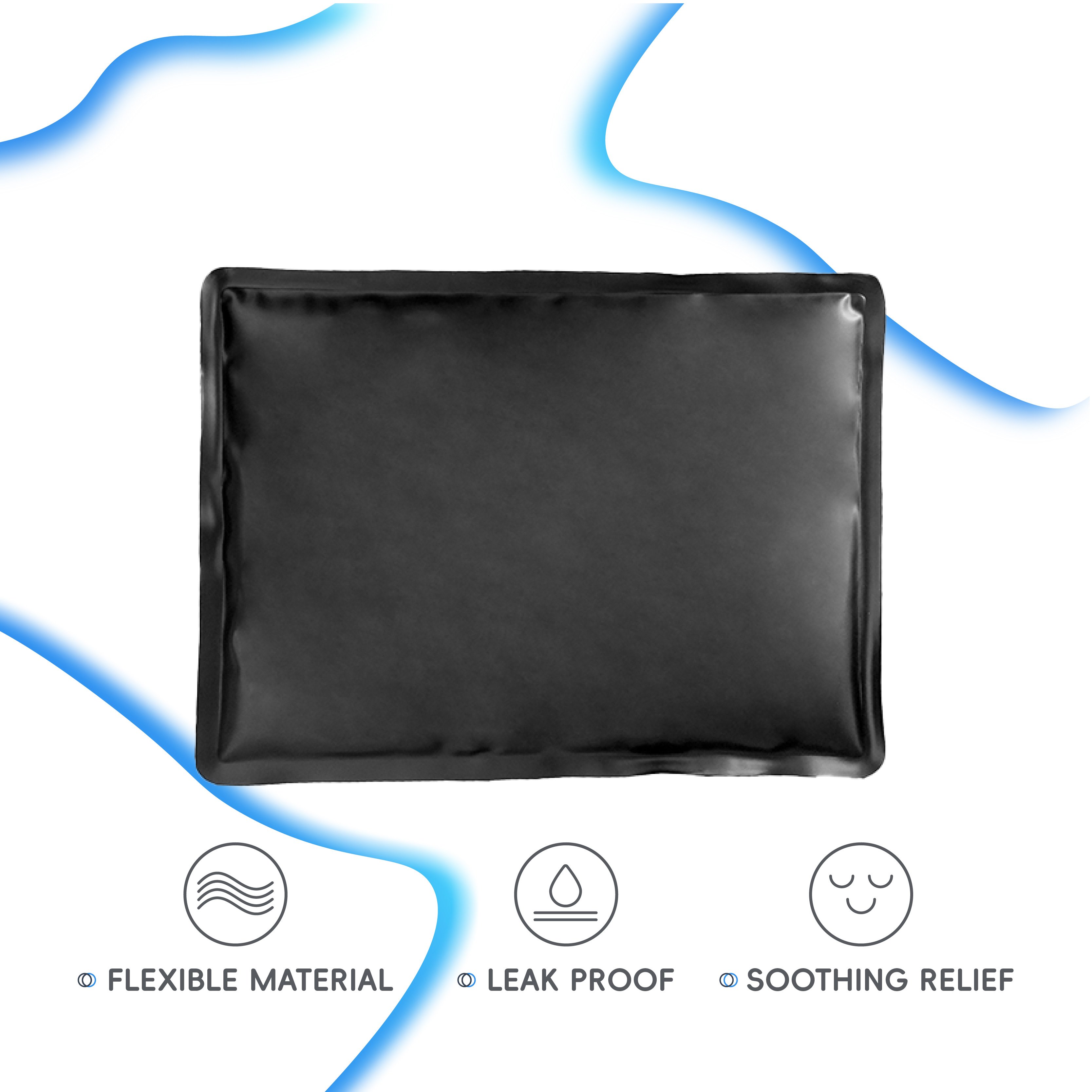
The safety and reusability of an ice pack depend on multiple interconnected variables, including the gel composition, outer material durability, seal integrity, and your usage frequency. A high-quality ice pack designed for repeated cycles will typically last for years when maintained correctly, making it a smart investment for athletes, healthcare facilities, and individuals managing chronic conditions. Understanding how to properly freeze, apply, and store your ice pack ensures both therapeutic efficacy and personal safety throughout its lifecycle.
Material Durability and Ice Pack Construction
Gel Composition and Freezing Cycles
Modern reusable ice pack products typically contain non-toxic gel formulations that are specifically engineered to withstand multiple freeze-thaw cycles without degradation. The gel inside a quality ice pack is designed to remain stable across hundreds of repeated freezing applications, maintaining its thermal properties and consistency over extended periods. However, the number of cycles a particular ice pack can endure varies based on the specific gel chemistry and manufacturing standards. Lower-grade ice pack gels may crystallize, separate, or lose thermal effectiveness after 50–100 cycles, whereas premium formulations maintain performance for 300+ cycles or more.
Outer Casing and Seal Integrity
The protective outer layer of an ice pack is equally critical to its reusability and safety profile. Commercial-grade ice pack products feature durable vinyl, polyethylene, or hybrid fabric covers that resist punctures, tears, and degradation from repeated moisture exposure. The seal around your ice pack must remain completely intact to prevent gel leakage, which poses both safety and hygiene risks. If the seal of your ice pack shows signs of cracking, leaking, or separation, the product should be discontinued immediately regardless of how new it appears. Inspecting the seal and outer material before each use ensures your ice pack remains safe for continued therapeutic application.
Hygiene, Maintenance, and Safe Storage Practices
Cleaning and Cross-Contamination Prevention
Proper hygiene management is essential for safely reusing an ice pack repeatedly, particularly in clinical or multi-user environments. After each use, an ice pack should be wiped with a damp cloth or mild disinfectant to remove sweat, dirt, and bacteria from the outer surface. Never submerge an ice pack in water or use harsh chemicals that could compromise the casing integrity or degrade the seal. Store your ice pack in a clean, dry location away from direct sunlight when not in use. If an ice pack will be shared among multiple users, additional sanitation protocols should be implemented to prevent pathogenic transmission between individuals.
Optimal Storage and Freezing Protocols
How you store and freeze your ice pack directly affects its lifespan and reusability for ongoing cold therapy. An ice pack should be stored in a standard freezer compartment at temperatures between 0°F and −4°F for maximum longevity and thermal performance. Repeated exposure to extreme cold or inconsistent temperatures can stress the gel and casing material, potentially shortening your ice pack's usable life. Most quality ice pack products reach optimal freezing consistency within 4–6 hours, though this timeframe varies by thickness and gel formulation. Always allow your ice pack to thaw completely before refreezing to prevent microstructural damage to the gel inside, which enhances long-term reusability of the ice pack.
Safe Application Duration and Therapeutic Best Practices
Recommended Usage Intervals and Session Limits
Safe reuse of an ice pack also involves following recommended application durations and rest intervals to prevent tissue damage and maintain therapeutic effectiveness. Clinical guidelines suggest limiting each ice pack session to 15–20 minutes of direct or barrier-protected skin contact, with at least 2–3 hours between consecutive applications. Exceeding these durations or applying an ice pack too frequently can result in ice burn, reduced circulation, or numbing that compromises the targeted treatment area. For individuals using an ice pack multiple times daily as part of injury recovery or pain management, careful scheduling ensures both safety and optimal therapeutic benefit across each session. Respecting these application intervals actually extends the functional lifespan of your ice pack by reducing thermal stress on the gel.
Skin Protection and Barrier Methods
Always use a protective barrier between your skin and the ice pack to prevent direct cryogenic contact that could damage tissue. A thin towel, cloth sleeve, or medical-grade fabric cover should be placed between your skin and the ice pack during every application, which also protects the outer casing from sweat and oils that accelerate material degradation. Specialized ice pack sleeves designed for knees, elbows, ankles, or other joints provide both insulation and comfortable positioning for targeted cold therapy. Using appropriate barrier protection simultaneously enhances your safety during cold therapy and extends the reusability and structural integrity of your ice pack by minimizing direct contact wear.
FAQ
How many times can you safely reuse a single ice pack before replacement?
A high-quality reusable ice pack can typically withstand 300–500 freeze-thaw cycles when maintained properly, which translates to several years of regular use for most individuals. The exact lifespan of your ice pack depends on the gel formulation, outer material quality, and adherence to proper storage and handling protocols. If your ice pack shows visible damage, leaking, or reduced cooling effectiveness after several years of use, replacement is warranted to maintain safety and therapeutic performance.
Can you reuse an ice pack if the seal has been compromised?
You should never reuse an ice pack with a compromised seal or visible leakage, as the gel may contact your skin or personal items, creating health and hygiene risks. If an ice pack develops even small cracks or separation around the edges, discontinue use immediately and dispose of it according to local regulations. Investing in a replacement ice pack with intact construction ensures continued safety and effective cold therapy without risk of contamination or product failure.
Does freezing an ice pack repeatedly reduce its cooling effectiveness?
Proper freezing does not significantly reduce the cooling effectiveness of a well-made ice pack across hundreds of cycles, provided you allow complete thawing between uses and maintain appropriate freezer temperatures. However, extreme temperature fluctuations, exposure to direct sunlight, or storage in unstable conditions can gradually degrade the thermal properties of the gel inside your ice pack. To maintain consistent cooling performance, store your ice pack in a dedicated freezer section, avoid leaving it at room temperature for extended periods, and rotate between multiple ice pack products if using cold therapy frequently.