 EN

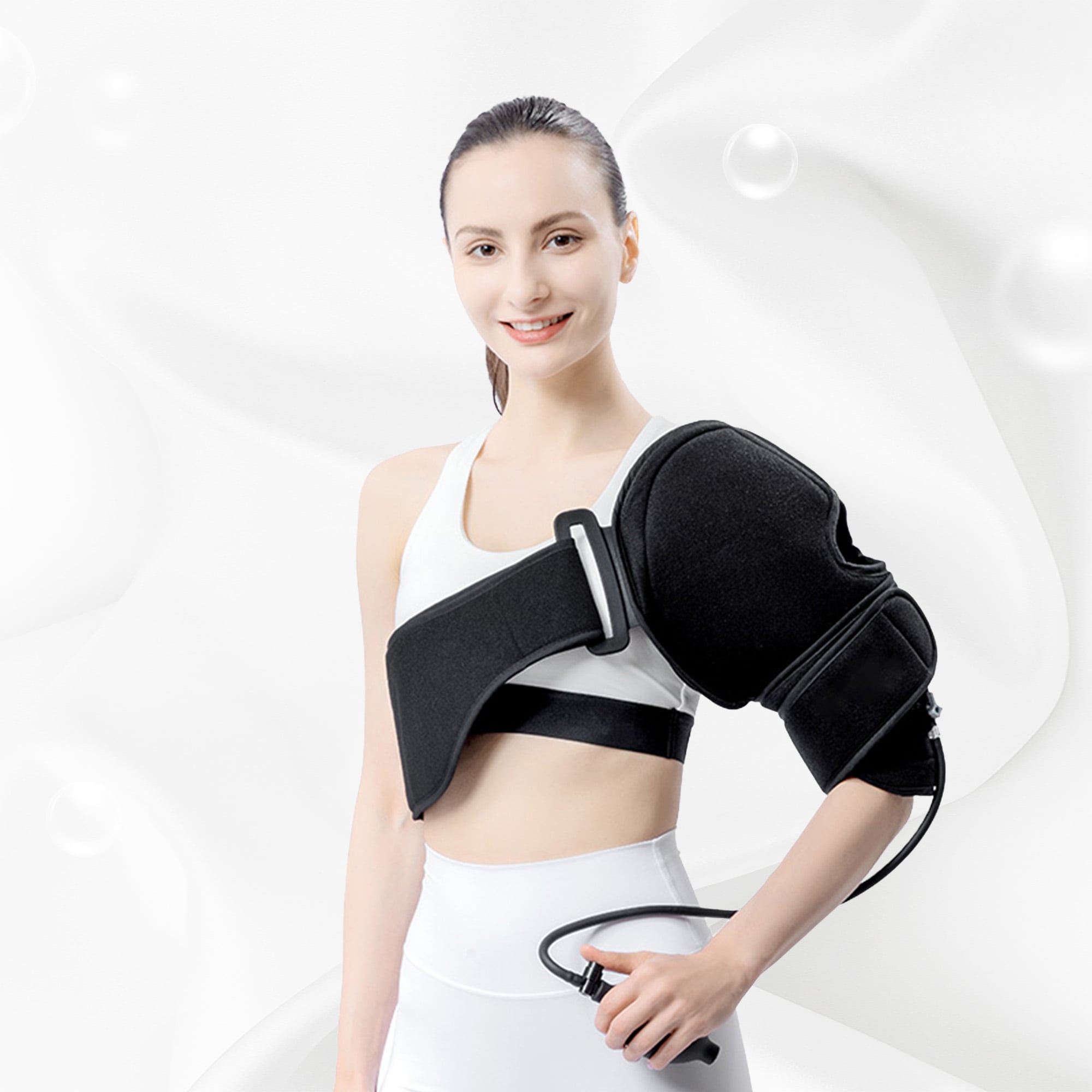
A cold compress is one of the most accessible and effective tools in injury management and pain relief, yet many people use it at the wrong time or for the wrong duration, significantly limiting its benefits. Understanding when a cold compress delivers maximum therapeutic value is essential for athletes, healthcare workers, and anyone dealing with acute injuries or inflammation. The timing and conditions surrounding cold compress application directly influence whether you experience meaningful pain reduction, swelling control, and improved recovery outcomes.
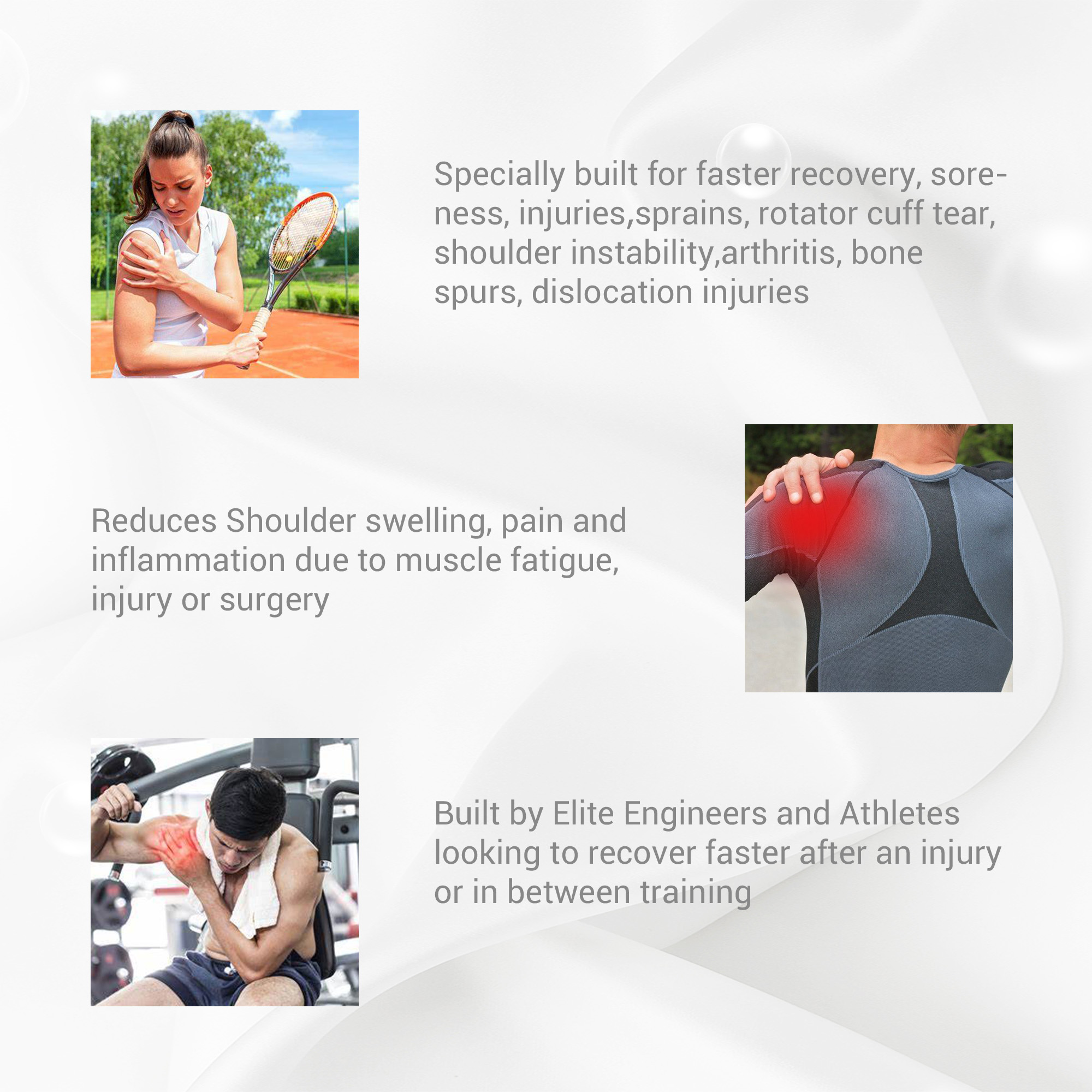
The effectiveness of a cold compress depends on multiple factors including the nature of the injury, the time elapsed since injury, the tissue depth affected, and individual physiological response. This guide examines the science behind cold compress therapy and provides practical guidance for optimizing its therapeutic application across different scenarios and injury types.
Understanding Acute Injury Timing for Cold Compress Application
The Critical First 72 Hours After Injury
A cold compress works most effectively during the acute inflammatory phase, which typically lasts 48 to 72 hours after injury occurs. During this window, the body's natural inflammatory response is at its peak, characterized by increased blood flow to the injured area, fluid accumulation, and pain signaling. Applying a cold compress during this phase constricts blood vessels, reduces metabolic rate in tissues, decreases fluid accumulation, and slows nerve impulse transmission, all of which work together to minimize swelling and pain. The earlier you apply a cold compress after injury, the more effectively it can interrupt the inflammatory cascade and prevent excessive swelling from developing.
Many people mistakenly delay cold compress application, believing rest alone will suffice. However, immediate cold compress therapy is particularly valuable for sprains, strains, contusions, and minor fractures. The cold compress achieves its maximum benefit when applied within the first few hours following injury, making prompt action crucial for optimal outcomes. Even applying a cold compress several hours after an injury occurs still provides significant benefit during this acute phase.
Why Cold Compress Loses Effectiveness Beyond 72 Hours
After the initial 72-hour acute phase, a cold compress becomes significantly less effective because the inflammatory response transitions into the subacute and chronic phases of healing. At this point, inflammation actually becomes part of the body's healing process rather than merely a harmful reaction to injury. Continuing to use a cold compress after this window may actually slow tissue repair and reduce the body's natural healing mechanisms. This is why physiotherapists and sports medicine professionals typically recommend switching to heat therapy or other interventions after the acute phase concludes.
Understanding this timeline prevents people from overusing cold compress therapy and ensures they transition to appropriate recovery strategies at the right time. Some injuries with deeper tissue involvement may benefit from extended cold compress use beyond 72 hours, but this should be guided by healthcare professionals rather than assumed based on general recommendations.
Specific Injury Types and Cold Compress Effectiveness
Acute Sprains and Strains
A cold compress is exceptionally effective for acute ankle sprains, knee sprains, wrist strains, and other ligamentous injuries during the first 48 to 72 hours. These injuries involve tissue damage that triggers immediate swelling and pain, both of which respond dramatically to cold compress therapy. Applying a cold compress for 15 to 20 minutes every 2 to 3 hours during the acute phase significantly reduces swelling progression and pain intensity. The cold compress constricts capillaries in the injured area, preventing excessive fluid accumulation that would otherwise compromise joint function and extend recovery time.
Athletes and active individuals frequently use cold compress therapy for these injuries because the reduction in swelling directly translates to faster restoration of function and earlier return to activity. When combined with immobilization and elevation, a cold compress becomes part of a comprehensive injury management strategy that addresses multiple aspects of acute trauma simultaneously.
Muscle Contusions and Bruising
Direct impact injuries causing muscle contusions and visible bruising respond exceptionally well to immediate cold compress application. A cold compress reduces bleeding into the tissue, minimizes bruise size and darkness, and accelerates the resolution of soft tissue trauma. Applying a cold compress within the first few hours of a contusion can reduce the final bruise size by 30 to 50 percent compared to no intervention. This makes cold compress therapy particularly valuable in sports settings, workplaces, and healthcare environments where direct impact injuries occur.
For significant contusions, continuing cold compress therapy throughout the entire 72-hour acute phase provides maximum benefit. The cold compress effectiveness diminishes after this period as the body transitions to reabsorbing bruise pigmentation and healing damaged muscle tissue, processes that actually require mild inflammation rather than suppression.
Headaches and Localized Pain
A cold compress applied to the forehead, temples, or back of the neck is most effective for tension headaches and migraine pain occurring during acute episodes. The cold compress provides immediate pain relief through multiple mechanisms including decreased nerve signal transmission, reduced muscle tension, and vasoconstriction in the affected area. Many people find that applying a cold compress for 10 to 15 minutes at the onset of a headache significantly reduces pain intensity and may prevent the headache from escalating. Unlike injury-specific cold compress applications, headache relief from cold compress therapy can be repeated as needed throughout the day without waiting for an acute phase to conclude.
The effectiveness of cold compress therapy for headaches varies by individual, with some people experiencing dramatic relief while others may find heat therapy more beneficial. Experimenting with cold compress application at different headache intensities helps identify whether cold compress therapy works optimally for your particular pain profile.
Optimal Conditions and Best Practices for Cold Compress Effectiveness
Temperature, Duration, and Frequency Guidelines
The effectiveness of a cold compress depends significantly on maintaining the appropriate temperature range and application schedule. A cold compress should reach a temperature between 50 and 65 degrees Fahrenheit to provide optimal therapeutic benefit without risking tissue damage from extreme cold. Applying a cold compress for 15 to 20 minutes per session allows adequate time for cold to penetrate tissues and achieve pain and swelling reduction while remaining within safe parameters that protect skin integrity. Repeating cold compress applications every 2 to 3 hours during waking hours during the acute phase maintains continuous anti-inflammatory benefits throughout the day.
Many people make the mistake of applying a cold compress for excessively long periods, believing that extended application increases effectiveness. In reality, prolonged cold compress exposure beyond 20 minutes causes tissues to adapt and vasodilatation occurs, which actually reverses the intended therapeutic effects. Additionally, ice burn risk increases significantly with extended application, potentially causing skin damage that complicates injury recovery. Following structured cold compress protocols ensures safety while maximizing therapeutic benefit.
Layering and Barrier Protection
A cold compress is most effective when applied with appropriate barrier protection between the compress and skin. Direct ice-to-skin contact risks ice burn and causes discomfort that leads to premature discontinuation of therapy. Wrapping a cold compress in a thin towel or cloth creates an effective barrier that allows cold penetration to therapeutic depths while protecting skin surface integrity. This simple modification significantly improves cold compress tolerance and allows people to maintain recommended application durations without pain or skin damage.
Conversely, excessive layering reduces cold compress effectiveness by insulating tissues from the therapeutic cold. Finding the balance between protection and efficacy requires some experimentation, but generally a single layer of light fabric provides optimal cold compress application conditions. Different individuals may require varying amounts of barrier protection based on skin sensitivity, so personalizing this aspect of cold compress use improves overall therapy adherence and satisfaction.
Compression and Elevation Integration
A cold compress achieves maximum effectiveness when combined with compression and elevation, creating a comprehensive approach that addresses swelling through multiple mechanisms. Wrapping the injured area with an elastic bandage while applying a cold compress creates sustained pressure that prevents fluid accumulation more effectively than cold compress therapy alone. Simultaneously elevating the injured area above heart level uses gravity to assist fluid movement away from the injury site. This combination of cold compress, compression, and elevation constitutes the foundation of acute injury management protocols recommended by sports medicine and orthopedic professionals.
Research consistently demonstrates that integrated injury management approaches incorporating cold compress therapy produce superior outcomes compared to isolated cold compress application. Athletes and individuals managing work-related injuries benefit significantly from understanding how to layer these techniques effectively.
FAQ
Can I use a cold compress for chronic pain conditions?
A cold compress is generally not recommended as a primary therapy for chronic pain conditions like arthritis or fibromyalgia. While temporary cold compress application may provide brief pain relief during acute flare-ups, chronic conditions typically respond better to heat therapy, gentle exercise, and other long-term management strategies. However, some individuals find that cold compress therapy helps manage acute pain episodes within chronic conditions, particularly when combined with anti-inflammatory medications and physical therapy. Consulting with healthcare providers about whether cold compress therapy suits your specific chronic condition ensures appropriate pain management strategy selection.
What is the difference between cold compress and ice packs for injury treatment?
A cold compress and ice packs serve similar purposes in acute injury management, with the primary difference being reusability and convenience. Ice packs are typically made from reusable gel or liquid-filled materials that maintain consistent cold compress temperature across multiple applications, while traditional cold compresses use crushed ice that must be replaced frequently. Modern gel-based ice packs function as an effective cold compress alternative and provide consistent therapeutic benefit without the mess associated with melting ice. Both approaches deliver comparable cold compress effectiveness when applied following proper timing and duration protocols, so personal preference and practical convenience often determine which cold compress option works best.
Is a cold compress effective for post-surgical swelling?
A cold compress can be highly effective for reducing post-surgical swelling during the immediate recovery phase following surgical procedures. Many surgeons specifically recommend cold compress therapy within the first 48 to 72 hours after surgery to minimize swelling, reduce pain, and improve early recovery outcomes. However, post-surgical cold compress application requires careful attention to wound sites and should follow specific healthcare provider guidelines regarding timing, duration, and protective barriers. The cold compress effectiveness for post-surgical recovery is well-established in orthopedic and surgical settings, making it a standard component of post-operative care protocols.