 EN

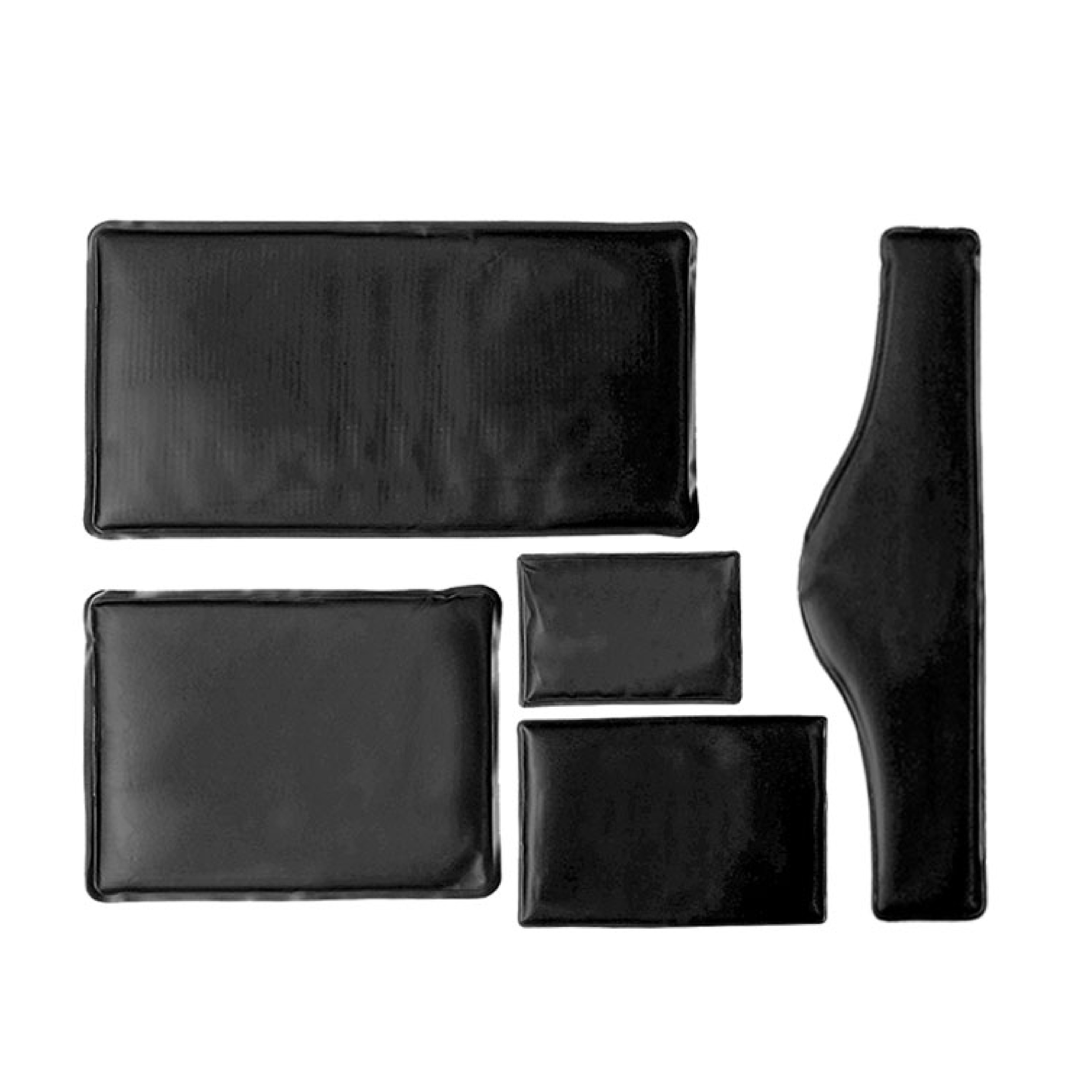
A migraine relief cap represents a modern approach to managing acute migraine symptoms through therapeutic cooling. At its core, this innovative device works by delivering consistent cold therapy directly to the head and temples using an integrated ice pack system. Understanding how a migraine relief cap functions can help you determine whether this drug-free solution aligns with your migraine management strategy and personal wellness goals.
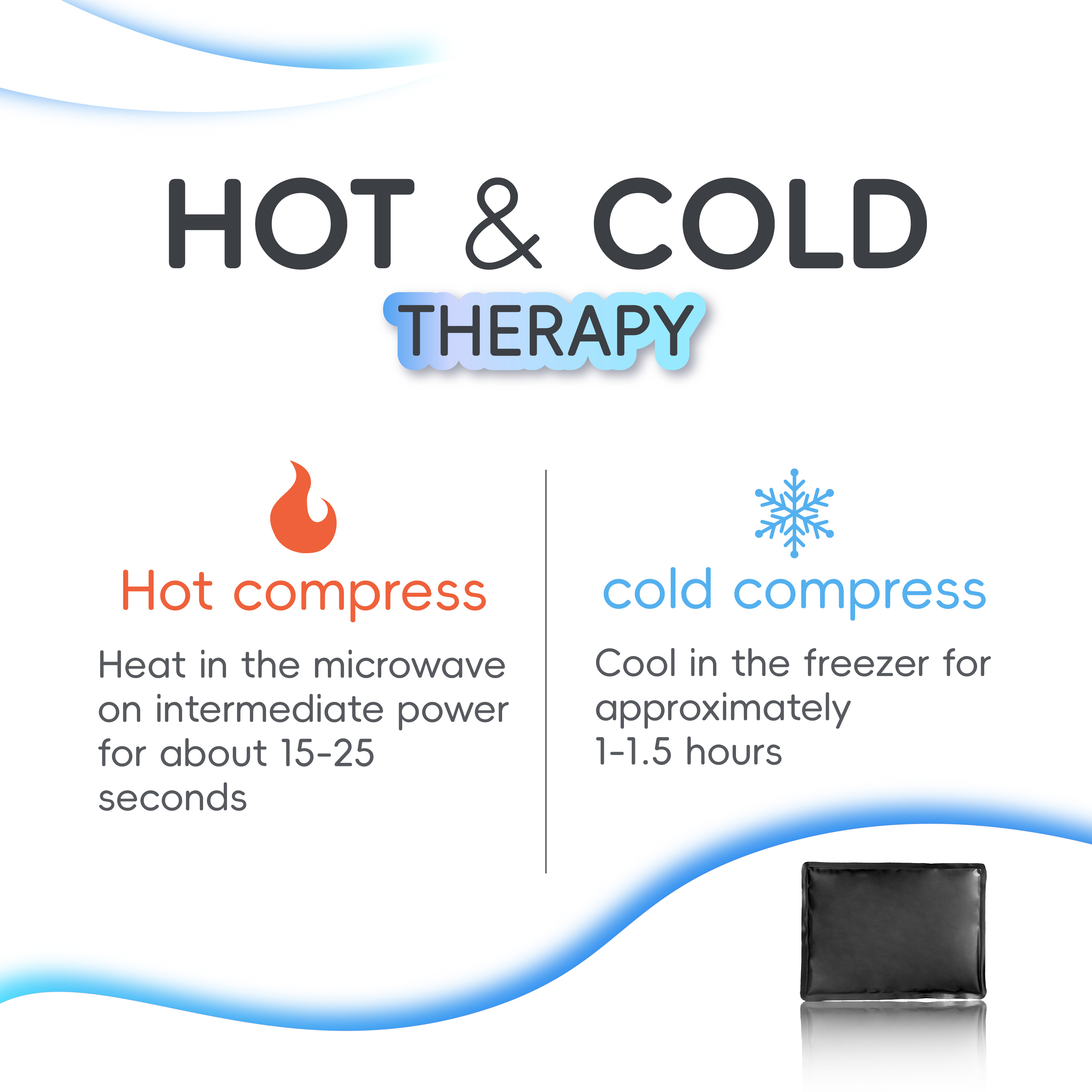
The fundamental mechanism of a migraine relief cap relies on the body's natural response to cold exposure. When you apply a cold ice pack to your head during a migraine attack, the temperature reduction triggers vasoconstriction—a narrowing of blood vessels in the affected area. This physiological response interrupts the pain cascade that characterizes migraines, offering relief without pharmaceutical intervention. The design of a migraine relief cap optimizes this cooling effect by positioning the ice pack over key pain zones, including the forehead, temples, and upper scalp, while maintaining comfortable contact against the skin.
The Cooling Mechanism Behind Ice Pack Therapy
How Cold Reduces Migraine Pain
The application of an ice pack to the head during a migraine works through multiple pain-relief pathways. Cold therapy numbs nerve endings that transmit pain signals to the brain, effectively reducing the intensity of migraine sensations. When integrated into a migraine relief cap, the ice pack maintains consistent contact with strategic areas of the scalp and forehead, ensuring sustained numbing and vasoconstriction. This prolonged cooling action helps interrupt the inflammatory cascade that intensifies migraine symptoms over time.
Vasoconstriction and Blood Vessel Response
During a migraine, blood vessels expand and release inflammatory chemicals that cause throbbing pain. A cold ice pack reverses this process by causing blood vessels to constrict, reducing blood flow to the affected areas and decreasing the release of pain-inducing substances. The consistent temperature delivered by a migraine relief cap ensures that this vasoconstriction persists throughout your treatment session. Unlike temporary cold applications, a properly designed cap with an integrated ice pack prevents the blood vessels from rapidly re-expanding once the cold source is removed, extending the pain relief window.
Design Features That Maximize Ice Pack Effectiveness
Strategic Positioning and Coverage
A migraine relief cap is engineered to position the ice pack directly over the most sensitive pain points—typically the temples, forehead, and back of the head. This targeted placement ensures that the cooling therapy reaches the nerve clusters responsible for migraine pain transmission. The cap structure keeps the ice pack in consistent contact with these zones throughout your treatment session, preventing slipping or shifting that would reduce effectiveness. By centralizing the ice pack in specific locations rather than distributing cold across the entire head, a migraine relief cap maximizes pain relief in the areas where you need it most.
Temperature Retention and Comfort Balance
The fabric and insulation layers of a migraine relief cap are designed to maintain the ice pack's therapeutic temperature for an extended period while protecting your skin from direct freezing contact. Most migraine relief caps include a protective barrier between the ice pack and your skin, preventing ice burn while allowing sufficient cold to penetrate tissue and provide pain relief. This balance between cold intensity and skin protection means you can wear the cap comfortably for 15 to 30 minutes—the typical duration needed for the ice pack to interrupt migraine progression. The insulated design also prevents rapid temperature loss, ensuring consistent therapeutic cooling throughout your treatment window.
When and How to Use a Migraine Relief Cap Effectively
Timing and Duration of Ice Pack Application
The effectiveness of a migraine relief cap depends significantly on when you apply it during your migraine cycle. Using the cap with its ice pack at the earliest signs of a migraine—during the prodrome or at the onset of head pain—provides the best outcomes. Applying cold therapy within the first 30 minutes of symptom onset allows the ice pack to interrupt the migraine cascade before pain reaches peak intensity. Most therapeutic protocols recommend wearing a migraine relief cap for 15 to 30 minutes per session, with the ice pack maintaining cooling throughout this window to maximize pain reduction and prevent symptom escalation.
Complementary Use with Other Migraine Strategies
A migraine relief cap with an integrated ice pack works best as part of a comprehensive migraine management plan that may include stress reduction, hydration, sleep optimization, and medical treatments when appropriate. The ice pack therapy provided by the cap addresses immediate pain during acute attacks, while other preventive strategies reduce attack frequency and severity over time. Many individuals find that combining cold therapy from a migraine relief cap with rest in a dark, quiet environment amplifies the relief effect. The ice pack component serves as a non-pharmacological tool that complements both preventive medications and acute treatment options, offering flexibility in your migraine response strategy.
Scientific Evidence and Industrial Applications
Research Support for Cold Therapy in Migraines
Clinical research has consistently demonstrated that applying cold therapy using an ice pack during migraine attacks provides measurable pain reduction and symptom relief. Studies examining migraine patients who used cold therapy reported significant decreases in pain intensity, with the ice pack proving particularly effective for individuals with vascular migraine patterns. The mechanism involves both direct pain pathway interruption through cold numbing and the physiological response of vasoconstriction triggered by the ice pack exposure. A migraine relief cap systematizes this evidence-based approach by delivering consistent, optimized ice pack cooling to maximize the therapeutic potential that research has validated.
Industrial Design and Material Innovation
Modern migraine relief caps incorporate advanced cooling gel technology and specifically engineered fabrics to optimize ice pack performance. The gel formulation used in contemporary ice pack inserts maintains therapeutic cold longer than traditional ice while providing better conformability to the head's contours. Professional-grade migraine relief caps often feature adjustable straps and ergonomic designs that ensure the ice pack remains positioned correctly throughout your treatment session. These design refinements transform a simple ice pack into a specialized therapeutic device that addresses the unique pain patterns and cooling requirements of migraine sufferers, making cold therapy more accessible and effective in home and workplace settings.
FAQ
How long should I wear a migraine relief cap with an ice pack?
Most therapeutic guidelines recommend wearing a migraine relief cap for 15 to 30 minutes per session, allowing the ice pack sufficient time to achieve vasoconstriction and pain relief. The duration depends on your individual tolerance and the severity of your migraine, but most users experience noticeable relief within 20 minutes of applying the ice pack. You can repeat the treatment after a break if symptoms persist, though continuous ice pack exposure beyond 30 minutes may cause skin irritation.
Can a migraine relief cap replace migraine medications?
A migraine relief cap using an ice pack serves as an effective non-pharmacological option for acute migraine management, but it does not necessarily replace prescribed medications. The ice pack therapy works best as a complementary tool alongside your existing migraine treatment plan established with your healthcare provider. Some individuals find that combining ice pack cooling with medications provides superior relief compared to either approach alone, while others successfully manage migraines using only cold therapy from a migraine relief cap.
Is it safe to use an ice pack directly on the skin during migraines?
Direct application of an ice pack to bare skin can cause ice burn and tissue damage with prolonged exposure. A quality migraine relief cap includes a protective fabric barrier between the ice pack and your skin, allowing therapeutic cooling while preventing cold injury. Always follow the manufacturer's guidelines regarding skin protection and recommended wear duration, and consult your physician if you have sensitive skin or circulatory conditions that may affect your response to ice pack therapy.