 EN
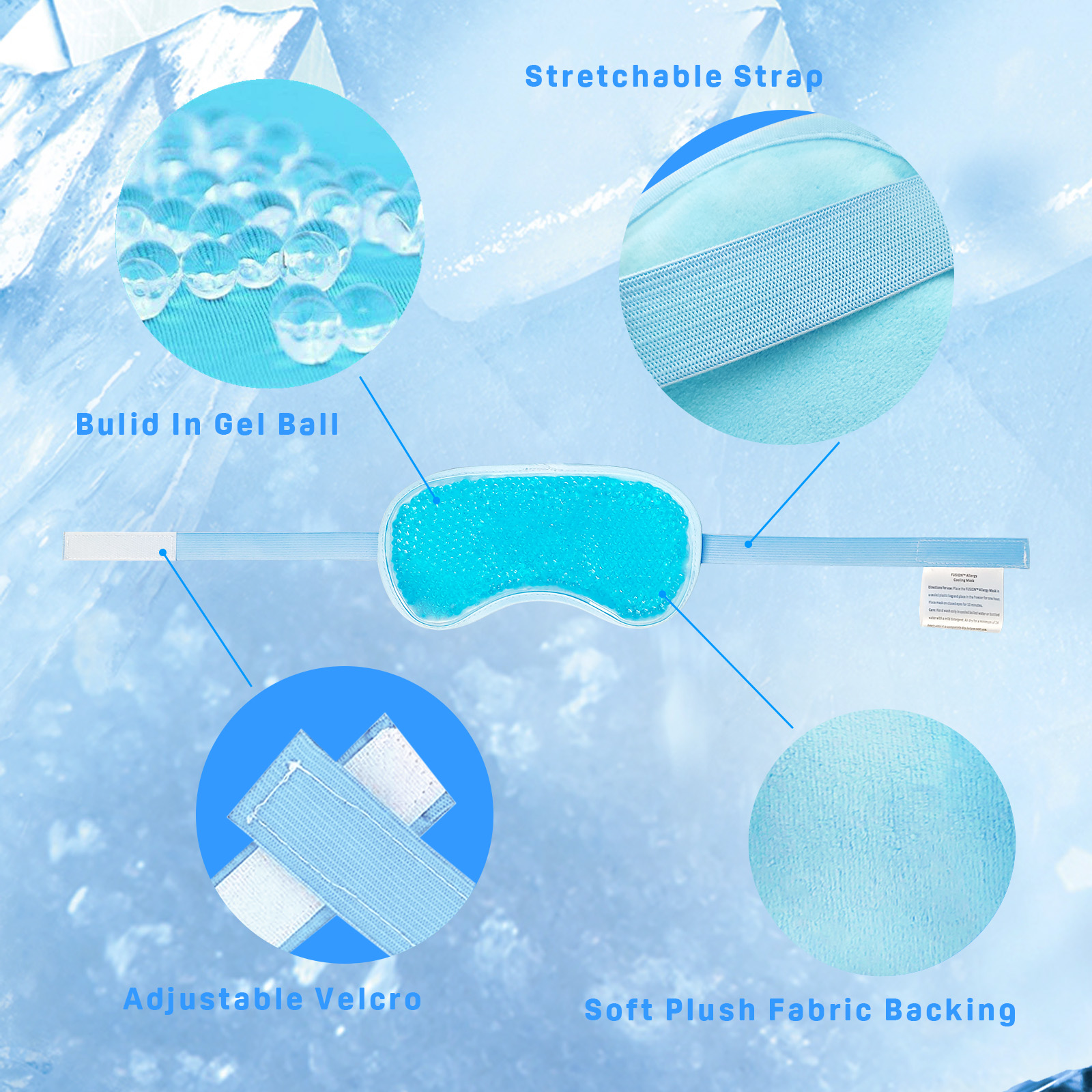
A migraine relief cap that uses cold therapy has become an increasingly popular option for people seeking drug-free migraine management. Many users wonder whether cold therapy delivered through a wearable cap is safe to use every day, and what precautions they should take. The short answer is that cold therapy can be safe for daily use when applied correctly, but understanding the science behind it, recognizing your individual tolerance, and following best practices is essential to avoid potential skin damage or adverse reactions.
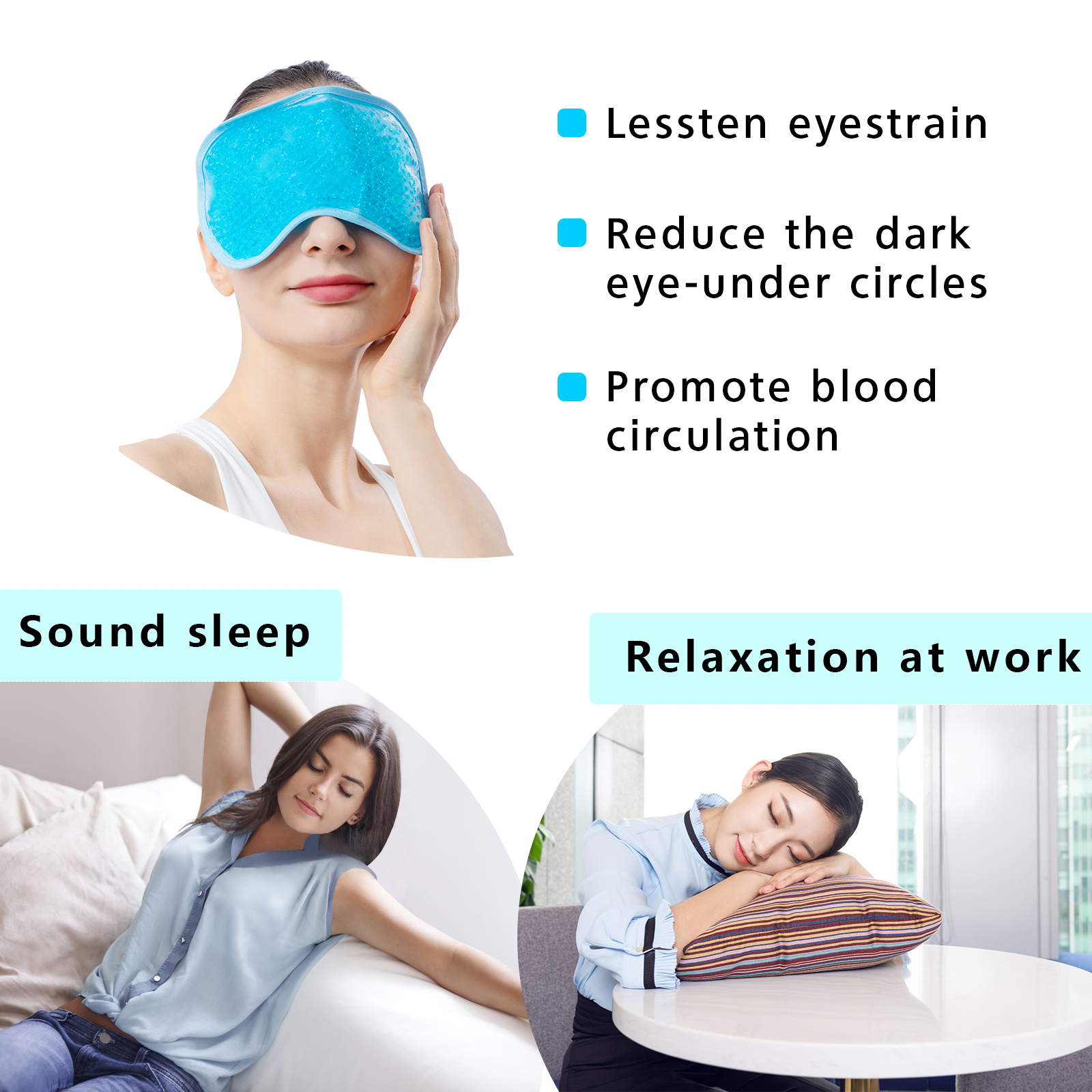
Cold therapy works by narrowing blood vessels and reducing inflammation around the head and neck area, which can provide significant relief during a migraine episode. When delivered through a cold therapy migraine relief cap, this therapeutic approach offers hands-free application and consistent temperature control. However, daily use does introduce questions about skin sensitivity, nerve damage, and whether prolonged cold exposure might diminish its effectiveness over time.
Understanding Cold Therapy Safety Mechanisms
How Cold Therapy Reduces Migraine Symptoms
Cold therapy works through several physiological pathways that make it effective for migraine sufferers. The cold causes vasoconstriction, narrowing the blood vessels that become dilated during a migraine, which reduces pressure and pain signals. Additionally, cold therapy numbs nerve endings, providing temporary pain relief while reducing inflammatory markers in the affected tissues. This mechanism is well-documented in clinical settings and has been used for decades in sports medicine and rehabilitation.
When cold therapy is applied through a dedicated migraine relief cap, the therapeutic effect reaches the scalp, temples, and forehead simultaneously. The even distribution of cold through cold therapy technology helps prevent hot spots that could cause localized irritation or frostbite-like injury. Most modern migraine relief caps with cold therapy maintain temperatures between 50 and 65 degrees Fahrenheit, which is cold enough to be therapeutic but warm enough to prevent tissue damage when used according to manufacturer guidelines.
Physiological Responses to Repeated Cold Therapy Use
Your body adapts to repeated cold therapy exposure through a process called acclimatization. With consistent daily cold therapy use, your skin becomes more tolerant, and the initial shock of coldness diminishes. This adaptation is natural and generally safe, but it also means that cold therapy benefits may plateau if used too frequently without breaks. Some users report that daily cold therapy application remains effective, while others find that taking occasional days off helps maintain responsiveness to the treatment.
Repeated exposure to cold therapy can also trigger a mild reactive hyperemia response, where blood vessels dilate after the cold stimulus is removed. This rebound effect is temporary and typically subsides within 30 minutes after removing the migraine relief cap. For most people, this response is not harmful, but individuals with certain vascular conditions should consult their physician before beginning daily cold therapy regimens.
Safe Daily Use Guidelines and Best Practices
Recommended Duration and Frequency for Cold Therapy
Medical experts generally recommend limiting cold therapy sessions to 15 to 20 minutes at a time to prevent skin damage and maintain comfort. For daily use, applying cold therapy once or twice per day is considered safe for most people, particularly when symptoms are active. However, using cold therapy more than three times daily may increase the risk of skin irritation, numbness that persists beyond the session, or diminished therapeutic response over time. The migraine relief cap should never be worn continuously; it is designed for intermittent therapeutic sessions, not all-day wear.
When starting a daily cold therapy routine, begin with shorter sessions of 10 to 15 minutes and observe how your skin responds over the first week. If you notice no redness, excessive numbness, or discomfort beyond the initial cold sensation, you can gradually extend sessions to the full recommended duration. Many users find that using cold therapy at the onset of a migraine, rather than on a fixed daily schedule, provides better results and reduces the risk of overuse complications.
Skin Protection and Temperature Control
Direct contact between bare skin and a freezing cold therapy device can cause cold-induced injury, so wearing a thin layer of fabric between your skin and the migraine relief cap is essential. Most modern migraine relief caps include a protective barrier or are designed to be worn over the head with a light cloth. Never apply cold therapy directly to broken skin, open wounds, or areas with compromised sensation, as these conditions significantly increase the risk of undetected injury when using cold therapy.
Temperature consistency is another key factor in safe daily cold therapy use. Premium migraine relief caps maintain stable temperatures throughout the session, while cheaper models may have temperature fluctuations that create risk of uneven cold exposure. Always check that your cold therapy device reaches the correct temperature as specified by the manufacturer before each use, and consider replacing gel packs or freezing components according to maintenance instructions to ensure safe, consistent cold therapy delivery.
Potential Risks and When to Avoid Cold Therapy
Recognizing Signs of Cold-Related Injury and Sensitivity Issues
While cold therapy is generally safe for daily use when applied correctly, certain warning signs indicate you should stop or reduce frequency. If you develop persistent numbness, tingling, or loss of sensation on your scalp or forehead after removing the migraine relief cap, these may signal nerve compression or cold-induced injury. Redness that does not fade within two hours, blistering, or burning sensations after cold therapy sessions warrant immediate cessation of use and medical evaluation. Some individuals are simply more sensitive to cold therapy than others, and daily use may not be appropriate for their skin type or medical history.
Cryoglobulinemia, cold urticaria, and other cold-sensitivity conditions are contraindications for regular cold therapy use, including migraine relief caps. Additionally, individuals with Raynaud's phenomenon or significant peripheral circulation issues should consult their healthcare provider before attempting daily cold therapy regimens. If you have diabetes or other conditions affecting skin sensation, daily cold therapy requires extra caution and professional medical clearance.
Medical Conditions and Drug Interactions
Certain medications can increase sensitivity to cold therapy or interact unpredictably with temperature-based treatments. Vasoconstrictive medications, decongestants, and some blood pressure medications may intensify the effects of cold therapy, potentially leading to excessive vasoconstriction. People taking these medications should inform their healthcare provider before beginning daily cold therapy with a migraine relief cap, as dosage adjustments or alternative migraine strategies might be necessary.
Migraine patients who also have hypertension, heart disease, or stroke history should exercise particular caution with daily cold therapy, since the vasoconstriction from cold therapy could theoretically affect overall cardiovascular function. While isolated cold therapy application to the head is generally considered low-risk for these populations, individual medical circumstances vary widely. Always obtain clearance from your cardiologist or primary care physician before establishing a daily cold therapy routine if you have any cardiovascular condition or take medications that influence blood vessel function.
Maximizing Benefits While Maintaining Safety
Developing a Sustainable Cold Therapy Schedule
Rather than using cold therapy every single day, many experts recommend an intelligent rotation schedule that maintains effectiveness while reducing overuse risks. Using cold therapy four to five days per week, with two to three rest days, allows your body to maintain responsiveness to the treatment while minimizing acclimatization. This approach also gives your skin recovery time and reduces cumulative exposure risk. During rest days, consider alternative migraine management strategies such as hydration, stress reduction, or gentle stretching.
For severe migraine sufferers who need more frequent cold therapy, combining it with other evidence-based treatments creates synergistic benefit while potentially reducing the frequency of cold therapy alone. Migraine medication, behavioral therapy, and cold therapy together often provide better results than any single modality. This integrated approach allows you to use your migraine relief cap safely and effectively without exceeding recommended usage thresholds or developing tolerance to the cold therapy effects.
Monitoring Long-Term Effects and Adjusting Your Routine
Keep a simple log of your cold therapy sessions, noting the duration, temperature, symptom relief, and any skin reactions. After four to eight weeks of daily use, review your log to assess whether cold therapy continues to provide meaningful migraine relief and whether you have experienced any adverse effects. If effectiveness is declining, take a one-week break from cold therapy before resuming, as this reset period often restores responsiveness. If adverse effects emerge, reduce frequency or duration immediately and consult your healthcare provider.
Regular skin inspections are also part of safe long-term cold therapy use. Monthly, examine the areas where your migraine relief cap makes contact, looking for persistent redness, texture changes, or darkened patches. Premature skin aging and pigmentation changes have been reported in individuals using extreme cold therapy multiple times daily for years, so maintaining awareness of skin condition is important for anyone committing to extended cold therapy protocols.
FAQ
Can I use a cold therapy migraine relief cap every single day without breaks?
While occasional daily use of cold therapy is safe for most people, taking one to two rest days per week helps prevent acclimatization and reduces cumulative skin exposure risks. If you need cold therapy relief more than five days weekly, consult your doctor about whether daily use is appropriate for your individual circumstances. Some people tolerate daily cold therapy well, while others experience diminished effectiveness or skin sensitivity with that frequency, so individual responses vary.
What is the safest temperature for a daily cold therapy migraine relief cap?
Most medical professionals recommend cold therapy temperatures between 50 and 65 degrees Fahrenheit for safe daily scalp application. This range provides therapeutic benefit while minimizing frostbite and cold-induced injury risks. Always verify that your migraine relief cap maintains consistent temperatures within this range, and follow the manufacturer's specific temperature guidelines for your particular model, as some devices may operate at slightly different specifications.
Should I consult a doctor before starting daily cold therapy use?
If you have any cardiovascular condition, cold sensitivity disorder, diabetes, or take medications affecting blood vessel function, consulting your healthcare provider before starting daily cold therapy is strongly recommended. Even for generally healthy individuals, discussing your migraine management plan with your doctor ensures that cold therapy aligns with your overall health profile and medication regimen. Your doctor can also provide personalized guidance on safe frequency and duration based on your specific medical history.