 EN
EN
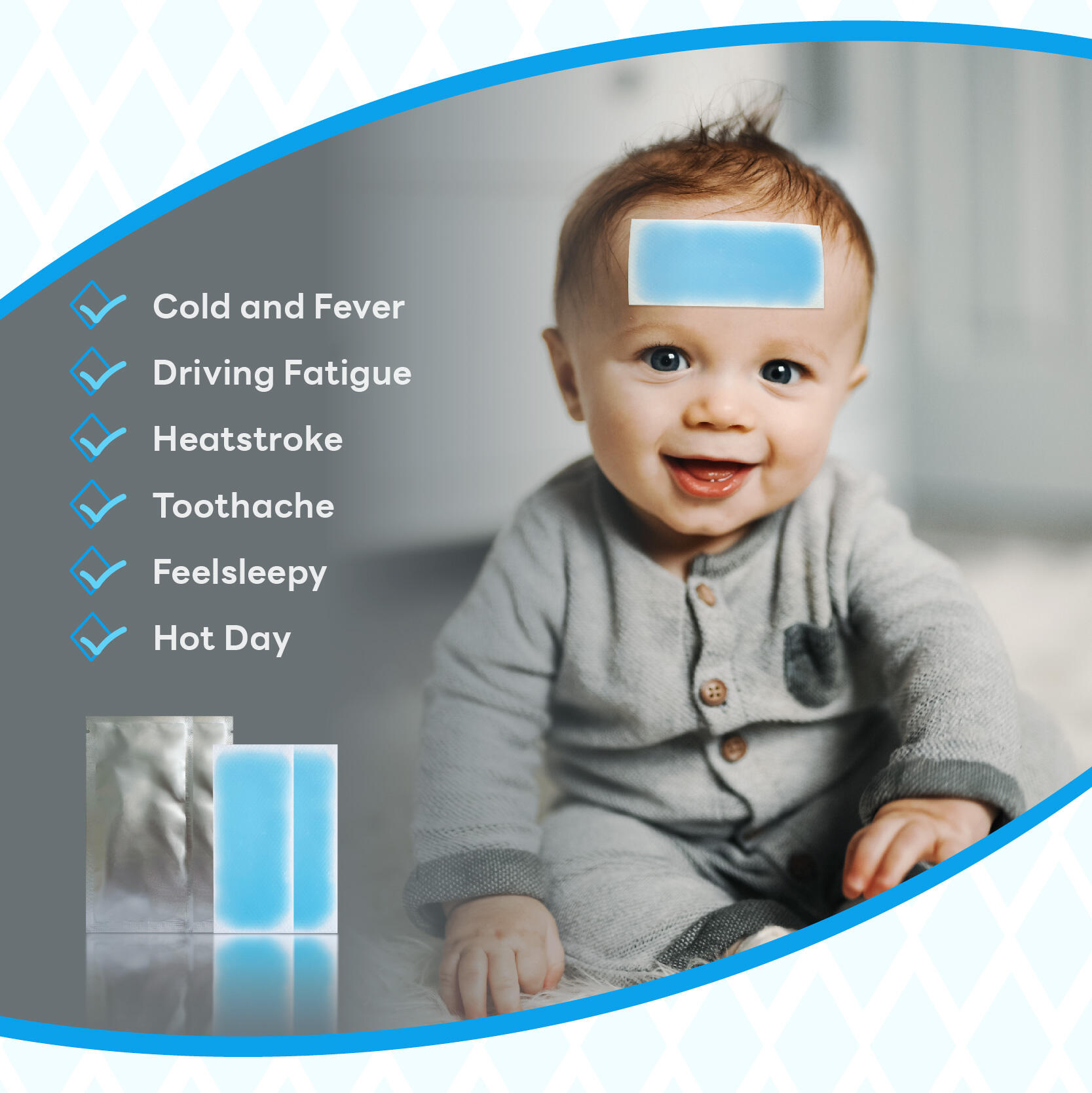
When managing chronic pain or acute discomfort, individuals face a crucial decision between topical and oral pain management solutions. Pain relief patches represent an innovative approach to targeted pain management, offering distinct advantages over traditional oral medications. Understanding the fundamental differences between these delivery methods can help patients and healthcare providers make informed decisions about optimal pain management strategies. The effectiveness, convenience, and safety profiles of pain relief patches versus pills differ significantly, making it essential to explore how each method addresses pain at the physiological level.
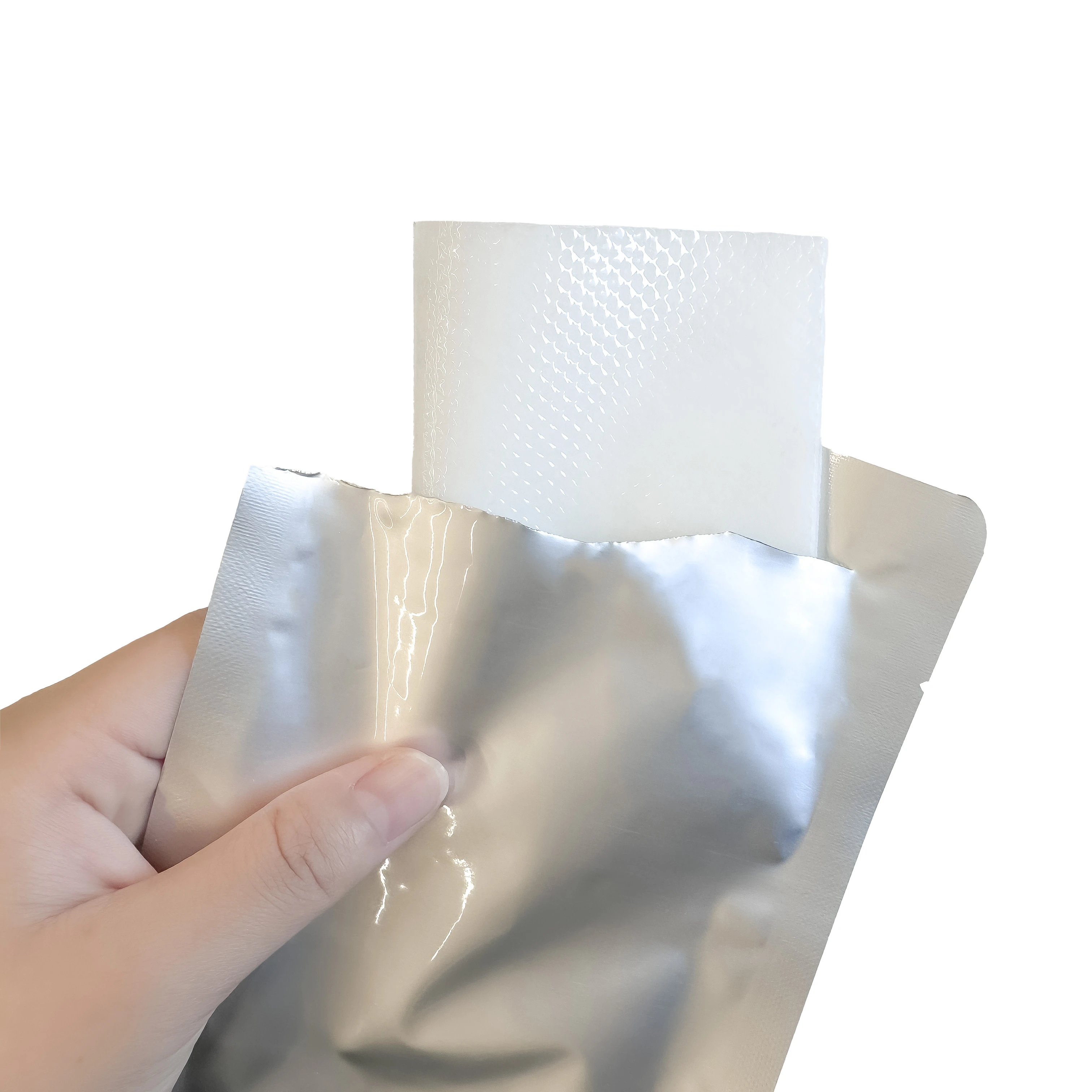
The mechanism of action between topical patches and oral medications creates vastly different therapeutic experiences. Pain relief patches deliver active ingredients directly through the skin to the affected area, bypassing the digestive system entirely. This transdermal delivery system allows for sustained, localized treatment that can provide relief for extended periods. Conversely, oral pain medications must be absorbed through the gastrointestinal tract, metabolized by the liver, and distributed throughout the entire circulatory system before reaching the target area.
Mechanism of Transdermal Drug Delivery
Skin Penetration Technology
The effectiveness of pain relief patches relies on sophisticated transdermal technology that enables active pharmaceutical ingredients to penetrate the skin barrier. Modern patches utilize various penetration enhancers, specialized adhesives, and controlled-release matrices to ensure consistent drug delivery. The stratum corneum, the outermost layer of skin, typically acts as a barrier to foreign substances, but advanced patch formulations overcome this obstacle through chemical and physical enhancement techniques. These innovations allow therapeutic compounds to reach deeper tissue layers where pain receptors and inflammatory processes occur.
Controlled Release Systems
Unlike oral medications that produce peak blood concentrations followed by gradual decline, pain relief patches maintain steady drug levels over extended periods. The controlled-release technology incorporated into quality patches ensures consistent therapeutic concentrations at the application site for hours or even days. This sustained delivery eliminates the fluctuations in pain relief commonly experienced with pill-based treatments. Matrix patches, reservoir patches, and drug-in-adhesive systems represent different approaches to achieving optimal release kinetics for various therapeutic needs.
Pharmacokinetic Differences
Bioavailability and Absorption
The bioavailability of medications differs dramatically between transdermal and oral routes. Pain relief patches deliver drugs directly to local tissues, achieving high concentrations at the target site while minimizing systemic exposure. This targeted approach often results in superior therapeutic outcomes with reduced side effects compared to oral alternatives. Oral medications, however, must survive gastric acid, undergo first-pass hepatic metabolism, and compete with other substances for absorption, significantly reducing the amount of active drug that reaches the intended location.
Systemic Distribution Patterns
When patients use pain relief patches, the systemic distribution remains minimal, focusing therapeutic effects precisely where needed. This localized action reduces the burden on other organ systems and minimizes unwanted interactions with other medications. Oral pain medications distribute throughout the entire body via the bloodstream, potentially affecting multiple organ systems and creating opportunities for adverse drug interactions. The systemic nature of oral medications can be beneficial for widespread pain conditions but unnecessary for localized discomfort.
Clinical Effectiveness Comparison
Onset and Duration of Action
The timing characteristics of pain relief patches versus pills reveal important therapeutic considerations. While oral medications typically provide faster initial relief, often within 30-60 minutes, pain relief patches may require longer onset times but deliver extended duration of action. Many patches provide continuous relief for 8-12 hours or longer, eliminating the need for frequent dosing schedules. This extended duration makes patches particularly valuable for chronic pain management, nighttime pain relief, and situations where consistent medication access might be challenging.
Patient Response Variability
Individual responses to pain relief patches and oral medications can vary significantly based on multiple factors including skin thickness, circulation patterns, and metabolic differences. Pain relief patches may be less effective in patients with poor peripheral circulation or thick, calloused skin, while oral medications might be poorly absorbed in individuals with gastrointestinal disorders. Understanding these patient-specific factors helps healthcare providers select the most appropriate pain management approach for each individual's unique physiological characteristics and lifestyle requirements.
Safety and Side Effect Profiles
Gastrointestinal Impact
One of the most significant advantages of pain relief patches lies in their minimal impact on the gastrointestinal system. Oral pain medications, particularly nonsteroidal anti-inflammatory drugs and opioids, can cause stomach irritation, ulcers, nausea, and digestive disruption. Pain relief patches bypass the digestive tract entirely, making them ideal for patients with sensitive stomachs, history of ulcers, or concurrent gastrointestinal conditions. This advantage becomes particularly important for long-term pain management where cumulative gastrointestinal damage from oral medications poses serious health risks.
Cardiovascular and Hepatic Considerations
The reduced systemic exposure achieved with pain relief patches translates to decreased cardiovascular and hepatic stress compared to oral alternatives. Many oral pain medications require extensive liver metabolism, potentially leading to hepatotoxicity with prolonged use or in susceptible individuals. The lower systemic drug levels associated with transdermal delivery reduce the risk of cardiovascular events, drug-induced liver injury, and interference with other organ systems. This safety advantage makes patches particularly suitable for elderly patients or those with multiple comorbidities requiring careful medication management.
Practical Advantages and Limitations
Convenience and Compliance
Pain relief patches offer superior convenience for many patients, eliminating the need to remember multiple daily doses and providing discreet, continuous treatment. The once-daily or less frequent application schedule improves medication compliance, particularly important for chronic pain management. However, patches may present challenges for individuals with sensitive skin, those who engage in water-based activities, or patients who prefer the immediate control offered by oral medications. The adhesive properties and wear-time of quality patches have improved significantly, addressing many traditional concerns about patch durability and skin tolerance.
Cost and Accessibility Considerations
Economic factors play a crucial role in pain management decisions, with pain relief patches often carrying higher upfront costs than generic oral medications. However, the extended duration of action and reduced need for additional medications or medical interventions may provide long-term economic benefits. Insurance coverage for patches varies, and patients may need prior authorization or step therapy requirements. Accessibility also differs, with oral medications widely available at most pharmacies while specialized patches might require ordering or may not be readily available in all locations.
Patient Selection Criteria
Ideal Candidates for Patch Therapy
Certain patient populations derive particular benefit from pain relief patches over oral alternatives. Patients with localized pain conditions, such as arthritis, muscle strains, or neuropathic pain, often achieve superior outcomes with targeted patch therapy. Individuals with gastrointestinal sensitivity, swallowing difficulties, or concerns about drug interactions make excellent candidates for transdermal treatment. Pain relief patches also benefit patients who require consistent pain control without the peaks and valleys associated with oral dosing schedules, particularly those managing chronic conditions or nighttime pain.
Situations Favoring Oral Medications
Despite the advantages of pain relief patches, oral medications remain the preferred choice for certain clinical situations. Patients requiring rapid pain relief, those with widespread or systemic pain conditions, or individuals with skin sensitivity or allergic reactions to adhesives may benefit more from oral treatments. Emergency or acute pain situations often necessitate the faster onset provided by oral medications. Additionally, patients who prefer the psychological control of taking medication as needed rather than continuous patch application may find oral options more psychologically satisfying for their pain management approach.
Future Developments and Innovations
Advanced Patch Technologies
Emerging technologies continue to enhance the effectiveness and applicability of pain relief patches. Microneedle patches, iontophoretic systems, and smart patches with controlled release mechanisms represent the cutting edge of transdermal drug delivery. These innovations address traditional limitations such as skin barrier resistance, limited drug loading capacity, and lack of dose adjustment capability. Future pain relief patches may incorporate sensors to monitor treatment response, provide real-time feedback, and adjust drug delivery rates based on physiological parameters or patient-reported outcomes.
Personalized Pain Management
The evolution toward personalized medicine will likely influence both patch and oral pain medication development. Genetic testing to determine optimal drug metabolism, skin permeability assessment, and individualized pain response profiling may guide treatment selection between patches and pills. Advanced formulations of pain relief patches may incorporate multiple active ingredients, patient-specific dosing, or combination therapies tailored to individual pain mechanisms and therapeutic requirements. This personalized approach promises to optimize treatment outcomes while minimizing adverse effects across diverse patient populations.
FAQ
How long do pain relief patches take to work compared to pills
Pain relief patches typically require 1-2 hours to achieve therapeutic effect, while oral medications usually begin working within 30-60 minutes. However, patches provide sustained relief for 8-24 hours depending on the formulation, whereas pills may require dosing every 4-6 hours. The slower onset is offset by the longer duration and more consistent drug levels provided by quality patch formulations.
Can pain relief patches cause fewer side effects than oral pain medications
Yes, pain relief patches generally cause fewer systemic side effects because they deliver medication directly to the affected area with minimal absorption into the bloodstream. This targeted delivery reduces gastrointestinal irritation, liver stress, and drug interactions common with oral medications. However, patches may cause local skin reactions such as redness, itching, or adhesive sensitivity in some patients.
Are pain relief patches more expensive than pills
Pain relief patches typically cost more per unit than generic oral pain medications, but the total cost may be comparable when considering the extended duration of action. A single patch often replaces multiple pill doses, and reduced need for additional medications or medical visits may provide overall cost savings. Insurance coverage varies, and patients should verify benefits before switching from oral medications to patch therapy.
Who should not use pain relief patches instead of pills
Patients with sensitive skin, adhesive allergies, or skin conditions at the application site should avoid pain relief patches. Those requiring rapid pain relief, managing widespread pain conditions, or having poor peripheral circulation may achieve better results with oral medications. Pregnant or breastfeeding women should consult healthcare providers before using any pain relief patches, as safety profiles may differ from oral alternatives.