 EN
EN


Proper storage of cold packs is essential for maintaining their effectiveness and extending their lifespan significantly. Medical professionals, athletes, and individuals managing chronic pain rely heavily on these therapeutic devices for injury recovery and pain management. Understanding the correct storage methods ensures that cold packs remain functional for years rather than months, providing consistent temperature control and reliable performance when needed most.
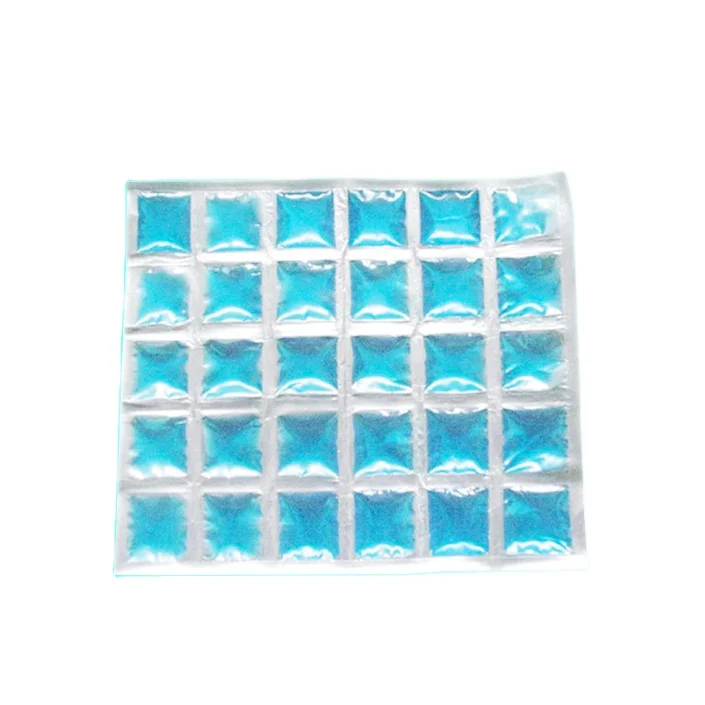
The investment in quality cold packs becomes worthwhile only when proper care and storage practices are implemented consistently. Without appropriate storage techniques, even premium cold packs can deteriorate rapidly, losing their cooling capacity and developing structural weaknesses that compromise their therapeutic value. Healthcare facilities and sports medicine clinics have developed standardized protocols for cold pack maintenance that dramatically improve longevity and cost-effectiveness.
Understanding Cold Pack Materials and Construction
Gel-Based Cold Pack Composition
Modern cold packs utilize specialized gel formulations designed to maintain flexibility at sub-zero temperatures while providing sustained cooling effects. These gels typically contain water, glycol compounds, and polymer thickeners that prevent crystallization during freezing cycles. The gel composition directly influences storage requirements, as certain additives may separate or degrade when exposed to extreme temperature fluctuations or prolonged storage periods.
The outer casing materials, usually vinyl or polyethylene, require specific handling to prevent cracking or puncturing during storage. High-quality cold packs feature reinforced seams and puncture-resistant materials that withstand repeated freeze-thaw cycles. Understanding these material properties helps determine optimal storage conditions and handling procedures that preserve both the gel integrity and casing durability over extended periods.
Temperature Sensitivity and Storage Implications
Cold packs demonstrate varying degrees of temperature sensitivity depending on their gel formulation and casing materials. Professional-grade cold packs often include antifreeze compounds that allow operation at temperatures well below standard freezing points without compromising flexibility. However, extreme temperature exposure during storage can cause gel separation, reduced cooling capacity, and premature material degradation.
Storage temperature ranges significantly impact the molecular structure of gel compounds within cold packs. Temperatures above 90°F can cause gel expansion and potential casing stress, while temperatures below -20°F may lead to gel hardening despite antifreeze additives. Maintaining storage temperatures between 32°F and 80°F optimizes gel stability and extends operational lifespan considerably.
Optimal Storage Environment Conditions
Temperature Control Requirements
Establishing proper temperature control represents the most critical factor in extending cold pack longevity. Storage areas should maintain consistent temperatures between 35°F and 75°F to prevent gel degradation and casing stress. Temperature fluctuations exceeding 20°F within short periods can cause expansion and contraction cycles that weaken seam integrity and promote gel separation over time.
Professional storage facilities utilize climate-controlled environments with temperature monitoring systems to ensure optimal conditions for cold packs and other medical supplies. Automated temperature logging helps identify environmental changes that could compromise product integrity, allowing for immediate corrective action when necessary.
Humidity and Air Quality Management
Relative humidity levels between 40% and 60% provide ideal storage conditions for cold packs, preventing moisture accumulation that can lead to mold growth or casing deterioration. Excessive humidity promotes bacterial growth on exterior surfaces, while extremely low humidity can cause casing materials to become brittle and crack under stress.
Air circulation systems help maintain consistent humidity levels and prevent stagnant conditions that encourage microbial growth. Storage areas should include ventilation systems that provide gentle air movement without creating drafts that might cause temperature fluctuations. Proper air quality management also involves filtering systems that remove particulates and contaminants that could adhere to cold pack surfaces during storage.
Storage Positioning and Arrangement Techniques
Horizontal versus Vertical Storage Methods
The positioning of cold packs during storage significantly influences their structural integrity and gel distribution patterns. Horizontal storage prevents gel settling and maintains even distribution throughout the pack, ensuring consistent cooling performance when activated. Vertical storage may cause gel migration toward lower areas, creating uneven cooling zones and potential weak spots in the casing.
Large-scale storage operations typically implement horizontal rack systems with individual slots for each cold pack, preventing contact between units that could cause abrasion or pressure damage. These systems allow for easy inventory management while maintaining optimal positioning for gel stability and casing protection.
Stacking Limitations and Weight Distribution
Proper stacking techniques prevent excessive pressure on lower cold packs that could compromise their structural integrity or cause gel displacement. Storage systems should limit stacking heights to no more than five units to prevent crushing damage and maintain accessibility for rotation protocols. Weight distribution across storage surfaces ensures even pressure distribution and prevents concentrated stress points.
Professional storage facilities implement weight limits per storage section to prevent overloading that could damage both cold packs and storage infrastructure. Regular monitoring of stack stability and weight distribution helps identify potential issues before they result in product damage or storage system failure.
Cleaning and Preparation Protocols
Pre-Storage Sanitization Procedures
Thorough cleaning and sanitization before storage prevents bacterial growth and maintains hygienic standards essential for medical applications. Cold packs should be cleaned with alcohol-based solutions or medical-grade disinfectants that effectively eliminate pathogens without damaging casing materials or penetrating gel chambers.
The cleaning process involves inspecting each cold pack for damage, cleaning all surfaces with appropriate solutions, and ensuring complete drying before placement in storage areas. Moisture remaining on surfaces can promote bacterial growth during storage and compromise the sterile conditions necessary for medical use.
Damage Assessment and Quality Control
Regular inspection protocols identify potential issues that could worsen during storage, allowing for timely repairs or replacement decisions. Visual inspection should include checking for small punctures, seam weakness, gel discoloration, or casing brittleness that might indicate degradation. Early detection of problems prevents storage of compromised units that could contaminate other cold packs or fail during critical applications.
Documentation of inspection results creates quality control records that track individual cold pack performance over time. This data helps identify patterns in degradation rates and storage condition effectiveness, enabling continuous improvement in storage protocols and replacement scheduling.
Rotation Systems and Inventory Management
First-In-First-Out Implementation
Implementing systematic rotation ensures that cold packs receive regular use cycles that prevent gel stagnation and identify performance issues before they become critical. First-in-first-out rotation systems prevent individual units from remaining in storage for excessive periods that could lead to gel separation or casing degradation.
Digital inventory systems track storage dates and usage cycles for each cold pack, automatically flagging units that require rotation or inspection. These systems optimize storage efficiency while maintaining quality standards essential for reliable therapeutic performance.
Performance Monitoring and Testing Schedules
Regular performance testing validates storage effectiveness and identifies cold packs requiring maintenance or replacement. Testing protocols measure cooling duration, temperature maintenance, and flexibility characteristics that indicate overall condition and functionality. Performance standards ensure that stored cold packs meet therapeutic requirements when deployed for patient care.
Scheduled testing intervals depend on storage duration and usage frequency, with more frequent testing for units stored longer periods. Testing results inform storage protocol adjustments and replacement schedules that optimize cost-effectiveness while maintaining quality standards.
Common Storage Mistakes and Prevention
Temperature Extreme Exposure
Exposure to temperature extremes represents the most common storage mistake that dramatically reduces cold pack lifespan and performance reliability. Storage in vehicle compartments, direct sunlight, or unheated spaces subjects cold packs to temperature fluctuations that cause gel degradation and casing stress. Prevention requires dedicated storage areas with environmental controls that maintain consistent temperature ranges.
Emergency preparedness often leads to improper storage in easily accessible locations that lack environmental controls. While accessibility remains important, proper storage conditions should never be compromised for convenience, as degraded cold packs may fail during critical applications when reliable performance is essential.
Contamination and Cross-Contamination Risks
Inadequate cleaning protocols and storage contamination create health risks and compromise cold pack effectiveness. Storage areas must maintain sanitary conditions that prevent bacterial growth and cross-contamination between units. Regular cleaning schedules and proper ventilation systems help maintain sterile storage environments essential for medical applications.
Contamination prevention also involves proper handling procedures that minimize contact with potentially contaminated surfaces during storage and retrieval. Staff training on contamination prevention ensures consistent adherence to protocols that protect both cold packs and end users from health risks.
FAQ
How long can cold packs be stored before they lose effectiveness
Cold packs can maintain their effectiveness for 2-3 years when stored properly in controlled temperature environments between 35°F and 75°F. However, gel-based cold packs may begin showing signs of degradation after 18 months if exposed to temperature fluctuations or improper storage conditions. Regular performance testing helps determine when individual units require replacement regardless of chronological age.
What temperature range provides optimal storage conditions for cold packs
The optimal storage temperature range for cold packs falls between 35°F and 75°F with minimal temperature fluctuations. Temperatures above 85°F can cause gel expansion and casing stress, while temperatures below 32°F may lead to gel separation and reduced flexibility. Maintaining consistent temperatures within this range maximizes cold pack lifespan and ensures reliable performance when needed.
Can cold packs be stored in regular freezers for extended periods
Extended storage in regular freezers is not recommended for cold packs, as standard freezer temperatures typically range from 0°F to -10°F, which can cause gel hardening and casing brittleness over time. Short-term freezer storage before use is acceptable, but long-term storage should occur at refrigerator temperatures or room temperature depending on manufacturer specifications to prevent material degradation.
What signs indicate that stored cold packs need replacement
Signs that indicate cold pack replacement include visible gel separation, reduced cooling duration, casing cracks or punctures, unusual odors, or loss of flexibility after thawing. Performance testing may reveal decreased temperature maintenance capabilities or uneven cooling distribution that compromises therapeutic effectiveness. Any cold pack showing these signs should be removed from inventory and replaced to ensure reliable performance during medical applications.