 EN
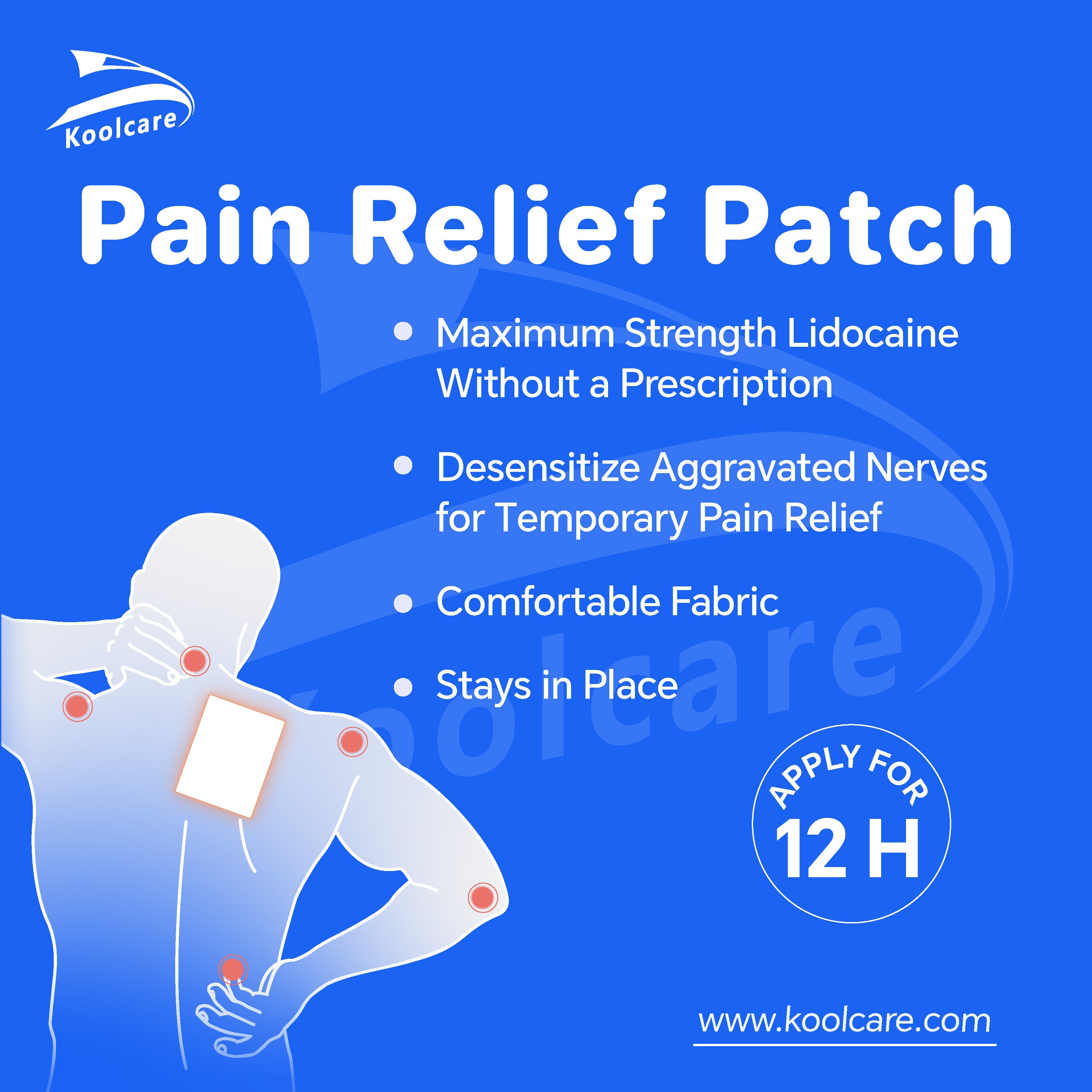
A pain relief patch typically remains effective on skin for four to twelve hours, depending on the formulation, active ingredients, skin condition, and environmental factors. Understanding the actual duration of your pain relief patch is essential for proper pain management planning and ensuring consistent therapeutic coverage throughout your day. The longevity of a pain relief patch extends beyond simple adhesion, involving complex interactions between the patch matrix, skin chemistry, and physical activity levels.
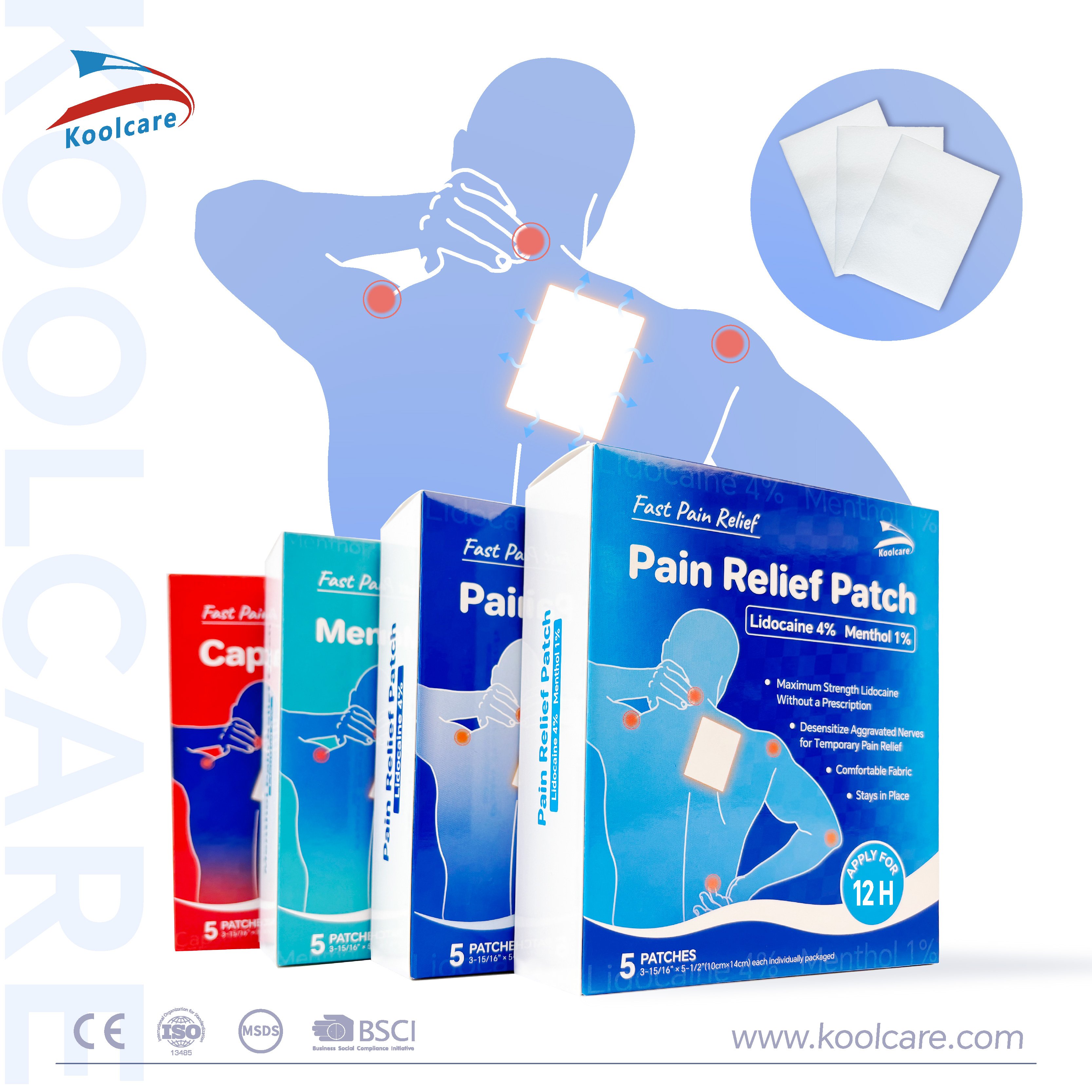
The duration of a pain relief patch on your skin directly impacts your ability to maintain continuous relief and remain productive without interruption. Most clinical-grade pain relief patch products deliver active therapeutic ingredients for a fixed period, after which the patch begins losing its capacity to provide meaningful pain reduction. Knowing precisely how long your pain relief patch will perform helps you schedule reapplication times and avoid periods of inadequate coverage.
Standard Duration Timeline for Pain Relief Patch Products
Typical Adhesion and Therapeutic Window
Most standard pain relief patch formulations are designed to adhere to skin and deliver therapeutic benefit for approximately four to eight hours of continuous wear. A pain relief patch manufactured with hydrogel or gel-matrix technology typically maintains stronger adhesion during this window compared to fabric-based pain relief patch products. The adhesive backing of a pain relief patch degrades gradually as it absorbs skin moisture and flexes with body movement, which naturally limits the maximum effective duration.
Premium pain relief patch variants engineered with advanced polymer adhesives can extend adhesion to ten to twelve hours under optimal conditions. However, standard consumer-grade pain relief patch options most commonly deliver four to six hours of reliable symptom relief. The moment your pain relief patch begins to curl at the edges or feel loose, the therapeutic delivery mechanism has already started to compromise, reducing the effectiveness of remaining active ingredients.
Extended-Duration Pain Relief Patch Formulations
Specialized pain relief patch products developed for extended wear claim durations up to twenty-four hours, though sustained efficacy across the entire period depends heavily on individual skin characteristics and application site. A high-performance pain relief patch with multi-layer delivery systems can meter active ingredients slowly to maintain therapeutic levels throughout extended periods. These advanced pain relief patch options typically cost more but reduce the frequency of reapplication needed for continuous symptom management.
Factors That Influence How Long Pain Relief Patch Lasts
Skin Condition and Hydration Status
Your skin's moisture content dramatically affects how long a pain relief patch maintains adhesion and therapeutic delivery. Dehydrated or very dry skin causes a pain relief patch to adhere more strongly initially but may lose contact as skin rehydrates, whereas moist skin can accelerate adhesive breakdown of your pain relief patch. The oil content of your skin also influences pain relief patch longevity, as excess sebum interferes with adhesive bonding and can cause your pain relief patch to slip prematurely.
Skin conditions such as eczema, psoriasis, or sensitivity dermatitis can alter how effectively a pain relief patch adheres and performs on your skin. Individuals with compromised skin barriers may find their pain relief patch loses adhesion faster than average. Proper skin preparation before applying your pain relief patch, including gentle cleansing and drying, can extend how long the pain relief patch remains effective by creating optimal adhesive contact.
Physical Activity and Friction Exposure
Movement, sweating, and friction are primary reasons why a pain relief patch loses adhesion before its intended duration expires. Athletes or workers engaged in high-intensity activity experience significantly shorter pain relief patch longevity compared to individuals in sedentary roles. Repeated flexing of the muscle group where you apply a pain relief patch accelerates adhesive fatigue and mechanical separation from skin.
Environmental exposure to water, humidity, and temperature fluctuations can reduce pain relief patch durability. Prolonged exposure to moisture from swimming or intense perspiration compromises the adhesive backing and accelerates active ingredient diffusion. A pain relief patch applied during warm weather or humid conditions may last considerably shorter than the same product applied in cool, dry conditions, sometimes reducing effective duration by several hours.
Patch Placement and Application Technique
Where you place your pain relief patch on your body significantly affects how long it remains adhered and functional. Areas with constant movement, such as joints or the lower back, experience faster pain relief patch deterioration than stable areas like the upper arm or shoulder. Applying your pain relief patch to clean, hair-free, and completely dry skin maximizes adhesion longevity and ensures the therapeutic window remains as close to design specifications as possible.
Proper smoothing and pressing of a pain relief patch immediately after application creates better contact pressure and extends its functional duration. Leaving air bubbles or incomplete adhesion when you first apply a pain relief patch causes accelerated edge-peeling and premature loss of seal. The quality of initial application directly determines whether your pain relief patch achieves minimum or maximum expected duration from its designed therapeutic window.
Practical Guidelines for Maximizing Pain Relief Patch Duration
Preparation and Application Best Practices
To ensure your pain relief patch lasts its full intended duration, begin by cleansing the application area with mild soap and warm water at least two hours before applying the patch. Allow your skin to fully dry and cool to room temperature before you apply your pain relief patch, as this improves adhesive bonding and extends pain relief patch longevity. Avoid applying lotion, oil, or other topical products to the area where you plan to place your pain relief patch, as these substances compromise adhesive grip.
When applying your pain relief patch, press firmly from the center outward toward the edges to eliminate air pockets and maximize contact pressure. A properly applied pain relief patch should feel smooth and firmly adhered without any visible wrinkles or lifting. This careful application technique can add hours to your pain relief patch performance and ensure consistent drug delivery throughout the intended duration.
Monitoring and Replacement Protocol
Check your pain relief patch regularly during the expected wear period to monitor adhesion quality and verify it remains fully in contact with skin. If you notice your pain relief patch beginning to curl at the edges or displaying reduced stickiness before the manufacturer-stated duration expires, environmental or skin factors may be accelerating its degradation. Establish a consistent schedule for pain relief patch replacement based on your individual response patterns rather than relying solely on package recommendations.
Rotating application sites helps your skin maintain optimal conditions for pain relief patch adhesion and reduces the risk of local skin irritation from continuous patch contact. After removing your pain relief patch, allow the skin to breathe and recover for at least several hours before applying a new pain relief patch to the same location. This rotation strategy also helps you assess whether specific body areas provide better pain relief patch longevity than others.
FAQ
Does a pain relief patch lose effectiveness before it falls off skin?
Yes, a pain relief patch often begins losing therapeutic potency before adhesion completely fails. As the active ingredient depletes or the polymeric matrix degrades, a pain relief patch may remain physically attached while delivering diminished pain relief. Most users should replace their pain relief patch according to manufacturer duration guidelines rather than waiting until adhesion completely fails, ensuring they maintain consistent symptom management throughout the day.
Can you extend how long a pain relief patch lasts by wearing it longer than recommended?
Extending wear time beyond the recommended duration for a pain relief patch does not proportionally extend pain relief, as the active ingredients and delivery matrix become exhausted. A pain relief patch worn beyond its intended duration may continue to adhere to skin while providing minimal therapeutic benefit. For optimal results and proper pain management, follow manufacturer specifications for pain relief patch duration and replace on schedule rather than attempting to maximize wear time.
What should you do if a pain relief patch falls off before the expected duration?
If your pain relief patch detaches prematurely, examine the skin and patch to determine whether environmental factors, application error, or skin conditions caused early failure. If a pain relief patch remains relatively intact and has been on skin less than half its intended duration, some users carefully reapply it to a nearby clean area. For patches significantly degraded or worn beyond half their duration, replacement with a fresh pain relief patch ensures you receive full therapeutic benefit rather than reduced potency from a partially exhausted patch.