 EN

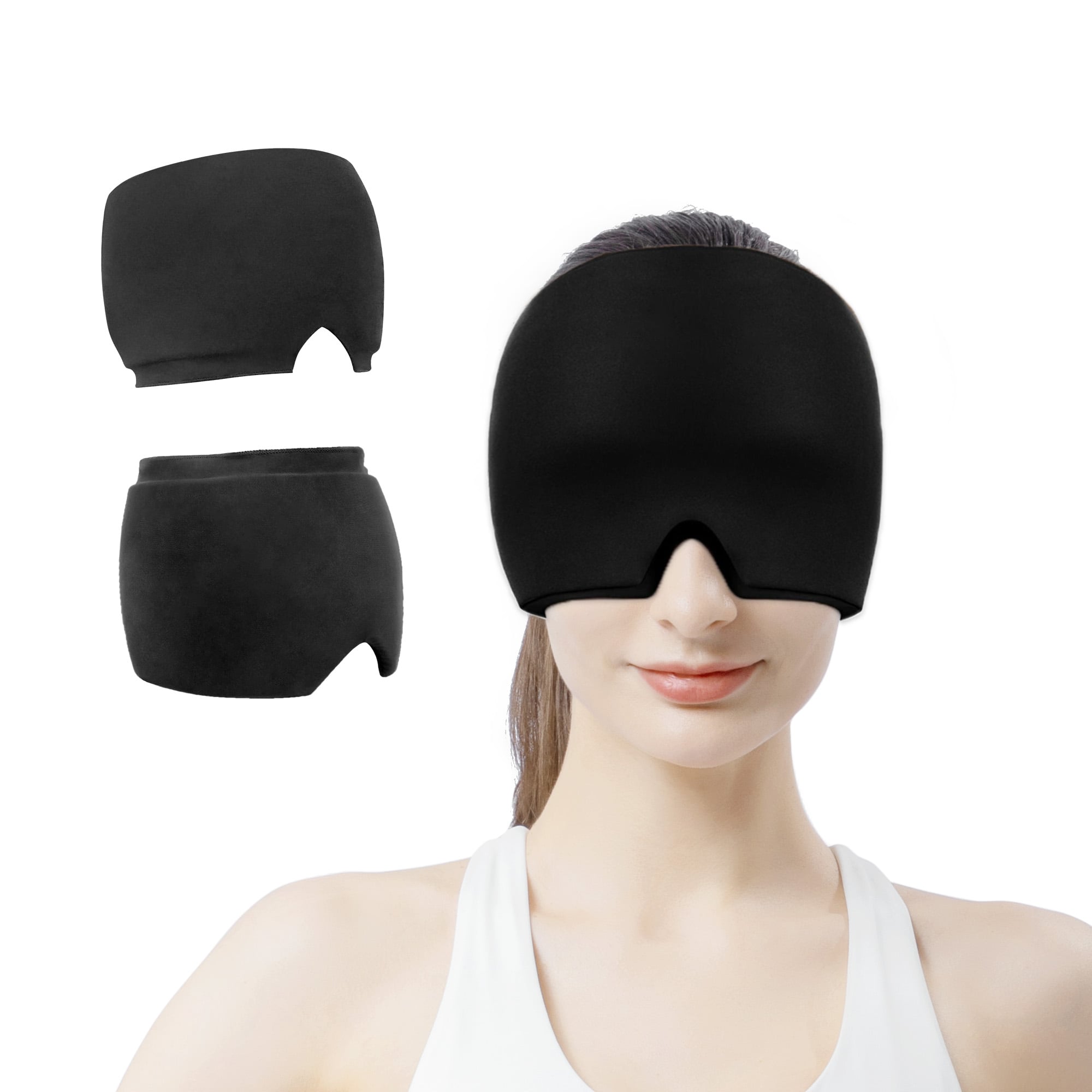
Your neck cooling tube is an essential tool for managing temperature comfort during intense activities, physical recovery, and seasonal transitions. Whether you use a hot cold pack for therapeutic purposes or outdoor performance, proper maintenance directly impacts its durability, effectiveness, and your overall investment value. Understanding how to care for your hot cold pack ensures consistent cooling or heating performance over months of regular use, preventing premature wear and maintaining the integrity of internal components.
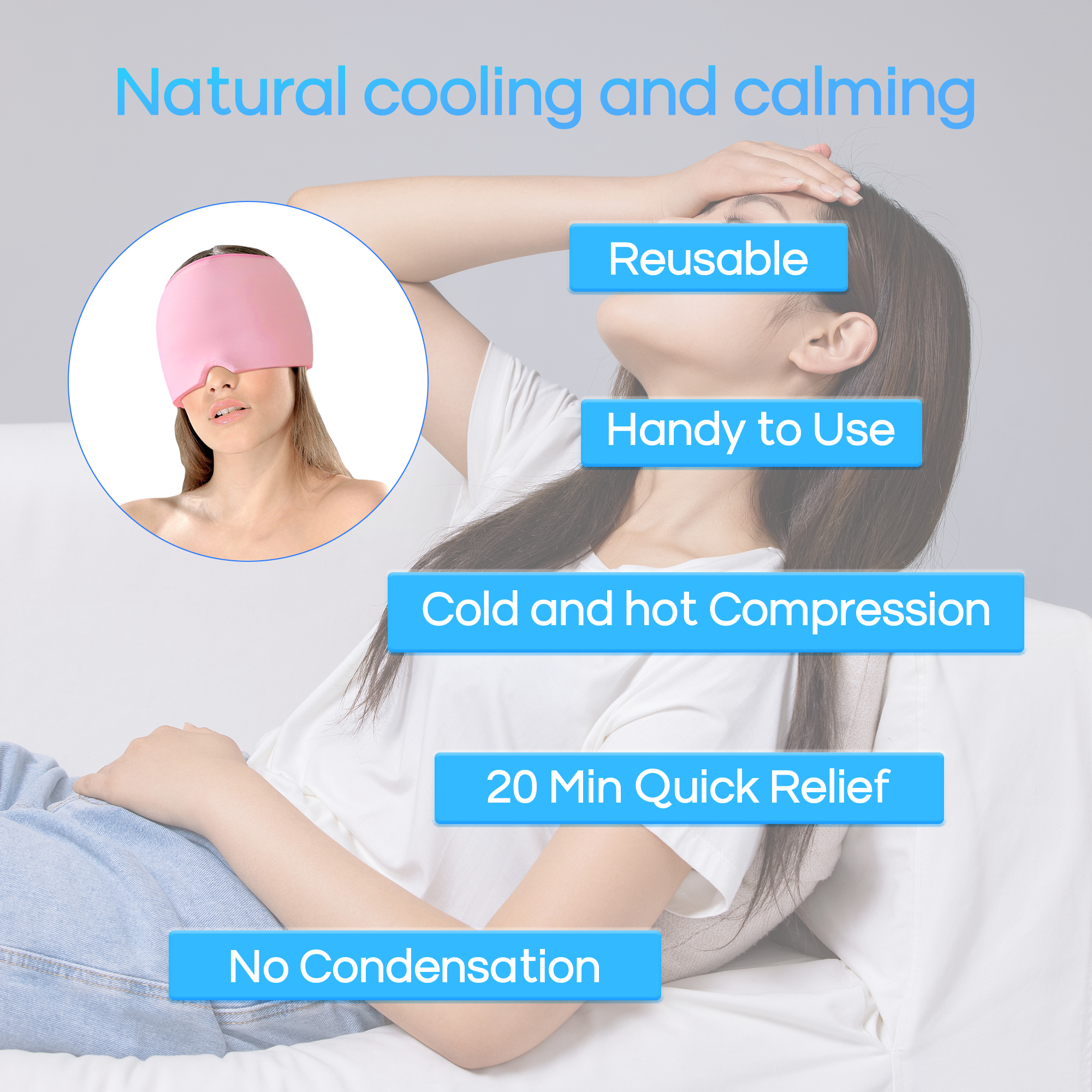
A well-maintained hot cold pack becomes a reliable companion for athletic training, workplace recovery, and daily comfort management. The neck cooling tube design requires attention to specific care protocols that differ from traditional ice packs or heating pads. By following structured maintenance practices, you maximize the lifespan of your hot cold pack while ensuring safe, consistent performance in various environmental conditions and usage scenarios.
Cleaning and Surface Care for Your Hot Cold Pack
Daily Cleaning Procedures
After each use, rinse your hot cold pack under lukewarm running water to remove sweat, dirt, and surface debris that accumulate during activity. Use a soft cloth or non-abrasive sponge to gently wipe the exterior surface, paying special attention to seams and contact points where moisture tends to collect. For your hot cold pack, avoid harsh soaps or chemical cleaners that may degrade the outer material or compromise the gel seal. A mild soap solution works effectively for thorough cleaning without damaging the structural integrity of your cooling tube.
Pat the hot cold pack completely dry with a clean towel after washing, ensuring no moisture remains in crevices or around connection points. Moisture trapped on your hot cold pack can lead to mold growth, material degradation, and potential seal failure over extended storage periods. Allow your hot cold pack to air dry completely in a well-ventilated space before sealing or storing to prevent bacterial accumulation inside enclosed areas.
Addressing Stains and Residue
For stubborn stains on your hot cold pack, mix equal parts white vinegar and water in a spray bottle and apply directly to affected areas. Let the solution sit for five minutes, then wipe gently with a soft cloth and rinse thoroughly. This approach works particularly well for salt residue from sweat or mineral deposits from hard water exposure on your hot cold pack. Never use bleach, abrasive scrubbers, or high-pressure water jets on your hot cold pack, as these can damage the protective coating and compromise the gel enclosure.
Storage and Environmental Control
Optimal Storage Conditions
Store your hot cold pack in a cool, dry location away from direct sunlight and extreme temperature fluctuations. Indoor storage at room temperature between 60 and 75 degrees Fahrenheit is ideal for maintaining the gel consistency and structural integrity of your hot cold pack. Avoid storing your hot cold pack in basements, attics, or outdoor locations where temperature swings may occur, as these conditions can compromise gel viscosity and reduce the effectiveness of your cooling tube.
When not in use for extended periods, place your hot cold pack in a protective carrying case or soft pouch to shield it from dust, scratches, and accidental punctures. This practice significantly extends the lifespan of your hot cold pack by preventing unnecessary wear to the outer material. Keep your hot cold pack away from sharp objects, rough surfaces, and areas where it might experience physical stress or pressure that could weaken the seal.
Temperature Management During Off-Season
If you store your hot cold pack seasonally, maintain consistent ambient temperatures throughout the storage period. Rapid temperature changes can stress the gel material and the outer casing of your hot cold pack, potentially leading to micro-fractures or seal degradation. Before reactivating your hot cold pack after long-term storage, inspect it visually for any signs of damage, leakage, or material breakdown. Allow your hot cold pack to acclimate to room temperature for at least one hour before initial use after storage to ensure optimal performance and safety.
Activation, Usage, and Maintenance Protocols
Proper Activation and Cooling Cycles
Follow manufacturer instructions precisely when activating your hot cold pack through freezing or heating, as improper activation can damage the gel composition and reduce performance longevity. Freeze your hot cold pack in a standard home freezer set to 32 degrees Fahrenheit for the recommended duration, typically between two and four hours depending on pack size. Never attempt to accelerate freezing by using extreme temperatures or alternative methods, as this will compromise the integrity of your hot cold pack and void performance warranties.
Limit consecutive usage periods for your hot cold pack to prevent overextension of the gel material and excessive stress on seams. Most experts recommend using your hot cold pack for 15 to 20 minutes per session, with adequate rest periods between applications. This practice ensures consistent performance and prevents premature aging of the hot cold pack's internal components, extending its useful lifespan significantly.
Seal Inspection and Damage Prevention
Regularly inspect all seams, edges, and connection points on your hot cold pack for signs of wear, separation, or leakage. Small pinhole leaks can expand rapidly during use, so early detection is crucial for preventing total product failure. If you notice any gel seepage, discoloration, or unusual swelling in your hot cold pack, discontinue use immediately and assess whether professional repair or replacement is necessary.
Avoid wrapping your hot cold pack directly in contact with bare skin when using it immediately after activation, as this can cause excessive cooling and potential ice burn. Always use a thin protective cloth between your hot cold pack and skin, maintaining a safety barrier that maximizes therapeutic benefit while minimizing tissue damage. This practice protects both your skin and prolongs the structural integrity of your hot cold pack.
FAQ
How long does a hot cold pack typically last with proper maintenance?
With consistent maintenance and proper care protocols, a quality hot cold pack can last two to three years or longer. The lifespan depends heavily on usage frequency, storage conditions, and adherence to recommended maintenance practices. Professional-grade hot cold packs designed for intensive use often outlast consumer versions, justifying the initial investment through extended durability and reliability.
Can I repair a leaking hot cold pack, or must I replace it?
Minor surface cracks or small leaks in a hot cold pack may be temporarily sealed using gel-specific repair kits available from manufacturers. However, substantial leaks or structural damage typically require replacement to ensure safety and performance reliability. Attempting to use a compromised hot cold pack can result in further deterioration and potential exposure to gel contents, making replacement the safer long-term choice.
What is the best way to clean a hot cold pack without damaging the gel seal?
Use lukewarm water and mild soap with a soft cloth to clean your hot cold pack, avoiding harsh chemicals and abrasive scrubbers. Never submerge the entire hot cold pack in water or expose it to high-pressure water jets, as these can compromise the seal integrity. Gentle surface cleaning with adequate drying time represents the safest and most effective approach for maintaining your hot cold pack.