 EN

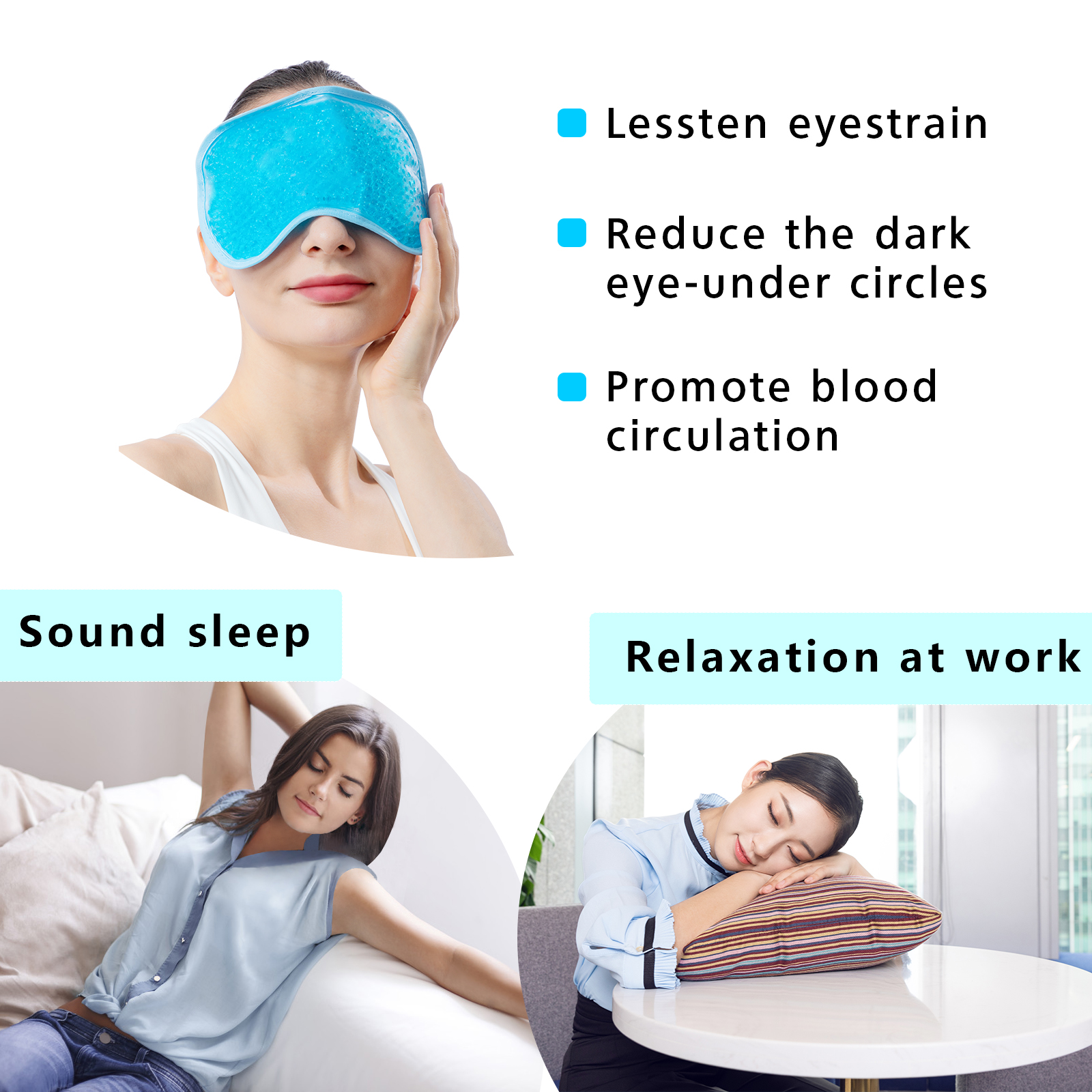
Selecting the right cold compress is essential for effective pain management and injury recovery. Whether you are dealing with acute injuries, muscle soreness, or chronic inflammation, the wrong choice can leave you frustrated and without relief. A quality cold compress delivers consistent therapeutic cold therapy, maintains its temperature longer, and conforms comfortably to your body. Understanding the key differences between cold compress options helps you invest in a product that truly meets your specific health and wellness needs.
The decision to purchase a cold compress involves evaluating several critical factors: intended use, application area, temperature retention, material safety, and budget constraints. A cold compress that works perfectly for a knee injury may not be ideal for facial puffiness or targeted back pain. This guide walks you through the selection process to ensure you choose a cold compress that aligns with your therapeutic goals and lifestyle preferences.
Understanding Cold Compress Types and Applications
Reusable Gel-Based Cold Compress
Reusable gel cold compress products dominate the therapeutic market because they offer exceptional value and consistent performance. These cold compress units contain specially formulated gel that freezes uniformly and maintains cold therapy for extended periods. The flexibility of gel allows a cold compress to mold around joints, shoulders, ankles, and other irregular body surfaces. Unlike ice packs that can cause localized freezing, a quality gel cold compress distributes cold evenly across a wider area, reducing the risk of ice burn and maximizing therapeutic benefit.
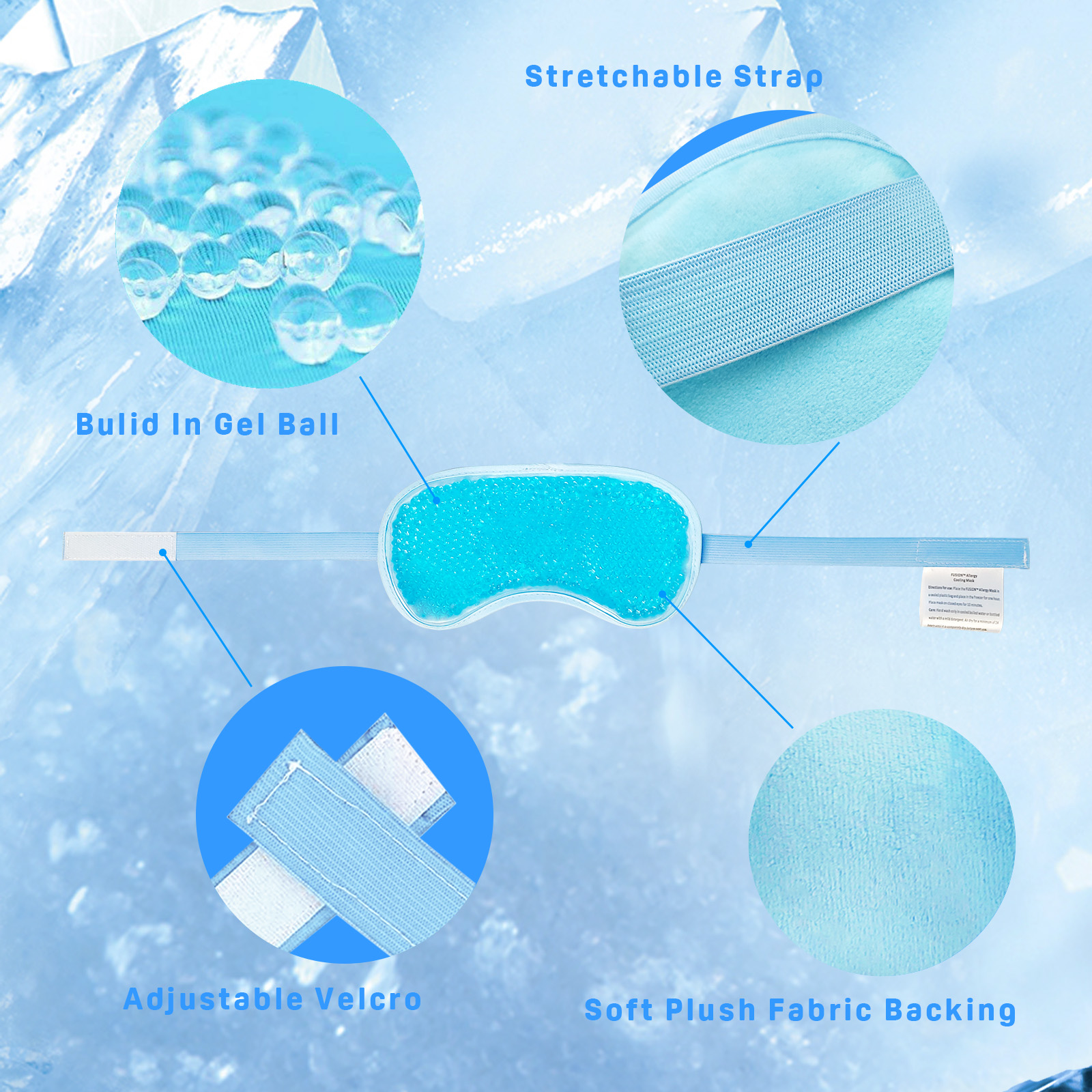
When evaluating a reusable gel cold compress, look for medical-grade materials and non-toxic formulations. The outer covering of your cold compress should be soft, durable, and safe for direct skin contact or use with a thin cloth barrier. Many users prefer a cold compress with adjustable strap systems that allow hands-free application, making it easier to maintain consistent contact during work or rest periods.
Single-Use and Instant Cold Compress
Instant cold compress options activate through chemical reaction when opened, requiring no freezer storage. While these disposable cold compress packs offer convenience for emergencies, travel, or situations where freezer space is unavailable, they tend to be more expensive per use and generate waste. An instant cold compress delivers rapid cooling but typically provides shorter relief duration compared to a pre-frozen reusable cold compress. Consider instant options as backup solutions rather than primary tools for ongoing pain management.
Key Selection Criteria for Cold Compress Performance
Size, Shape, and Target Application Area
The best cold compress for you depends entirely on where you plan to apply it. A cold compress designed for knee injuries features an anatomical shape that wraps securely around the joint. Smaller round or rectangular cold compress designs work better for wrists, elbows, or localized muscle groups. Larger cold compress pads suit back, thigh, or shoulder applications where broader coverage improves therapeutic outcomes. Before purchasing, visualize your intended use and confirm that the cold compress dimensions match your target area adequately.
Shape matters equally as size when selecting a cold compress. A contoured cold compress with straps stays in place during movement, while a flat rectangular cold compress works well for stationary applications like lying down. Some users prefer versatile rectangular cold compress options that can address multiple body areas, making a single product suitable for different treatment scenarios throughout recovery.
Temperature Retention and Cooling Duration
Temperature retention separates premium cold compress solutions from basic alternatives. A quality cold compress maintains therapeutic cold for 20 to 30 minutes or longer, depending on room temperature and gel formulation. Inferior cold compress products cool quickly but lose effectiveness within minutes, requiring frequent refreezing and interrupting your recovery routine. Check product specifications and user reviews to identify a cold compress known for sustained cooling performance.
The freezing time required before use also impacts daily convenience. A cold compress that reaches full effectiveness in two to three hours fits better into typical schedules than one requiring six to eight hours of freezer time. If you use a cold compress frequently throughout the day, consider storing multiple units so a fresh cold compress is always available while others recharge in the freezer.
Material Safety and Skin Compatibility
Safety becomes paramount when selecting a cold compress that contacts your skin regularly. Medical-grade, non-toxic gel ensures your cold compress won't leak hazardous chemicals if punctured or damaged. The outer fabric of a cold compress should be hypoallergenic, washable, and free from harsh dyes that could irritate sensitive skin. Some users prefer a cold compress with a removable, replaceable cover, extending product lifespan and allowing easy cleaning.
Always verify that your chosen cold compress complies with relevant safety standards and comes from a reputable manufacturer. A reliable cold compress should include clear instructions about maximum continuous wear time and recommended frequency of use to prevent frostbite or tissue damage from prolonged extreme cold exposure.
Practical Considerations for Long-Term Cold Compress Use
Durability, Maintenance, and Cost Efficiency
Investing in a durable cold compress saves money over time compared to repeatedly purchasing disposable options. A high-quality reusable cold compress withstands hundreds of freeze-thaw cycles without leaking, degrading, or losing effectiveness. Examine product warranties and return policies when choosing a cold compress; companies confident in durability typically offer extended guarantees. Fabric covers on a cold compress should resist cracking, fading, and wear through regular freezer storage and handling.
Maintenance simplicity matters for long-term compliance with cold therapy protocols. A cold compress with a removable, machine-washable cover requires minimal effort to keep clean and hygienic. Models where the cold compress cover cannot be separated may develop odors or stains over time. Prioritize a cold compress design that integrates easily into your cleaning and storage routine.
Versatility and Multi-Purpose Capability
A cold compress that serves multiple purposes maximizes value for your investment. Flexible rectangular cold compress designs adapt to knees, shoulders, back, or neck pain. Some advanced cold compress products include dual-temperature capabilities, offering both cold and heat therapy from a single unit. Evaluate whether your cold compress needs justify a multi-purpose design or whether a specialized single-application cold compress better matches your primary health concern.
Consider your household's broader wellness needs when selecting a cold compress. If multiple family members suffer from different injuries or chronic conditions, a universal cold compress shape that everyone can use offers practical convenience. Personal, sport-specific cold compress designs deliver superior results for athletes with recurring injuries but lack flexibility for general household use.
FAQ
How long should I use a cold compress each session?
Most healthcare professionals recommend 15 to 20 minutes of cold compress application per session, with at least 45 minutes of rest between applications. Cold compress therapy works best when applied immediately after acute injury, typically within the first 48 hours. Always follow your healthcare provider's specific recommendations regarding duration and frequency for your cold compress use, as individual recovery needs vary based on injury severity and personal tolerance to cold therapy.
Can I use a cold compress directly on bare skin?
Direct contact between a cold compress and bare skin risks ice burn or frostbite, particularly with gel-based cold compress products designed for extreme cold. Experts recommend wrapping a cold compress in a thin cloth barrier or using a cold compress with a soft fabric covering that maintains contact with skin. Always place a protective layer between intense cold compress cooling and sensitive areas, especially when using premium cold compress products engineered for maximum cold retention.
What distinguishes a quality cold compress from a basic one?
Premium cold compress products feature medical-grade gel, superior temperature retention, durable construction, and hypoallergenic materials that justify higher investment. A basic cold compress may cool adequately initially but loses effectiveness faster and often leaks or deteriorates within months. Quality cold compress units maintain consistent performance through hundreds of uses, include replaceable covers, and come backed by manufacturer warranties demonstrating confidence in cold compress longevity and reliability.