 EN
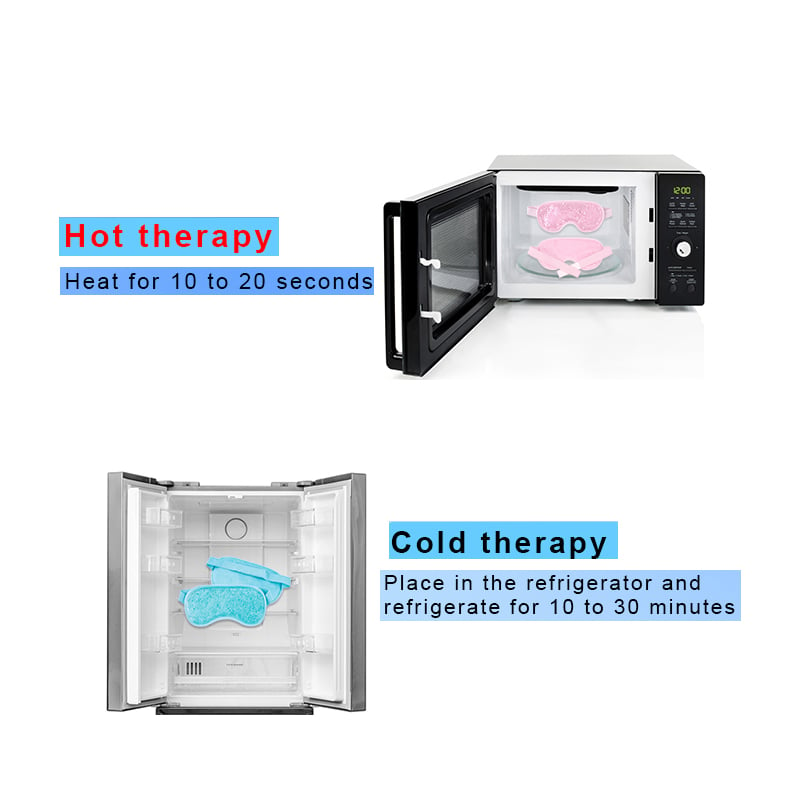
Cold therapy represents one of the most accessible and evidence-based approaches to managing pain, reducing inflammation, and accelerating recovery across multiple medical and athletic contexts. Understanding what cold therapy is and how it functions at both cellular and physiological levels empowers healthcare professionals, athletes, and patients to make informed decisions about when and how to apply cold therapy effectively. This comprehensive guide explores the fundamental mechanisms of cold therapy, its practical applications, and the scientific reasoning behind its widespread clinical use.
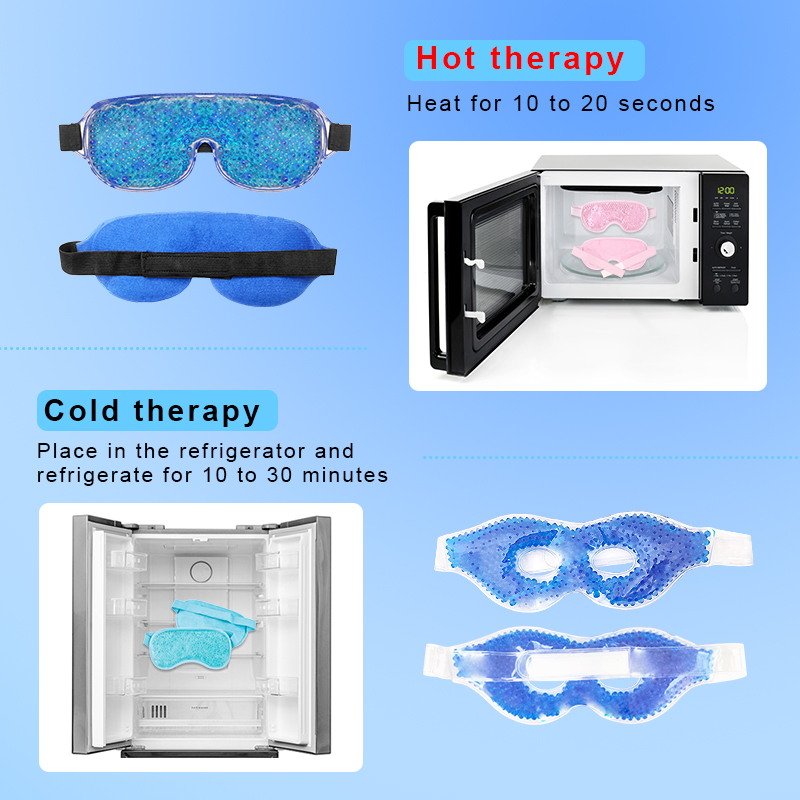
The principles underlying cold therapy have been utilized in medical practice for centuries, yet modern research continues to validate and refine our understanding of how cold therapy delivers therapeutic benefits. When applied correctly, cold therapy triggers a cascade of physiological responses that reduce pain signals, minimize swelling, and create an optimal environment for tissue healing. Whether you are recovering from an acute injury, managing chronic pain conditions, or seeking to enhance athletic performance, cold therapy offers a non-invasive, drug-free alternative that complements other treatment modalities.
Understanding Cold Therapy: Definition and Core Principles
What Defines Cold Therapy
Cold therapy, also known as cryotherapy, involves the therapeutic application of cold or below-normal temperatures to body tissues for the purpose of reducing pain, inflammation, and swelling. The term cold therapy encompasses various delivery methods, from simple ice packs and cold water immersion to more sophisticated cryogenic chambers and targeted cold compression systems. The fundamental principle of cold therapy rests on the body's natural response to cold exposure, which triggers vasoconstriction, metabolic reduction, and neural numbing effects that collectively reduce perceived pain and accelerate recovery processes.
Cold therapy works by lowering the temperature of affected tissues, which slows down inflammatory cascade reactions and reduces the release of pro-inflammatory mediators. Unlike passive rest alone, active cold therapy accelerates the resolution of swelling and creates conditions that minimize secondary tissue damage following acute injuries. The mechanism of cold therapy is grounded in thermodynamic principles, where reduced tissue temperature directly correlates with decreased metabolic demands and reduced nerve conduction velocity.
Temperature Parameters and Duration Considerations
Effective cold therapy applications typically target tissue temperatures between 50 and 60 degrees Fahrenheit, though the precise temperature and duration depend on the specific condition, tissue depth, and individual tolerance factors. Most clinical protocols recommend cold therapy applications lasting between 15 and 20 minutes per session, with longer durations increasing the risk of tissue damage from ice burn or frostbite. Understanding optimal cold therapy timing prevents adverse effects while maximizing therapeutic benefit, making adherence to evidence-based cold therapy protocols essential for safe and effective treatment outcomes.
The Physiological Mechanisms Behind Cold Therapy
Vascular and Inflammatory Responses
When cold therapy is applied to tissues, the immediate physiological response involves vasoconstriction, where blood vessels narrow to conserve heat and reduce blood flow to the affected area. This vascular response is central to why cold therapy reduces swelling, as decreased blood flow means fewer inflammatory cells and fluid accumulation in the damaged tissues. The inflammatory reduction achieved through cold therapy occurs because reduced blood flow delivers fewer inflammatory mediators and cytokines to the injury site, effectively slowing the inflammatory cascade during the critical early hours following trauma.
Beyond the immediate vasoconstriction phase, cold therapy triggers a phenomenon called the hunting response, where blood vessels periodically dilate after prolonged cold exposure. This cyclical vasodilation and vasoconstriction pattern, characteristic of proper cold therapy application, optimizes nutrient delivery and waste removal without creating the excessive swelling that occurs when inflammatory responses proceed unchecked. The metabolic benefits of cold therapy extend beyond inflammation control, as reduced tissue temperature decreases cellular metabolic demands, preserving tissue viability during the critical post-injury window.
Neurological and Pain Modulation Effects
Cold therapy operates through multiple neurological pathways that collectively reduce pain perception and improve functional recovery. When cold therapy is applied, the cold sensation activates specific sensory receptors called cold thermoreceptors, which transmit signals that compete with pain signals traveling along the same neural pathways. This neurological mechanism, known as the gate control theory of pain, explains why cold therapy can provide immediate pain relief even before the full inflammatory benefits of cold therapy become apparent. The numbing effect of cold therapy makes early mobilization and rehabilitation exercises more tolerable, which paradoxically accelerates recovery compared to complete immobilization.
The neurological benefits of cold therapy include reduced muscle spasticity and decreased firing rates of motor neurons, effects that contribute to pain reduction and improved muscular function. Athletes and rehabilitation specialists recognize that cold therapy applied strategically enables earlier return to activity, as the pain modulation from cold therapy allows patients to move without aggravating inflammation. Chronic pain management often incorporates cold therapy specifically for these neurological benefits, as repeated cold therapy applications can retrain pain signaling pathways over time.
Clinical Applications and Practical Implementation of Cold Therapy
Acute Injury Management and Recovery Acceleration
The most direct application of cold therapy occurs immediately following acute injuries such as sprains, strains, and contusions, where cold therapy is typically implemented within the first 72 hours to prevent escalation of swelling and tissue damage. Emergency departments and athletic training facilities routinely employ cold therapy as a first-line intervention because cold therapy addresses inflammation at its source rather than masking symptoms with analgesic medications. Evidence-based protocols recommend cold therapy followed by compression and elevation, collectively known as the R.I.C.E. protocol, where cold therapy forms the foundational intervention that enables other components to work more effectively.
Practical implementation of cold therapy for acute injuries involves selecting an appropriate delivery method such as gel packs, ice bags, or specialized cold compression units, then applying cold therapy for 15 to 20 minutes with a barrier between the cold source and skin to prevent ice burn. Repeated sessions of cold therapy throughout the first 48 hours provide cumulative benefits, with most protocols recommending cold therapy applications every 2 to 3 hours during waking hours. The cost-effectiveness and accessibility of cold therapy make it particularly valuable in settings where advanced medical resources may be limited, yet cold therapy maintains its clinical efficacy across all environments.
Chronic Condition Management and Long-Term Benefits
Beyond acute injury scenarios, cold therapy addresses chronic musculoskeletal conditions including arthritis, tendinitis, and bursitis, where ongoing inflammation perpetuates pain and functional limitations. Patients managing chronic conditions often incorporate cold therapy into daily routines, applying cold therapy strategically after activities that provoke symptoms or during pain flare-ups. The preventive benefits of cold therapy extend to athletic populations, where cold therapy application after training sessions reduces inflammatory accumulation that might otherwise compromise performance adaptations. Long-term compliance with cold therapy protocols requires understanding that cold therapy works through cumulative effects rather than single applications, making consistency more important than intensity.
Physical rehabilitation programs integrate cold therapy strategically throughout recovery phases, using cold therapy to manage inflammation while enabling progressive exercise advancement. Occupational and physical therapists recognize that appropriate cold therapy application enhances exercise tolerance and reduces post-therapy inflammatory responses, accelerating the timeline to functional recovery. Insurance coverage increasingly supports cold therapy recommendations because cold therapy demonstrates clear cost-benefit advantages compared to prolonged pharmaceutical interventions or surgical treatments for many conditions.
Optimizing Cold Therapy Effectiveness and Safety Considerations
Best Practices for Cold Therapy Application
Successful cold therapy implementation requires attention to multiple factors including tissue type, depth of affected structures, individual skin sensitivity, and whether cold therapy is being applied for the first time or as part of ongoing treatment. Superficial tissues respond more quickly to cold therapy than deep structures like joints, necessitating longer cold therapy durations for deep tissue applications while maintaining safe parameters. Skin assessment before and after each cold therapy session helps clinicians identify individual tolerance patterns and adjust cold therapy protocols accordingly, ensuring that cold therapy delivers maximum benefit without adverse effects.
Contraindications and precautions for cold therapy include conditions such as Raynaud's syndrome, cold urticaria, and neuropathies where sensation is diminished, situations where cold therapy may cause harm rather than healing. Patients with compromised circulation should receive medical clearance before implementing cold therapy protocols, as cold therapy-induced vasoconstriction might exacerbate underlying vascular issues. Proper documentation of cold therapy tolerance, any adverse reactions, and therapeutic outcomes enables continuous refinement of individual cold therapy approaches and supports evidence-based clinical decision-making.
Enhancing Cold Therapy Integration into Treatment Plans
Combining cold therapy with complementary modalities such as compression, elevation, and early mobilization creates synergistic effects that exceed what cold therapy alone can achieve. Therapeutic exercise performed shortly after cold therapy application takes advantage of the pain reduction and decreased inflammation provided by cold therapy, enabling more effective rehabilitation. Education regarding realistic timelines for cold therapy benefits, typical recovery progression, and warning signs requiring medical attention improves patient compliance and prevents premature discontinuation of cold therapy protocols.
FAQ
What is the ideal duration for each cold therapy application?
Most clinical guidelines recommend 15 to 20 minutes per cold therapy session as the optimal duration that maximizes therapeutic benefit while minimizing risks of tissue damage or ice burn. Cold therapy applications shorter than 10 minutes may not provide sufficient time for deep tissue cooling, while cold therapy durations exceeding 30 minutes increase the risk of adverse effects. Individual tolerance varies, so clinicians should assess patient comfort during cold therapy applications and adjust cold therapy duration accordingly within evidence-based parameters.
Can cold therapy be combined with heat therapy in the same treatment day?
Yes, cold therapy and heat therapy can complement each other when applied strategically at different time points in the recovery timeline. Early acute phases benefit from exclusive cold therapy use, while cold therapy transitions to heat therapy after 72 hours as inflammation begins resolving and tissue mobility becomes the treatment focus. Some advanced protocols incorporate cold therapy immediately after activity and heat therapy before activity, using cold therapy for inflammation management and heat therapy for mobility preparation, though individual protocols should follow clinical guidelines.
How does cold therapy compare to other pain management options for injury recovery?
Cold therapy offers distinct advantages over pharmaceutical pain management and other modalities by addressing underlying inflammation rather than merely masking pain, making cold therapy particularly effective during acute injury phases. Unlike prescription medications, cold therapy carries minimal systemic side effects and can be applied repeatedly without tolerance development, making cold therapy ideal for extended recovery periods. Cold therapy also enables earlier return to functional activity compared to immobilization alone or medication-based approaches, supporting more complete recovery outcomes and faster restoration of normal function.