 EN
EN
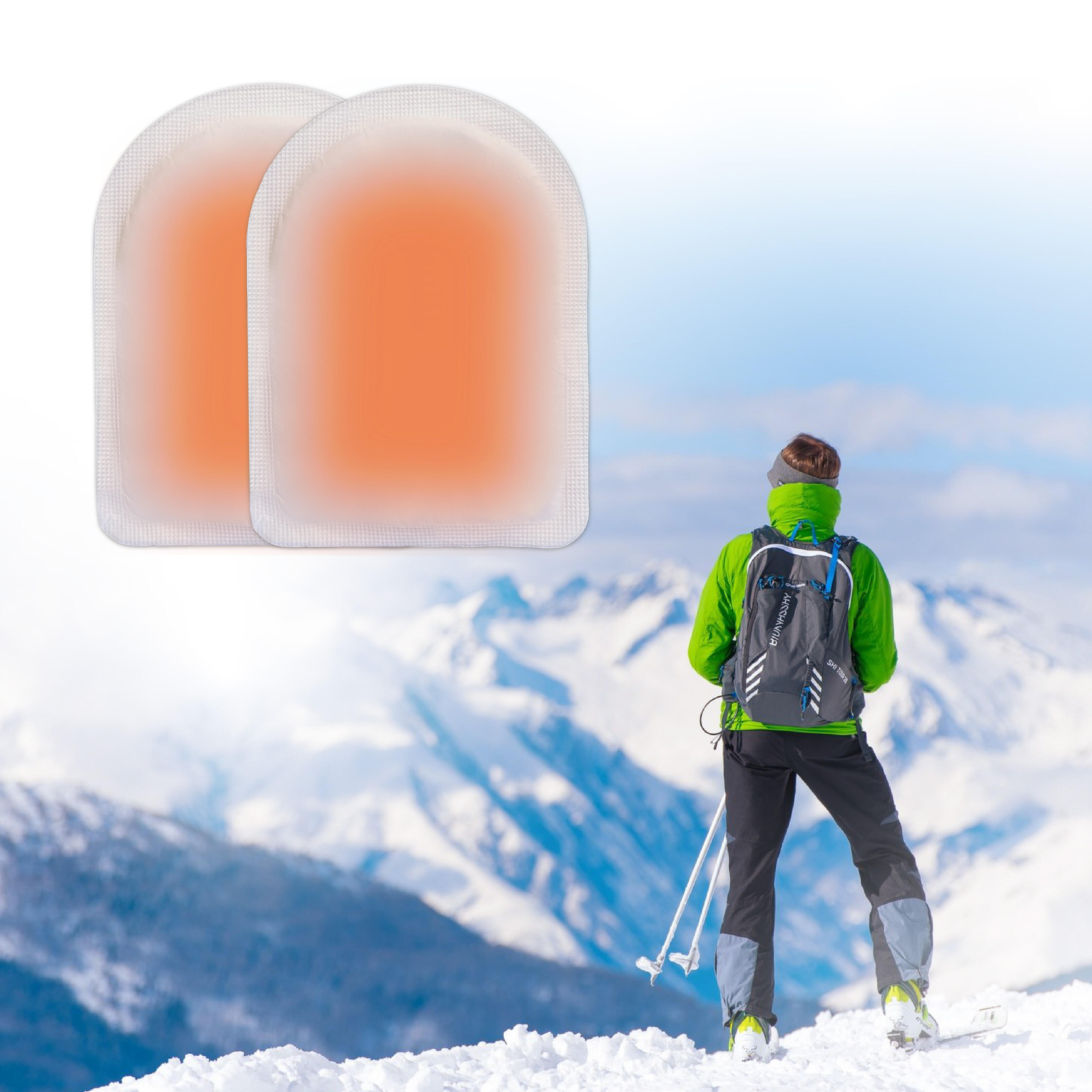
Understanding proper therapeutic temperature application can significantly accelerate your recovery process when dealing with sports injuries, chronic pain, or post-surgical healing. A hot cold pack serves as an essential tool in modern rehabilitation, offering both immediate relief and long-term healing benefits when used correctly. The versatility of these therapeutic devices allows athletes, healthcare professionals, and everyday individuals to manage pain and inflammation effectively across various injury types and recovery stages.
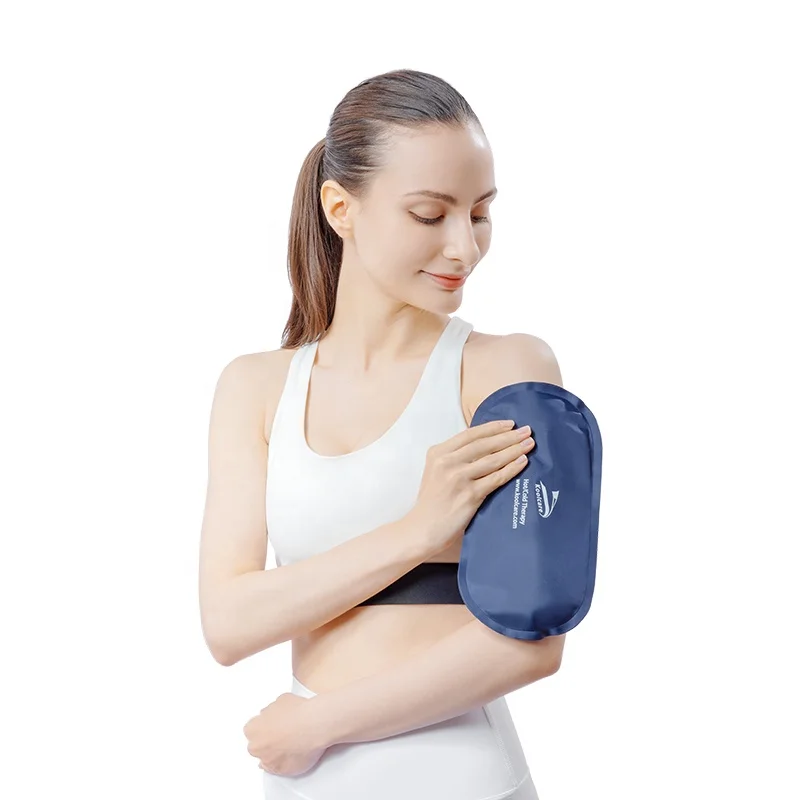
Temperature therapy has been utilized for centuries in medical treatment, but modern gel-based packs have revolutionized how we approach injury management. The science behind hot and cold therapy lies in their opposing physiological effects on blood vessels, nerve conduction, and cellular metabolism. When applied strategically during different phases of injury recovery, a hot cold pack can optimize healing outcomes while minimizing discomfort and reducing overall recovery time.
Understanding the Science Behind Temperature Therapy
Cold Therapy Mechanisms and Benefits
Cold application through a hot cold pack creates vasoconstriction, which reduces blood flow to the affected area and helps control inflammation during the acute injury phase. This physiological response decreases cellular metabolism, slowing down the inflammatory cascade that can lead to excessive swelling and tissue damage. Professional sports medicine practitioners recommend cold therapy immediately following acute injuries to minimize secondary tissue damage and provide analgesic effects through nerve conduction slowing.
The therapeutic benefits extend beyond simple pain relief, as cold therapy helps reduce muscle spasms and provides a numbing effect that can facilitate early mobility exercises. Research demonstrates that optimal cold therapy temperatures range between 50-59°F (10-15°C), which can be consistently achieved with quality gel-based packs. The duration of cold application typically ranges from 15-20 minutes per session, allowing sufficient time for therapeutic benefits without risking cold-induced tissue damage.
Heat Therapy Applications and Physiological Effects
Heat application using a hot cold pack produces vasodilation, increasing blood flow and promoting nutrient delivery to healing tissues. This enhanced circulation accelerates the removal of metabolic waste products while supplying essential healing components like oxygen, proteins, and inflammatory mediators to the injury site. Heat therapy proves particularly effective during the subacute and chronic phases of injury recovery when inflammation has subsided and tissue repair processes dominate.
The warming effect also increases tissue elasticity and reduces joint stiffness, making it an excellent preparatory treatment before stretching or rehabilitation exercises. Muscle relaxation occurs through decreased neural firing rates, allowing for improved range of motion and reduced protective muscle guarding. Optimal therapeutic heat temperatures typically range between 104-113°F (40-45°C), providing sufficient warming without causing thermal burns or excessive tissue stress.
Acute Injury Phase Management
Immediate Response Protocol
During the first 24-48 hours following an acute injury, proper hot cold pack application focuses exclusively on cold therapy to control the initial inflammatory response. The RICE protocol (Rest, Ice, Compression, Elevation) remains the gold standard for acute injury management, with cold therapy serving as the cornerstone of immediate treatment. Apply cold for 15-20 minutes every 2-3 hours during the acute phase, ensuring adequate skin protection to prevent cold burns.
The timing of cold application proves crucial for maximizing therapeutic benefits while preventing complications. Begin cold therapy as soon as possible after injury occurrence, ideally within the first hour when inflammatory cascades are most active. Professional athletes and sports medicine teams maintain cold packs readily available for immediate deployment, understanding that prompt intervention significantly impacts recovery outcomes and return-to-play timelines.
Monitoring and Safety Considerations
Proper monitoring during acute phase cold therapy ensures therapeutic benefits while preventing adverse effects such as frostbite or nerve damage. Always place a thin barrier between the hot cold pack and skin to prevent direct contact that could cause cold burns. Watch for signs of excessive cold exposure including skin color changes, numbness extending beyond the treatment area, or burning sensations that persist after pack removal.
Individuals with compromised circulation, diabetes, or peripheral neuropathy require modified protocols and enhanced monitoring during cold therapy applications. These conditions impair normal protective mechanisms and temperature sensation, increasing risks of cold-induced tissue damage. Healthcare professionals recommend shorter application periods and more frequent monitoring for these populations while maintaining therapeutic effectiveness.
Subacute Recovery Phase Strategies
Transitioning Between Temperature Modalities
The subacute phase, typically occurring 48-72 hours post-injury, represents a critical transition period where treatment protocols shift from pure cold therapy to alternating temperature applications. During this phase, a hot cold pack provides maximum versatility, allowing practitioners to customize treatment based on tissue response and healing progression. Begin introducing brief heat applications while maintaining cold therapy as the primary modality during early subacute recovery.
Contrast therapy, alternating between hot and cold applications, stimulates a vascular pumping action that enhances circulation while controlling residual inflammation. This technique involves applying cold for 3-5 minutes followed by heat for 1-2 minutes, repeating the cycle 3-4 times per session. The alternating vasoconstriction and vasodilation creates a pumping mechanism that facilitates waste product removal while promoting healing factor delivery to injured tissues.
Optimizing Treatment Frequency and Duration
Treatment frequency during the subacute phase requires careful balance between promoting healing and allowing adequate recovery between sessions. Apply your hot cold pack 3-4 times daily, spacing sessions evenly throughout the day to maintain consistent therapeutic benefits. Each session should last 15-20 minutes total, with contrast therapy protocols requiring shorter individual applications but longer overall treatment times.
Patient response guides treatment progression, with successful protocols showing gradual improvement in pain levels, range of motion, and functional capacity. Document treatment responses to identify optimal protocols for individual patients, adjusting temperature, duration, and frequency based on healing progression. Some individuals respond better to longer cold phases, while others benefit from extended heat applications during contrast therapy sessions.
Chronic Pain and Long-term Recovery Applications
Heat-Dominant Protocols for Chronic Conditions
Chronic pain conditions and long-term recovery scenarios benefit primarily from heat therapy applications using a hot cold pack to address tissue stiffness, muscle tension, and restricted mobility. Heat becomes the dominant modality once acute inflammation resolves, typically after the first week following initial injury. Chronic conditions such as arthritis, fibromyalgia, or persistent back pain respond well to consistent heat therapy that improves tissue flexibility and reduces pain perception.
Pre-activity warming protocols prepare tissues for exercise or daily activities by increasing temperature, improving elasticity, and reducing injury risk. Apply heat for 15-20 minutes before stretching, strengthening exercises, or demanding physical activities to optimize tissue preparation and performance outcomes. This proactive approach reduces re-injury risk while facilitating return to normal functional activities.
Maintenance and Preventive Applications
Long-term maintenance protocols incorporate regular hot cold pack applications to prevent symptom recurrence and maintain optimal tissue health. Establish consistent treatment schedules based on activity levels, symptom patterns, and individual response characteristics. Many chronic pain sufferers benefit from daily heat applications during symptomatic periods and 2-3 times weekly during asymptomatic maintenance phases.
Preventive applications before high-risk activities or during weather changes that trigger symptoms help maintain functional capacity and prevent acute flare-ups. Develop personalized protocols based on individual trigger patterns, environmental factors, and activity demands. Some patients require morning heat therapy to address overnight stiffness, while others benefit from post-activity applications to prevent delayed-onset muscle soreness.
Advanced Application Techniques
Targeted Anatomical Considerations
Different body regions require modified hot cold pack application techniques to accommodate anatomical variations, tissue depth, and circulation patterns. Large muscle groups like the quadriceps or back require longer application times and may benefit from larger pack surfaces to achieve therapeutic tissue temperatures. Smaller areas such as wrists, ankles, or finger joints need shorter treatments with more precise temperature control to prevent overheating or overcooling.
Joint-specific applications must consider capsular structures, ligament positioning, and surrounding muscle groups when designing treatment protocols. Knee injuries often benefit from circumferential wrapping techniques that address multiple tissue types simultaneously, while shoulder treatments may require positioning adjustments to access different anatomical structures effectively. Understanding regional anatomy enhances treatment precision and therapeutic outcomes.
Integration with Other Therapeutic Modalities
Combining hot cold pack applications with other therapeutic interventions creates synergistic effects that enhance overall treatment outcomes. Physical therapy exercises perform more effectively when preceded by appropriate temperature preparation, with heat improving tissue flexibility before stretching and cold reducing post-exercise inflammation. Manual therapy techniques become more comfortable and effective when tissues are properly prepared through temperature therapy.
Medication timing can be optimized relative to temperature therapy applications, with topical anti-inflammatory preparations showing enhanced absorption following heat therapy. Oral pain medications often provide improved symptom relief when combined with appropriate temperature therapy that addresses underlying tissue dysfunction. This integrated approach addresses multiple pain mechanisms simultaneously while reducing overall medication requirements.
Safety Guidelines and Contraindications
Recognizing Contraindications and Risk Factors
Certain medical conditions and circumstances contraindicate hot cold pack applications, requiring alternative treatment approaches or modified protocols. Absolute contraindications for cold therapy include Raynaud's disease, cold urticaria, and severe peripheral vascular disease where vasoconstriction could compromise tissue viability. Heat therapy contraindications include acute inflammation, malignancy, pregnancy over certain body areas, and impaired sensation that prevents recognition of excessive temperatures.
Relative contraindications require careful risk-benefit analysis and potentially modified treatment parameters. Diabetes, peripheral neuropathy, and certain medications that affect temperature perception increase risks associated with temperature therapy. These conditions don't necessarily prohibit treatment but require enhanced monitoring, shorter application times, and more frequent assessment of tissue response to prevent adverse outcomes.
Preventing Common Application Errors
Common mistakes in hot cold pack application can reduce therapeutic effectiveness or cause tissue damage, emphasizing the importance of proper technique education. Direct skin contact with extreme temperatures represents the most frequent error, leading to thermal burns or frostbite injuries that complicate recovery. Always maintain appropriate barriers between packs and skin while ensuring adequate heat or cold transfer for therapeutic benefit.
Excessive application duration or frequency can overwhelm tissue adaptive mechanisms, leading to reduced therapeutic response or tissue damage. Follow established protocols for timing and frequency while monitoring individual patient responses to identify optimal parameters. Some patients require longer treatments for therapeutic benefit, while others achieve maximum results with shorter applications, highlighting the importance of individualized treatment approaches.
Selecting and Maintaining Quality Equipment
Evaluating Pack Design and Construction Features
Quality hot cold pack selection requires evaluation of several critical design features that impact therapeutic effectiveness and user safety. Gel consistency affects conformability and heat retention, with high-quality gels maintaining flexibility across temperature ranges while providing consistent thermal properties. Fabric covers should provide adequate insulation while allowing appropriate temperature transfer, preventing direct skin contact while maintaining therapeutic effectiveness.
Size and shape considerations must match intended applications, with larger packs suitable for back or thigh treatments while smaller designs work better for wrists, ankles, or facial applications. Adjustable wrap systems enhance versatility and ensure secure positioning during treatment sessions, particularly important for mobile patients or those requiring hands-free applications during daily activities.
Proper Storage and Maintenance Protocols
Maintaining therapeutic effectiveness requires proper storage and maintenance protocols that preserve pack integrity and performance characteristics. Store gel packs in appropriate temperature environments, avoiding extreme heat or cold that could damage gel consistency or fabric materials. Regular inspection identifies wear patterns, leaks, or fabric deterioration that could compromise safety or effectiveness during treatment applications.
Cleaning protocols must balance hygiene requirements with material preservation, using appropriate cleaning agents that don't degrade fabric or seal integrity. Establish replacement schedules based on usage frequency and condition assessment, recognizing that worn packs may not provide consistent therapeutic temperatures or could pose safety risks through leakage or uneven heating patterns. Quality investment in reliable equipment pays dividends through consistent therapeutic results and reduced replacement costs.
FAQ
How long should I apply a hot cold pack for optimal therapeutic results
Optimal application duration depends on the injury phase and treatment goals, with cold therapy typically applied for 15-20 minutes per session during acute phases, while heat therapy may extend to 20-30 minutes for chronic conditions. Always monitor skin response and discontinue if excessive redness, numbness, or discomfort occurs. Sessions should be spaced 2-3 hours apart during intensive treatment periods, allowing tissues to return to baseline temperature between applications.
When should I switch from cold therapy to heat therapy during injury recovery
The transition from cold to heat therapy typically occurs 48-72 hours post-injury when acute inflammation begins subsiding and tissue repair processes dominate. Signs indicating readiness for heat therapy include reduced swelling, decreased pain with gentle movement, and absence of significant warmth or redness around the injury site. Some injuries benefit from contrast therapy during the transition period, alternating between cold and heat applications within single treatment sessions.
Can I use a hot cold pack if I have diabetes or circulation problems
Individuals with diabetes or circulation disorders can typically use temperature therapy with appropriate modifications and enhanced monitoring. Reduce application times by 25-50%, use moderate temperatures rather than extremes, and inspect skin frequently during and after treatments. Consult healthcare providers before beginning temperature therapy if you have compromised sensation, poor circulation, or difficulty detecting temperature changes, as these conditions increase risks of thermal injury.
What signs indicate I should discontinue hot cold pack treatment immediately
Discontinue treatment immediately if you experience skin color changes beyond normal therapeutic response, burning or stinging sensations, numbness extending beyond the treatment area, or any signs of skin damage such as blistering or excessive redness. Allergic reactions to pack materials, increasing pain during application, or systemic responses like dizziness or nausea also warrant immediate discontinuation and potential medical evaluation to prevent complications.