 EN
EN
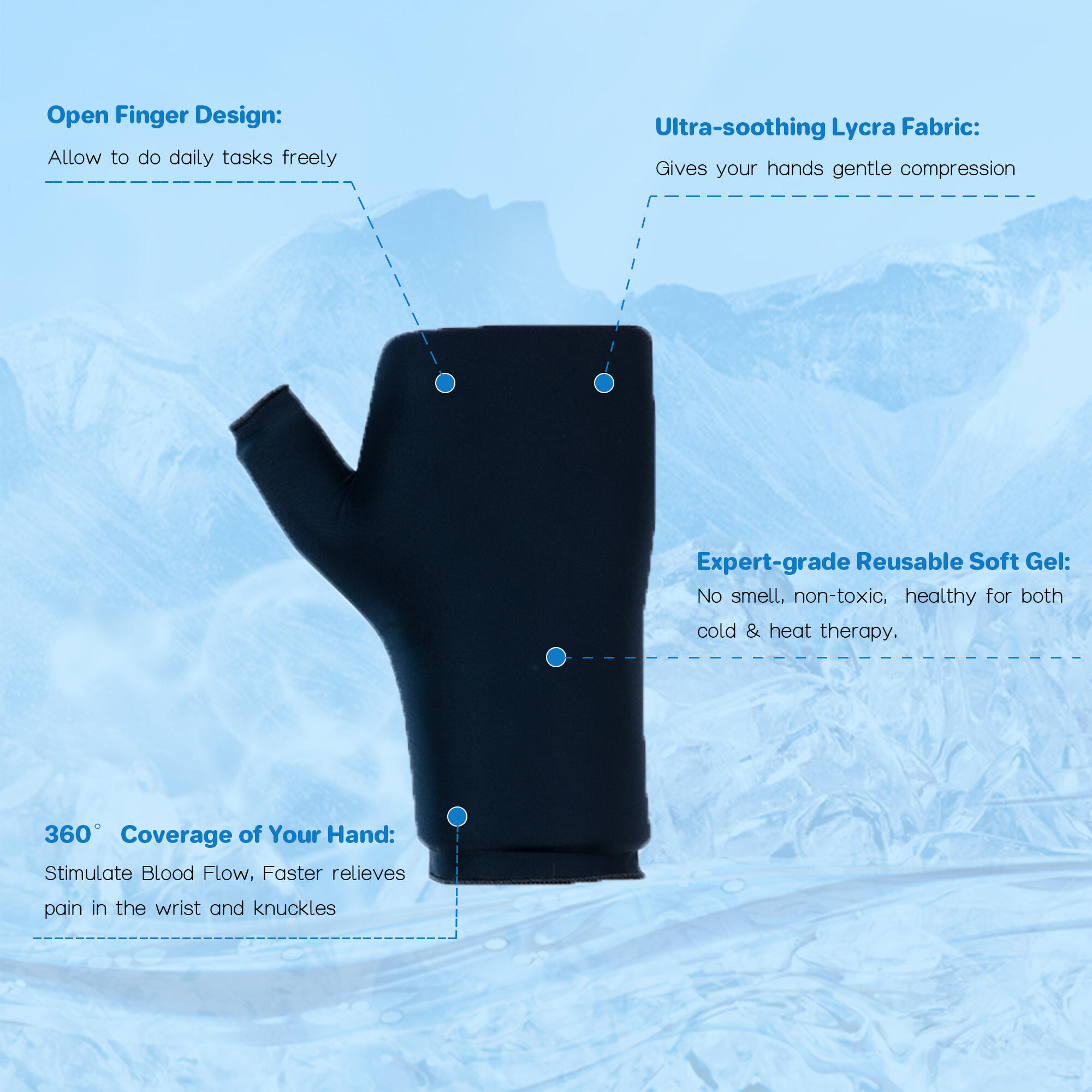
Post-surgical recovery involves managing pain, swelling, and bruising effectively to ensure optimal healing outcomes. Among the various therapeutic interventions available, cryotherapy using a flexible cold pack has emerged as one of the most accessible and effective methods for reducing inflammation and promoting faster recovery. Unlike rigid ice packs that can create pressure points and discomfort, a flexible cold pack conforms to body contours, providing targeted relief exactly where it's needed most. This innovative approach to cold therapy has revolutionized how patients and healthcare providers approach post-operative care, offering superior comfort and therapeutic benefits compared to traditional ice application methods.
Understanding Post-Surgery Inflammation and Its Impact
The Physiological Response to Surgical Trauma
Surgical procedures, regardless of their complexity, trigger an inflammatory response as the body's natural defense mechanism activates to begin the healing process. This response involves increased blood flow to the affected area, resulting in the classic signs of inflammation: swelling, redness, heat, and pain. While this inflammatory cascade is essential for tissue repair, excessive inflammation can impede recovery, increase discomfort, and potentially lead to complications. The swelling that occurs post-surgery is primarily due to increased vascular permeability, allowing fluid to accumulate in the interstitial spaces surrounding the surgical site.
Understanding this inflammatory process is crucial for implementing effective management strategies. The initial 24 to 72 hours following surgery are typically when inflammation peaks, making this period critical for intervention. During this time, the strategic application of cold therapy using a flexible cold pack can significantly influence the inflammatory response, helping to minimize excessive swelling while still allowing the necessary healing processes to occur. The key lies in finding the right balance between therapeutic intervention and allowing natural healing mechanisms to function optimally.
Complications Associated with Excessive Post-Surgical Swelling
Uncontrolled post-surgical swelling can lead to numerous complications that extend recovery time and compromise outcomes. Excessive edema can increase pressure on surrounding tissues, potentially compromising blood circulation and lymphatic drainage. This compromised circulation can slow the delivery of nutrients and oxygen to healing tissues while impeding the removal of metabolic waste products. Additionally, severe swelling can stretch the skin and underlying tissues, potentially affecting wound healing and increasing the risk of dehiscence or infection.
The psychological impact of prolonged swelling should not be overlooked, as patients often experience increased anxiety and discomfort when recovery doesn't progress as expected. Persistent swelling can also interfere with mobility and rehabilitation exercises, creating a cycle where delayed mobilization leads to additional complications such as muscle weakness, joint stiffness, and delayed functional recovery. Early and effective management of post-surgical swelling using tools like a flexible cold pack can help prevent these cascading complications and support a more predictable recovery trajectory.
The Science Behind Cryotherapy and Cold Pack Application
Mechanisms of Action in Cold Therapy
Cryotherapy works through several well-established physiological mechanisms that collectively reduce inflammation and provide pain relief. The primary mechanism involves vasoconstriction, where cold application causes blood vessels to narrow, reducing blood flow to the treated area. This vasoconstriction helps limit the amount of fluid that can leak into surrounding tissues, thereby controlling swelling formation. Additionally, cold temperatures slow down cellular metabolism, reducing the demand for oxygen and nutrients while decreasing the production of inflammatory mediators.
Another crucial mechanism is the analgesic effect achieved through the gate control theory of pain. Cold application stimulates large-diameter nerve fibers that can override pain signals transmitted by smaller nerve fibers, providing immediate pain relief. A flexible cold pack enhances these therapeutic effects by maintaining consistent contact with the skin surface, ensuring optimal heat transfer and sustained therapeutic temperatures. The flexibility also allows for better conformity to irregular body surfaces, maximizing the treatment area and improving overall efficacy compared to rigid alternatives.
Optimal Temperature Ranges and Application Protocols
Research has established specific temperature ranges that maximize the therapeutic benefits of cold therapy while minimizing potential adverse effects. The ideal temperature for cryotherapy typically ranges between 50 to 60 degrees Fahrenheit (10 to 15 degrees Celsius), which provides effective vasoconstriction and anti-inflammatory effects without risking tissue damage. A flexible cold pack designed for medical use maintains these therapeutic temperatures for extended periods, ensuring consistent treatment delivery throughout the application session.
Application protocols typically recommend 15 to 20-minute treatment sessions with 30 to 60-minute intervals between applications to prevent tissue damage and allow for normal circulation restoration. The flexible nature of modern cold packs allows patients to maintain these protocols comfortably, as the conforming design reduces pressure points and hot spots that can occur with rigid ice packs. This improved comfort translates to better patient compliance and more effective treatment outcomes, as patients are more likely to adhere to recommended treatment schedules when comfort is optimized.
Advantages of Flexible Design in Cold Pack Technology
Superior Conformity and Contact Surface Area
The flexible design of modern cold packs represents a significant advancement over traditional rigid ice packs, offering superior therapeutic benefits through enhanced conformity to body contours. This flexibility allows the pack to maintain intimate contact with curved surfaces, irregular anatomical features, and areas with complex topography such as joints, extremities, and facial regions. The increased contact surface area ensures more uniform temperature distribution and more effective heat transfer from the treated tissues.
When a flexible cold pack conforms perfectly to the treatment area, it eliminates air gaps that can reduce therapeutic effectiveness and create uneven cooling patterns. This uniform contact is particularly important in post-surgical applications where consistent temperature delivery across the entire affected area is crucial for optimal results. The ability to wrap around limbs, conform to facial contours, or adapt to the curves of the torso makes flexible cold packs versatile tools that can address swelling and bruising in virtually any anatomical location.
Enhanced Patient Comfort and Compliance
Patient comfort is a critical factor in the success of any therapeutic intervention, and flexible cold pack technology addresses many of the comfort issues associated with traditional ice therapy. The soft, pliable design eliminates pressure points and hard edges that can cause discomfort during extended application periods. This improved comfort is particularly important for post-surgical patients who may already be experiencing significant discomfort and are sensitive to additional pressure or irritation.
The enhanced comfort provided by a flexible cold pack directly correlates with improved patient compliance, as patients are more willing to complete recommended treatment sessions when the experience is comfortable and tolerable. Better compliance translates to more effective treatment outcomes, faster recovery times, and improved patient satisfaction scores. Additionally, the ability to secure flexible packs in place with gentle wrapping or specialized sleeves allows patients to maintain mobility during treatment, supporting early mobilization goals and preventing the complications associated with prolonged immobilization.
Clinical Applications in Post-Surgical Care
Orthopedic Surgery Recovery
Orthopedic procedures often involve significant tissue trauma and bone manipulation, resulting in substantial post-operative swelling and bruising that can impede recovery and delay rehabilitation. The application of a flexible cold pack in orthopedic recovery has become standard practice due to its effectiveness in managing these complications. Whether addressing knee arthroscopy, shoulder surgery, hip replacement, or fracture repair, flexible cold packs provide targeted relief that accelerates the resolution of post-surgical inflammation.
The conforming nature of a flexible cold pack is particularly beneficial in orthopedic applications, where treatment areas often involve complex joint structures and irregular anatomical features. For example, following knee surgery, a flexible cold pack can wrap around the entire joint, providing comprehensive coverage of the surgical site and surrounding tissues. This comprehensive coverage ensures that all inflamed tissues receive therapeutic benefit, rather than just the areas in direct contact with a rigid ice pack. The result is more effective swelling control and faster return to functional mobility.
Plastic and Reconstructive Surgery Applications
Plastic and reconstructive surgical procedures often involve delicate tissues and require precise management of post-operative swelling to achieve optimal aesthetic and functional outcomes. Excessive swelling following facial procedures, breast surgery, or body contouring can compromise surgical results and extend recovery times significantly. A flexible cold pack provides the gentle, conforming cold therapy needed for these sensitive applications without applying excessive pressure that could compromise healing tissues or surgical repairs.
In facial plastic surgery, where precision and gentle treatment are paramount, the ability of a flexible cold pack to conform to facial contours while providing consistent cooling makes it an invaluable tool. The pack can be shaped to avoid pressure on sensitive areas such as the eyes or nose while still providing therapeutic benefit to the entire treatment area. This precision application helps minimize bruising patterns that can be particularly concerning to patients undergoing elective cosmetic procedures, supporting both physical healing and psychological recovery.
Comparing Flexible Cold Packs to Traditional Ice Therapy
Temperature Consistency and Duration
Traditional ice therapy, while effective, suffers from several limitations that flexible cold pack technology has been designed to overcome. Regular ice tends to melt quickly, creating wet conditions that can be messy and uncomfortable while also losing its therapeutic temperature rapidly. This temperature instability requires frequent ice replacement and creates inconsistent treatment conditions that can reduce overall effectiveness. The melting process also creates uneven cooling patterns as ice shifts and changes shape during the treatment session.
A flexible cold pack maintains consistent therapeutic temperatures for much longer periods, typically providing 20 to 30 minutes of effective cold therapy from a single cooling cycle. The gel or specialized cooling medium used in these packs is engineered to maintain optimal therapeutic temperatures while remaining flexible even when frozen. This consistency ensures that patients receive the full therapeutic benefit throughout the entire treatment session, maximizing the anti-inflammatory and analgesic effects while eliminating the need for frequent pack replacement or adjustment.
Safety and Convenience Advantages
Safety considerations favor flexible cold pack technology over traditional ice therapy in several important ways. The controlled cooling medium used in a flexible cold pack is designed to prevent the extreme temperature variations that can occur with direct ice application, reducing the risk of frostbite or thermal injury. The outer covering of quality flexible cold packs provides an additional safety barrier while still allowing effective heat transfer, making them safer for direct skin contact in appropriate applications.
From a convenience standpoint, flexible cold packs offer significant advantages for both patients and healthcare providers. They can be quickly activated when needed, don't create the mess associated with melting ice, and can be easily cleaned and reused. For home recovery situations, patients can prepare multiple packs in advance, ensuring continuous availability of cold therapy without the need to constantly replenish ice supplies. This convenience factor significantly improves treatment adherence and overall patient satisfaction with their recovery experience.
Best Practices for Post-Surgical Cold Pack Application
Timing and Frequency Guidelines
Optimal outcomes from flexible cold pack therapy depend on proper timing and frequency of application, particularly in the critical first 72 hours following surgery when inflammation typically peaks. Healthcare providers generally recommend beginning cold therapy as soon as possible after surgery, ideally within the first few hours when inflammatory processes are initiating. The standard protocol involves 15 to 20-minute application sessions every 2 to 3 hours during waking hours, with this frequency gradually decreasing as swelling subsides and healing progresses.
The timing of flexible cold pack application should be coordinated with other aspects of post-operative care, including medication schedules, wound care, and physical therapy sessions. Many patients find that applying cold therapy before physical therapy sessions helps reduce discomfort and improve mobility during exercises. Additionally, nighttime applications can help manage pain and swelling that tends to worsen when patients are lying flat for extended periods. Establishing a consistent schedule helps patients develop effective self-management skills while ensuring optimal therapeutic outcomes.
Safety Precautions and Contraindications
While flexible cold pack therapy is generally safe and well-tolerated, certain precautions and contraindications must be considered to prevent complications and ensure patient safety. Patients with compromised circulation, diabetes-related neuropathy, or Raynaud's disease may require modified protocols or alternative treatment approaches. Additionally, areas with decreased sensation should be monitored carefully during cold therapy to prevent thermal injury, as patients may not be able to detect excessive cold or tissue damage.
Healthcare providers should educate patients about proper application techniques, including the use of barrier cloths when necessary and recognition of signs that indicate treatment should be discontinued. These warning signs include excessive skin redness, persistent numbness, or signs of frostbite such as white or grayish skin coloration. Regular skin checks during treatment sessions help ensure that the flexible cold pack is providing therapeutic benefit without causing harm, maintaining the delicate balance between effective treatment and patient safety.
Integration with Comprehensive Recovery Programs
Combining Cold Therapy with Other Modalities
The effectiveness of a flexible cold pack can be significantly enhanced when integrated into a comprehensive recovery program that includes multiple therapeutic modalities. Combining cold therapy with elevation, compression, and appropriate medication management creates a synergistic effect that addresses inflammation through multiple pathways simultaneously. This multimodal approach, often referred to as the RICE protocol (Rest, Ice, Compression, Elevation), has evolved to incorporate modern flexible cold pack technology for improved outcomes.
Physical therapy integration is another crucial aspect of comprehensive recovery programs that benefit from strategic flexible cold pack application. Pre-cooling tissues before therapy sessions can reduce pain and improve range of motion, allowing patients to participate more effectively in rehabilitation exercises. Post-therapy cold application helps manage the inflammatory response that may result from therapeutic activities, preventing setbacks and supporting progressive improvement. This coordinated approach ensures that each therapeutic intervention supports and enhances the others, creating optimal conditions for healing and recovery.
Long-term Recovery and Prevention Strategies
Beyond immediate post-operative care, flexible cold pack therapy plays an important role in long-term recovery and prevention of complications. As patients progress through rehabilitation phases, continued strategic use of cold therapy can help manage exercise-induced inflammation and support progressive activity increases. The portable and convenient nature of a flexible cold pack makes it an ideal tool for patients to use independently as they return to normal activities and potentially encounter minor setbacks or flare-ups.
Education about proper long-term use of flexible cold pack therapy empowers patients to take active roles in their recovery and develop self-management skills that extend beyond the immediate post-operative period. Understanding when and how to use cold therapy for maintenance care, minor injury management, and activity-related inflammation helps patients maintain their surgical outcomes and prevent complications that could require additional medical intervention. This educational component transforms the flexible cold pack from a passive treatment tool into an active component of lifelong health management.
FAQ
How soon after surgery can I start using a flexible cold pack
You can typically begin using a flexible cold pack within the first few hours after surgery, once you are cleared by your healthcare provider and any initial medical monitoring is complete. The earlier you start cold therapy, the more effective it will be at controlling the inflammatory response and preventing excessive swelling from developing. However, always follow your surgeon's specific instructions, as some procedures may require delayed cold therapy application due to specific healing considerations or the presence of surgical drains or dressings that need to remain undisturbed.
Can I sleep with a flexible cold pack applied to my surgical site
It is generally not recommended to sleep with a flexible cold pack in place due to safety concerns including prolonged cold exposure and potential thermal injury. The standard recommendation is to limit application sessions to 15-20 minutes with breaks between applications to allow normal circulation to return. If overnight pain and swelling management is needed, consider applying the flexible cold pack for the recommended duration before bedtime and having another session available for middle-of-the-night use if you wake up uncomfortable.
How long should I continue using cold therapy after my surgery
The duration of cold therapy depends on your individual healing progress and the type of surgery performed, but most patients benefit from regular flexible cold pack use for the first 3-5 days post-surgery when inflammation typically peaks. After this initial period, you may continue using cold therapy as needed for comfort and swelling management, particularly after physical therapy sessions or increased activity. Your healthcare provider will guide you on when to transition from regular cold therapy to as-needed use based on your specific recovery progress and reduced inflammation signs.
What should I do if my skin becomes too cold or numb during treatment
If you experience excessive cold sensation, numbness, or any signs of skin color changes during flexible cold pack application, remove the pack immediately and allow your skin to return to normal temperature and sensation. This may indicate that the pack is too cold for your individual tolerance or that you have applied it for too long. Consider using a thin cloth barrier between the pack and your skin for future applications, or reduce the treatment duration. If numbness persists after removing the pack or if you notice any signs of frostbite such as white or grayish skin coloration, contact your healthcare provider immediately.
Table of Contents
- Understanding Post-Surgery Inflammation and Its Impact
- The Science Behind Cryotherapy and Cold Pack Application
- Advantages of Flexible Design in Cold Pack Technology
- Clinical Applications in Post-Surgical Care
- Comparing Flexible Cold Packs to Traditional Ice Therapy
- Best Practices for Post-Surgical Cold Pack Application
- Integration with Comprehensive Recovery Programs
- FAQ