 EN

Cold therapy has become an increasingly popular method for managing pain and inflammation at home, but many people wonder whether using cold therapy on a daily basis is truly safe. The answer is nuanced and depends on proper application, individual health factors, and how you incorporate cold therapy into your routine. Understanding the safety profile of cold therapy will help you make informed decisions about whether this treatment approach aligns with your health needs and lifestyle.
Daily cold therapy can be a safe and effective strategy when applied correctly, but it requires attention to timing, duration, and skin protection. Many athletes, healthcare professionals, and individuals managing chronic pain incorporate cold therapy into their daily routines without adverse effects. However, there are specific guidelines and precautions that must be followed to ensure cold therapy remains beneficial rather than harmful to your skin and underlying tissues.
Understanding Cold Therapy Safety Guidelines
Duration and Frequency Considerations
The safety of cold therapy relies heavily on respecting time limits and allowing adequate recovery between sessions. Most medical professionals recommend that cold therapy applications should not exceed fifteen to twenty minutes per session, even when using cold therapy daily. If you apply cold therapy for longer periods, you risk developing cold-induced injury, numbness, or frostbite-like conditions on the skin.
When incorporating cold therapy into your daily routine, spacing out applications is crucial. A common safe approach involves using cold therapy two to three times daily, with at least two hours between sessions. This frequency allows your tissues to warm and recover naturally while still providing the anti-inflammatory benefits that make cold therapy effective for pain management. Monitoring how your body responds to cold therapy will help you determine the optimal schedule for your specific situation.
Temperature and Protection Barriers
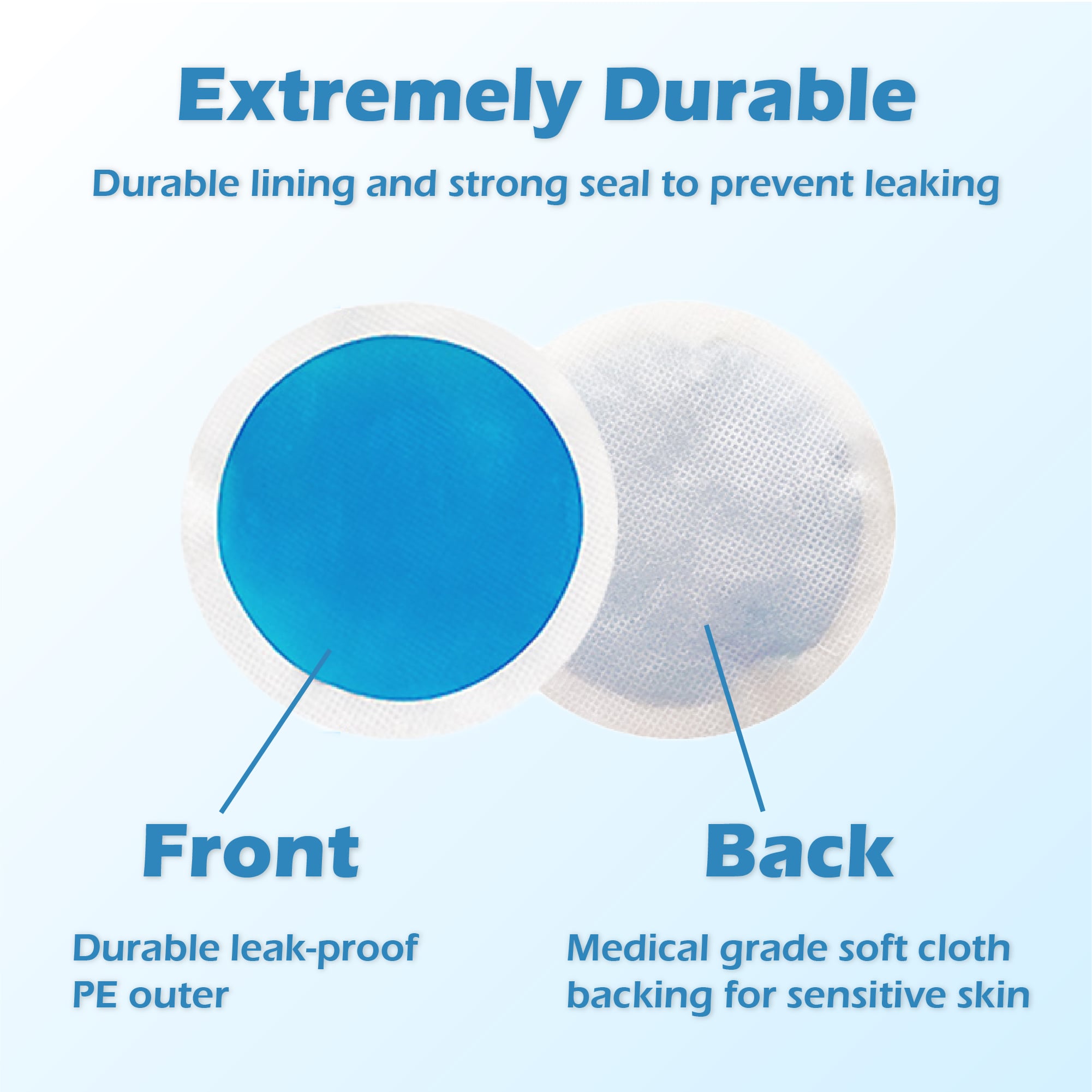
Applying cold therapy directly to bare skin significantly increases injury risk, even during short sessions. Always use a protective barrier such as a cloth, towel, or specialized cold therapy wrap designed with built-in insulation. This barrier prevents cold therapy from causing ice burns or numbness while still allowing therapeutic cooling to reach the affected area.
The temperature of your cold therapy application matters considerably for safety. Frozen gel packs or ice typically range from twenty-eight to thirty-two degrees Fahrenheit, which is appropriate for cold therapy when used with protective barriers. If you're using cold therapy products specifically designed for home use, they typically include guidance on the correct temperature range to maintain safety during daily applications.
Health Conditions and Cold Therapy Contraindications
When Cold Therapy Requires Medical Clearance
Certain medical conditions make daily cold therapy problematic or unsafe without professional supervision. If you have cardiovascular issues, Raynaud's syndrome, or impaired circulation, cold therapy can trigger complications and should only be used under medical guidance. Individuals with diabetes or neuropathy may have reduced sensation, making it difficult to detect early signs of cold therapy-related skin damage.
Cold therapy can also interact negatively with certain medications or health treatments. For example, if you're using topical pain medications, cold therapy might interfere with absorption or increase skin irritation. Before starting a daily cold therapy regimen, discuss your plans with your healthcare provider, especially if you have pre-existing health conditions or take medications that affect circulation or skin sensitivity.
Age-Related Considerations for Cold Therapy
Children and elderly individuals have different tolerance levels for cold therapy compared to healthy adults. Young children have developing nervous systems and smaller body surface areas, so cold therapy exposure carries greater risks of adverse effects. Elderly individuals may have reduced circulation or age-related skin changes that make them more vulnerable to cold therapy complications.
If you're considering daily cold therapy for a child or aging family member, shorter durations and more conservative frequency schedules are advisable. Starting with once-daily cold therapy applications for five to ten minutes represents a safer introduction than immediately implementing multiple daily sessions. Observing the person's skin response and monitoring for signs of discomfort helps ensure that cold therapy remains safe throughout continued use.
Practical Safety Practices for Daily Cold Therapy Use
Monitoring Skin Condition and Response
Regular inspection of skin exposed to cold therapy is essential when using cold therapy daily. Healthy skin should return to normal color within several hours after cold therapy application. If you notice persistent redness, unusual swelling, blistering, or skin discoloration continuing beyond a few hours after cold therapy, discontinue use and consult a healthcare professional.
Some people develop increased sensitivity to cold therapy over time, particularly with daily use. If you notice that cold therapy previously felt tolerable now causes pain, numbness that doesn't resolve quickly, or other unusual sensations, it's wise to reduce the frequency or duration of cold therapy. Your skin's response to cold therapy can change based on seasonal temperature variations, hydration levels, and overall health status.
Combining Cold Therapy with Other Treatments
Many people use cold therapy alongside other pain management strategies, but interactions between treatments require careful consideration. Using cold therapy immediately before or after heat therapy can stress your circulatory system unnecessarily. If you use both treatments, separate cold therapy and heat therapy applications by at least an hour to allow your body adequate recovery time.
When using cold therapy with medications or compression wraps, ensure these elements don't conflict. Some pain relief medications are designed to work optimally at specific temperatures, and cold therapy might interfere with their effectiveness. Compression combined with cold therapy is often beneficial, but avoid wrapping too tightly when using cold therapy, as restricted circulation could amplify cold-related risks to tissues.
FAQ
How long is it safe to use cold therapy every day?
Daily cold therapy is generally safe when limited to fifteen to twenty minutes per application, with no more than three sessions daily and at least two hours between sessions. Most healthcare professionals support this frequency for managing acute pain or swelling. However, individual tolerance varies, so begin with shorter durations and monitor your response before increasing frequency or duration of cold therapy.
Can cold therapy damage skin with daily use?
Cold therapy can damage skin if applied directly without protection or for excessive durations. Using protective barriers like towels or designed wraps prevents most cold therapy-related injury, even with daily use. Frostbite-like conditions only occur when cold therapy is extreme or prolonged, so following recommended guidelines and monitoring your skin virtually eliminates this risk from daily cold therapy applications.
Should I consult a doctor before starting daily cold therapy?
Consulting your healthcare provider before beginning daily cold therapy is wise if you have cardiovascular conditions, circulatory problems, diabetes, or take medications affecting circulation. Healthy individuals without concerning medical history can typically begin cold therapy safely, but professional input provides personalized guidance for your situation. Your doctor can recommend specific cold therapy duration and frequency tailored to your condition and overall health status.