 EN


A cold pack is a portable therapeutic device designed to reduce pain, swelling, and inflammation through controlled temperature application. Whether you're dealing with acute injuries, chronic pain, or post-surgical recovery, understanding how a cold pack functions can help you make informed decisions about your pain management strategy. A cold pack delivers localized cooling to affected areas, making it an essential tool in both clinical and home care environments across diverse industries and medical settings.
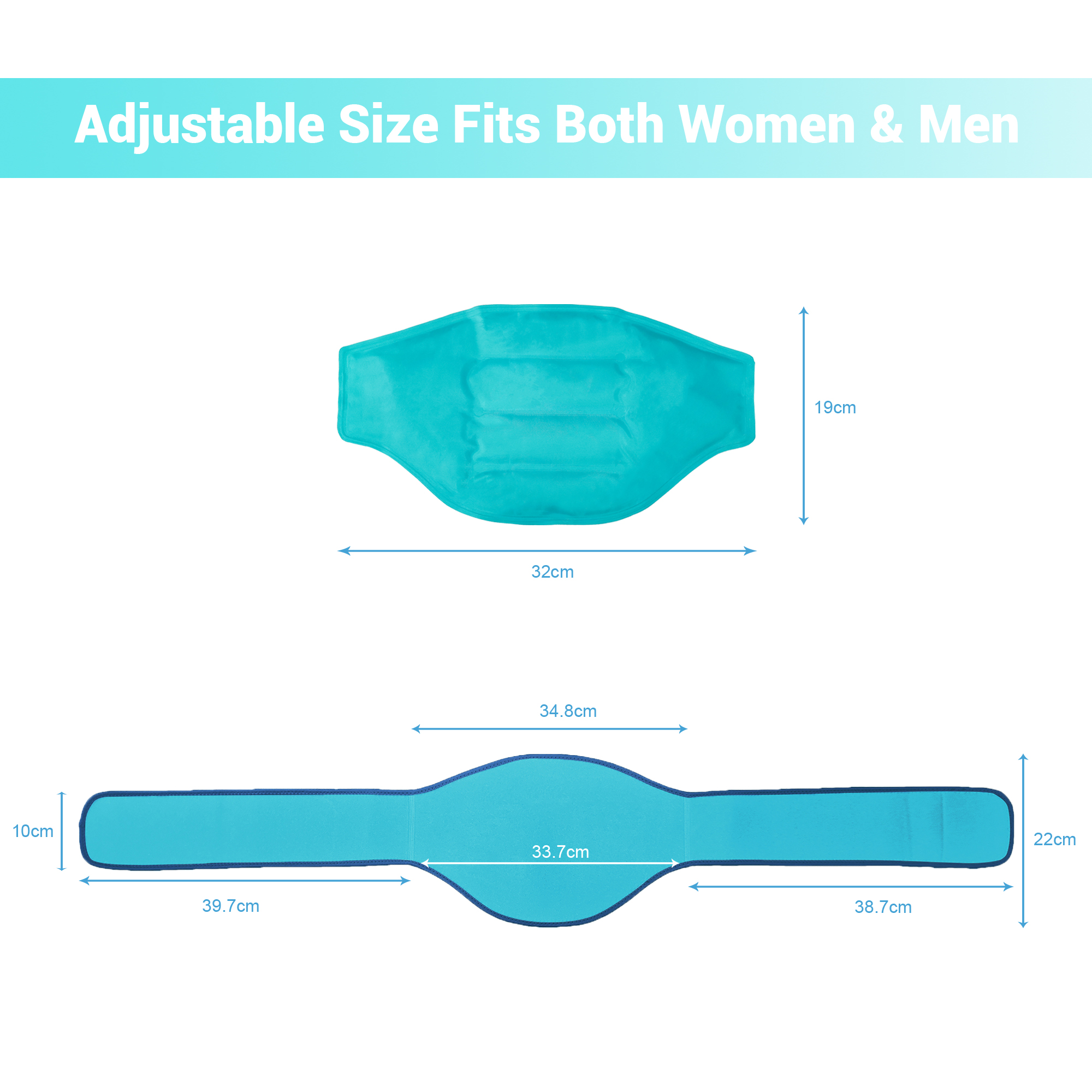
The effectiveness of a cold pack lies in its ability to constrict blood vessels, reduce metabolic activity, and numb nerve endings in the affected region. When applied correctly, a cold pack works by lowering tissue temperature, which decreases inflammation and provides immediate relief from acute pain. This therapeutic approach has been proven effective in emergency rooms, sports medicine facilities, physical therapy clinics, and household first-aid protocols worldwide. Understanding the mechanisms behind a cold pack and its proper application ensures optimal results and prevents potential complications from improper use.
Understanding Cold Pack Technology and Design
What Makes a Cold Pack Function
A cold pack operates through phase-change materials or gel-based compounds that absorb heat from surrounding tissue. When you apply a cold pack to an injured area, the temperature differential creates a thermal gradient that draws heat away from the skin and underlying structures. Most modern cold pack designs feature insulated exteriors that maintain consistent cooling temperatures while protecting skin from direct contact. The cold pack's construction allows for controlled heat transfer, preventing excessive cooling that could cause tissue damage or frostbite, making it a safe therapeutic option when used according to guidelines.
Types of Cold Pack Solutions
Different cold pack formulations serve specific therapeutic needs in various medical and industrial applications. Reusable gel cold pack products contain specialized compounds that freeze at controlled temperatures and maintain cooling effects for extended periods. Single-use cold pack options employ chemical reactions that generate cooling when activated, offering convenience in emergency situations. Long-duration cold pack designs incorporate advanced gel technology that sustains therapeutic temperatures longer than traditional ice-based solutions, making them ideal for extended treatment sessions or professional environments requiring sustained cold therapy.
The Physiological Mechanism of Cold Pack Therapy
How Cold Pack Application Reduces Inflammation
When you apply a cold pack to injured tissue, vasoconstriction immediately reduces blood flow to the affected area, which decreases inflammatory response and swelling. The cold pack's cooling effect slows metabolic processes in damaged cells, reducing their demand for oxygen and nutrients during the critical post-injury period. This physiological response makes a cold pack particularly effective during the first forty-eight to seventy-two hours following acute injuries. The reduction in inflammation through cold pack therapy also decreases pressure on nerve endings, providing pain relief that complements other treatment modalities in clinical and home settings.
Pain Relief and Nerve Response
A cold pack provides pain relief through a phenomenon called 'gate control theory,' where cold stimulation blocks pain signal transmission along nerve fibers. The numbing effect of a cold pack occurs within minutes of application, offering immediate comfort to patients experiencing acute discomfort. This pain management approach proves valuable in emergency departments, sports injury treatment, and post-operative recovery protocols. The cold pack's ability to reduce nerve sensitivity makes it particularly useful for conditions like acute sprains, strains, and contusions where pain management without pharmaceuticals is desirable.
Practical Applications and Best Practices for Cold Pack Use
Optimal Timing and Duration for Cold Pack Application
The timing of cold pack application significantly influences therapeutic outcomes in pain management and injury recovery. Applying a cold pack within the first few hours after injury maximizes its anti-inflammatory benefits and pain-reduction potential. Healthcare professionals recommend using a cold pack for fifteen to twenty minutes per session, with breaks between applications to allow tissue temperature normalization. Consistent cold pack therapy during the acute injury phase, typically the first two to three days, produces superior results compared to delayed or sporadic applications, making early intervention a cornerstone of effective pain management strategy.
Safety Considerations and Cold Pack Positioning
Proper cold pack placement ensures therapeutic benefit while preventing tissue damage from excessive cold exposure. Always apply a cold pack through a protective barrier like a towel or cloth rather than directly against skin to avoid cold-induced injury. Individuals with conditions like Raynaud's syndrome, peripheral neuropathy, or compromised circulation should consult healthcare providers before using a cold pack. Monitoring skin response during cold pack application prevents complications such as ice burns or nerve damage, making conscious observation an essential component of safe pain management practice in any setting.
FAQ
How long should I leave a cold pack on an injury?
The recommended duration for cold pack application is fifteen to twenty minutes per session. Applying a cold pack longer than this timeframe increases the risk of tissue damage, numbness, or ice burns. Most healthcare professionals recommend repeating cold pack therapy every two to three hours during acute injury phases, allowing at least an hour between sessions for tissue recovery and normal circulation restoration.
Can I use a cold pack for chronic pain conditions?
While cold pack therapy primarily treats acute injuries, some chronic pain conditions benefit from periodic cold pack application. Arthritis, muscle soreness, and repetitive strain injuries may respond positively to regular cold pack sessions, though results vary by individual and condition type. Consult your healthcare provider about incorporating cold pack therapy into your chronic pain management plan, as they can provide personalized recommendations based on your specific diagnosis and medical history.
What's the difference between a cold pack and ice?
A cold pack maintains consistent therapeutic temperatures through controlled gel formulation, whereas ice can become too cold and cause tissue damage more easily. Cold pack products often provide longer-lasting cooling effects compared to traditional ice, and gel-based cold pack designs conform better to body contours. Modern cold pack technology offers superior temperature control and safety features, making commercial cold pack options preferable to ice for extended therapeutic use in both professional and home environments.