 EN
EN
Pain management has evolved significantly over the decades, yet one of the most effective and time-tested approaches remains surprisingly simple: cold therapy. This therapeutic technique harnesses the body's natural physiological responses to cold temperatures, creating a cascade of beneficial effects that can provide immediate and lasting relief from various types of pain and inflammation. Understanding the science behind how cold therapy works reveals why this treatment method has maintained its prominence in both clinical settings and home care applications across numerous medical disciplines.
The Physiological Mechanisms Behind Cold Therapy
Vasoconstriction and Blood Flow Regulation
When cold therapy is applied to injured or inflamed tissue, the body initiates vasoconstriction as its primary response mechanism. This process involves the narrowing of blood vessels, which significantly reduces blood flow to the treated area. The reduction in blood circulation serves multiple therapeutic purposes, including decreased swelling, reduced metabolic demands of the affected tissues, and minimized inflammatory responses. Healthcare professionals have long recognized that this vasoconstriction effect is fundamental to why cold therapy proves so effective in acute injury management.
The vasoconstriction process begins within seconds of cold application and can persist for extended periods depending on the duration and intensity of the treatment. During this phase, the diameter of blood vessels can reduce by up to fifty percent, dramatically limiting the amount of fluid and inflammatory mediators that can accumulate in the injured area. This physiological response explains why cold therapy is particularly beneficial when applied immediately following an injury, as it can prevent the excessive swelling that often complicates the healing process.
Nerve Signal Transmission and Pain Modulation
Beyond vascular effects, cold therapy directly impacts nerve function and pain signal transmission throughout the affected region. When tissues are cooled, nerve conduction velocity decreases significantly, which means that pain signals travel more slowly from the injury site to the brain. This phenomenon, known as nerve blockade, can provide immediate relief from acute pain and allows patients to engage in necessary movement or therapeutic activities that might otherwise be impossible due to discomfort.
The cooling effect also activates large-diameter nerve fibers that compete with pain signals according to the gate control theory of pain management. These non-painful sensory inputs effectively "close the gate" on pain transmission, providing a natural form of analgesia that requires no pharmaceutical intervention. Research has demonstrated that cold therapy can reduce nerve conduction velocity by approximately twenty-five percent when tissue temperatures drop to around fifteen degrees Celsius, making it a highly effective pain management tool.
Clinical Applications and Treatment Protocols
Acute Injury Management
In acute injury scenarios, cold therapy serves as a cornerstone treatment that can significantly influence recovery outcomes when properly applied. Sports medicine professionals routinely implement cold therapy protocols within the first forty-eight to seventy-two hours following injury, as this timeframe represents the most critical period for controlling inflammation and preventing secondary tissue damage. The application of cold therapy during this acute phase can reduce recovery time and minimize long-term complications associated with excessive inflammatory responses.
Proper acute injury protocols typically involve applying cold therapy for fifteen to twenty minutes at intervals of two to three hours throughout the initial treatment period. This cyclical approach ensures that therapeutic benefits are maintained while preventing potential complications such as frostbite or excessive tissue cooling. Healthcare providers emphasize the importance of using barriers between the cold source and skin to prevent direct contact injuries while maintaining therapeutic effectiveness.
Chronic Pain Management Strategies
While acute applications receive considerable attention, cold therapy also plays a valuable role in managing chronic pain conditions that affect millions of individuals worldwide. Conditions such as arthritis, fibromyalgia, and chronic back pain can benefit from regular cold therapy applications as part of comprehensive treatment programs. The anti-inflammatory effects of cold therapy help reduce ongoing tissue irritation while providing temporary pain relief that can improve quality of life for chronic pain sufferers.
Chronic pain management protocols typically involve longer treatment sessions applied less frequently than acute injury protocols. Many patients find that twenty to thirty-minute applications once or twice daily provide optimal relief without causing tissue adaptation or reduced effectiveness over time. The key to successful chronic pain management with cold therapy lies in consistent application and integration with other therapeutic modalities such as physical therapy, medication management, and lifestyle modifications.
Optimal Temperature Ranges and Safety Considerations
Therapeutic Temperature Thresholds
Achieving therapeutic benefits from cold therapy requires maintaining specific temperature ranges that maximize physiological responses while minimizing risks of tissue damage. Research indicates that optimal therapeutic effects occur when skin surface temperatures reach between ten and fifteen degrees Celsius, which corresponds to tissue depths cooling to approximately twenty to twenty-five degrees Celsius. These temperature ranges ensure adequate vasoconstriction and nerve modulation while remaining within safe parameters for extended treatment sessions.
Temperature monitoring becomes particularly important during longer treatment sessions or when treating sensitive populations such as elderly patients or individuals with compromised circulation. Professional-grade cold therapy devices often incorporate temperature monitoring systems that maintain consistent therapeutic temperatures throughout treatment sessions. Understanding these temperature relationships helps healthcare providers and patients optimize treatment effectiveness while maintaining appropriate safety margins.
Risk Mitigation and Contraindications
Despite its generally safe profile, cold therapy requires careful consideration of potential contraindications and risk factors that could lead to complications. Individuals with peripheral vascular disease, diabetes-related circulation problems, or cold sensitivity conditions may experience adverse reactions to standard cold therapy protocols. Additionally, certain medications that affect circulation or temperature regulation can alter the body's response to cold therapy, requiring modified treatment approaches or alternative pain management strategies.
Proper safety protocols include regular skin inspection during treatment sessions, use of appropriate barriers to prevent direct contact between cold sources and skin, and adherence to recommended treatment durations. Healthcare providers typically recommend removing cold therapy applications if patients experience excessive discomfort, skin color changes, or numbness that persists beyond normal treatment expectations. These safety measures ensure that cold therapy remains a beneficial treatment modality rather than a source of additional complications.
Advanced Cold Therapy Technologies and Delivery Methods
Contemporary Application Systems
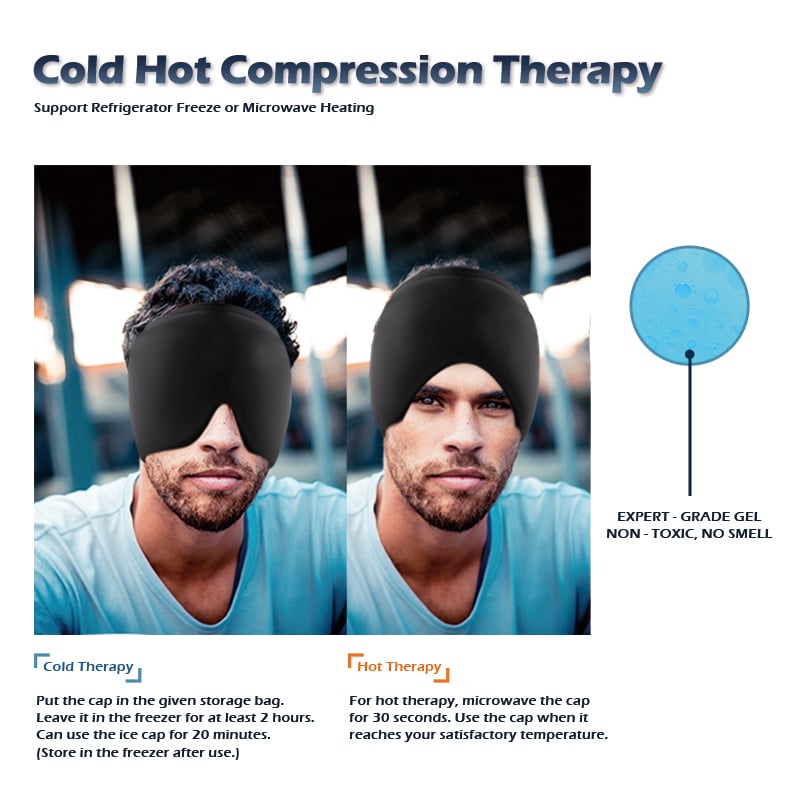
Modern cold therapy delivery systems have evolved far beyond simple ice packs to include sophisticated devices that provide precise temperature control and consistent therapeutic delivery. Compression cold therapy units combine the benefits of cold application with controlled pressure to enhance therapeutic effectiveness while improving patient comfort and compliance. These advanced systems often feature adjustable temperature settings, programmable treatment cycles, and ergonomic designs that accommodate various body regions and treatment scenarios.
Professional rehabilitation facilities increasingly utilize whole-body cryotherapy chambers and localized cryotherapy devices that can deliver extremely cold temperatures for brief periods to achieve rapid therapeutic effects. These technologies represent the cutting edge of cold therapy application and demonstrate the continued evolution of this fundamental treatment modality. The precision and control offered by advanced cold therapy systems allow healthcare providers to customize treatments for individual patient needs and specific injury patterns.
Home-Based Treatment Options
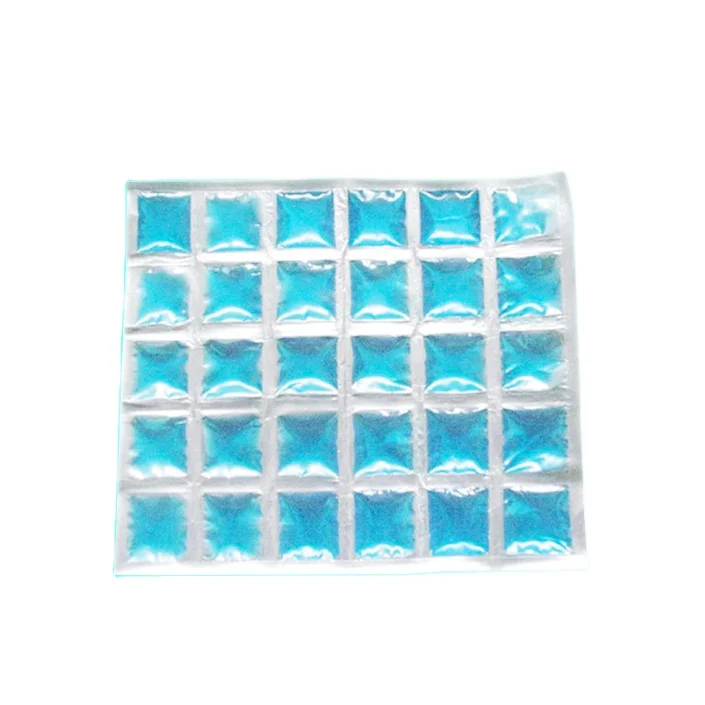
Accessibility and convenience have driven significant innovations in home-based cold therapy solutions that allow patients to continue treatment protocols outside clinical settings. Gel-based cold packs, reusable cooling devices, and portable compression systems provide effective alternatives to traditional ice applications while offering improved temperature consistency and longer-lasting cooling effects. These developments have made cold therapy more practical for regular use in chronic pain management and ongoing injury recovery programs.
The effectiveness of home-based cold therapy depends largely on proper education regarding application techniques, treatment schedules, and safety considerations. Many manufacturers now provide comprehensive instruction materials and temperature indicators that help users optimize their treatment outcomes while maintaining appropriate safety standards. This emphasis on patient education ensures that home-based cold therapy applications can achieve results comparable to professional treatment settings when properly implemented.
Research Evidence and Clinical Outcomes
Scientific Foundation and Study Results
Extensive research literature supports the efficacy of cold therapy across numerous medical conditions and patient populations, providing robust evidence for its continued use in clinical practice. Meta-analyses of randomized controlled trials consistently demonstrate significant improvements in pain scores, swelling reduction, and functional outcomes when cold therapy is incorporated into treatment protocols. These studies encompass diverse populations including athletes, surgical patients, arthritis sufferers, and individuals with various acute and chronic pain conditions.
Recent research has particularly focused on optimizing cold therapy protocols to maximize therapeutic benefits while minimizing treatment duration and frequency. Studies examining different application methods, temperature ranges, and treatment schedules have contributed to evidence-based guidelines that help healthcare providers select appropriate cold therapy interventions for specific clinical scenarios. This research foundation continues to evolve as new technologies and application methods undergo clinical evaluation.
Comparative Effectiveness Studies
Comparative research examining cold therapy effectiveness relative to other pain management interventions provides valuable insights into optimal treatment selection and combination approaches. Studies comparing cold therapy to heat therapy, pharmaceutical interventions, and other non-pharmacological treatments demonstrate that cold therapy often provides superior results for acute inflammatory conditions while showing comparable or complementary effects for chronic pain management. These comparative analyses help guide clinical decision-making and treatment protocol development.
Long-term outcome studies tracking patients who regularly use cold therapy for chronic conditions show sustained benefits including reduced medication dependence, improved functional capacity, and enhanced quality of life measures. These findings support the integration of cold therapy into comprehensive pain management programs and highlight its value as a cost-effective treatment option that can reduce healthcare utilization while improving patient outcomes.
Integration with Comprehensive Pain Management
Multimodal Treatment Approaches
Contemporary pain management recognizes that cold therapy achieves optimal results when integrated with other therapeutic modalities rather than used as a standalone intervention. Multimodal approaches combining cold therapy with physical therapy, medication management, and psychological support create synergistic effects that address multiple aspects of pain experience and recovery. Healthcare teams increasingly develop integrated treatment plans that strategically incorporate cold therapy at specific phases of recovery to maximize therapeutic benefits.
The timing and sequencing of cold therapy within multimodal treatment protocols requires careful consideration of how different interventions interact and influence overall outcomes. For example, cold therapy applications may be scheduled to precede physical therapy sessions to reduce pain and improve treatment tolerance, or they may follow exercise activities to minimize post-treatment inflammation and discomfort. Understanding these interactions allows healthcare providers to optimize treatment scheduling for individual patient needs.
Patient Education and Self-Management
Successful cold therapy outcomes depend heavily on patient understanding of proper application techniques, treatment schedules, and realistic expectations regarding therapeutic benefits. Comprehensive patient education programs should address not only the practical aspects of cold therapy application but also the underlying physiological mechanisms that explain why the treatment works. This knowledge empowers patients to make informed decisions about their care and increases adherence to prescribed treatment protocols.
Self-management training for cold therapy includes instruction on recognizing appropriate treatment candidates, monitoring for adverse effects, and adjusting treatment parameters based on individual responses and changing symptoms. Patients who receive thorough education regarding cold therapy principles demonstrate improved treatment outcomes and greater satisfaction with their pain management results. This educational component represents an essential element of successful cold therapy implementation across diverse clinical settings.
FAQ
How long should cold therapy be applied for maximum effectiveness
Optimal cold therapy duration depends on the specific condition being treated and the application method used. For acute injuries, fifteen to twenty-minute applications repeated every two to three hours during the first forty-eight hours provide maximum anti-inflammatory benefits. Chronic pain conditions may benefit from twenty to thirty-minute sessions once or twice daily. Always use a barrier between the cold source and skin, and discontinue treatment if excessive discomfort or skin color changes occur.
Can cold therapy be harmful if used incorrectly
While generally safe when used properly, cold therapy can cause complications including frostbite, nerve damage, and circulation problems if applied incorrectly. Risk factors include direct skin contact with extremely cold surfaces, excessive treatment duration, and use by individuals with circulation disorders or cold sensitivity conditions. Following recommended protocols, using appropriate barriers, and monitoring skin condition during treatment minimizes these risks significantly.
What conditions respond best to cold therapy treatment
Cold therapy proves most effective for acute inflammatory conditions including sprains, strains, bruises, and post-surgical swelling. It also benefits chronic conditions such as arthritis flares, tendonitis, and certain types of headaches. Conditions involving active inflammation typically respond better to cold therapy than heat therapy, while muscle spasms and chronic stiffness may benefit more from heat application.
How does cold therapy compare to pain medications for relief
Cold therapy provides localized pain relief without systemic side effects associated with oral medications, making it an excellent complement to pharmaceutical treatments. While medications may provide longer-lasting effects, cold therapy offers immediate relief that can reduce overall medication requirements. Many healthcare providers recommend combining both approaches for comprehensive pain management, allowing patients to minimize medication dependence while maintaining effective symptom control.