 EN
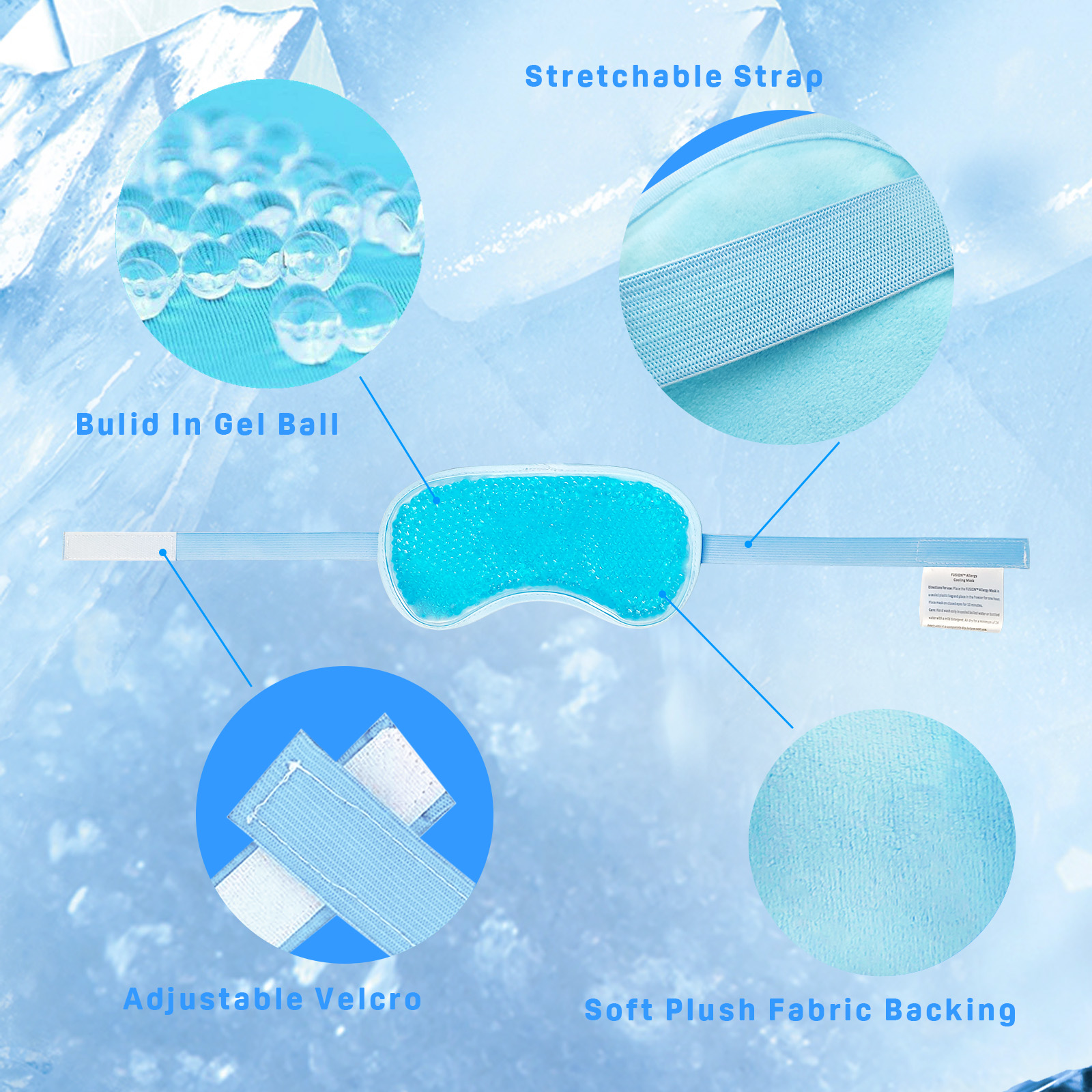
Cold therapy has become increasingly recognized as a powerful therapeutic approach in both clinical and wellness settings. Whether you're an athlete recovering from intense training, someone managing chronic pain, or a patient seeking non-pharmaceutical relief options, cold therapy offers measurable physiological benefits that extend far beyond simple comfort. Understanding how cold therapy works and its multiple health advantages can help you make informed decisions about incorporating it into your personal health regimen or clinical practice.
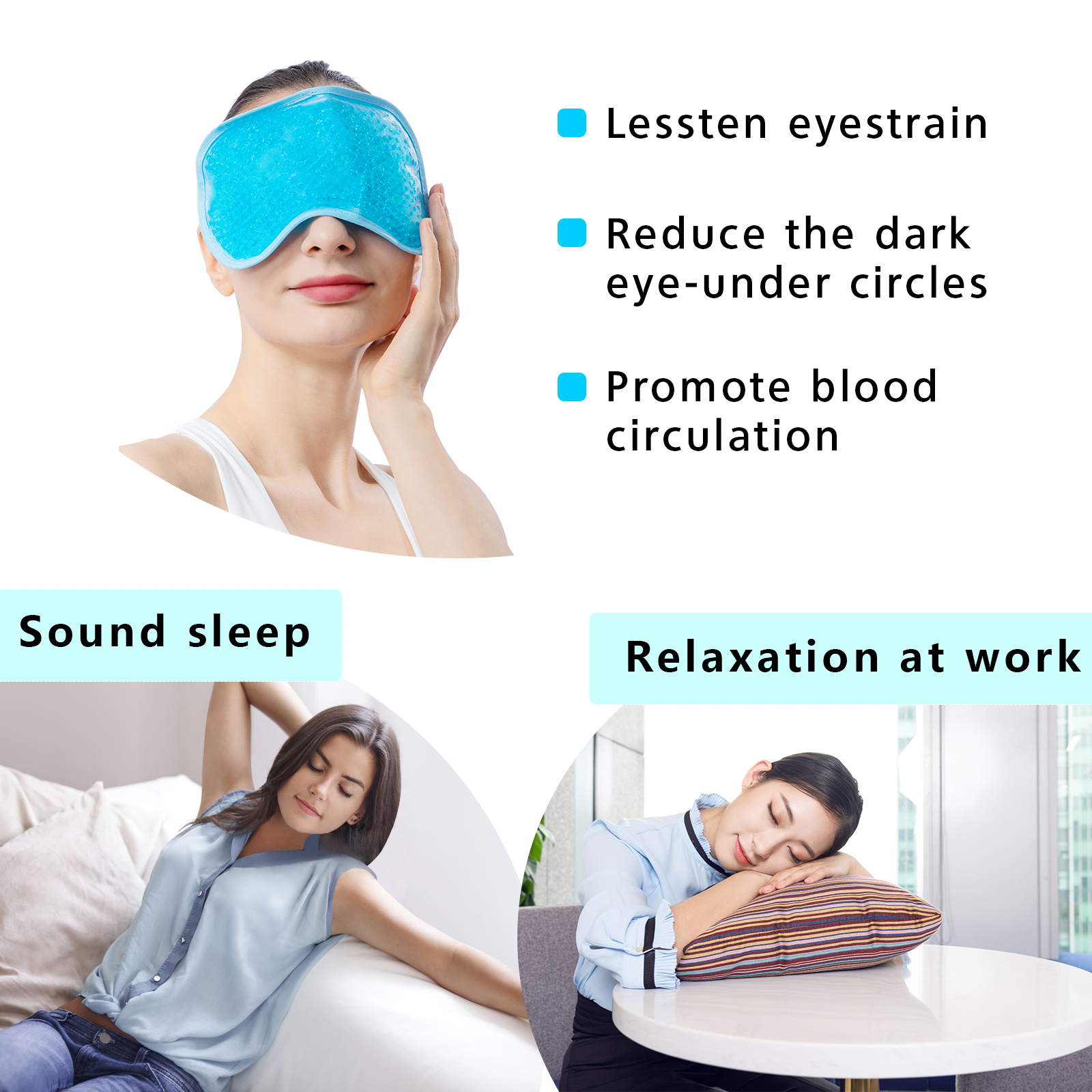
The scientific foundation of cold therapy rests on its ability to trigger specific biological responses that reduce inflammation, numb pain signals, and accelerate tissue healing. Cold therapy works by constricting blood vessels in the treated area, which decreases blood flow and metabolic activity, thereby reducing swelling and discomfort. This mechanism makes cold therapy particularly effective during the acute phase of injury, when inflammation needs to be controlled quickly to prevent further tissue damage and promote faster recovery.
Pain Relief and Acute Injury Management
Immediate Pain Reduction Through Cold Therapy
One of the most well-documented benefits of cold therapy is its immediate analgesic effect. When applied to an injured area, cold therapy numbs the nerves responsible for transmitting pain signals to the brain. This pain relief mechanism occurs within minutes of application, making cold therapy ideal for acute injuries such as sprains, strains, and contusions. Athletes and healthcare providers widely use cold therapy because it provides rapid symptom relief without the side effects associated with oral pain medications.
The effectiveness of cold therapy for pain management lies in its ability to interrupt the pain-inflammation cycle. By reducing inflammation through vasoconstriction, cold therapy prevents the cascade of inflammatory mediators that perpetuate discomfort. Research consistently demonstrates that cold therapy applied within the first 48 to 72 hours after injury significantly reduces pain intensity and accelerates the transition to rehabilitation activities. This makes cold therapy a cornerstone of modern sports medicine and emergency care protocols.
Chronic Pain Management Applications
Beyond acute injuries, cold therapy extends valuable benefits to individuals managing chronic pain conditions. Patients with arthritis, fibromyalgia, and nerve-related pain disorders report substantial relief from regular cold therapy sessions. Cold therapy reduces muscle tension and decreases metabolic activity in chronically stressed tissues, providing both immediate comfort and cumulative healing effects over time. When integrated into a comprehensive pain management strategy, cold therapy can reduce reliance on pharmaceutical interventions.
Inflammation Reduction and Tissue Healing
Controlling Inflammatory Response With Cold Therapy
Inflammation is a necessary part of the healing process, yet excessive inflammation delays recovery and increases pain. Cold therapy provides a natural mechanism to modulate this inflammatory response. By reducing blood flow to the injured area, cold therapy slows the migration of inflammatory cells and decreases the production of inflammatory cytokines. This controlled inflammation environment created by cold therapy optimizes the healing timeline without completely suppressing the body's natural repair mechanisms.
Clinical studies confirm that systematic application of cold therapy during the first phase of injury recovery reduces edema formation and accelerates the transition to the repair phase. The swelling reduction achieved through cold therapy translates directly into improved function and faster return to normal activities. For industrial workers, athletes, and rehabilitation patients, the efficiency gains from cold therapy represent significant quality-of-life improvements and reduced downtime.
Accelerating Tissue Repair Processes
Cold therapy sets the biological stage for optimal tissue repair by minimizing secondary injury from inflammation. When tissues are less swollen, metabolic waste products are cleared more efficiently, and nutrient delivery through the lymphatic system improves. This creates a favorable microenvironment within injured tissues, allowing repair mechanisms to proceed more effectively. Cold therapy combined with controlled movement and rehabilitation exercises produces superior outcomes compared to immobilization alone.
The cascade of benefits initiated by cold therapy extends beyond the acute phase. By reducing inflammation and promoting efficient waste clearance, cold therapy enhances the formation of quality scar tissue and restores normal tissue architecture more completely. Athletes and physical therapists recognize that proper application of cold therapy early in recovery prevents chronic inflammation patterns that could otherwise limit long-term function.
Performance Enhancement and Recovery
Muscle Recovery and Delayed Onset Muscle Soreness
Athletes consistently employ cold therapy as a recovery tool following intense training sessions. The soreness experienced after strenuous exercise, known as delayed onset muscle soreness (DOMS), involves inflammatory processes that cold therapy effectively attenuates. By applying cold therapy soon after training, athletes reduce the inflammatory cascade that causes next-day soreness and stiffness. This accelerated recovery allows for higher training frequency and better workout performance in subsequent sessions.
Cold therapy works synergistically with the body's natural recovery systems to clear metabolic byproducts and restore muscle function. The reduced inflammation from cold therapy translates into decreased perceived exertion during recovery periods and faster restoration of strength and flexibility. Research demonstrates that athletes using systematic cold therapy protocols show improved performance metrics and reduced injury incidence compared to control groups.
Enhancing Circulation and Metabolic Function
While cold therapy initially constricts blood vessels, the post-application rebound effect enhances circulation significantly. This reactive vasodilation brings oxygen-rich blood to treated tissues, accelerating the removal of metabolic waste and supporting tissue regeneration. The enhanced circulation following cold therapy applications contributes to faster healing and improved overall tissue health. Cold therapy essentially primes the body's natural recovery mechanisms for maximum effectiveness.
FAQ
How long should cold therapy be applied for maximum benefit?
Standard cold therapy protocols recommend 15 to 20 minutes of application per session, typically repeated every 2 to 3 hours during the acute phase of injury. Applying cold therapy for longer than 20 minutes risks tissue damage and diminishing returns, while shorter durations may not provide sufficient therapeutic effect. Individual tolerance varies, so many practitioners recommend starting with 15-minute cold therapy sessions and adjusting based on patient response and comfort levels.
Is cold therapy appropriate for all types of injuries?
Cold therapy is most effective for acute injuries, inflammation, and pain conditions characterized by increased blood flow and swelling. However, cold therapy should be avoided in cases of poor circulation, cold hypersensitivity, or chronic conditions where improved circulation would be more beneficial. Consulting with a healthcare provider ensures that cold therapy is appropriate for your specific condition and that it complements rather than contradicts your overall treatment plan.
Can cold therapy be combined with other treatment modalities?
Yes, cold therapy integrates effectively with many other therapeutic approaches, including physical therapy exercises, compression therapy, and elevation protocols. In fact, combining cold therapy with these modalities often produces superior outcomes compared to any single intervention alone. Many healthcare facilities use cold therapy as a foundational component within comprehensive treatment programs designed to maximize recovery and restore function.