 EN

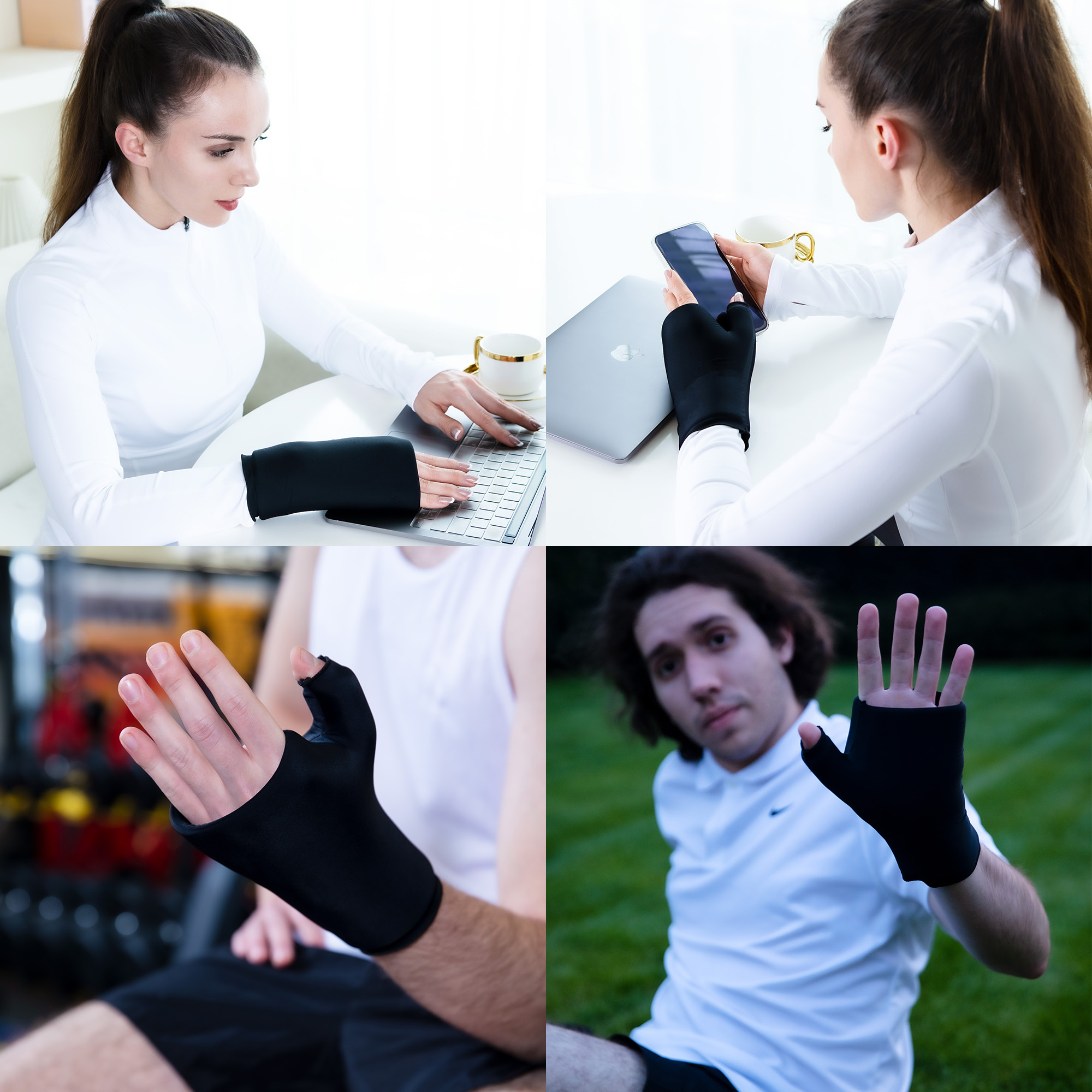
Understanding the different types of cold packs available today is essential for anyone managing pain, treating injuries, or seeking effective temperature therapy. A cold pack is a therapeutic tool designed to reduce inflammation, numb pain, and accelerate recovery by applying controlled cold temperatures to affected areas. The market offers numerous cold pack options, each with distinct characteristics, advantages, and suitable applications. Whether you're an athlete, healthcare professional, or individual managing chronic conditions, selecting the right cold pack type can significantly impact treatment effectiveness and comfort.
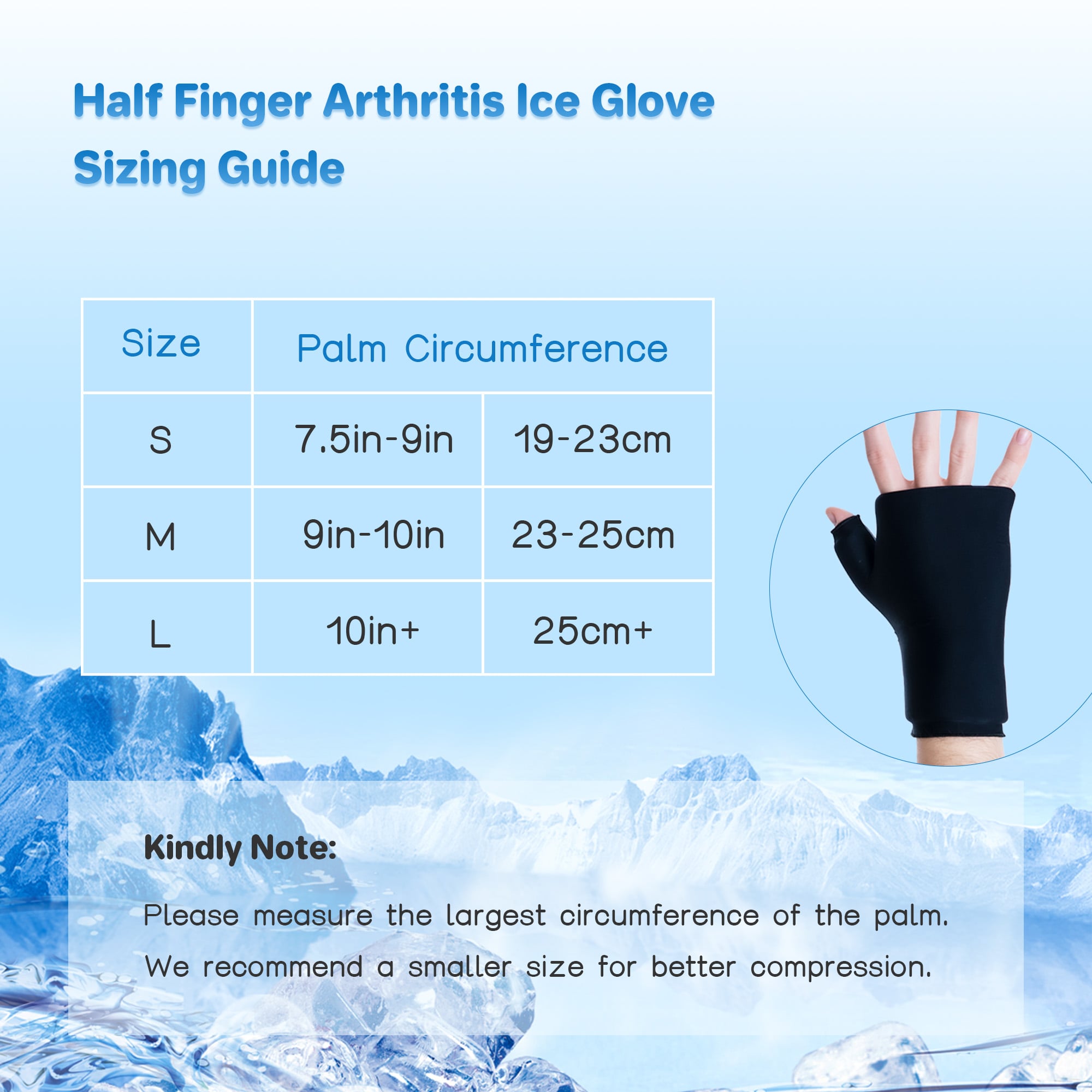
The cold pack category encompasses a diverse range of products, from simple ice-filled bags to advanced gel-based solutions. Each cold pack type serves specific therapeutic purposes and comes with unique operational features. Understanding these distinctions empowers users to make informed decisions about which cold pack best suits their injury severity, frequency of use, and personal preferences. This comprehensive guide explores the major classifications of cold pack products and their respective benefits.
Gel-Based Cold Packs and Their Applications
Traditional Reusable Gel Cold Packs
Reusable gel cold packs represent the most popular cold pack category for household and clinical use. These cold pack products contain a non-toxic gel formula that freezes at a lower temperature than water, allowing for longer-lasting cold application without ice crystal formation. A quality cold pack of this type maintains its therapeutic temperature for 20 to 45 minutes, depending on gel composition and insulation. Reusable cold pack designs typically feature durable outer shells made from vinyl or flexible fabric, making them ideal for repeated use over months or years. Many users prefer reusable cold pack options because they offer consistent performance and eliminate the need for constant replacement.
The gel composition in modern cold pack formulations includes ingredients that enhance flexibility and prevent the pack from becoming rock-hard when frozen. This cold pack design feature improves comfort during application and reduces the risk of localized ice burn. Healthcare facilities frequently stock reusable cold pack supplies because the per-use cost decreases significantly over time. Physiotherapists and athletic trainers recommend high-quality cold pack products that maintain their gel integrity through hundreds of freeze-thaw cycles, ensuring long-term investment value.
Specialty Contoured Gel Cold Packs
Contoured gel cold packs are engineered to fit specific body areas, such as shoulders, knees, elbows, and lower back regions. This specialized cold pack design maximizes contact surface area and reduces cold spots, delivering more uniform temperature distribution. A contoured cold pack often includes elastic straps or sleeves that keep the pack securely in place during use, enabling hands-free therapy. Athletic trainers frequently utilize contoured cold pack solutions for managing sports injuries because the anatomical shape ensures consistent pressure and temperature across the injury site. The contoured cold pack category continues to expand as manufacturers develop region-specific products for different therapeutic applications.
These anatomically designed cold pack products often feature enhanced insulation materials that slow heat transfer, extending therapeutic benefit. Premium cold pack options in the contoured category may include removable fabric covers that allow for easy cleaning and customization. Patients recovering from joint injuries particularly benefit from contoured cold pack formats because they reduce the physical effort required to maintain proper pack placement during multi-hour recovery protocols.
Instant and Disposable Cold Pack Options
Instant Chemical Cold Packs
Instant cold packs represent a unique cold pack category that requires no pre-freezing and activates through chemical reaction. These single-use cold pack products contain ammonium nitrate and water separated by an internal membrane. When squeezed, the membrane ruptures, triggering an endothermic reaction that rapidly cools the cold pack. An instant cold pack typically reaches therapeutic temperature within seconds, making it invaluable for emergency response, field medicine, and situations where freezer access is unavailable. The temperature generated by instant cold pack activation usually ranges from 50 to 60 degrees Fahrenheit, suitable for initial injury management.
The chemical cold pack design offers portability advantages, as users can keep multiple cold pack units in athletic bags, vehicles, or first-aid kits without requiring refrigeration. However, instant cold pack products are fundamentally disposable, making them less economical for frequent use. Many athletic teams maintain emergency supplies of instant cold pack products despite higher per-use costs because rapid temperature reduction in the acute injury phase justifies the expense. Some advanced cold pack formulations now include nontoxic gel components that achieve faster temperature reduction than traditional instant cold pack chemistry.
Disposable Gel Cold Packs
Disposable gel cold packs offer a middle ground between reusable and instant cold pack options. These single-use cold pack products arrive pre-frozen or require brief freezer chilling before use. A disposable cold pack typically maintains therapeutic temperature for 15 to 25 minutes before warming to room temperature. Medical facilities and urgent care centers frequently utilize disposable cold pack products because they eliminate cross-contamination risks and sterilization requirements. The disposable cold pack category appeals to users with infrequent needs or those prioritizing convenience over long-term investment.
Environmentally conscious consumers note that disposable cold pack usage generates plastic waste, though some manufacturers now produce biodegradable cold pack alternatives. The cost-effectiveness of disposable cold pack products improves when purchased in bulk, making them economical for large medical facilities managing multiple patients daily. Healthcare providers often combine reusable and disposable cold pack strategies to balance cost efficiency with operational flexibility.
Hybrid and Innovative Cold Pack Solutions
Combination Therapy Cold Packs
Modern therapeutic innovation has produced hybrid cold pack designs that combine multiple cooling technologies or materials. Some advanced cold pack products integrate cold pack gel with phase-change materials that maintain stable temperature throughout the therapy session. These sophisticated cold pack solutions extend effective cooling duration compared to traditional gel-only formulations. Professional sports teams increasingly adopt premium cold pack technology because superior temperature stability translates to more effective inflammation reduction. A high-performance cold pack of this type may include integrated insulation layers that minimize environmental heat transfer and maximize therapeutic benefit duration.
Compression-integrated cold pack designs combine cooling with controlled pressure application, addressing two key injury management principles simultaneously. These multifunctional cold pack systems appeal to users managing acute injuries where both cold therapy and compression contribute to recovery. The hybrid cold pack category represents the frontier of therapeutic innovation, with ongoing research exploring additional material combinations and temperature-stability enhancements.
Portable and Travel-Friendly Cold Pack Designs
Travel-optimized cold pack products address the practical need for portable pain management solutions. Lightweight cold pack designs featuring slim profiles fit easily into luggage, gym bags, or vehicle storage without occupying significant space. These minimalist cold pack options sacrifice some surface area for portability benefits, making them ideal for personal use during travel. Frequent travelers appreciate compact cold pack formats because they maintain therapeutic capability while addressing space constraints. Some innovative cold pack manufacturers now produce collapsible designs that occupy minimal space when unfrozen, expanding to full size after freezing.
Microwave-safe cold pack alternatives have emerged for users preferring versatility—the same product functions as either a heat or cold therapy pack depending on preparation method. These reversible cold pack solutions reduce the number of items users must maintain for comprehensive thermal therapy. Though not exclusively cold pack focused, these dual-purpose options appeal to individuals managing multiple conditions requiring both heat and cold application at different recovery stages.
FAQ
How long does a typical cold pack remain effective?
The duration a cold pack maintains therapeutic temperature depends primarily on gel composition, insulation quality, and environmental conditions. Standard reusable cold pack products typically provide 20 to 45 minutes of effective cooling, while instant chemical cold packs may deliver only 10 to 15 minutes. Premium cold pack formulations with advanced phase-change materials can extend effective duration to 60 minutes or longer. Users should consult manufacturer specifications for their specific cold pack product to understand expected performance characteristics. Factors like room temperature and initial freezing depth influence how long each cold pack session remains therapeutic.
Can I use a cold pack immediately after an injury?
Yes, applying a cold pack within the first 48 to 72 hours following acute injury provides maximum therapeutic benefit. Healthcare professionals generally recommend cold pack application as the initial treatment phase because cold therapy reduces inflammation, minimizes swelling, and provides pain relief during early recovery. Instant cold packs prove particularly valuable during this acute phase because they activate without requiring freezer access. However, users should always protect skin by placing a thin cloth barrier between the cold pack and bare skin to prevent ice burn. Continuous cold pack application should not exceed 15 to 20 minutes per session, with 30-minute rest intervals between applications to allow skin recovery.
Which cold pack type works best for chronic pain management?
For chronic pain conditions requiring regular cold pack therapy, reusable gel cold packs offer the most economical and convenient solution. A durable cold pack designed for frequent use maintains consistent performance over months of regular application, reducing per-use costs significantly compared to disposable alternatives. Contoured cold pack products specifically shaped for affected areas provide superior comfort during extended sessions. Many individuals with chronic conditions prefer premium cold pack options that maintain stable temperatures throughout therapy sessions, maximizing therapeutic benefit per application. Consulting with healthcare providers helps determine whether your specific condition benefits most from cold pack therapy or alternative thermal treatments.