 EN


An ice pack is a fundamental therapeutic tool that combines cold therapy with convenience and sustained relief for pain management and injury treatment. Whether you're recovering from a sports injury, managing chronic pain, or seeking immediate relief from inflammation, understanding what an ice pack is and how it functions can help you use it more effectively. An ice pack works by delivering controlled cold directly to affected areas, reducing swelling, numbing pain signals, and accelerating the body's natural healing process. This simple yet powerful tool has become a standard recommendation from physical therapists, athletic trainers, and medical professionals worldwide.
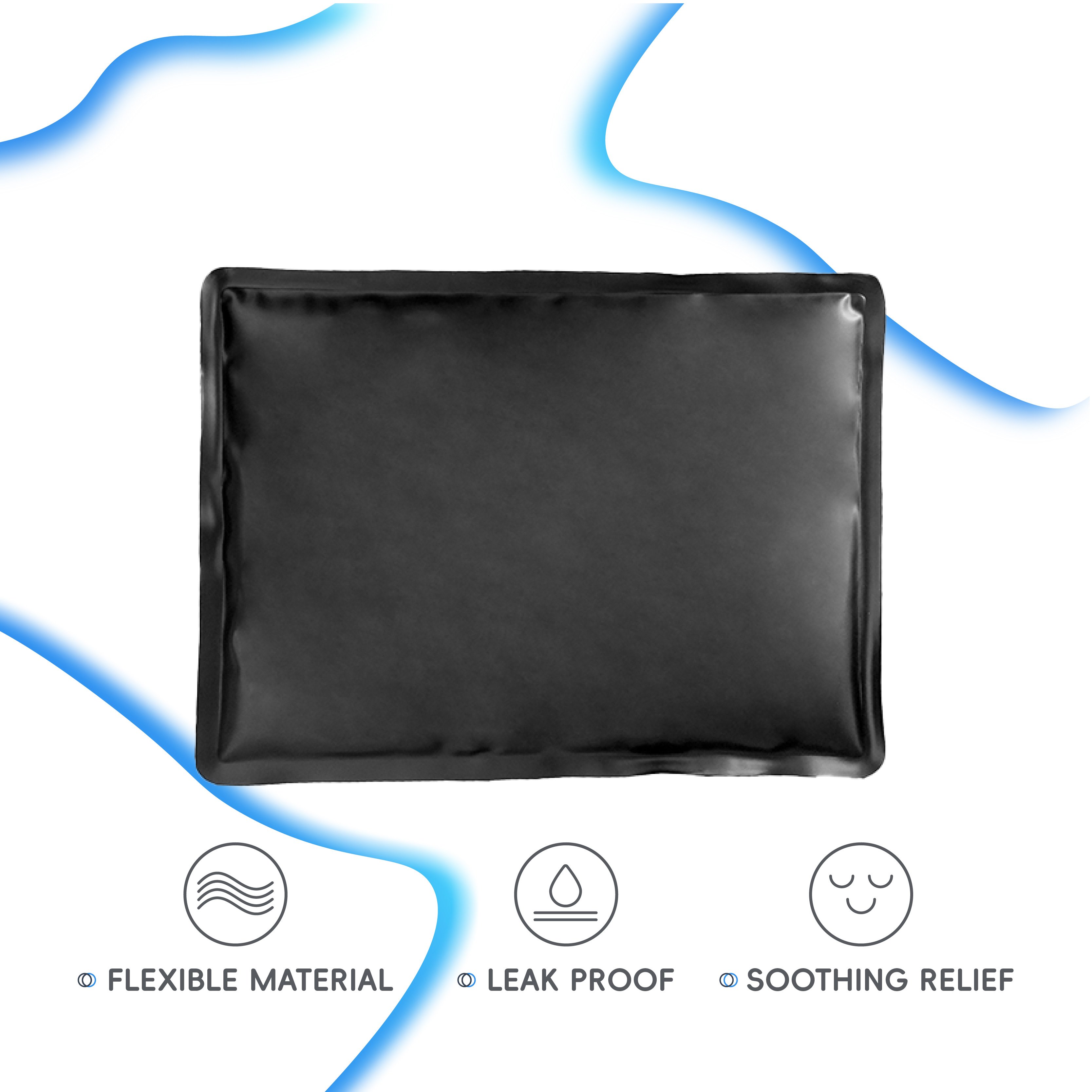
Modern ice pack designs have evolved significantly from simple frozen water bags to sophisticated gel-based systems that maintain optimal temperature, provide longer-lasting cooling, and conform better to body contours. An ice pack today represents a blend of safety, effectiveness, and user convenience. Understanding the mechanics behind an ice pack and its application principles ensures you maximize therapeutic benefits while minimizing risk of tissue damage or discomfort.
Understanding the Fundamental Structure of an Ice Pack
What Makes Up a Gel-Based Ice Pack
A gel-based ice pack consists of three primary layers: an outer fabric shell, an insulating middle layer, and an inner gel chamber. The fabric outer layer provides grip and comfort during application, protecting skin from direct contact with extreme cold. The gel itself contains a proprietary mixture of water, mineral salts, and polymer compounds that allow an ice pack to freeze at lower temperatures than pure water while maintaining a moldable texture. This composition means an ice pack can conform to irregular body surfaces, delivering more comprehensive cold coverage than rigid ice trays. The insulating layer helps regulate how quickly an ice pack releases cold, extending the duration of therapeutic cooling beyond what traditional ice would provide.
Thermal Properties That Define Ice Pack Performance
An ice pack maintains its cooling effect through a process called phase transition, where the gel transitions between solid and semi-solid states while releasing thermal energy. Unlike traditional ice that melts to water, a gel-based ice pack remains pliable, allowing continuous cold therapy without the mess of melting water. The specific heat capacity of gel formulations used in an ice pack determines how long it stays cold and how effectively it penetrates tissue. A quality ice pack typically sustains therapeutic temperatures between 32 degrees Fahrenheit and 50 degrees Fahrenheit for extended periods, delivering consistent anti-inflammatory benefits. The gel composition of a modern ice pack also prevents the extreme surface temperatures that can damage skin tissue when uninsulated ice comes into direct contact.
How Ice Pack Therapy Reduces Pain and Inflammation
Physiological Mechanisms Behind Ice Pack Relief
When you apply an ice pack to an injured area, several physiological responses activate simultaneously to reduce pain and accelerate healing. The cold temperature from an ice pack causes blood vessels to constrict, limiting blood flow to the injury site and reducing swelling that typically accompanies acute injuries. This vasoconstriction mechanism makes an ice pack particularly effective during the first 48 to 72 hours following trauma, when inflammation is most pronounced and most damaging. Additionally, the cold applied through an ice pack slows nerve impulse transmission, effectively numbing pain signals before they reach the brain. An ice pack also suppresses metabolic activity in surrounding tissue, reducing oxygen demand and preventing secondary tissue damage that occurs in the hours following initial injury.
The Role of Ice Pack Application in Recovery
Using an ice pack as part of a comprehensive recovery strategy involves understanding optimal timing and duration. The most effective ice pack protocols recommend 15 to 20 minutes of application followed by a rest period, with sessions repeated every 2 to 3 hours during acute phases. This cycle maximizes the therapeutic benefits of an ice pack while allowing tissue temperature to normalize between sessions, preventing cold damage. An ice pack proves most valuable when combined with compression and elevation, often referred to as the RICE protocol in sports medicine. The consistent cold delivery from a well-designed ice pack helps maintain reduced inflammation levels throughout the day, supporting better pain management and enabling earlier rehabilitation exercises.
Choosing and Using Ice Pack Products Effectively
Selecting the Right Ice Pack for Your Needs
Different ice pack types serve different purposes, and selecting the appropriate design maximizes your therapeutic results. Flexible gel ice pack designs work best for joints and irregular body areas, conforming perfectly to shoulders, knees, and ankles. Large rectangular ice pack formats suit broader areas like the lower back or thighs, providing comprehensive coverage across muscle groups. Wrap-style ice pack systems offer hands-free application, which proves invaluable for athletes continuing light activity during recovery. When evaluating an ice pack for purchase, consider the gel composition's ability to stay frozen for extended periods, the fabric's insulating quality, and whether the ice pack design suits your specific injury location and recovery stage. Long-duration ice pack products featuring advanced gel formulations provide superior performance compared to basic frozen water options.
Safe Application Guidelines for Ice Pack Therapy
Proper ice pack usage prevents adverse effects while maximizing therapeutic benefit. Always place a thin cloth barrier between your skin and the ice pack surface to prevent cold-induced skin irritation or frostbite. The recommended ice pack session duration of 15 to 20 minutes allows adequate tissue cooling without excessive cold exposure. People with circulatory disorders, Raynaud's syndrome, or cold sensitivity should consult healthcare providers before using an ice pack. Never apply an ice pack while sleeping, as extended cold exposure without the ability to remove the ice pack quickly could cause tissue damage. Rotate ice pack location on your body to ensure even treatment and prevent overuse of single areas, and always allow at least two hours between consecutive ice pack applications to the same body region.
FAQ
Can I use an ice pack continuously throughout the day?
No, continuous ice pack application can lead to tissue damage, numbness, and reduced therapeutic effectiveness. The recommended protocol involves 15 to 20 minute ice pack sessions with rest periods between applications, typically allowing 2 to 3 hours between sessions during acute injury phases. Continuous ice pack use decreases sensitivity, making you unable to detect potential cold-related injuries to skin tissue.
How long does a gel ice pack stay cold compared to regular ice?
A quality gel ice pack typically maintains therapeutic temperatures 50 percent longer than traditional ice, often staying cold for 2 to 4 hours depending on room temperature and the specific ice pack formulation. Advanced gel compositions allow a gel ice pack to remain at effective therapeutic temperatures significantly longer while providing consistent cooling throughout the duration. Regular ice melts to water within 30 to 45 minutes, whereas a properly designed ice pack maintains its structure and cold delivery capacity throughout extended treatment sessions.
What conditions benefit most from ice pack therapy?
An ice pack proves most effective for acute injuries occurring within 48 to 72 hours, including sprains, strains, contusions, and post-surgical swelling management. An ice pack also provides relief for conditions like tendinitis, bursitis, and arthritis flare-ups by reducing inflammation-related pain. However, chronic conditions requiring heat therapy or deep muscle relaxation may benefit more from heat application rather than ice pack treatment, so professional guidance helps determine whether an ice pack suits your specific condition.