 EN
EN
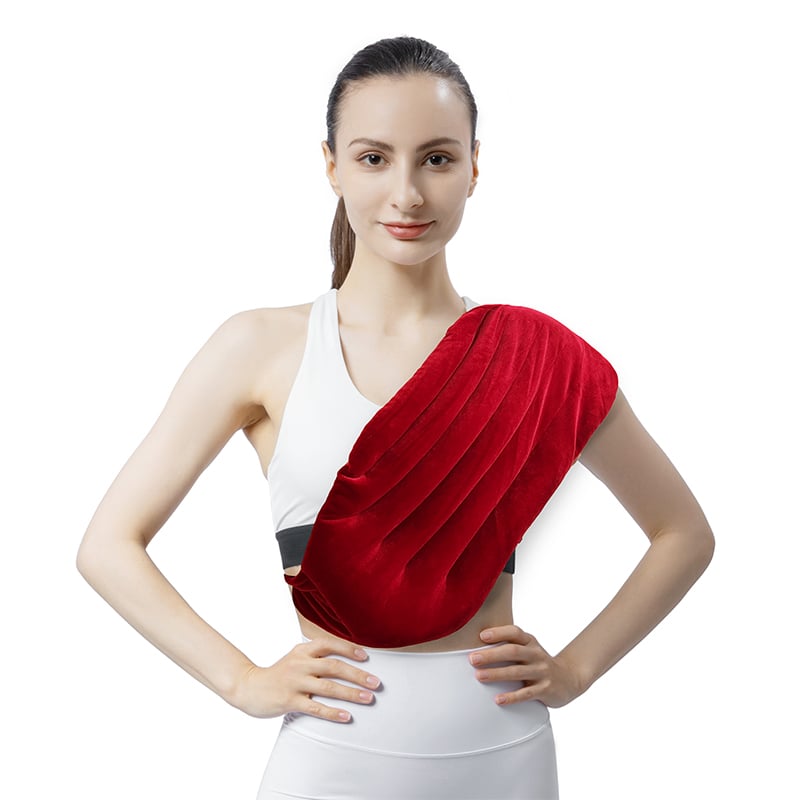
A moist heat pack is a therapeutic device designed to deliver controlled warmth directly to targeted areas of your body, providing effective relief from muscle tension, stiffness, and chronic pain. Unlike traditional dry heat sources, a moist heat pack combines moisture with thermal energy to penetrate deeper into muscle tissue and joints. This combination makes the moist heat pack an increasingly popular choice in clinical settings, rehabilitation centers, and home care environments. Understanding how a moist heat pack functions and why it works so effectively can help you make informed decisions about your pain management and wellness strategy.
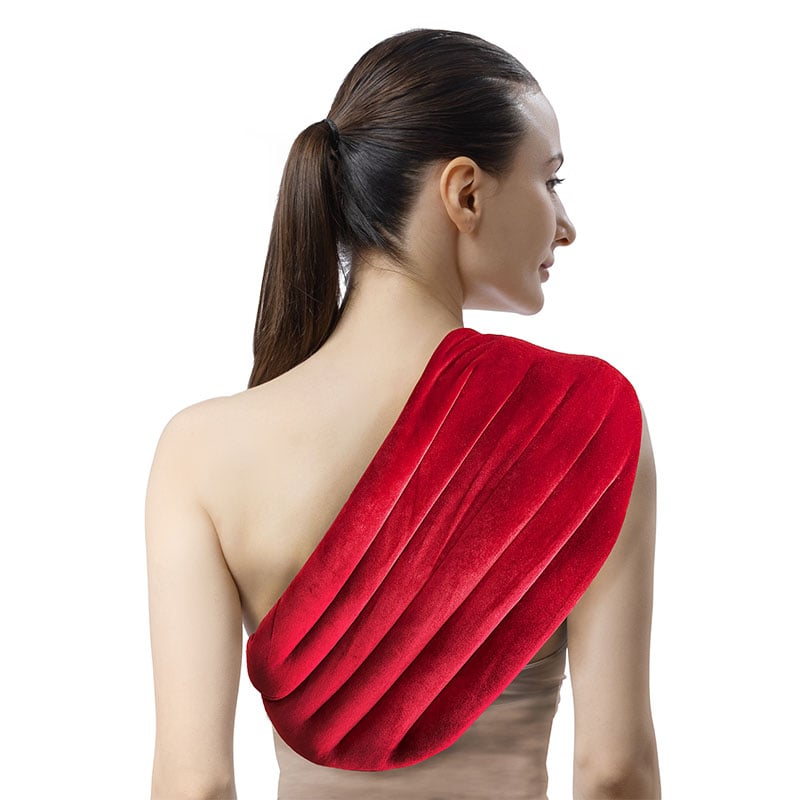
The effectiveness of a moist heat pack lies in its unique ability to combine therapeutic warmth with moisture penetration. When you use a moist heat pack, the heat activates blood circulation while the moisture component allows thermal energy to transfer more efficiently into deeper tissue layers compared to dry heat alone. This dual-action approach makes the moist heat pack a superior option for individuals seeking faster symptom relief and improved recovery outcomes. Whether you're experiencing acute muscle soreness, chronic pain conditions, or post-injury inflammation, a moist heat pack offers a non-invasive, medication-free therapeutic solution.
The Science Behind Moist Heat Therapy
How a Moist Heat Pack Increases Blood Circulation
When you apply a moist heat pack to your skin, the warmth causes blood vessels in the treated area to dilate, a process known as vasodilation. This expansion of blood vessels increases blood flow to the affected region, delivering oxygen and nutrients while removing metabolic waste and inflammatory compounds. The moist heat pack's ability to maintain consistent warmth ensures sustained vasodilation throughout your treatment session. Enhanced circulation is a cornerstone of how a moist heat pack accelerates healing and reduces pain perception in affected muscles and joints.
Moisture Penetration and Heat Transfer Efficiency
The moisture component in a moist heat pack dramatically improves heat transfer compared to dry alternatives. Water conducts thermal energy approximately 25 times more efficiently than air, meaning a moist heat pack delivers deeper warmth penetration with lower surface temperatures. This efficiency allows a moist heat pack to reach subcutaneous tissues, muscle fibers, and joint capsules that dry heat cannot easily access. The result is faster symptom relief and more comprehensive therapeutic benefit from each treatment session using a moist heat pack.
Physiological Benefits of Using a Moist Heat Pack
Muscle Relaxation and Pain Reduction
A moist heat pack reduces pain through multiple physiological pathways. First, warmth inhibits pain signal transmission along nerve fibers, a phenomenon called the gate control theory of pain. Second, the improved circulation from a moist heat pack delivers natural anti-inflammatory compounds to damaged tissues. Third, the relaxation response triggered by applying a moist heat pack reduces muscle tension and spasms. Athletes, office workers, and individuals with chronic conditions consistently report significant pain reduction after using a moist heat pack regularly.
Reduced Inflammation and Accelerated Recovery
Post-injury inflammation often prolongs recovery and limits mobility. A moist heat pack addresses inflammation by promoting lymphatic drainage and cellular repair processes. The increased metabolic activity stimulated by a moist heat pack encourages the body's natural healing mechanisms. Within minutes of applying a moist heat pack, users typically experience reduced swelling, improved flexibility, and diminished pain levels. This makes a moist heat pack particularly valuable during rehabilitation phases following sprains, strains, or surgical procedures.
Practical Applications and When to Use a Moist Heat Pack
Ideal Conditions for Moist Heat Pack Application
A moist heat pack works best for conditions involving muscle tension, stiffness, joint pain, and chronic soreness. Common applications include lower back pain, neck tension, shoulder stiffness, and menstrual discomfort. Use a moist heat pack for 15 to 20 minutes per session, allowing adequate time for thermal penetration without skin irritation. The moist heat pack is most effective during the subacute and chronic phases of injury, rather than immediately after acute trauma when ice therapy may be more appropriate. Healthcare professionals frequently recommend a moist heat pack as a maintenance therapy to prevent symptom recurrence.
Contraindications and Safety Considerations
While highly effective, a moist heat pack should not be used on acute injuries with active swelling, open wounds, or areas showing signs of infection. Individuals with diabetes, poor circulation, or sensory neuropathy should consult healthcare providers before using a moist heat pack due to reduced temperature sensation. Always ensure skin protection between the moist heat pack and your body to prevent burns. Modern moist heat pack designs include temperature regulation features and safety timers to prevent overheating and ensure user safety during extended sessions.
FAQ
How does a moist heat pack differ from a dry heating pad?
A moist heat pack combines moisture with thermal energy, enabling deeper tissue penetration and more efficient heat transfer compared to dry heating pads. Water's superior thermal conductivity means a moist heat pack reaches muscle layers and joints more effectively while using lower surface temperatures. This makes a moist heat pack safer for extended use and more therapeutic for deep muscle pain. Dry heat primarily warms surface tissues and is generally less effective for addressing underlying muscular or joint dysfunction.
Can a moist heat pack help with chronic pain conditions?
Yes, consistent use of a moist heat pack is highly beneficial for chronic pain management. Conditions like fibromyalgia, arthritis, chronic lower back pain, and myofascial pain syndrome all respond well to regular moist heat pack therapy. The therapeutic benefits of a moist heat pack accumulate over time, with many users experiencing progressive improvements in mobility, strength, and pain levels. Many healthcare providers recommend a moist heat pack as a foundational component of comprehensive chronic pain management programs.
How long should I use a moist heat pack during each session?
The optimal treatment duration for a moist heat pack is typically 15 to 20 minutes per session. This timeframe allows sufficient thermal penetration and physiological response without risking skin irritation or adverse effects. Most users can safely use a moist heat pack multiple times daily if needed for acute pain management. Always follow manufacturer guidelines for your specific moist heat pack model, as some premium designs allow extended therapeutic sessions with advanced safety features.