 EN
Knowing when to use a hot cold pack for muscle pain is essential for effective recovery and injury management. Athletes, industrial workers, and anyone experiencing muscle soreness often wonder whether heat or cold therapy will deliver the best results. The answer depends on the injury type, its age, your specific symptoms, and your recovery goals. Understanding these distinctions helps you avoid prolonging pain or worsening inflammation through incorrect application timing.
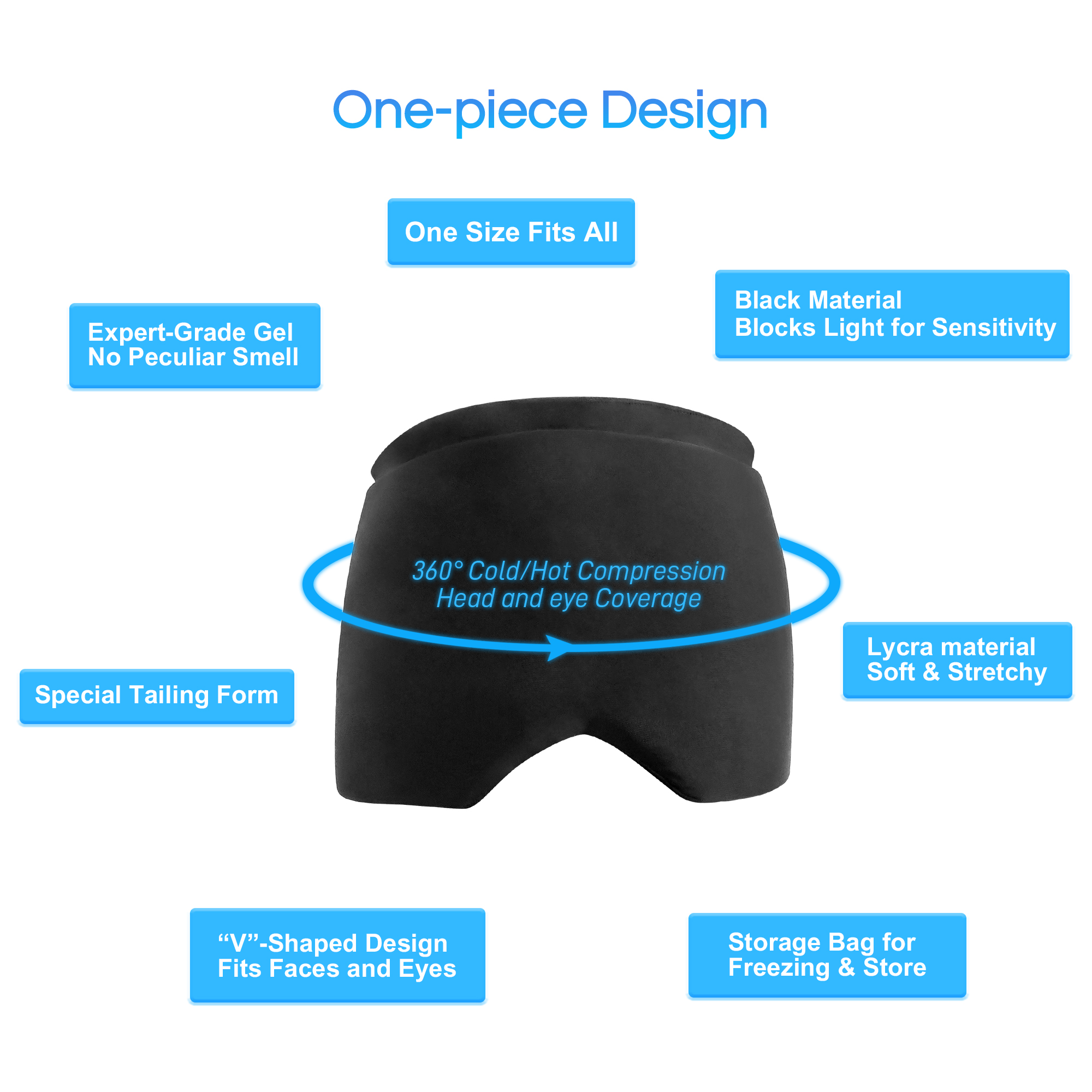
A hot cold pack works by manipulating tissue temperature to reduce pain and restore function. Cold therapy numbs pain and restricts blood flow to reduce swelling, making it ideal for acute injuries. Heat therapy, conversely, increases circulation, relaxes muscles, and promotes healing in chronic or stiff conditions. Choosing between these modalities requires awareness of injury phases, your daily activities, and how your body responds to each treatment method. This guide will clarify the exact scenarios where a hot cold pack delivers maximum benefit and help you make informed decisions about your pain management strategy.
Understanding Acute Injuries and Cold Therapy Timing
When Cold Therapy from a Hot Cold Pack Works Best
Apply a hot cold pack using cold therapy immediately after an acute injury occurs, typically within the first 24 to 48 hours. Acute injuries include sprains, strains, contusions, and any sudden-onset muscle pain accompanied by visible swelling or bruising. Cold temperature constricts blood vessels, reducing inflammation and numbing pain signals. For a hot cold pack to be most effective during this phase, use it within minutes of injury when swelling begins developing. The inflammatory response, while necessary for healing, can become excessive and delay recovery if left unchecked during these initial hours.
Signs That a Hot Cold Pack with Cold Mode is Your Best Choice
You should reach for a hot cold pack set to cold if you experience sharp, immediate pain, visible swelling, or bruising in the affected muscle area. Acute inflammation often causes the injured region to feel warm and tender to touch, signaling that cold therapy will provide relief. If movement increases pain significantly or if the injury occurred during sports or physical labor, cold application from a hot cold pack helps control damage and reduces downtime. Apply the hot cold pack for 15 to 20 minutes at a time, allowing skin to return to normal temperature between sessions. Repeat cold therapy sessions every two to three hours during the first day after injury for optimal results with a hot cold pack.
Chronic Pain and Heat Therapy Application Strategies
When Heat from a Hot Cold Pack Becomes the Preferred Option
Shift to heat therapy using a hot cold pack after the acute inflammation phase has passed, typically three to five days following injury, or immediately for chronic muscle conditions. Chronic muscle pain, repetitive strain injuries, arthritis, and stiff joints respond exceptionally well to heat from a hot cold pack. Heat increases blood circulation to the affected area, delivering oxygen and nutrients that promote healing and reduce muscle tension. Use a hot cold pack on heat setting for 15 to 30 minutes per session, particularly before physical activity or stretching exercises. Many people with occupational muscle strain, athletes in off-season maintenance, and individuals managing long-term pain conditions benefit greatly from regular heat application through a hot cold pack.
Recognizing Chronic Conditions That Need a Hot Cold Pack Heat Mode
If your muscle pain has persisted for more than six weeks without improvement, a hot cold pack on heat setting may address underlying tension and stiffness. Chronic lower back pain, neck stiffness from desk work, shoulder tension, and recurring muscle tightness all respond positively to sustained heat therapy from a hot cold pack. Heat also prepares muscles for exercise and rehabilitation, making a hot cold pack particularly valuable for workers performing repetitive tasks or athletes returning to training. Unlike acute injuries where swelling is a concern, chronic conditions typically involve muscle guarding and reduced flexibility, both of which heat from a hot cold pack effectively counteracts. Applying a hot cold pack consistently over several weeks often provides cumulative benefits, with patients reporting improved range of motion and reduced pain intensity.
Combining Hot Cold Pack Strategies for Mixed Injuries and Professional Guidance
When to Alternate Between Cold and Heat Using a Hot Cold Pack
Some injuries benefit from alternating therapy throughout recovery, a technique that maximizes what a hot cold pack can deliver when used strategically. Severe sprains, complex muscle injuries, and post-surgical rehabilitation often follow a protocol of initial cold therapy, followed by progressive heat introduction as inflammation subsides. Begin with cold from your hot cold pack for the first 48 hours, then gradually introduce heat sessions while continuing cold therapy if swelling persists. A hot cold pack designed for both modes allows seamless transitions between treatments without switching devices. This contrast therapy approach, sometimes called contrast hydrotherapy, capitalizes on both cold's anti-inflammatory benefits and heat's circulation-boosting properties, accelerating overall recovery timelines.
Professional Recommendations for Hot Cold Pack Selection and Safety
Physical therapists and sports medicine professionals often recommend durable, reusable hot cold packs that maintain consistent temperature for therapeutic effectiveness. A quality hot cold pack should provide sustained warmth or cold without temperature fluctuations that reduce therapeutic impact over a 20 to 30 minute session. Check with your healthcare provider before using a hot cold pack if you have diabetes, circulatory disorders, or compromised skin sensation, as these conditions may require modified protocols. Overuse of hot cold pack therapy, while generally safe, can occasionally lead to heat or cold burns if protective barriers between the hot cold pack and skin are insufficient. Always wrap a hot cold pack in a thin cloth layer before application, and monitor skin condition closely during initial sessions to ensure your body responds favorably to the chosen temperature modality.
FAQ
Should I use a hot cold pack immediately after a sports injury?
Yes, apply a hot cold pack on cold setting within the first 15 to 30 minutes after a sports injury occurs. This immediate cold application from a hot cold pack minimizes inflammatory response, reduces swelling, and controls pain at its source. Waiting longer than 48 hours before cold treatment allows swelling to progress further, potentially complicating recovery. A hot cold pack applied early delivers the most dramatic pain relief and fastest reduction in inflammation during the acute injury phase.
Can I use a hot cold pack for everyday muscle soreness?
Absolutely. A hot cold pack works excellently for everyday muscle soreness resulting from exercise, work activities, or minor strains. For soreness without acute swelling, heat from a hot cold pack typically provides faster relief than cold therapy. Apply a hot cold pack on heat mode for 20 to 30 minutes to relax tight muscles and promote circulation. Many people use a hot cold pack preventively before or after physically demanding activities to minimize subsequent soreness and maintain mobility.
How do I know if I should use cold or heat from my hot cold pack?
Use cold from a hot cold pack if the injury is recent, accompanied by swelling, bruising, or sharp pain. Use heat from a hot cold pack if the injury is older than 48 hours, if you have muscle tightness without swelling, or if you're managing chronic pain. When uncertain, cold therapy from a hot cold pack is generally the safer initial choice for acute injuries, as heat can sometimes worsen acute inflammation. Consult your healthcare provider if pain persists beyond two weeks despite appropriate hot cold pack therapy, as underlying conditions may require professional evaluation.