 EN

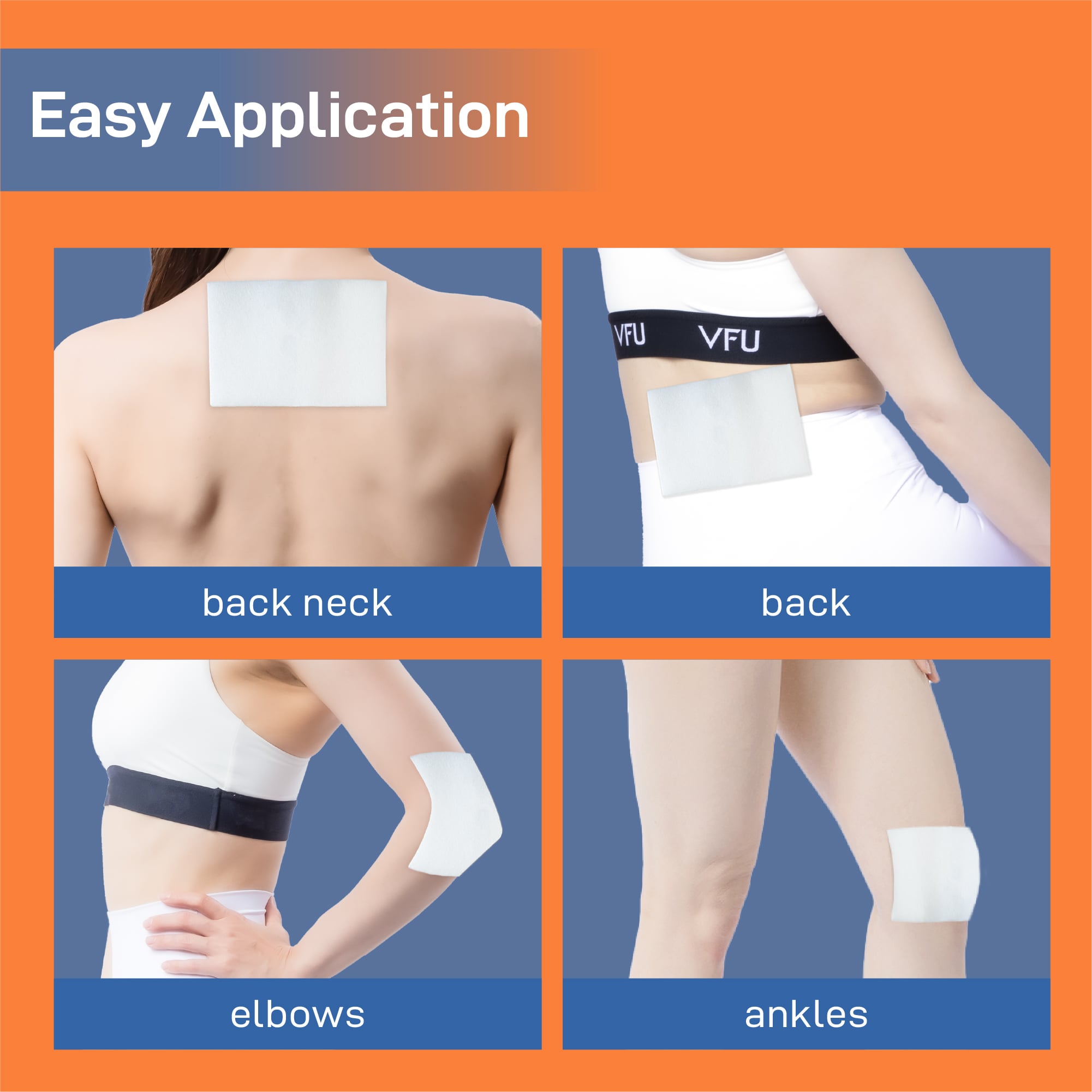
Choosing the right location to apply a pain relief patch is fundamental to achieving effective symptom management and ensuring your safety. Many users apply their pain relief patch without considering placement strategy, which can significantly reduce its therapeutic benefit and increase the risk of skin irritation or adverse reactions. Understanding where to place a pain relief patch requires knowledge of skin condition, body location suitability, and proper preparation techniques that maximize the patch's active ingredient absorption while minimizing potential complications.
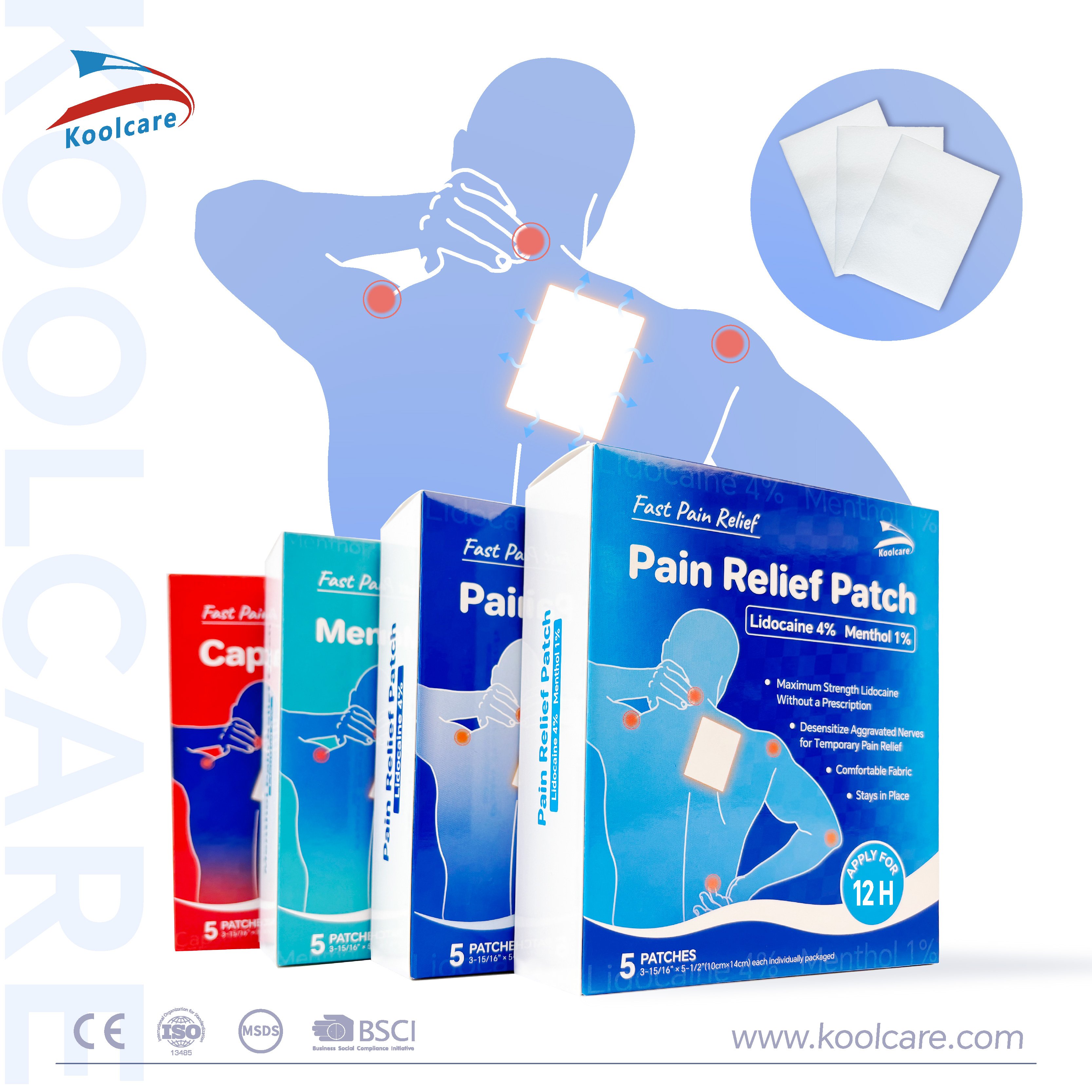
A pain relief patch works by delivering topical analgesic medications through the skin directly to affected muscles and tissues. The effectiveness of your pain relief patch depends heavily on proper application location, clean skin surface, and appropriate body area selection. This guide walks you through every consideration when deciding where to apply a pain relief patch, ensuring you get maximum therapeutic value while protecting your skin health.
Understanding Safe Skin Placement for Your Pain Relief Patch
Identifying Appropriate Body Locations
The most effective locations to apply a pain relief patch are areas with minimal movement and good skin contact stability. Your back, shoulders, upper arms, and thighs are ideal zones because they provide steady surface contact that keeps the pain relief patch securely adhered throughout the treatment window. Avoid joints, creases, or highly mobile areas where the pain relief patch may shift, fold, or lose contact with your skin during normal movement. The chest, lower back, and neck are also suitable locations for pain relief patch application if the underlying muscles are affected and the area remains relatively stationary.
When selecting where to apply your pain relief patch, consider the specific muscle group causing discomfort. If you experience lower back pain, place your pain relief patch directly over the affected muscle region, slightly to the side of the spine rather than directly on the vertebral column. For shoulder or neck tension, position your pain relief patch on the muscular area rather than over bone or sensitive nerve pathways. This targeted placement ensures the pain relief patch delivers medication precisely where therapeutic benefit is needed most.
Avoiding High-Risk Application Areas
Certain body locations are unsuitable for pain relief patch application due to skin sensitivity, absorption risk factors, or safety concerns. Never apply a pain relief patch to broken skin, rashes, eczema, or any area with active irritation, as the pain relief patch's active ingredients may enter your bloodstream too rapidly or cause severe allergic reactions. Avoid placing a pain relief patch on the face, eyes, mucous membranes, or any area near sensitive facial structures where accidental transfer could cause complications.
Additionally, do not apply a pain relief patch to areas with recent surgery, open wounds, or skin conditions requiring medical attention. Healthcare professionals recommend against using a pain relief patch on the inner wrist, hands, or feet unless specifically directed, as these areas have thinner skin and heightened sensitivity. Genital regions and areas with compromised skin barrier should never receive a pain relief patch application. If you have questions about whether your specific situation suits pain relief patch use, consult your healthcare provider before application.
Preparing Your Skin Before Applying a Pain Relief Patch
Cleaning and Drying the Application Site
Proper skin preparation significantly influences how effectively your pain relief patch adheres and functions. Before applying a pain relief patch, wash the target area with mild soap and cool water, then dry it completely with a clean towel. Moisture, sweat, or residual water prevents the pain relief patch from establishing secure contact with your skin, reducing adhesion time and therapeutic delivery. Pat the area gently rather than rubbing, as excessive friction can irritate skin before the pain relief patch application.
Allow five to ten minutes after washing for your skin to dry completely before placing your pain relief patch. If you have recently applied lotions, oils, sunscreen, or other topical products to the area, remove them thoroughly beforehand. These substances create a barrier that prevents the pain relief patch from making proper contact with your skin surface, significantly compromising its effectiveness. Use a soft cloth or mild alcohol wipe if needed, then ensure the area is absolutely dry before proceeding with pain relief patch application.
Checking for Skin Sensitivities
Before your first pain relief patch application, perform a simple sensitivity test on a small area of your chosen location. Apply the pain relief patch for one to two hours, then remove it and observe your skin for any redness, itching, burning, or unusual reaction. This precaution identifies potential allergic responses before committing to longer-term pain relief patch use. If you experience any concerning symptoms, discontinue use and consult your healthcare provider about alternative options.
Consider your skin type when selecting application sites for your pain relief patch. Individuals with sensitive skin should test a pain relief patch on less sensitive areas first, such as the inner forearm or behind the ear. If you have a history of adhesive allergies or latex sensitivity, verify your pain relief patch composition matches your known tolerances. Some people experience cumulative sensitivity with repeated pain relief patch applications in identical locations, so rotating application sites across multiple sessions reduces this risk.
Maximizing Pain Relief Patch Performance Through Correct Placement
Positioning for Optimal Contact and Adhesion
Once you have selected a suitable area and prepared your skin, apply your pain relief patch by peeling back half the protective backing and positioning the exposed adhesive against clean skin. Press firmly across the entire pain relief patch surface for approximately thirty seconds to ensure complete contact and secure adhesion. This critical step activates the bond between your skin and the pain relief patch, establishing the foundation for consistent medication delivery throughout the treatment period. Apply additional pressure to the edges of the pain relief patch to prevent early lifting or peeling.
The location where you apply your pain relief patch should remain relatively undisturbed during normal daily activities. If you wear tight clothing over the pain relief patch, ensure the fabric does not create excessive friction or pressure that could dislodge it prematurely. Similarly, avoid touching, scratching, or repeatedly adjusting the pain relief patch once applied, as this disturbs the adhesive contact. If your pain relief patch begins to lift at edges or corners, press the compromised area firmly to restore contact before the entire patch detaches.
Understanding Duration and Reapplication Protocols
Most pain relief patch products remain active for six to eight hours of continuous skin contact, after which effectiveness diminishes as adhesive strength weakens and active ingredients deplete. Remove your pain relief patch after the recommended duration and do not reapply a new pain relief patch to the identical location immediately. Instead, rotate application sites with each new pain relief patch use to prevent cumulative skin irritation and maintain consistent therapeutic response. Mark your calendar or set phone reminders to track pain relief patch application times and rotation schedules.
When removing an old pain relief patch, peel it slowly and gently from one corner to avoid tugging on your skin. If adhesive residue remains after your pain relief patch removal, use warm water and gentle rubbing to clean the area. Wait at least two to three hours before applying a fresh pain relief patch, preferably to a different body location. This interval allows your skin to recover, normalizes pH balance, and reduces the cumulative stress from repeated adhesive application in closely spaced locations.
FAQ
Can I apply a pain relief patch over clothing?
No, a pain relief patch must make direct contact with clean, dry skin to function effectively. Applying a pain relief patch over clothing prevents proper adhesion and medication delivery through the skin. Always remove clothing from the application area, prepare your skin as recommended, and apply the pain relief patch directly to skin for maximum therapeutic benefit.
How long should a pain relief patch stay on my skin?
Most pain relief patch products deliver therapeutic effects for six to eight hours of continuous wear. Always follow the manufacturer's instructions on your specific pain relief patch, as formulations vary and extended wear times may increase skin sensitivity or reduce effectiveness. Remove your pain relief patch after the recommended duration and rotate to different application sites with subsequent applications to maintain skin health.
What should I do if a pain relief patch causes skin irritation?
If you experience redness, itching, burning, or rash after applying a pain relief patch, remove it immediately and rinse the area with cool water. Do not reapply the pain relief patch to that location. If irritation persists beyond a few hours or worsens, consult your healthcare provider. Consider switching to an alternative pain relief patch brand or exploring other pain management options with professional guidance.