 EN
Selecting the right pain relief patch can significantly impact your comfort and recovery. With countless options available in the market, understanding your specific needs and the characteristics of different pain relief patch products is essential for making an informed decision. Whether you suffer from muscle aches, joint pain, or chronic discomfort, finding the ideal pain relief patch requires careful consideration of several key factors that directly influence effectiveness and user satisfaction.
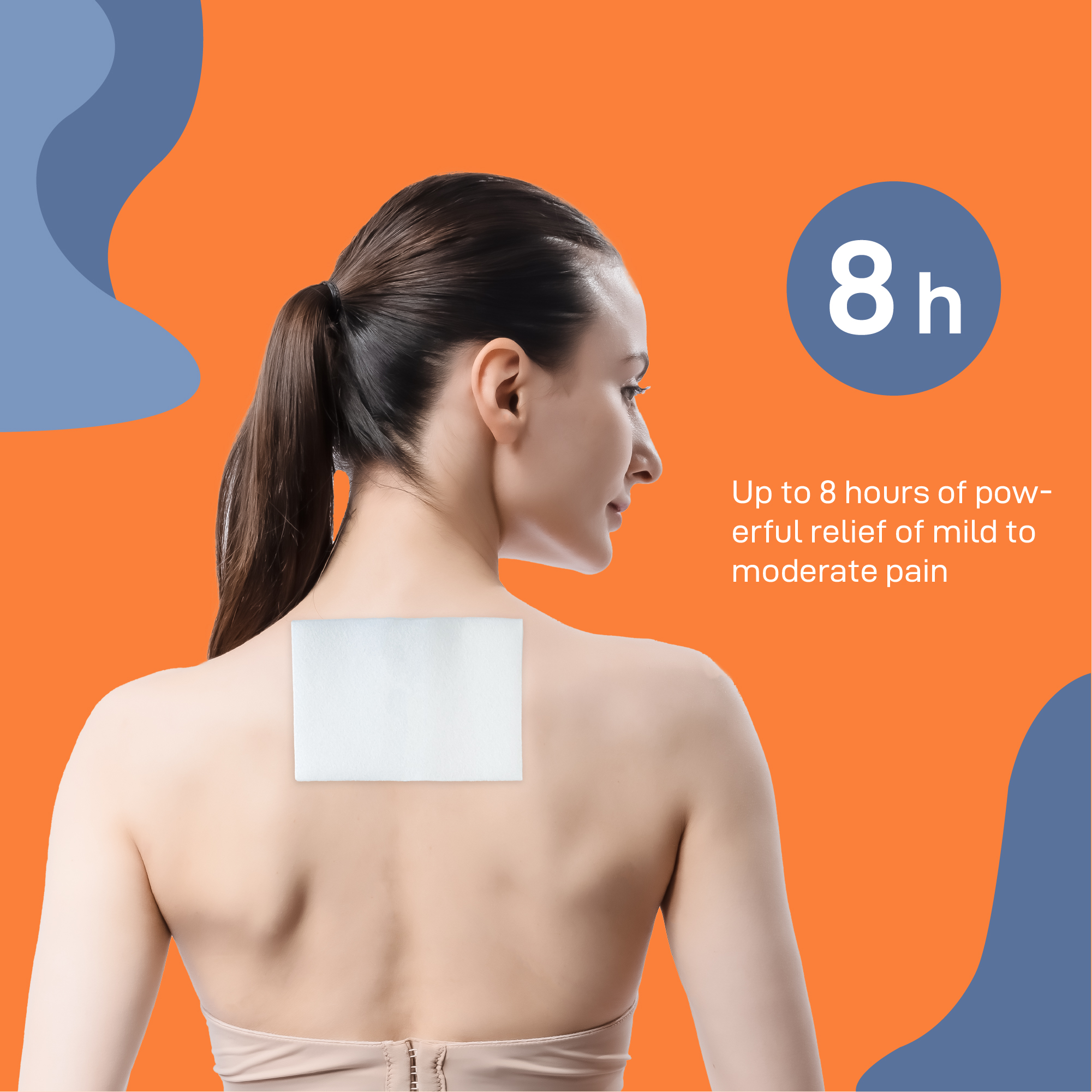
The market offers diverse pain relief patch solutions designed for different pain types and intensity levels. From short-acting options providing immediate relief to long-duration formulations lasting up to eight hours or more, each pain relief patch type serves distinct therapeutic purposes. Understanding your pain profile, activity level, and personal preferences will guide you toward the most suitable pain relief patch for your unique situation.
Understanding Pain Relief Patch Types and Their Applications
Medicated Pain Relief Patches
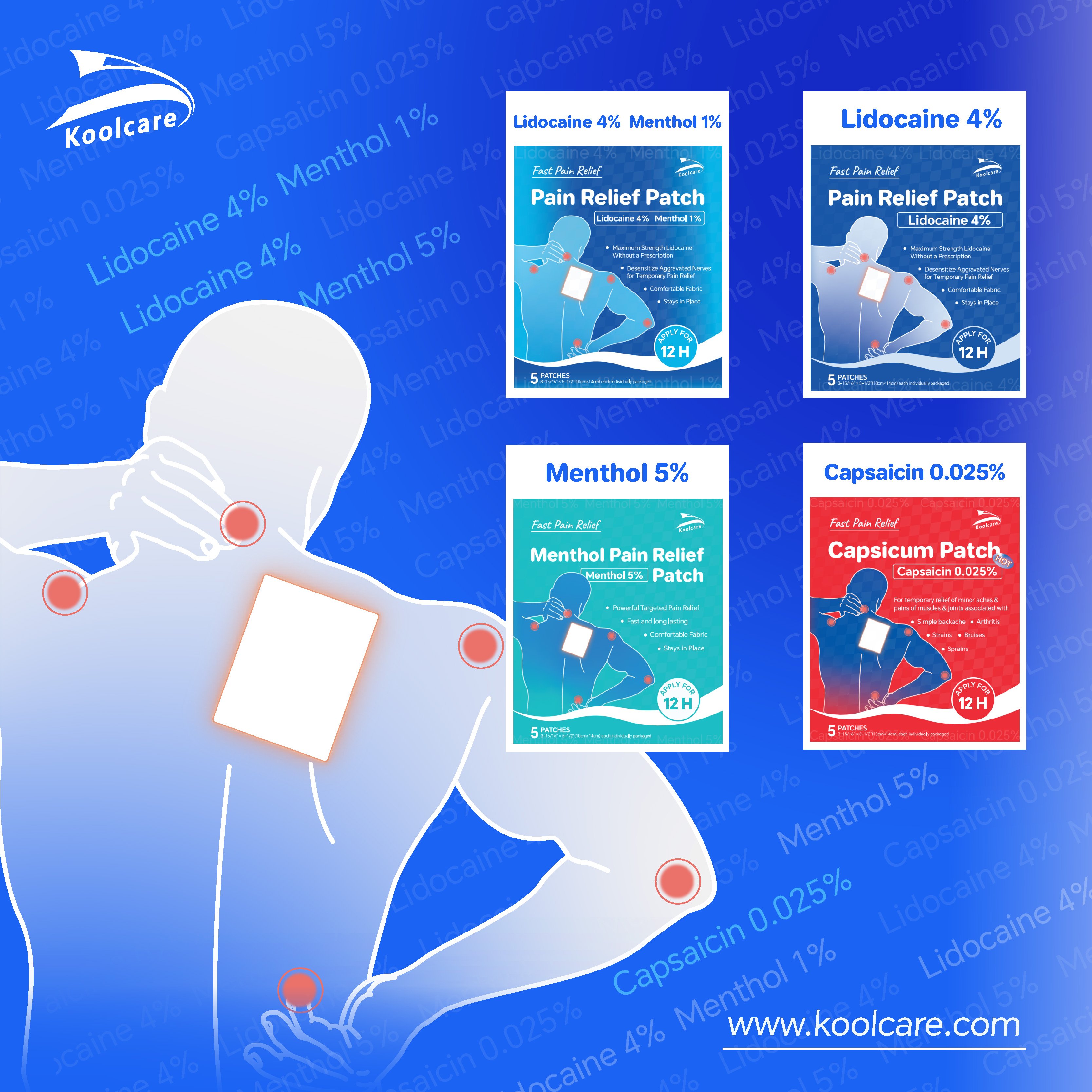
Medicated pain relief patch products contain active pharmaceutical ingredients like menthol, ibuprofen, or lidocaine that penetrate the skin to reduce inflammation and numb pain. These pain relief patch formulations work by delivering medication directly to the affected area, providing targeted relief without systemic side effects. A quality medicated pain relief patch ensures consistent dosage delivery and extended therapeutic action, making it ideal for persistent muscle or joint discomfort.
Hydrogel and Natural Ingredient Patches
Hydrogel-based pain relief patch solutions offer a gentler alternative for sensitive skin while maintaining effectiveness. These pain relief patch options often incorporate natural ingredients like herbal extracts, essential oils, and cooling agents that soothe pain through sustained release mechanisms. A hydrogel pain relief patch typically adheres securely, remains flexible during movement, and can be worn comfortably for extended periods without skin irritation.
Key Selection Criteria for Your Ideal Pain Relief Patch
Duration and Relief Intensity
Evaluating how long you need pain relief determines which pain relief patch duration is right for you. Short-term pain relief patch options lasting two to four hours suit acute pain or activity-specific relief, while extended-action pain relief patch formulations lasting six to eight hours provide sustained comfort for chronic conditions. Consider your daily schedule and pain patterns when selecting a pain relief patch that matches your lifestyle and therapeutic requirements.
Skin Compatibility and Adhesive Quality
Your skin type significantly influences pain relief patch selection and comfort levels. A high-quality pain relief patch should feature hypoallergenic adhesives and breathable backing materials that prevent skin irritation even with frequent use. Test your response to different pain relief patch materials, and if you have sensitive skin, prioritize dermatologically-tested pain relief patch options that minimize allergic reactions while maintaining strong adhesion throughout the day.
Active Ingredients and Pain Type
Different pain relief patch formulations target specific pain types through their active ingredient profiles. Menthol-based pain relief patch products work well for muscle soreness and surface-level discomfort through cooling sensations. Ibuprofen or salicylate-containing pain relief patch options address inflammatory pain conditions more effectively. Understanding your pain source—whether muscular, inflammatory, or neuropathic—helps you select the most appropriate pain relief patch ingredient profile for optimal results.
Application Best Practices and Usage Tips
Proper Application Techniques
Correct application significantly enhances pain relief patch effectiveness and longevity. Before applying your pain relief patch, clean and dry the affected area thoroughly to ensure maximum adhesion and ingredient absorption. Press the pain relief patch firmly onto skin for several seconds, starting from the center and working outward to eliminate air bubbles. Avoid applying a pain relief patch over broken skin or open wounds, and always follow package instructions regarding maximum daily usage of any pain relief patch product.
Maximizing Comfort and Performance
Strategic placement enhances how well your pain relief patch performs throughout the day. Position your pain relief patch directly over the source of pain for targeted relief rather than placing it randomly on nearby areas. Rotate application sites when using pain relief patch products daily to prevent skin sensitization and maintain consistent effectiveness. Keep your pain relief patch dry and avoid excessive moisture from sweat or water exposure, which can compromise adhesion and reduce the therapeutic duration of your chosen pain relief patch.
Making Your Final Decision
Assessing Your Specific Pain Profile
Start by honestly evaluating your pain characteristics before selecting a pain relief patch solution. Consider whether your pain is acute or chronic, localized or widespread, and whether it affects your ability to perform daily activities. Your pain intensity, frequency, and response patterns will directly inform which pain relief patch type and strength is most appropriate. Document your pain patterns over a few days to identify the best timing for pain relief patch application and to determine whether you need a pain relief patch that provides quick onset or sustained long-term relief.
Trial and Adjustment Strategy
Start with a high-quality pain relief patch product designed for your specific pain type and test it for several applications before deciding whether it meets your needs. Monitor how your skin responds to the adhesive, how long pain relief lasts, and whether the pain relief patch interferes with your daily activities or clothing. If your first pain relief patch choice doesn't deliver satisfactory results, adjust your approach by trying a different duration, ingredient profile, or application technique rather than abandoning pain relief patch therapy entirely.
FAQ
How long does a typical pain relief patch provide relief?
Most pain relief patch products deliver relief for two to eight hours depending on the formulation, active ingredients, and your individual response. Extended-duration pain relief patch options can provide up to eight hours of continuous pain management, making them ideal for all-day wear. Always check the specific pain relief patch packaging for the manufacturer's recommended duration and maximum daily application limits.
Can I use multiple pain relief patches at the same time?
Using multiple pain relief patch products simultaneously is generally not recommended unless specifically instructed by your healthcare provider. Each pain relief patch delivers a specific dose of active ingredients, and combining pain relief patch products could exceed safe daily limits and increase skin irritation risk. Always follow your pain relief patch instructions regarding maximum daily usage and consult a healthcare professional if you need additional pain management beyond what a single pain relief patch provides.
Is a pain relief patch safe for sensitive skin?
Many modern pain relief patch options are formulated with sensitive skin in mind, featuring hypoallergenic adhesives and gentle ingredients. Look for dermatologically-tested pain relief patch products and conduct a patch test on a small area before full application if you have a history of skin sensitivity. If you experience irritation from any pain relief patch, discontinue use and consider alternative formulations or consult a healthcare provider to identify which pain relief patch ingredients may be causing your reaction.