 EN

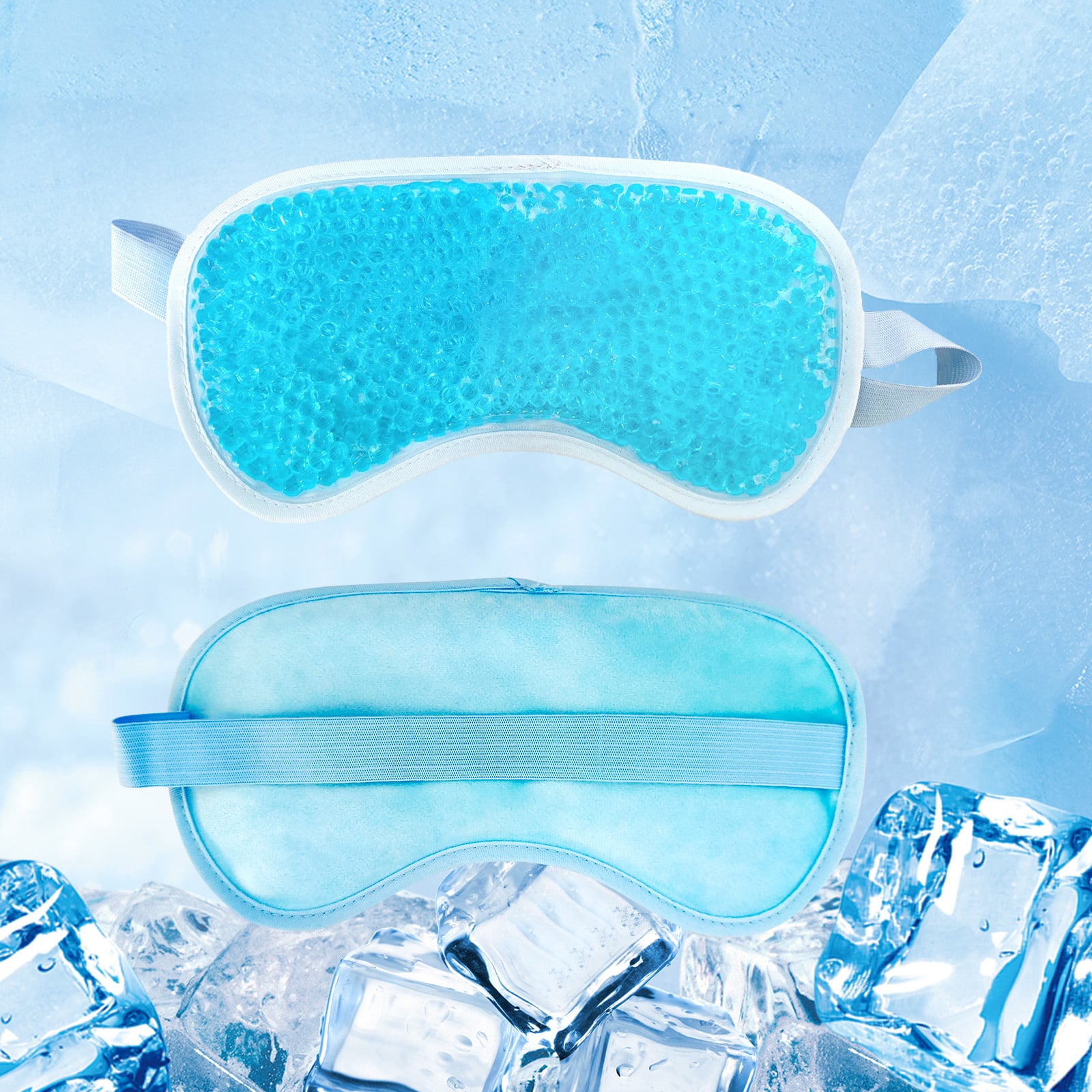
Post-surgical recovery demands careful attention to wound care, pain management, and inflammation control. One of the most effective yet often underutilized tools in this process is cold compress therapy. A cold compress has been scientifically validated to accelerate healing, minimize complications, and improve patient comfort during the critical weeks following surgery. Understanding why cold compress treatment matters can help patients make informed decisions about their recovery protocol and set realistic expectations for optimal healing outcomes.
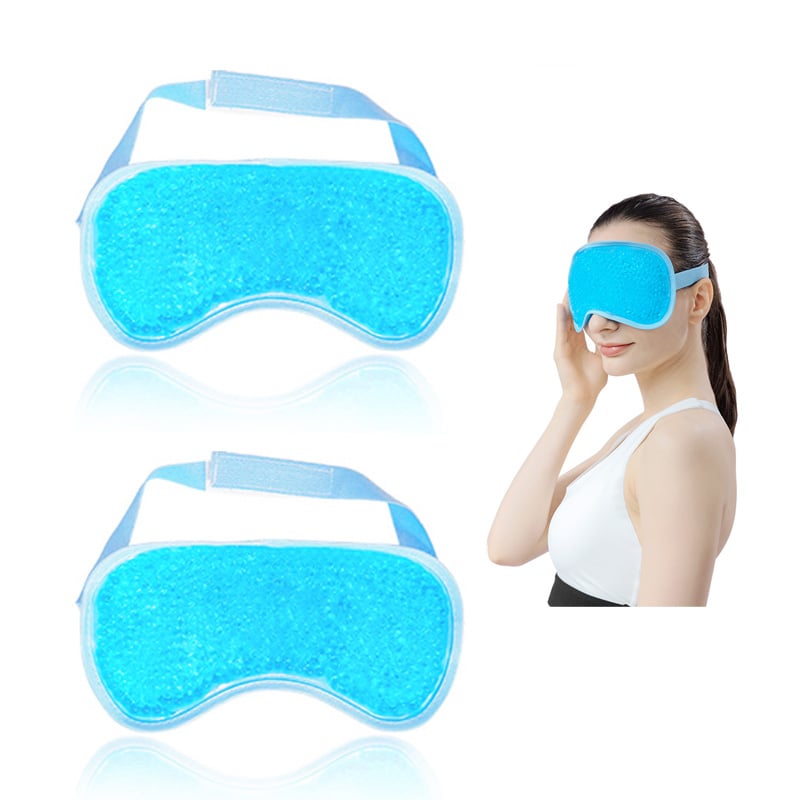
The physiological response triggered by cold compress application initiates a cascade of beneficial reactions within surgical tissue. When you apply a cold compress to the surgical site, vasoconstriction immediately reduces blood flow to the affected area, which directly limits inflammatory fluid accumulation and swelling. This mechanism has made cold compress therapy a cornerstone of post-operative care protocols across hospitals, surgical centers, and home recovery programs worldwide.
The Inflammatory Response and Cold Compress Benefits
Understanding Post-Surgical Inflammation
Surgery creates controlled trauma to tissue, triggering the body's natural inflammatory response. While some inflammation is necessary for healing, excessive swelling can compress nerves, restrict blood flow to healing tissue, and increase pain levels significantly. A cold compress works by constricting blood vessels at the surgical site, which slows the delivery of inflammatory mediators and fluid accumulation. This reduction in swelling through cold compress application is not merely cosmetic—it has direct clinical benefits for pain reduction and tissue healing. Research demonstrates that patients using cold compress therapy experience measurably less swelling within the first 48 to 72 hours after surgery, a critical window for inflammation management.
Pain Reduction Mechanisms
Cold compress therapy reduces pain through multiple simultaneous mechanisms. The cold compress numbs nerve endings, providing immediate sensory relief similar to a local anesthetic effect. Additionally, by reducing swelling through cold compress application, secondary pain from pressure on nerves and tissues decreases substantially. Patients report that cold compress use allows them to reduce narcotic pain medication sooner, supporting faster cognitive recovery and reducing the risk of dependency. The pain-relief benefits of cold compress extend throughout the entire post-operative recovery period, though they are most pronounced in the first two weeks when inflammation peaks.
Optimal Cold Compress Application Protocol
Timing and Duration of Cold Compress Use
The effectiveness of cold compress therapy depends critically on proper timing and duration. Surgical teams typically recommend beginning cold compress application immediately after surgery, during the recovery room phase. The standard cold compress protocol involves 15 to 20 minutes of application followed by a 20-minute rest period, repeated throughout the day for the first 48 to 72 hours. Some surgeons recommend continuing cold compress treatment at reduced frequency for up to two weeks post-surgery, depending on the procedure type and individual healing rates. This structured cold compress schedule maximizes benefits while preventing tissue damage from prolonged cold exposure, a condition called frostbite or cold-induced nerve injury.
Proper Technique for Cold Compress Effectiveness
Applying a cold compress correctly ensures maximum therapeutic benefit and patient safety. Always place a protective barrier—such as cloth or towel—between the cold compress and skin to prevent direct contact that could damage tissue. Position the cold compress directly over the surgical area, applying gentle pressure without causing discomfort. Secure the cold compress in place using elastic bandages or compression garments, which simultaneously provide swelling control beyond what the cold compress alone delivers. Proper cold compress positioning ensures consistent therapeutic contact and prevents migration away from the surgical site, which reduces overall effectiveness of the treatment protocol.
Clinical Outcomes and Recovery Acceleration
Evidence-Based Results from Cold Compress Therapy
Clinical studies consistently demonstrate that patients incorporating cold compress therapy into their post-operative protocol experience superior outcomes compared to control groups. Patients using cold compress show reduced swelling by 20 to 40 percent within the first 72 hours, shortened overall recovery time by 7 to 14 days, and reduced narcotic pain medication requirements by 15 to 25 percent. These improvements compound over time, as reduced swelling accelerates rehabilitation and physical therapy progression. The cold compress impact extends beyond immediate post-operative recovery—patients with better swelling control through cold compress application experience fewer complications, including reduced risk of blood clots, infection, and tissue necrosis.
Long-Term Recovery and Cold Compress Integration
While the most dramatic benefits of cold compress application occur in the immediate post-operative period, cold compress therapy continues to support healing throughout the recovery timeline. Beyond the initial 72 hours, transitioning to heat therapy is often recommended, but strategic cold compress application during exercise or physical therapy sessions helps manage inflammatory flare-ups. Patients who strategically apply cold compress during rehabilitation activities report improved exercise tolerance, faster strength recovery, and greater overall mobility restoration. This extended cold compress use represents a practical, medication-free approach to managing post-operative inflammation as patients return to normal function.
FAQ
How long should I use a cold compress after surgery?
Most surgical protocols recommend using a cold compress for 15 to 20 minutes every two to three hours during the first 48 to 72 hours after surgery. Some patients benefit from continuing cold compress application at reduced frequency—such as once daily—for up to two weeks. However, your surgeon will provide specific cold compress recommendations based on your procedure type, tissue depth, and individual healing response. Always follow your surgical team's cold compress guidance, as excessive or prolonged cold compress use could potentially delay healing.
Can cold compress cause any complications?
When applied correctly with a protective barrier, cold compress therapy is extremely safe. However, direct prolonged contact between a cold compress and skin can cause frostbite or cold-induced nerve damage. Always place cloth or towel between the cold compress and skin, and never apply a cold compress for more than 20 consecutive minutes. Patients with nerve damage, poor circulation, or sensory deficits should discuss cold compress use with their surgeon before beginning treatment to ensure safety.
Is cold compress better than other pain management options?
Cold compress therapy works most effectively as part of a comprehensive pain management strategy that may include medications, elevation, compression, and physical therapy. Cold compress provides immediate, medication-free swelling reduction and pain relief without systemic side effects. Many patients find that incorporating cold compress into their recovery protocol allows them to reduce pain medications sooner while maintaining better pain control. Cold compress should complement, not replace, your surgeon's recommended pain management plan.