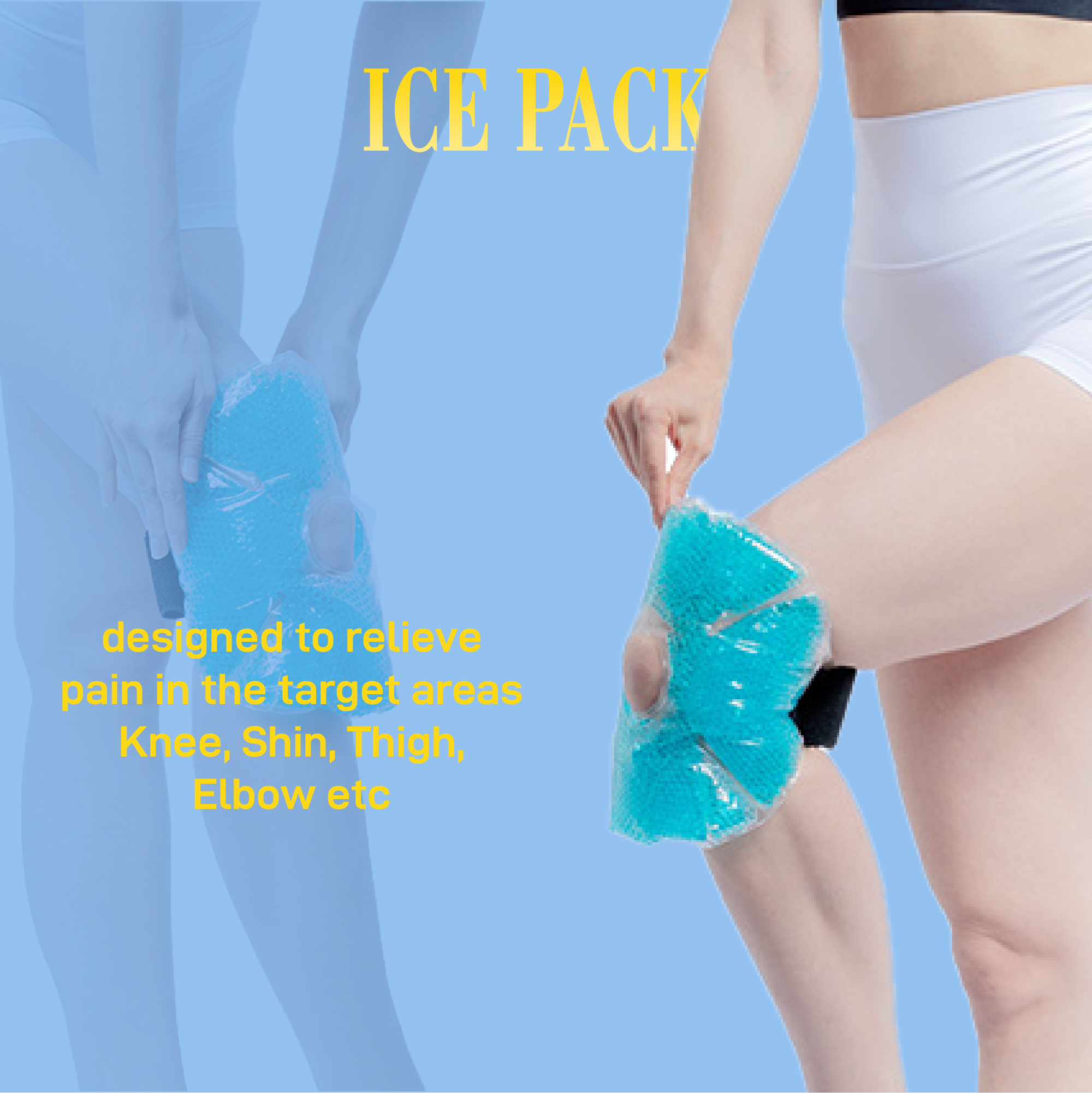
Cold Pack Cold Therapy Relief

Get a Free Quote

Our representative will contact you soon.
Email
Name
Company Name
Message
0/1000

cold pack cold therapy

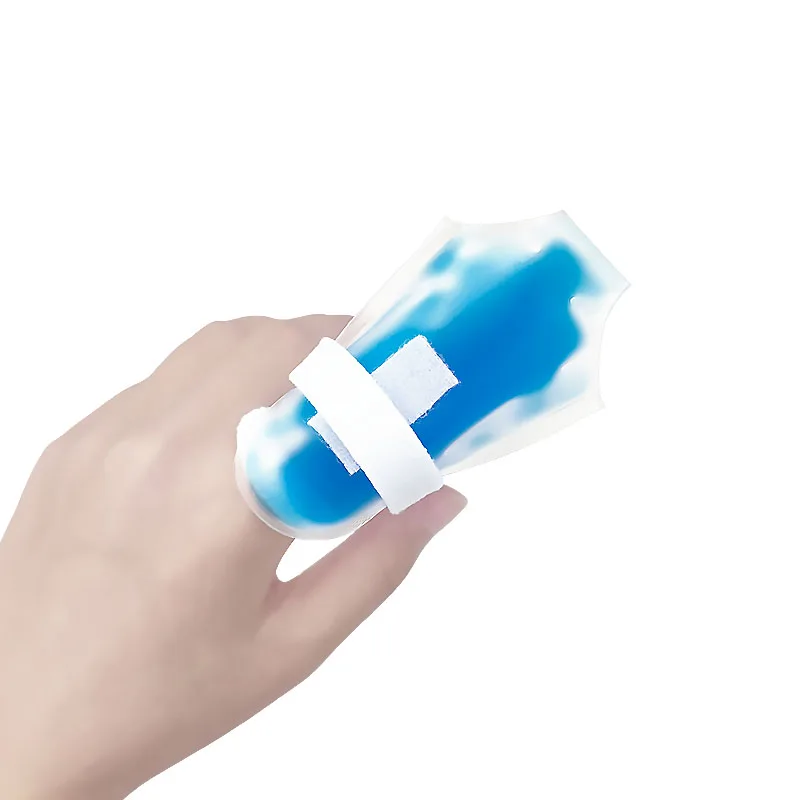
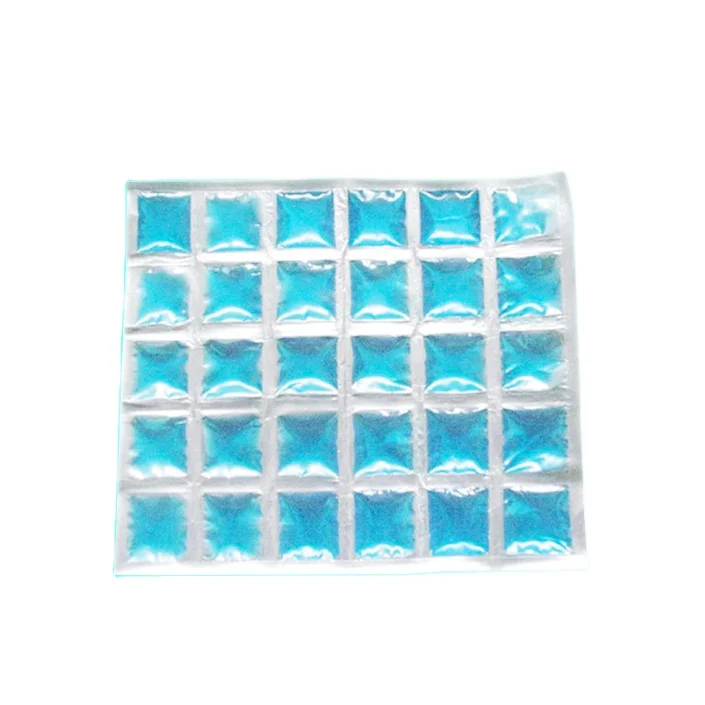
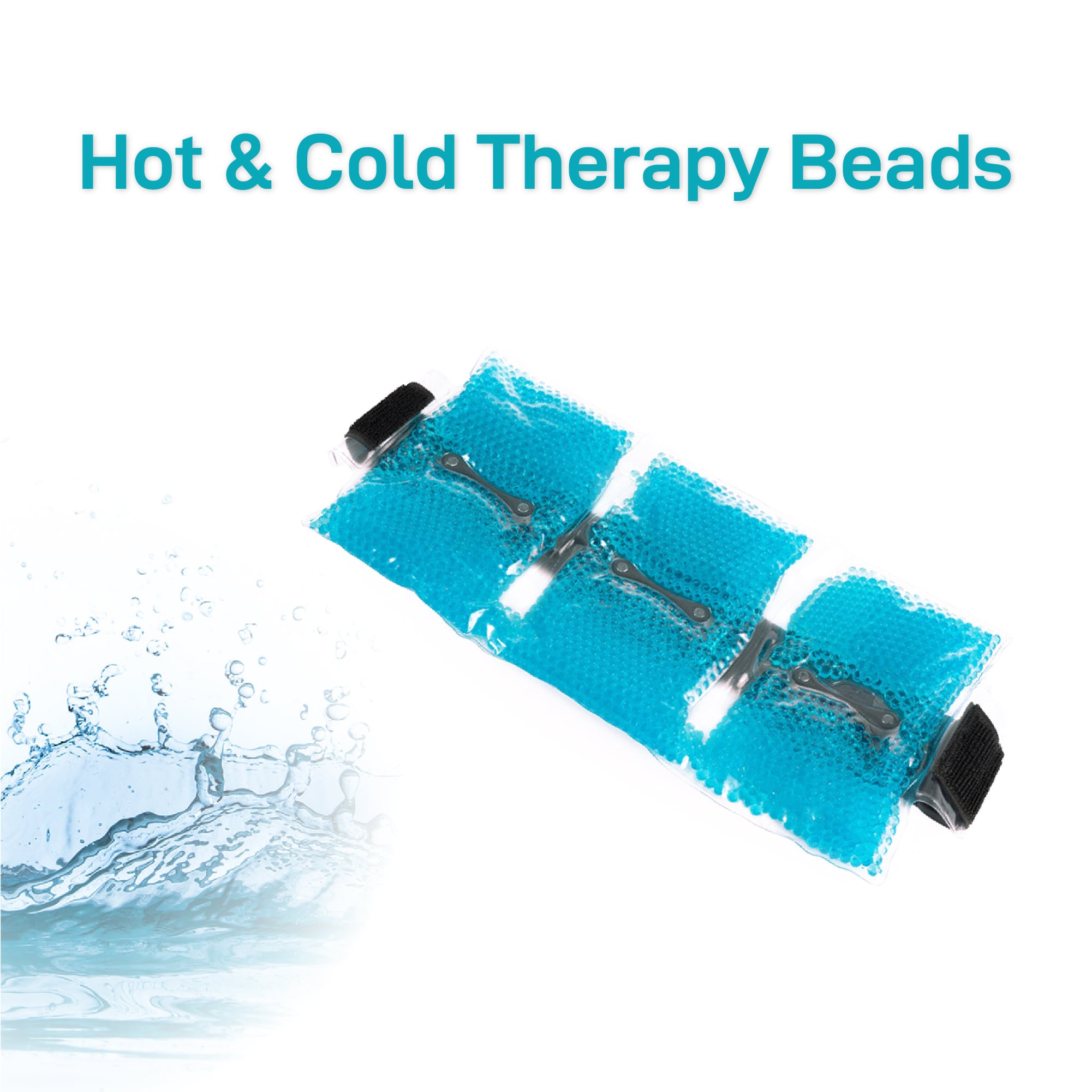
Cold pack cold therapy represents a modern therapeutic solution designed to manage pain, reduce inflammation, and accelerate recovery through controlled temperature application. This versatile treatment method utilizes specially engineered cooling technology to deliver consistent, therapeutic cold to affected areas of the body. Cold pack cold therapy works by constricting blood vessels, which decreases blood flow to injured tissues and reduces swelling and discomfort. The technology behind cold pack cold therapy incorporates advanced gel formulations and insulation materials that maintain optimal temperatures for extended periods, ensuring sustained therapeutic benefits. These packs are engineered with flexible designs that conform to various body contours, making cold pack cold therapy accessible for multiple anatomical regions. The primary functions of cold pack cold therapy include pain relief, inflammation reduction, muscle spasm control, and injury recovery acceleration. Cold pack cold therapy applications span across sports medicine, post-surgical recovery, chronic pain management, and acute injury treatment. Healthcare professionals and athletes widely recommend cold pack cold therapy for its proven effectiveness in reducing edema and promoting tissue healing. The technology features thermal stability, ensuring cold pack cold therapy maintains consistent temperatures without rapid degradation. Additionally, cold pack cold therapy provides a non-pharmaceutical alternative to pain management, making it suitable for individuals seeking natural therapeutic options. Modern cold pack cold therapy designs incorporate eco-friendly materials and reusable components, supporting sustainable healthcare practices while delivering reliable performance across diverse medical and wellness applications.

New Product Recommendations

Cold pack cold therapy delivers substantial practical benefits that make it an excellent choice for pain management and injury recovery. The most significant advantage is immediate pain relief without requiring medication, allowing you to manage discomfort naturally and safely. When you apply cold pack cold therapy to an injured area, vasoconstriction occurs rapidly, reducing inflammation and swelling within minutes. This makes cold pack cold therapy particularly valuable for acute injuries where swelling management is critical for recovery speed. Operationally, cold pack cold therapy offers convenience and ease of use, requiring no complex setup or professional assistance. You can apply cold pack cold therapy at home, work, or during travel, providing flexibility that other therapeutic methods cannot match. The cost-effectiveness of cold pack cold therapy is remarkable compared to ongoing physical therapy sessions or pharmaceutical pain management options. Cold pack cold therapy packs are reusable and require only freezing, making them economical long-term investments. Application suitability extends across numerous conditions including sports injuries, post-surgical swelling, muscle strains, arthritis symptoms, and chronic pain conditions. Cold pack cold therapy suits diverse age groups and physical conditions, from young athletes to elderly individuals managing arthritis. The safety profile of cold pack cold therapy is excellent, with minimal side effects when used correctly, unlike many pharmaceutical alternatives. Healthcare providers consistently recommend cold pack cold therapy as a first-line treatment for acute injuries and inflammation management. Cold pack cold therapy accelerates recovery timelines by reducing secondary injury complications caused by inflammation. The psychological benefit of immediate relief from cold pack cold therapy cannot be overlooked, as quick pain management improves overall wellness perception. Additionally, cold pack cold therapy combines effectively with other therapeutic approaches, enhancing comprehensive treatment protocols.

Latest News

What Is the Best Way to Apply a Cold Pack on Swollen Areas?

02

Dec

What Is the Best Way to Apply a Cold Pack on Swollen Areas?

When dealing with swelling from injuries, inflammation, or post-surgical recovery, proper application of therapeutic cooling treatments becomes essential for effective pain management and healing acceleration. Understanding the correct techniques for...
View More
 How to Store Cold Packs Properly for Longevity?

20

Jan

How to Store Cold Packs Properly for Longevity?

Proper storage of cold packs is essential for maintaining their effectiveness and extending their lifespan significantly. Medical professionals, athletes, and individuals managing chronic pain rely heavily on these therapeutic devices for injury reco...
View More
Why is a reusable ice pack essential for sports injury clinics?

09

Feb

Why is a reusable ice pack essential for sports injury clinics?

Sports injury clinics face constant demands for effective pain management and injury recovery solutions. A reusable ice pack represents one of the most fundamental therapeutic tools that every professional clinic must have in their arsenal. These ver...
View More
How to choose a hot cold pack that fits specific body contours?

09

Feb

How to choose a hot cold pack that fits specific body contours?

Selecting the right hot cold pack for your specific body contours is crucial for effective pain relief and therapeutic treatment. Whether you're dealing with chronic pain conditions, sports injuries, or post-surgical recovery, finding a therapeutic p...
View More

Get a Free Quote

Our representative will contact you soon.
Email
Name
Company Name
Message
0/1000

cold pack cold therapy

Rapid Inflammation Reduction with Cold Pack Cold Therapy

Rapid Inflammation Reduction with Cold Pack Cold Therapy

One of the most compelling benefits of cold pack cold therapy is its ability to rapidly reduce inflammation in injured tissues. When applied immediately after an injury, cold pack cold therapy constricts blood vessels and decreases blood flow to the affected area, preventing excessive swelling that could compromise healing. This vascular response initiated by cold pack cold therapy limits fluid accumulation around injured tissues, reducing pressure and discomfort. The effectiveness of cold pack cold therapy in inflammation management has made it the preferred choice among sports medicine professionals and orthopedic specialists. Cold pack cold therapy typically produces noticeable results within five to fifteen minutes of application, providing swift relief that patients appreciate. The inflammation reduction achieved through cold pack cold therapy prevents secondary complications that often prolong recovery periods. By controlling swelling early, cold pack cold therapy allows underlying tissues to heal more efficiently without the added burden of excessive fluid pressure. This rapid intervention capability makes cold pack cold therapy invaluable in emergency medical settings and immediate injury response protocols.
Sustained Pain Relief Without Medication Dependence

Sustained Pain Relief Without Medication Dependence

Cold pack cold therapy offers extended pain relief through natural physiological mechanisms, eliminating the need for pharmaceutical interventions in many situations. The numbing effect of cold pack cold therapy reduces nerve signal transmission, effectively interrupting pain perception without introducing medications into your system. Users of cold pack cold therapy experience sustained comfort that typically lasts several hours following each application, allowing extended periods of functional activity. Cold pack cold therapy provides a safe alternative for individuals with medication sensitivities, allergies, or those who prefer natural pain management approaches. The pain relief from cold pack cold therapy is immediate upon application, providing quick solutions to acute discomfort. Unlike oral pain medications requiring digestion and systemic processing, cold pack cold therapy delivers localized, direct relief exactly where pain originates. This targeted approach makes cold pack cold therapy particularly effective for musculoskeletal pain, joint discomfort, and soft tissue injuries. Regular users of cold pack cold therapy report improved overall quality of life through reduced dependence on pharmaceutical pain management strategies. The versatility of cold pack cold therapy allows repeated applications throughout the day without concerns about medication side effects or dependency development.
Cost-Effective and Reusable Therapeutic Solution

Cost-Effective and Reusable Therapeutic Solution

Cold pack cold therapy represents exceptional value in therapeutic solutions due to its reusable nature and minimal operational costs. Unlike expensive physical therapy sessions or continuous pharmaceutical purchases, cold pack cold therapy requires only initial investment and basic freezer access for ongoing use. Each cold pack cold therapy unit provides hundreds of applications over multiple years, making per-use costs incredibly economical. Healthcare providers recognize cold pack cold therapy as a cost-effective treatment option that reduces overall medical expenses while maintaining therapeutic effectiveness. Cold pack cold therapy eliminates recurring expenses associated with professional treatments, specialist visits, and ongoing medication prescriptions. The sustainability aspect of cold pack cold therapy appeals to environmentally conscious consumers seeking durable, reusable therapeutic products. Cold pack cold therapy can be used preventatively before activity, therapeutically after injury, and during maintenance phases of recovery protocols. This multi-purpose functionality of cold pack cold therapy maximizes value extraction from single purchases. Families can share cold pack cold therapy units, further reducing per-person costs and making therapeutic benefits accessible to multiple household members. Workplace wellness programs increasingly incorporate cold pack cold therapy due to its affordability and effectiveness compared to alternative injury management approaches.