 EN
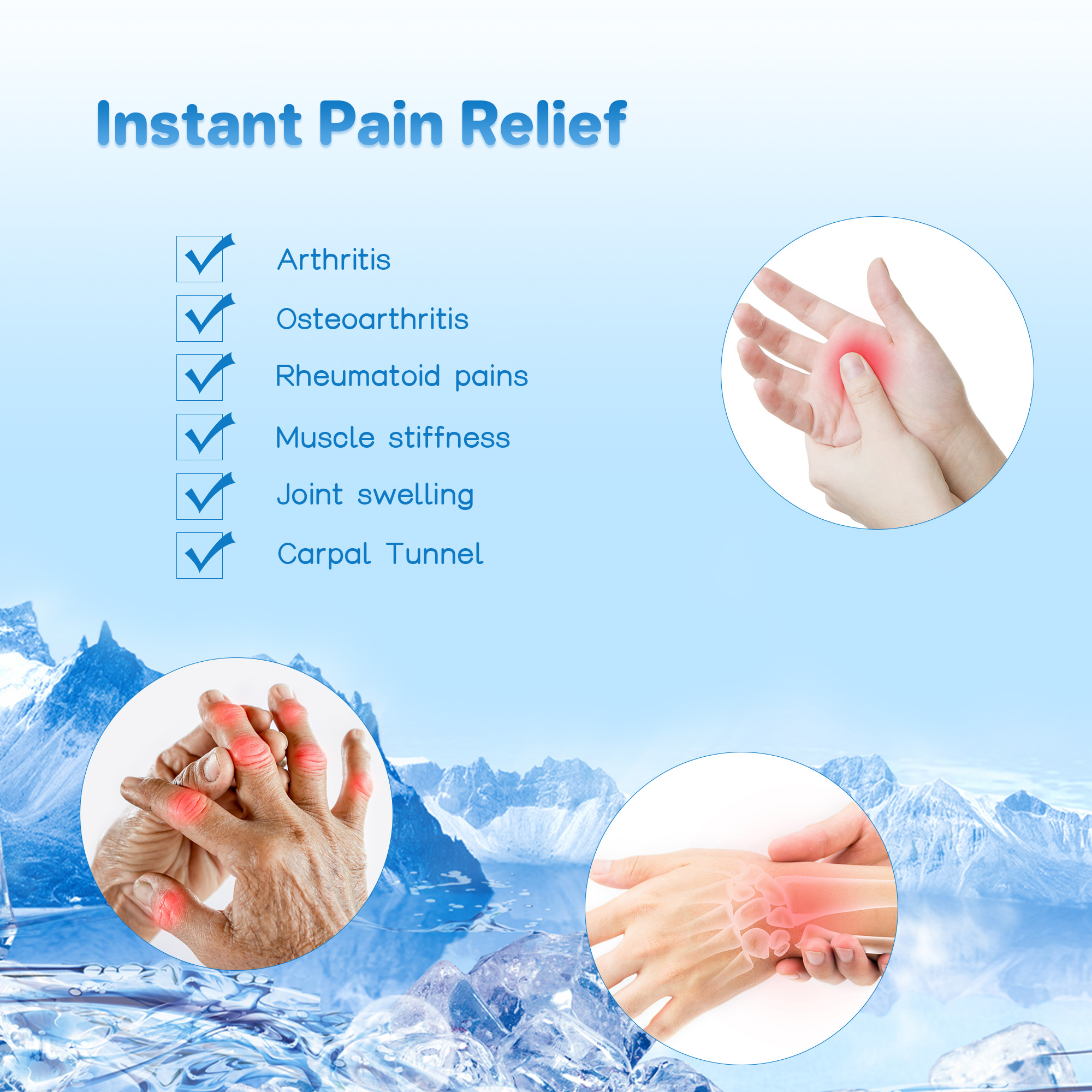
Cold packs have long been recognized as an effective therapeutic tool for managing pain and swelling, particularly in acute injury situations. Whether you've experienced a sports injury, muscle strain, or post-surgical inflammation, understanding how a cold pack works can help you make informed decisions about pain management. The science behind cold pack therapy is straightforward yet powerful, involving physiological responses that directly address the root causes of discomfort and tissue swelling.
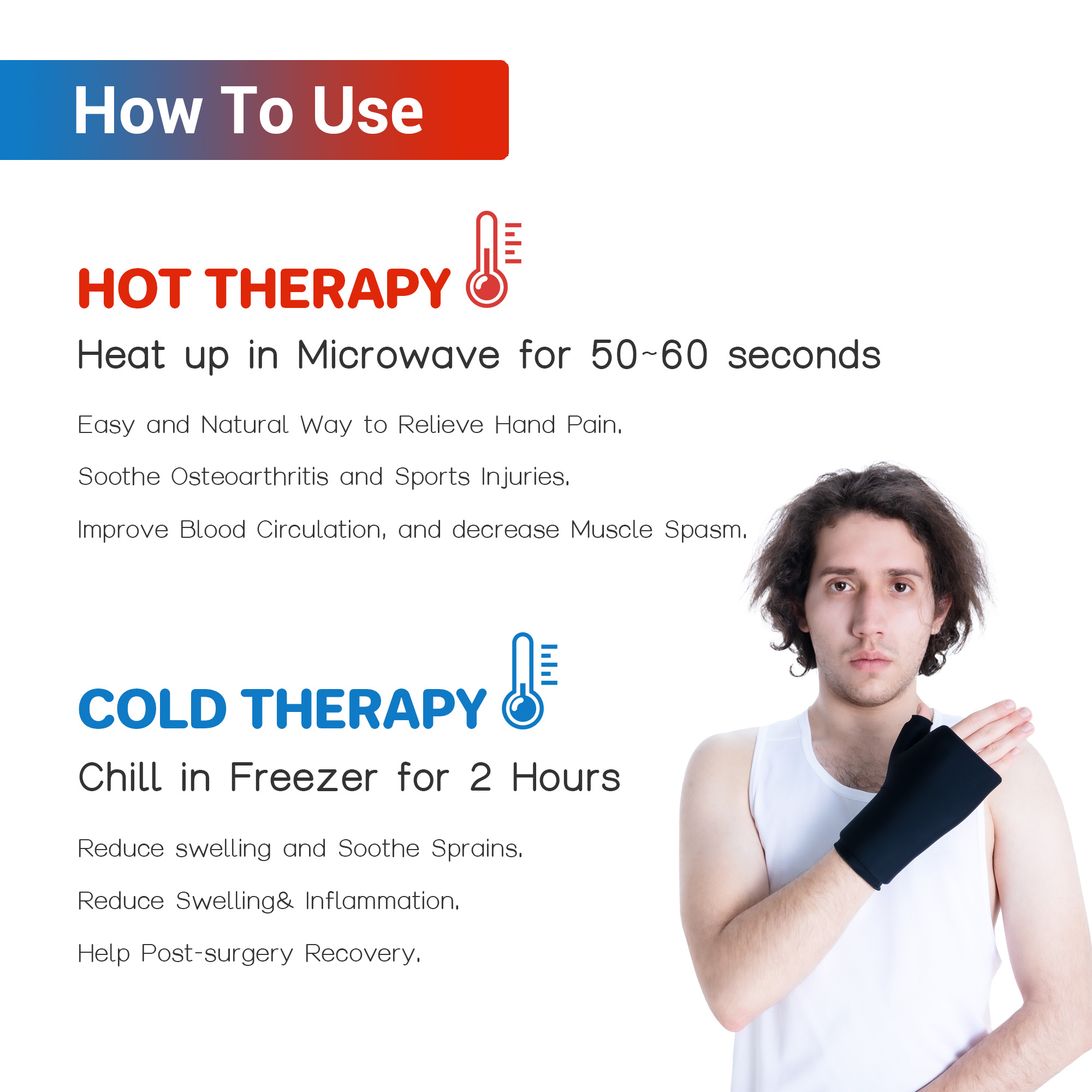
The effectiveness of a cold pack lies in its ability to lower tissue temperature and trigger specific physiological responses that reduce inflammation and numb pain signals. When applied properly, a cold pack can significantly improve recovery outcomes and enhance comfort during the acute phase of injury. Understanding when and how to use a cold pack ensures maximum therapeutic benefit while minimizing potential risks associated with improper application.
How Cold Packs Reduce Swelling Through Vasoconstriction
Understanding the Vasoconstriction Process
The primary mechanism by which a cold pack reduces swelling involves a process called vasoconstriction, where blood vessels narrow in response to cold temperature. When you apply a cold pack to an injured area, the reduced temperature causes blood vessels to contract, limiting blood flow to the region. This decreased circulation directly reduces the amount of fluid that accumulates in tissues, which is the physical cause of visible swelling. A cold pack is particularly effective during the first 48 to 72 hours after injury when inflammation is most active and responsive to temperature-based intervention.
The Inflammatory Response and Cold Therapy
Inflammation is the body's natural response to tissue damage, involving increased blood flow and fluid accumulation. While some inflammation is necessary for healing, excessive swelling restricts movement and increases pain. A cold pack interrupts this cascade by lowering metabolic rates in affected tissues, which reduces the production and release of inflammatory mediators. This makes a cold pack an essential tool during acute injury management, as it helps prevent the secondary damage that excessive inflammation can cause to surrounding healthy tissue.
Pain Relief Mechanisms and Cold Pack Application
Numbing Effect and Pain Signal Transmission
Beyond reducing swelling, a cold pack provides direct pain relief through a phenomenon known as the 'gate control theory' of pain. When cold stimulates nerve endings in the skin, these sensations travel along the same neural pathways as pain signals, effectively blocking pain perception from reaching the brain. The numbing effect of a cold pack typically becomes noticeable within five to ten minutes of application, providing immediate comfort for acute injuries. Additionally, reduced tissue temperature slows the conduction velocity of pain signals, meaning pain messages travel more slowly to the central nervous system when you use a cold pack.
Optimal Application Timing for Maximum Benefit
The timing of cold pack application dramatically influences its effectiveness for pain and swelling reduction. Cold therapy is most effective when applied immediately following injury, ideally within the first hour, and continued during the acute inflammatory phase spanning the first 48 to 72 hours. A cold pack should typically be applied for 15 to 20 minutes at a time, with at least 20 to 30 minutes of rest between applications to prevent tissue damage from prolonged cold exposure. This intermittent application pattern allows tissues to partially rewarm between sessions while maintaining cumulative reductions in swelling and pain throughout the day.
Best Practices for Safe and Effective Cold Pack Use
Protection and Barrier Methods
Direct skin contact with a cold pack can cause ice burn or frostbite if applied improperly, particularly during extended sessions. Always wrap a cold pack in a thin towel or cloth before applying it to skin, which maintains therapeutic cold while protecting against temperature-related injuries. A cold pack works most effectively when there is a barrier between the pack and skin, as this distribution of cold reduces localized extreme temperatures while still providing adequate therapeutic benefit. Individuals with compromised circulation, diabetes, or sensitivity to cold should exercise extra caution and consult healthcare providers before using a cold pack.
Complementary Strategies with Cold Pack Therapy
While a cold pack is highly effective on its own, combining it with other injury management techniques amplifies results. The R.I.C.E. protocol (Rest, Ice using a cold pack, Compression, and Elevation) represents a comprehensive approach to acute injury management that leverages the cold pack's benefits alongside other interventions. Compression wraps can be applied over the cold pack to provide added support and swelling reduction, while elevation helps gravity assist in fluid drainage from the injured area. This integrated approach ensures that a cold pack's pain and swelling reduction capabilities work synergistically with mechanical support and positional advantages for optimal recovery outcomes.
FAQ
How long should you leave a cold pack on an injury?
A cold pack should be applied for 15 to 20 minutes per session, with at least 20 to 30 minutes of rest between applications during the acute injury phase. This timing maximizes the therapeutic benefits of cold therapy while preventing ice burn or other cold-related tissue damage. Most experts recommend applying a cold pack multiple times throughout the day during the first 48 to 72 hours following injury for optimal swelling and pain reduction.
When should you stop using a cold pack after an injury?
Cold pack therapy is most effective during the acute inflammatory phase, typically the first 48 to 72 hours following injury. After this initial period, heat therapy may become more beneficial for promoting blood flow and facilitating tissue healing. However, if swelling and pain persist beyond 72 hours, continued use of a cold pack under medical guidance may still provide benefit, especially before activity or physical therapy sessions.
Can a cold pack be used for chronic pain conditions?
While a cold pack is primarily designed for acute injuries, some individuals find temporary pain relief from cold therapy when managing chronic conditions like arthritis or muscle soreness. The effectiveness of a cold pack for chronic pain varies by individual and condition type. Generally, cold therapy is most suitable for acute inflammatory conditions, while chronic pain may benefit more from sustained heat therapy or professional medical treatment combined with physical rehabilitation strategies.