 EN
EN
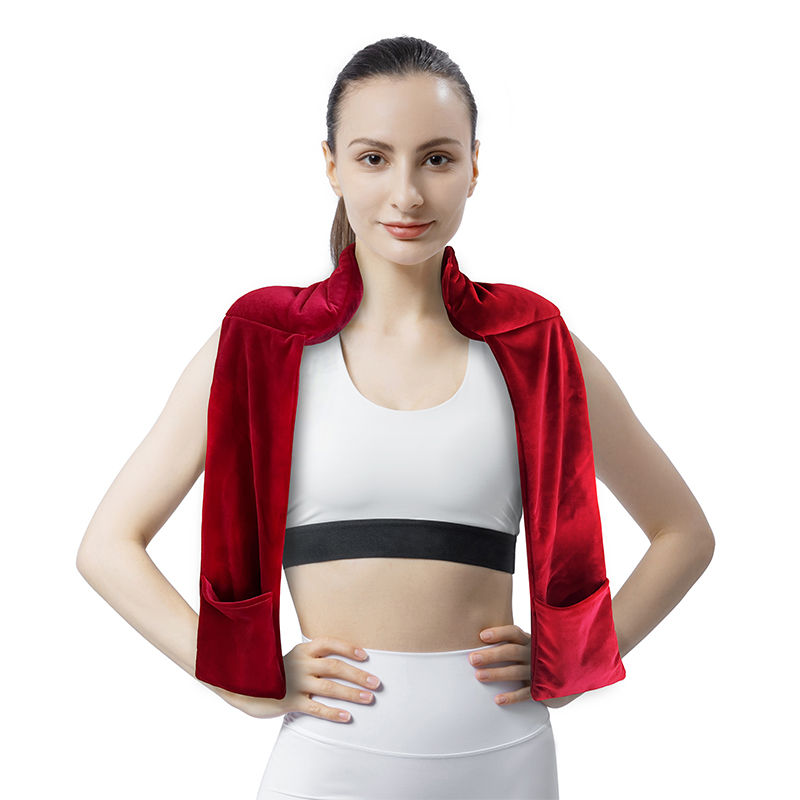
Understanding how long a moist heat pack lasts on skin is essential for maximizing its therapeutic benefits and planning your pain management routine. A moist heat pack typically remains effective on skin for 20 to 30 minutes, though this duration can vary based on several factors including the specific product design, ambient temperature, and individual skin sensitivity. Many people rely on moist heat packs for muscle tension relief, menstrual cramp management, and arthritis pain, making it crucial to understand the optimal application timeframe and how to extend the benefits throughout your day.
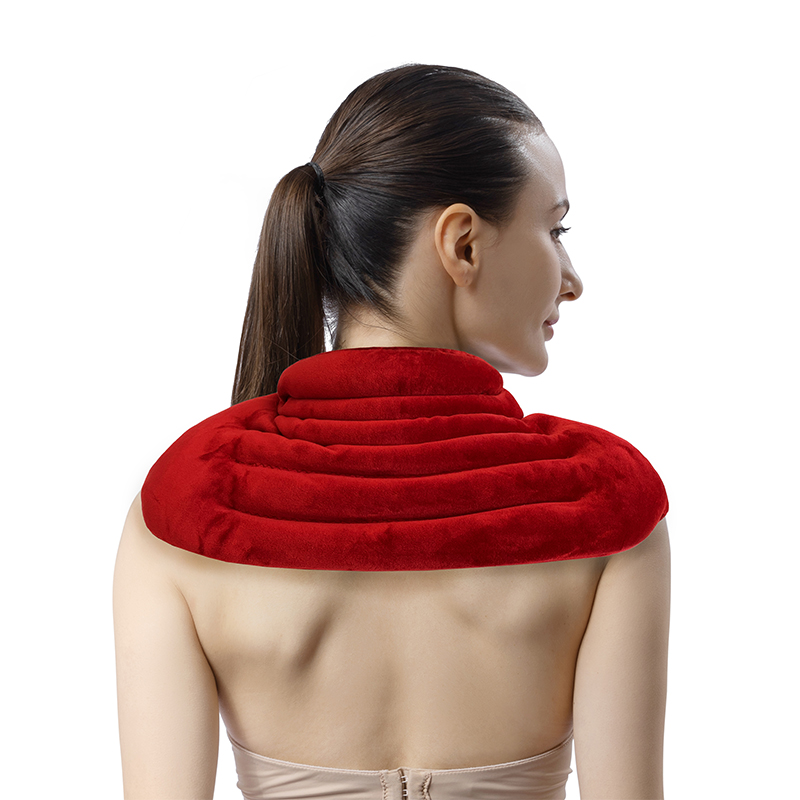
The duration a moist heat pack provides therapeutic warmth depends on its construction, activation mechanism, and how you use it. An air-activated moist heat pack generates warmth through an exothermic chemical reaction that begins the moment it contacts oxygen, delivering consistent heat output across its specified lifespan. Knowing the precise duration helps you plan treatment sessions effectively, determine reapplication schedules, and ensure continuous comfort throughout your workday or evening activities.
How Long a Moist Heat Pack Typically Lasts
Standard Duration and Heat Output
A standard moist heat pack maintains therapeutic warmth for approximately 20 to 30 minutes when applied directly to clean skin. This timeframe represents the period during which the moist heat pack delivers temperature levels sufficient for pain relief, muscle relaxation, and improved blood circulation. Premium quality moist heat packs engineered with advanced gel formulations can extend this duration to 45 minutes or longer, providing extended comfort for users with moderate to severe pain conditions. The consistent heat output from a properly functioning moist heat pack ensures steady therapeutic benefit without fluctuations that might interrupt pain relief.
Factors Affecting Duration
Environmental conditions significantly influence how long a moist heat pack remains effective on skin. Cold outdoor temperatures can reduce the active duration of your moist heat pack, while warmer indoor environments may slightly extend therapeutic warmth. Body surface area matters as well—applying a moist heat pack to a larger muscle group may result in faster heat dissipation compared to targeted application on smaller areas. Clothing layers and skin contact directly impact how efficiently heat transfers from the moist heat pack to affected tissues, with direct skin contact generally providing optimal duration and therapeutic effect.
Maximizing Moist Heat Pack Effectiveness
Optimal Application Techniques
To maximize the therapeutic value of your moist heat pack session, apply it directly to clean, dry skin for best results. Begin by activating your moist heat pack according to product instructions—most modern moist heat pack designs activate automatically upon air exposure within seconds. Position the moist heat pack securely against the affected area, ensuring complete contact between the warm surface and your skin for consistent heat transfer throughout the session. Avoid moving the moist heat pack excessively, as this can disrupt the thermal gradient and reduce perceived effectiveness during the critical therapeutic window.
Extending Therapeutic Benefits
For conditions requiring prolonged heat therapy, apply one moist heat pack, allow it to cool completely, and then apply a second moist heat pack to continue uninterrupted pain relief. This sequential approach ensures your moist heat pack therapy extends beyond the 30-minute limitation of a single application while maintaining consistent thermal benefit. Many users integrate multiple moist heat pack applications throughout their day to manage chronic pain or recurring discomfort patterns. The moist heat pack approach allows for flexible pain management without dependency on oral medications or complex heat therapy equipment.
When to Replace Your Moist Heat Pack
Recognizing Decreased Effectiveness
As your moist heat pack approaches the end of its therapeutic window, you may notice the surface becoming noticeably cooler and less effective at penetrating muscle tension. Most quality moist heat pack products provide visible or tactile indicators of heat status, allowing you to determine when replacement becomes necessary. Once a moist heat pack cools below approximately 104 degrees Fahrenheit, it no longer delivers sufficient thermal energy for meaningful therapeutic benefit, signaling time for application of a fresh unit. Continuing to use a cooled moist heat pack provides minimal pain relief and may encourage users to leave it on excessively, potentially causing skin irritation.
Storage and Reusability Considerations
Single-use air-activated moist heat pack products cannot be reactivated once the chemical reaction completes and cooling begins. These disposable moist heat pack units are designed for convenience and consistent performance, making them ideal for busy professionals and frequent travelers. Reusable moist heat pack alternatives exist but require boiling or microwave activation between uses, offering different convenience and cost profiles compared to air-activated options. Understanding your specific moist heat pack product type helps you plan replacement schedules and budget appropriately for ongoing pain management needs throughout the month or year.
FAQ
Can I extend a moist heat pack beyond its standard 30-minute duration?
While you cannot extend a single moist heat pack beyond its designed therapeutic window, you can achieve extended heat therapy by using sequential applications. Apply your first moist heat pack for its full active duration, remove it when it cools, and immediately apply a fresh moist heat pack to the same area. This method allows continuous heat therapy for 60 minutes or longer without exceeding safe skin exposure limits. Many users follow this pattern during severe pain episodes or use scheduled moist heat pack applications throughout the day for chronic conditions.
Is it safe to sleep with a moist heat pack on my skin all night?
Most moist heat pack products are not designed for overnight use, as prolonged heat exposure beyond the recommended 30-minute window can potentially cause skin irritation or burns. While a moist heat pack cools naturally after its active period, leaving it in place overnight encourages prolonged skin contact that may trigger inflammation or sensitivity. Follow manufacturer guidelines for safe application duration and remove your moist heat pack before sleeping for optimal skin health. If you need overnight pain relief, consult healthcare providers about appropriate long-duration heat therapy alternatives specifically designed for extended wear.
How does a moist heat pack compare to a dry heat pad for lasting duration?
A moist heat pack typically offers superior therapeutic penetration compared to dry heat sources, though duration may be similar—both generally lasting 20 to 30 minutes in active form. The moisture in a moist heat pack enhances heat transfer to deeper tissues, making it more effective for muscular pain despite comparable active timeframes. Dry heat pads may maintain warmth longer overall but penetrate less effectively into muscle tissue and joints. For targeted pain relief and therapeutic benefit within the standard 30-minute window, a quality moist heat pack generally delivers superior results compared to basic dry alternatives.