 EN
EN
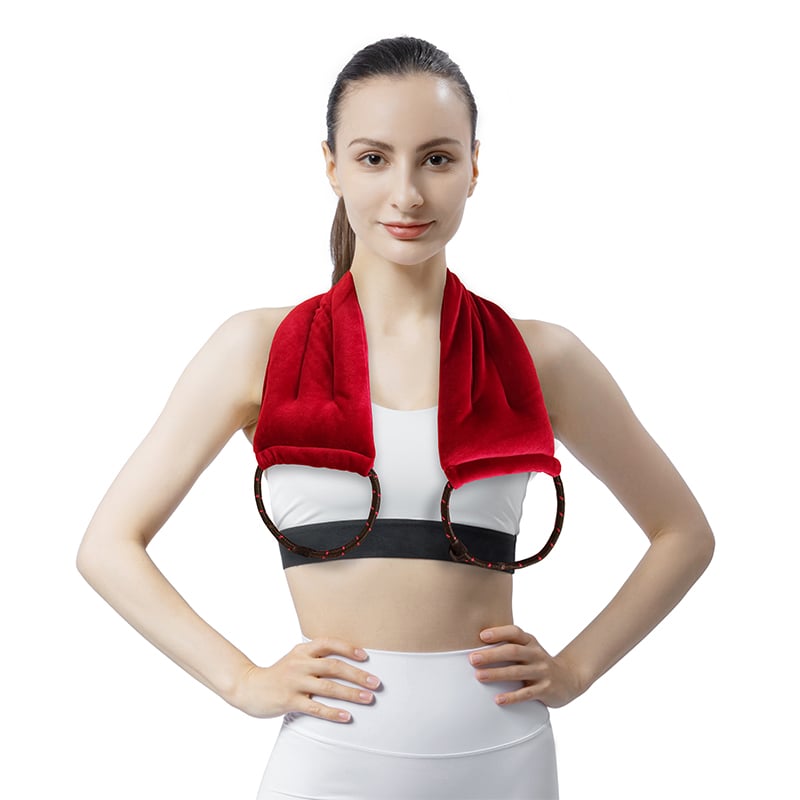
When using therapeutic heat for pain relief and muscle relaxation, understanding safety considerations for a moist heat pack is essential to maximize benefits while minimizing risks. A moist heat pack delivers targeted warmth to affected areas, making it a popular choice for managing muscle tension, arthritis pain, and menstrual discomfort. However, improper use can lead to burns, skin irritation, or heat-related injuries that compromise treatment outcomes and cause unnecessary harm. This guide explores the critical safety considerations you must know before applying any moist heat pack to your body.
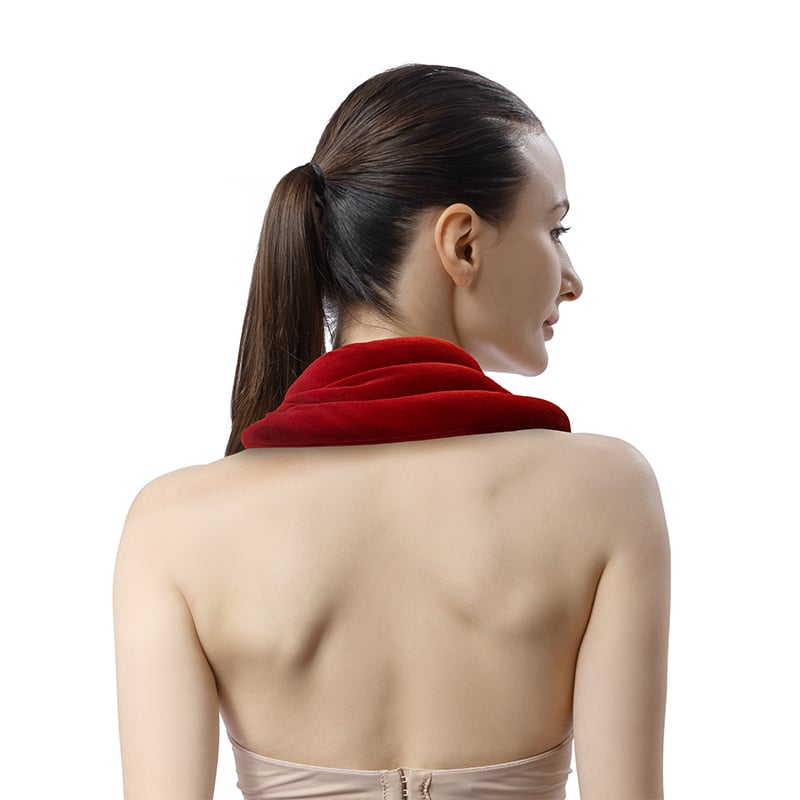
Safety with a moist heat pack begins with understanding your skin's heat tolerance and the product specifications. Different individuals have varying sensitivity levels, and factors such as age, skin condition, medication use, and underlying health conditions significantly influence how your body responds to thermal therapy. Before applying any moist heat pack, you should carefully read all manufacturer instructions, assess your personal risk factors, and follow recommended application times and temperatures.
Skin Protection and Burn Prevention
Understanding Temperature and Duration Limits
The temperature of your moist heat pack directly determines burn risk during application. A standard moist heat pack typically ranges from 40°C to 50°C (104°F to 122°F), with most therapeutic applications recommended at moderate temperatures. Never apply a moist heat pack directly to bare skin without a protective barrier such as a cloth layer or towel. Even at recommended temperatures, continuous direct contact exceeds safe exposure time and increases burn risk significantly within 15 to 20 minutes. Always limit moist heat pack application sessions to 15 to 20 minutes for most body areas, and extend duration only if using proper insulation between the pack and your skin.
Identifying High-Risk Skin Areas
Certain body areas require extra caution when using a moist heat pack because skin thickness and nerve sensitivity vary across locations. Thin-skinned areas such as the inner arms, chest, neck, and face are more vulnerable to burns and require shorter application times and lower temperatures than thicker-skinned areas like the back and thighs. Over bony prominences such as elbows, knees, and the spine, a moist heat pack can concentrate heat unevenly and increase burn risk. Apply gentle pressure only, and consider using additional insulation when treating sensitive regions with your moist heat pack.
Medical Conditions and Contraindications
When to Avoid Moist Heat Pack Use
Certain medical conditions and situations make using a moist heat pack unsafe or ineffective. Acute inflammation, open wounds, active bleeding, or skin infections should never contact a moist heat pack, as heat worsens inflammation and promotes infection spread. Individuals with diabetes, peripheral neuropathy, or compromised circulation may not feel pain signals that warn of burns, making a moist heat pack application risky without medical guidance. Cardiovascular conditions, fever, heat sensitivity, and some medications that affect skin sensation all contraindicate unsupervised moist heat pack use. Consult your healthcare provider before applying a moist heat pack if you have any chronic condition, take medications affecting temperature regulation, or have experienced adverse reactions to heat therapy previously.
Special Populations and Age Considerations
Children, elderly individuals, and pregnant people face elevated risks when using a moist heat pack without proper supervision. Children lack the awareness to communicate discomfort early, and their skin is more delicate, making burn injury more likely. Elderly individuals often have reduced pain sensation and thinner skin, requiring shorter application times and lower temperatures for their moist heat pack sessions. Pregnant individuals should avoid applying moist heat pack to the abdomen and lower back unless specifically approved by their healthcare provider, as elevated core temperature during early pregnancy raises safety concerns. Always supervise children using a moist heat pack, and encourage regular skin checks during application.
Proper Application and Maintenance Practices
Safe Setup and Positioning
Before applying your moist heat pack, prepare the treatment area to prevent accidents and optimize safety. Ensure the moist heat pack is clean, intact, and free from damage, leaks, or visible deterioration. Position yourself comfortably where you can remain still during the full application session without pressing the moist heat pack excessively against your body. Never sleep while using a moist heat pack, as unconsciousness removes your ability to detect excessive heat or recognize warning signs of burns. Place the moist heat pack on a clean skin surface, and avoid applying it over clothing that may trap excess moisture or concentrate heat unevenly.
Hygiene and Device Maintenance
Maintaining hygiene and proper care of your moist heat pack extends its safe use life and prevents contamination-related issues. After each use, allow the moist heat pack to cool completely and dry fully before storage to prevent bacterial growth and mold development. Check the pack regularly for signs of wear, small tears, or gel leakage, and discontinue use if you notice any damage. Store your moist heat pack in a cool, dry location away from direct sunlight and extreme temperatures. Regularly inspect the fabric covering for stains, odors, or discoloration that indicate microbial contamination, and replace the pack according to manufacturer recommendations when quality compromises arise.
Recognizing Warning Signs and Emergency Response
Identifying Adverse Reactions During Use
Awareness of warning signs during moist heat pack application allows you to stop treatment immediately if complications develop. Intense burning sensations, redness that does not fade after removing the moist heat pack, blistering, or skin damage indicate excessive heat exposure requiring immediate cessation of treatment. Dizziness, nausea, or confusion while using a moist heat pack may signal dangerous core temperature elevation and warrant immediate cooling and medical consultation. Excessive sweating, rapid heartbeat, or unusual weakness during moist heat pack sessions should trigger immediate removal and rest. After treatment, monitor treated skin for delayed reactions within the next 24 hours, and seek medical attention if symptoms persist or worsen.
Post-Application Skin Assessment
After removing your moist heat pack, spend a few minutes assessing your skin to catch early warning signs of thermal injury. Mild pink coloration typically fades within 30 to 60 minutes and represents normal circulatory response to heat. Persistent redness, swelling, tenderness, or any blister formation indicates thermal injury requiring medical evaluation and documentation. Cool the affected area gently with room-temperature water if you notice concerning symptoms, and apply appropriate aftercare measures. Photograph significant reactions for medical provider reference, and avoid reusing a moist heat pack on the same area for at least 24 to 48 hours if any irritation occurs.
FAQ
How long can I safely use a moist heat pack at one time?
Most medical guidelines recommend limiting moist heat pack application to 15 to 20 minutes per session for standard body areas. Higher-risk locations such as the face, neck, or inner arms require shorter durations of 10 to 15 minutes. Always follow the manufacturer instructions provided with your specific moist heat pack, and never exceed recommended durations. Allow at least two hours between consecutive moist heat pack sessions on the same area to permit skin recovery and prevent cumulative heat damage.
Can I use a moist heat pack if I have diabetes?
Individuals with diabetes should consult their healthcare provider before using a moist heat pack, as reduced circulation and neuropathy impair burn-detection ability. If your provider approves moist heat pack use, apply it only to areas with normal sensation and full feeling, limit duration to 10 minutes or less, use additional insulation between the pack and skin, and monitor treatment areas very carefully. Never use a moist heat pack while experiencing diabetic complications or if your condition is poorly controlled, as risks increase substantially.
What should I do if a moist heat pack causes a burn?
If you experience a burn from a moist heat pack, immediately remove the pack and cool the affected area with room-temperature water for 15 to 20 minutes. Apply clean, dry cloth dressings and avoid creams or ice unless directed otherwise. Seek medical attention for blistering, severe redness, intense pain, or burns larger than your hand. Document the incident with photographs, retain your moist heat pack product packaging, and report the injury to the manufacturer if you believe product defect contributed to the burn.