 EN
EN

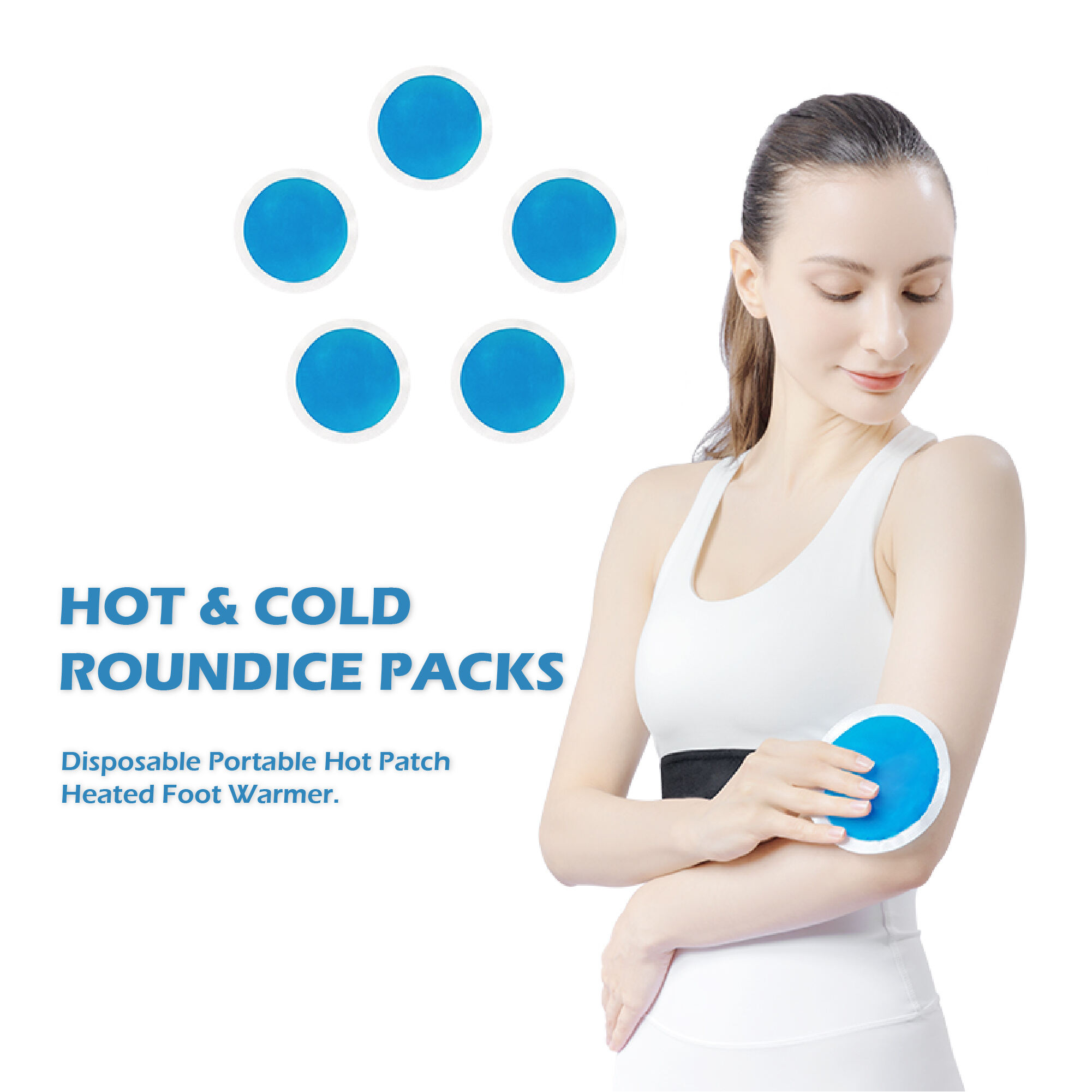
When dealing with injuries, pain management, or therapeutic treatment, understanding the difference between a cold compress and an ice pack can significantly impact your recovery process. Both therapeutic cooling methods serve essential roles in medical care, sports medicine, and home treatment scenarios. The choice between these cooling solutions depends on various factors including the type of injury, duration of treatment needed, and specific therapeutic goals. Making an informed decision about which cooling method to use requires understanding their unique properties, applications, and effectiveness in different situations.
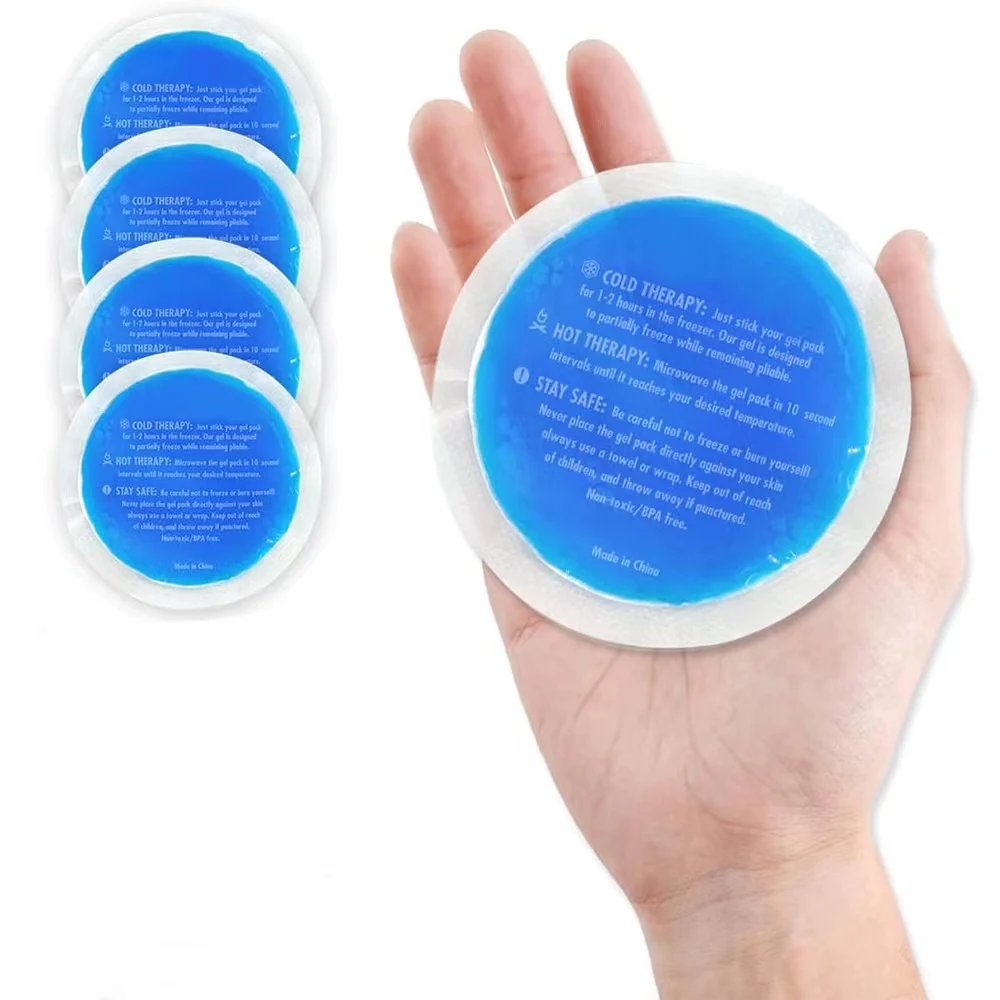
Understanding Cold Therapy Fundamentals
The Science Behind Cold Treatment
Cold therapy, also known as cryotherapy, works by reducing tissue temperature to decrease metabolic activity and cellular demand for oxygen. This process helps minimize inflammation, reduce swelling, and provide pain relief through numbing effects. When applied correctly, a cold compress can constrict blood vessels, reducing blood flow to the affected area and preventing excessive fluid accumulation in tissues. The therapeutic benefits of cold treatment have been recognized in medical practice for centuries, with modern applications ranging from acute injury management to post-surgical recovery protocols.
The physiological response to cold application involves vasoconstriction, which limits inflammatory mediators from reaching the injury site. This mechanism makes cold compress therapy particularly effective during the initial stages of injury when controlling inflammation is crucial. Understanding these biological processes helps healthcare professionals and individuals make better decisions about when and how to apply cold therapy for optimal therapeutic outcomes.
Temperature Control and Safety Considerations
Proper temperature management is essential when using any cold therapy method to avoid tissue damage from excessive cold exposure. The ideal therapeutic temperature range for cold compress application typically falls between 50-60 degrees Fahrenheit, providing effective cooling without risking frostbite or cold burns. Monitoring skin temperature and limiting application time prevents adverse effects while maximizing therapeutic benefits.
Safety protocols for cold therapy include regular skin checks during treatment, proper barrier placement between the cooling device and skin, and adherence to recommended application durations. These precautions ensure that cold compress treatments remain beneficial rather than harmful, particularly for individuals with compromised circulation or sensory deficits.
Cold Compress Characteristics and Applications
Flexible Design and Conforming Properties
A cold compress typically features flexible materials that conform to body contours, making it ideal for treating irregularly shaped areas or joints. The conforming nature of these devices ensures better contact with the treatment area, improving heat transfer efficiency and therapeutic effectiveness. Modern cold compress designs often incorporate gel-filled chambers or specialized materials that maintain flexibility even at low temperatures.
The ability of a cold compress to mold around anatomical structures makes it particularly valuable for treating areas like ankles, knees, shoulders, and other joints where rigid cooling methods may not provide adequate coverage. This conforming property also allows for secure positioning during treatment, reducing the need for constant repositioning and ensuring consistent therapeutic delivery.
Reusability and Convenience Features
Many cold compress products offer reusable functionality, providing economic advantages and environmental benefits compared to single-use alternatives. These reusable systems typically feature durable outer materials and leak-resistant sealing that withstand multiple freeze-thaw cycles. The convenience of being able to repeatedly use a cold compress makes it an attractive option for individuals requiring ongoing therapy or households managing multiple family members' therapeutic needs.
Storage and activation requirements for cold compress systems vary by design, with some requiring freezer preparation while others offer instant activation through chemical reactions. Understanding these operational characteristics helps users select the most appropriate cold compress type for their specific circumstances and treatment requirements.
Ice Pack Properties and Functionality
Immediate Availability and Simplicity
Traditional ice packs offer the advantage of immediate availability in most households, requiring only ice cubes and a suitable container or towel for application. This simplicity makes ice packs readily accessible for emergency situations or unexpected injuries when specialized cold compress equipment may not be available. The straightforward nature of ice pack preparation means that effective cold therapy can begin immediately after injury occurrence, potentially improving treatment outcomes.
Ice packs provide intense cooling that can be particularly effective for acute injuries requiring rapid temperature reduction. The direct contact with ice creates immediate temperature change, making it suitable for situations where quick intervention is necessary. However, this intensity requires careful monitoring to prevent overexposure and potential tissue damage from excessive cold.
Cost Effectiveness and Accessibility
The economic advantage of ice packs lies in their minimal cost and universal availability. Most households have access to ice-making capabilities, making this cooling method accessible regardless of economic circumstances or geographic location. This accessibility makes ice packs particularly valuable in emergency situations, remote locations, or developing regions where specialized medical equipment may be limited.
While ice packs may lack some sophisticated features of commercial cold compress systems, their reliability and availability make them essential components of basic first aid protocols. Understanding how to properly prepare and apply ice packs ensures that effective cold therapy remains available even without specialized equipment.
Treatment Duration and Application Methods
Optimal Timing Protocols
The duration of cold compress application significantly impacts treatment effectiveness and safety outcomes. Standard protocols typically recommend 15-20 minute application periods followed by equal rest intervals to prevent tissue damage while maintaining therapeutic benefits. These timing guidelines apply to both cold compress and ice pack applications, though individual tolerance and injury severity may require modifications to standard protocols.
Repeated application cycles throughout the day can enhance therapeutic outcomes, particularly during the acute phase of injury management. The frequency of cold compress treatments should consider factors such as injury severity, individual tolerance, and specific therapeutic goals to optimize healing while minimizing risks of overexposure.
Application Technique Considerations
Proper application technique ensures maximum therapeutic benefit while preventing complications from cold therapy. Placing a thin barrier between the cooling device and skin protects against direct cold exposure while allowing effective heat transfer. This barrier can consist of a thin towel, cloth, or specialized cover designed for cold compress applications.
Positioning and securing the cooling device during treatment affects both comfort and therapeutic effectiveness. Proper positioning ensures adequate coverage of the treatment area while allowing for natural body movement and circulation. Understanding these application principles helps users achieve optimal results from their chosen cold therapy method.
Injury-Specific Selection Criteria
Acute Injury Management
For acute injuries such as sprains, strains, or bruises, the choice between cold compress and ice pack applications depends on injury location, severity, and patient tolerance. Acute injuries typically benefit from immediate cold application to control inflammation and reduce pain, making either method potentially effective when applied correctly. The decision often comes down to availability, convenience, and specific anatomical considerations of the injury site.
Sports-related injuries frequently require portable and efficient cooling solutions, where cold compress systems may offer advantages in terms of conformity and ease of application. The ability to quickly apply effective cooling can significantly impact recovery time and return-to-activity schedules for athletes and active individuals.
Chronic Condition Management
Chronic conditions requiring ongoing cold therapy may benefit more from reusable cold compress systems due to their convenience and cost-effectiveness over time. Conditions such as arthritis, chronic pain syndromes, or recurring injuries often require regular cold therapy applications, making investment in quality cold compress equipment financially prudent.
The consistency and reliability of therapeutic delivery become important factors when managing chronic conditions with cold therapy. Cold compress systems designed for repeated use often provide more predictable temperature control and application characteristics compared to improvised ice pack solutions.
Safety Protocols and Contraindications
Risk Assessment and Monitoring
Proper risk assessment before cold compress or ice pack application includes evaluating circulation status, sensory function, and skin integrity in the treatment area. Individuals with compromised circulation, diabetes, or peripheral neuropathy may require modified protocols or alternative treatment approaches. Regular monitoring during treatment helps identify early signs of adverse reactions or overexposure.
Warning signs that indicate the need to discontinue cold therapy include excessive skin color changes, loss of sensation beyond expected numbing, or increased pain during application. Understanding these warning signs helps prevent complications and ensures safe therapeutic outcomes for all users.
Special Population Considerations
Certain populations require special considerations when using cold compress or ice pack therapy, including elderly individuals, children, and those with medical conditions affecting circulation or sensation. Age-related changes in skin thickness and circulation may require modified application techniques or shorter treatment durations to prevent adverse effects.
Pediatric applications of cold therapy require careful supervision and age-appropriate protocols to ensure safety and effectiveness. The combination of thinner skin, different pain tolerance, and limited ability to communicate discomfort makes careful monitoring essential when using cold compress treatments with children.
FAQ
How long should I apply a cold compress compared to an ice pack
Both cold compress and ice pack applications should follow similar timing protocols of 15-20 minutes on, followed by 15-20 minutes off to prevent tissue damage. The key difference lies in monitoring skin temperature and user comfort, as ice packs may require more frequent checks due to their potentially more intense cooling effect. Always discontinue use if skin becomes excessively pale or numb beyond normal therapeutic numbing.
Can I use a cold compress and ice pack interchangeably for the same injury
Yes, cold compress and ice pack methods can often be used interchangeably for most injuries, as both provide therapeutic cooling effects. The choice may depend on availability, convenience, and personal preference. However, consider that cold compress systems typically offer better conformity to body contours, while ice packs may provide more intense initial cooling for acute injuries.
Which method is better for treating ankle sprains
For ankle sprains, a cold compress often provides superior treatment due to its ability to conform around the complex ankle anatomy, ensuring better coverage of the injured area. The flexible nature of most cold compress systems allows for proper positioning while maintaining the ankle in a comfortable position. Ice packs can be effective but may require more careful positioning and securing to achieve adequate coverage.
Are there any conditions where I should avoid using either cold compress or ice pack therapy
Avoid cold therapy if you have severe circulation problems, cold allergies, areas of compromised skin integrity, or certain medical conditions like Raynaud's disease. Additionally, never apply cold compress or ice pack therapy directly over areas with reduced sensation or on individuals who cannot communicate discomfort effectively. Consult with healthcare providers before using cold therapy if you have diabetes, peripheral vascular disease, or other circulation-related conditions.