 EN
EN

Pain relief medications are among the most commonly used pharmaceutical products worldwide, helping millions of people manage acute and chronic discomfort. While these medications provide essential therapeutic benefits, understanding their potential side effects is crucial for safe and effective treatment. From over-the-counter options to prescription drugs, each category of pain relief medications carries unique risks and considerations that patients must carefully evaluate with their healthcare providers.

Understanding Different Categories of Pain Relief Medications
Nonsteroidal Anti-Inflammatory Drugs
Nonsteroidal anti-inflammatory drugs, commonly known as NSAIDs, represent one of the most frequently prescribed classes of pain relief medications. These medications work by blocking cyclooxygenase enzymes, which play a key role in producing prostaglandins that cause inflammation and pain. Popular NSAIDs include ibuprofen, naproxen, and aspirin, each offering different durations of action and therapeutic profiles.
The mechanism of action for NSAIDs makes them particularly effective for conditions involving inflammation, such as arthritis, muscle strains, and headaches. However, this same mechanism can lead to various side effects, particularly when these pain relief medications are used long-term or in high doses. Healthcare professionals often recommend the lowest effective dose for the shortest possible duration to minimize potential adverse reactions.
Acetaminophen-Based Analgesics
Acetaminophen, also known as paracetamol in many countries, operates through a different mechanism compared to NSAIDs. This class of pain relief medications works primarily in the central nervous system, affecting pain perception rather than addressing inflammation at the site of injury. Acetaminophen is often preferred for patients who cannot tolerate NSAIDs due to gastrointestinal sensitivities or other contraindications.
The widespread availability and perceived safety of acetaminophen-based pain relief medications can sometimes lead to inadvertent overuse. Many combination medications contain acetaminophen alongside other active ingredients, making it easy for patients to exceed recommended dosages without realizing it. Understanding proper dosing guidelines and recognizing acetaminophen in various formulations is essential for preventing potential complications.
Gastrointestinal Side Effects and Complications
Stomach Ulceration and Bleeding Risks
One of the most significant concerns with certain pain relief medications, particularly NSAIDs, is their potential to cause gastrointestinal complications. These medications can irritate the stomach lining, leading to ulcer formation and potentially serious bleeding episodes. The risk increases substantially with prolonged use, higher doses, and in patients with pre-existing gastrointestinal conditions or those taking blood-thinning medications.
Patients using pain relief medications should be aware of warning signs that may indicate gastrointestinal problems, including persistent stomach pain, black or tarry stools, and vomiting blood or material that resembles coffee grounds. Healthcare providers often recommend taking NSAIDs with food or milk to reduce stomach irritation, though this does not eliminate the risk entirely.
Digestive System Disruption
Beyond serious complications like ulceration, many pain relief medications can cause more common digestive side effects that, while not life-threatening, can significantly impact quality of life. These may include nausea, indigestion, heartburn, and changes in bowel movements. Some patients experience increased sensitivity to certain foods or develop temporary lactose intolerance while using specific pain medications.
The severity and frequency of digestive side effects often correlate with the duration of treatment and individual patient factors such as age, overall health status, and concurrent medications. Elderly patients may be particularly susceptible to gastrointestinal side effects from pain relief medications, requiring closer monitoring and potentially alternative treatment approaches to ensure both effectiveness and safety.
Cardiovascular and Circulatory System Effects
Blood Pressure and Heart Function Changes
Recent research has highlighted important cardiovascular considerations associated with certain categories of pain relief medications. NSAIDs, in particular, have been associated with increased risks of heart attack, stroke, and elevated blood pressure in some patients. These cardiovascular effects may occur even with short-term use, though risks generally increase with prolonged treatment and higher dosages.
The cardiovascular impact of pain relief medications appears to vary among different drugs within the same class, with some showing higher risk profiles than others. Patients with existing heart disease, high blood pressure, or other cardiovascular risk factors may need to avoid certain pain medications or use them under careful medical supervision. Regular monitoring of blood pressure and cardiovascular status becomes particularly important for patients requiring long-term pain management.
Blood Clotting and Circulation Issues
Some pain relief medications can affect the blood's ability to clot properly, leading to either increased bleeding risks or, paradoxically, enhanced clotting in certain circumstances. Aspirin, for example, has antiplatelet effects that can be therapeutically beneficial for preventing heart attacks but may increase bleeding risks during surgical procedures or in patients with bleeding disorders.
Understanding how different pain relief medications interact with the circulatory system is crucial for patients scheduled for surgery or those taking anticoagulant medications. Healthcare providers typically recommend discontinuing certain pain medications before surgical procedures to minimize bleeding complications, while others may need to be continued for their cardiovascular protective effects.
Liver and Kidney Function Considerations
Hepatotoxicity and Liver Damage Risks
The liver plays a central role in metabolizing most pain relief medications, making it particularly vulnerable to medication-related damage when these drugs are used inappropriately or in excessive doses. Acetaminophen-related liver toxicity represents one of the most common causes of acute liver failure in developed countries, often resulting from unintentional overdoses rather than deliberate self-harm.
Chronic use of various pain relief medications can lead to gradual liver damage that may not become apparent until significant harm has occurred. Patients with pre-existing liver conditions, those who consume alcohol regularly, or individuals taking multiple medications that affect liver function may be at increased risk for hepatotoxicity from pain medications.
Renal Function and Kidney Health
The kidneys are responsible for filtering and eliminating many pain relief medications from the body, making them susceptible to medication-related damage. NSAIDs, in particular, can reduce blood flow to the kidneys and impair their filtering function, especially in patients who are dehydrated, elderly, or have pre-existing kidney disease.
Long-term use of certain pain relief medications has been associated with chronic kidney disease and the need for dialysis in severe cases. Regular monitoring of kidney function through blood tests becomes essential for patients requiring prolonged treatment with potentially nephrotoxic pain medications, allowing for early detection and intervention if problems develop.
Neurological and Cognitive Side Effects
Central Nervous System Reactions
Various pain relief medications can affect the central nervous system, leading to symptoms ranging from mild drowsiness to more serious cognitive impairment. Opioid-based pain medications are particularly known for their sedating effects, but even over-the-counter options can cause dizziness, confusion, or difficulty concentrating in susceptible individuals.
The neurological effects of pain relief medications can be particularly problematic for elderly patients, who may be more sensitive to these side effects and at greater risk for falls or accidents. Understanding how different pain medications affect cognitive function is crucial for patients who need to drive, operate machinery, or perform other activities requiring mental alertness.
Dependency and Tolerance Development
Certain categories of pain relief medications, particularly opioids, carry risks of physical dependence and tolerance development with prolonged use. Even when used as prescribed, patients may find they need increasingly higher doses to achieve the same pain relief, leading to a cycle of escalating medication use that can be difficult to break.
Recognizing the signs of developing tolerance or dependence on pain relief medications is important for both patients and healthcare providers. Early intervention and alternative pain management strategies can help prevent progression to more serious substance use disorders while still providing effective pain control through safer alternatives.
Allergic Reactions and Hypersensitivity
Immediate Hypersensitivity Responses
Allergic reactions to pain relief medications can range from mild skin rashes to life-threatening anaphylaxis. Some individuals may develop sensitivity to specific classes of pain medications, such as NSAIDs or certain preservatives used in medication formulations. These reactions can occur even after previous safe use of the same medication, making vigilant monitoring important throughout treatment.
Understanding the difference between true allergic reactions and common side effects helps patients and healthcare providers make appropriate treatment decisions. While side effects are generally dose-related and predictable, allergic reactions to pain relief medications are typically immune-mediated and can occur at any dose, requiring immediate discontinuation and alternative treatment approaches.
Delayed Sensitivity Reactions
Some allergic responses to pain relief medications may not appear immediately, developing hours or even days after initial exposure. These delayed reactions can manifest as skin eruptions, respiratory symptoms, or systemic inflammatory responses that may be difficult to initially connect with the medication use.
Patients with known allergies to other medications or substances may be at increased risk for developing sensitivities to pain relief medications. Maintaining detailed records of any adverse reactions and communicating this information to all healthcare providers helps ensure safer prescribing decisions and prevents potentially dangerous re-exposure to problematic medications.
Special Population Considerations
Pregnancy and Breastfeeding Safety
The use of pain relief medications during pregnancy and breastfeeding requires careful consideration of potential risks to both mother and child. Many commonly used pain medications can cross the placental barrier or appear in breast milk, potentially affecting fetal development or infant health. Acetaminophen is generally considered the safest option during pregnancy, while NSAIDs may pose risks, particularly during the third trimester.
Healthcare providers must balance the need for effective pain management with the safety of the developing fetus or nursing infant when prescribing pain relief medications to pregnant or breastfeeding women. Alternative pain management strategies, including non-pharmacological approaches, often play a more prominent role in treatment plans for this population.
Pediatric and Geriatric Considerations
Children and elderly patients may experience different side effect profiles and require adjusted dosing strategies when using pain relief medications. Pediatric patients may be more susceptible to certain side effects, such as Reye's syndrome associated with aspirin use during viral infections, while elderly patients often face increased risks of gastrointestinal, cardiovascular, and cognitive side effects.
Age-related changes in metabolism, kidney function, and drug sensitivity require careful consideration when prescribing pain relief medications to these vulnerable populations. Lower starting doses, more frequent monitoring, and increased awareness of potential drug interactions become essential components of safe pain management in pediatric and geriatric patients.
FAQ
How long can I safely take over-the-counter pain relief medications
Most over-the-counter pain relief medications are designed for short-term use, typically no more than 10 days for pain relief or three days for fever reduction without consulting a healthcare provider. Extended use beyond these timeframes increases the risk of side effects and may indicate an underlying condition that requires medical evaluation. If you find yourself needing pain medication for longer periods, it's important to discuss this with your doctor to explore safer long-term pain management strategies and investigate potential underlying causes of persistent pain.
Can I take multiple types of pain relief medications together
Combining different pain relief medications can increase the risk of side effects and potentially dangerous interactions. While some combinations may be safe under medical supervision, such as acetaminophen with certain NSAIDs, others can significantly increase risks of liver damage, bleeding, or other serious complications. Always consult with a healthcare provider or pharmacist before combining pain medications, and be sure to read labels carefully to avoid accidentally taking multiple products containing the same active ingredient.
What should I do if I experience side effects from pain relief medications
If you experience mild side effects like stomach upset or drowsiness, consider taking the medication with food or adjusting the timing of doses. However, serious side effects such as difficulty breathing, severe abdominal pain, black stools, or signs of allergic reactions require immediate medical attention. Keep a record of any side effects you experience and discuss them with your healthcare provider, as they may need to adjust your medication or recommend alternative pain management approaches. Never ignore persistent or worsening side effects, as early intervention can prevent more serious complications.
Are there safer alternatives to traditional pain relief medications
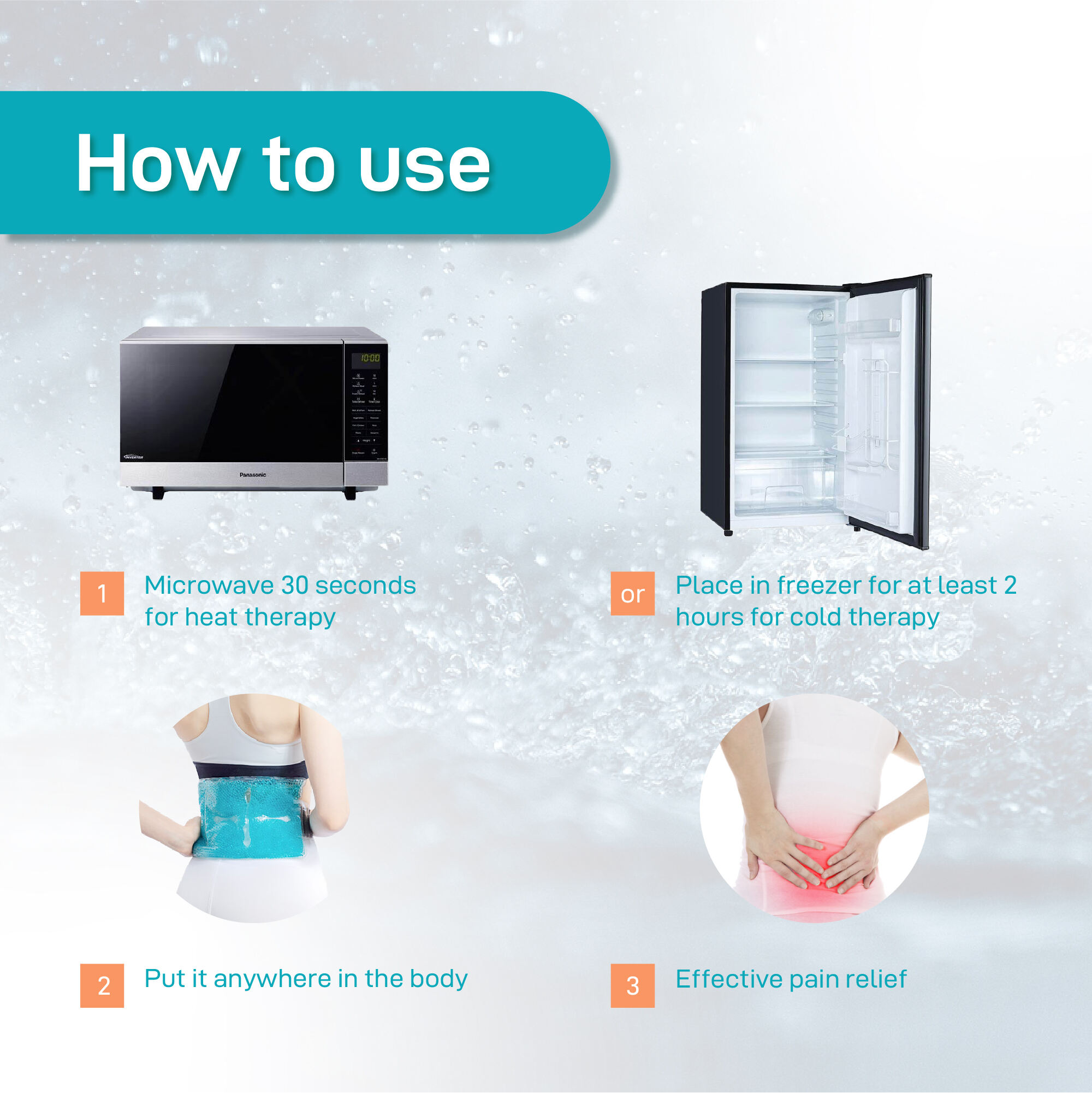
Several alternatives to traditional oral pain relief medications exist, including topical preparations, physical therapy, heat and cold therapy, and various complementary approaches like acupuncture or massage. Topical pain relief patches and gels can provide localized relief with potentially fewer systemic side effects compared to oral medications. The best approach often involves a combination of strategies tailored to your specific condition and overall health status. Discuss with your healthcare provider about developing a comprehensive pain management plan that may reduce your reliance on systemic pain relief medications while maintaining effective symptom control.
Table of Contents
- Understanding Different Categories of Pain Relief Medications
- Gastrointestinal Side Effects and Complications
- Cardiovascular and Circulatory System Effects
- Liver and Kidney Function Considerations
- Neurological and Cognitive Side Effects
- Allergic Reactions and Hypersensitivity
- Special Population Considerations
- FAQ