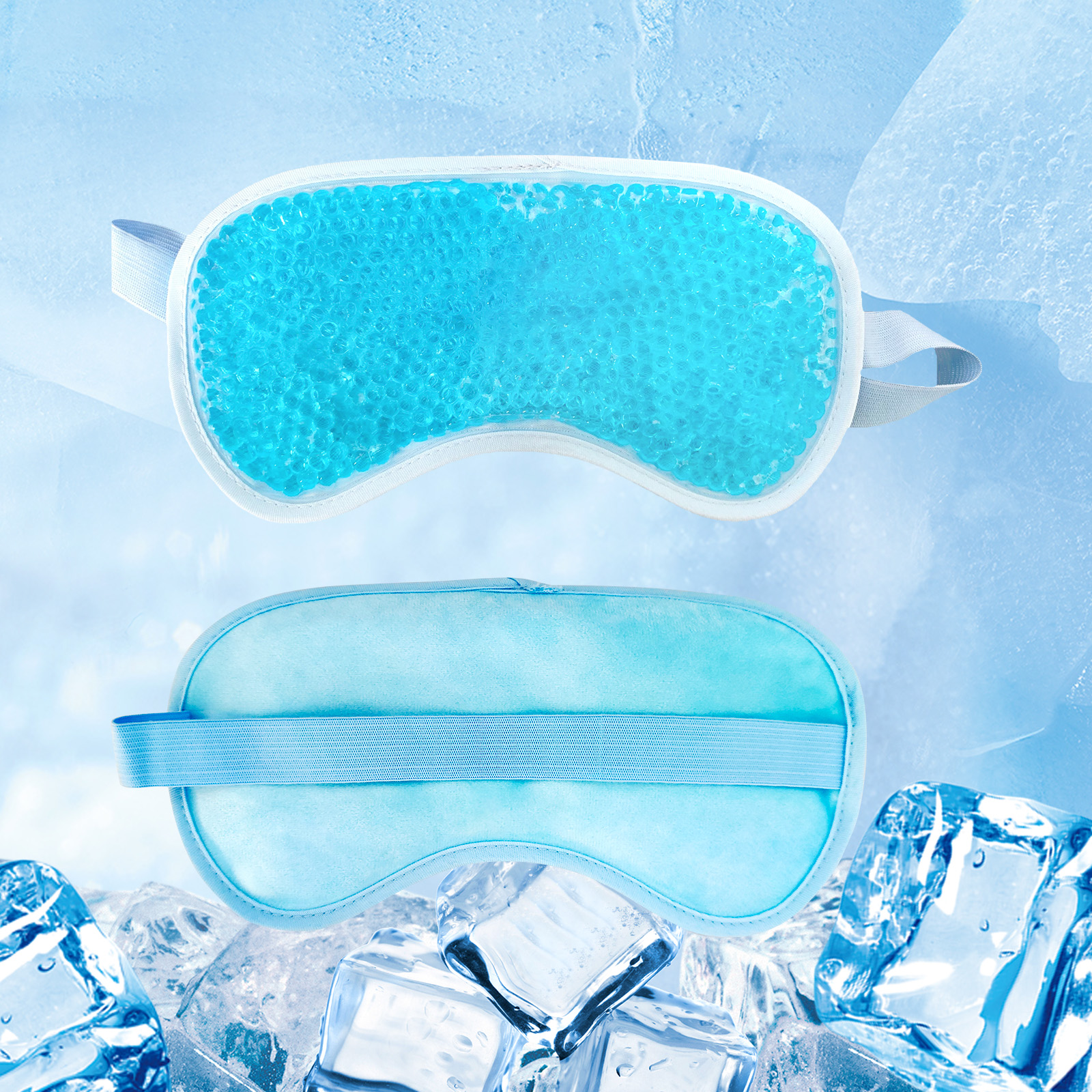
Heat and Cold Treatment

Get a Free Quote

Our representative will contact you soon.
Email
Name
Company Name
Message
0/1000

heat and cold treatment

Heat and cold treatment represents a sophisticated thermal processing method designed to enhance material properties through controlled temperature cycling. This advanced technique involves subjecting materials to alternating heating and cooling cycles, fundamentally transforming their structural characteristics and performance capabilities. Heat and cold treatment operates by exposing components to precisely regulated temperature variations, which induces microscopic changes in material composition, increasing durability, strength, and resistance to wear. The technological features of heat and cold treatment include precision temperature control systems, automated cycling protocols, and real-time monitoring capabilities. These systems ensure consistent results across multiple treatment cycles, delivering uniform material improvements throughout entire batches. Heat and cold treatment technology utilizes sophisticated sensors and feedback mechanisms to maintain optimal temperature parameters, preventing material degradation while maximizing beneficial transformations. Applications for heat and cold treatment span numerous industries, including automotive manufacturing, aerospace engineering, tool production, and heavy equipment fabrication. Components ranging from engine parts and transmission gears to cutting tools and structural elements benefit significantly from this treatment process. Heat and cold treatment proves particularly valuable for applications requiring enhanced hardness, improved fatigue resistance, and extended operational lifespan. Industries rely on heat and cold treatment to meet stringent performance specifications, ensuring products withstand demanding operational conditions while maintaining reliability and cost-effectiveness throughout their service lives.

New Product Recommendations

Heat and cold treatment delivers substantial practical benefits for manufacturers seeking to improve component performance and longevity. The primary advantage involves significantly enhancing material hardness and wear resistance, enabling products to withstand more demanding operational conditions without premature failure. This improvement directly translates to reduced replacement costs and extended equipment lifespan, providing exceptional return on investment for industrial operations. Operationally, heat and cold treatment offers remarkable consistency and repeatability. Unlike conventional processing methods, this treatment approach produces uniform results across entire production batches, eliminating variability and ensuring every component meets exacting performance standards. This reliability streamlines quality control processes and reduces defect rates substantially. The application suitability of heat and cold treatment extends across diverse industrial sectors and material types. Whether treating steel components, specialized alloys, or precision tools, this versatile process adapts effectively to various material compositions and geometric configurations. Companies can apply heat and cold treatment to finished components or raw materials, providing flexibility throughout manufacturing workflows. From a decision-making perspective, heat and cold treatment represents an economically intelligent choice. While requiring initial investment in specialized equipment, the long-term savings through improved product durability and reduced failure rates quickly offset implementation costs. Organizations implementing heat and cold treatment experience decreased warranty claims, improved customer satisfaction, and enhanced competitive positioning. Furthermore, this treatment method requires minimal material waste and maintains environmental responsibility, aligning with modern sustainability objectives while delivering superior performance enhancements that distinguish products in competitive marketplaces.

Tips And Tricks

When Should You Avoid Using a Cold Compress?

20

Jan

When Should You Avoid Using a Cold Compress?

Understanding when to avoid using a cold compress is crucial for effective injury management and therapeutic care. While cold therapy remains a cornerstone of acute injury treatment, certain medical conditions and circumstances make cold compress app...
View More
How to select a hot cold pack for effective post-surgery recovery?

09

Feb

How to select a hot cold pack for effective post-surgery recovery?

Recovery from surgery requires careful attention to pain management and healing optimization. Among the most effective therapeutic tools available to patients is the strategic application of temperature therapy through specialized medical devices. A ...
View More
The benefits of a flexible cold pack for reducing post-surgery swelling and bruising.

09

Mar

The benefits of a flexible cold pack for reducing post-surgery swelling and bruising.

Post-surgical recovery involves managing pain, swelling, and bruising effectively to ensure optimal healing outcomes. Among the various therapeutic interventions available, cryotherapy using a flexible cold pack has emerged as one of the most accessi...
View More
The science of vasoconstriction: How cold therapy numbs pain at the source.

09

Mar

The science of vasoconstriction: How cold therapy numbs pain at the source.

Pain management has evolved significantly over the decades, yet one of the most effective and time-tested approaches remains surprisingly simple: cold therapy. This therapeutic technique harnesses the body's natural physiological responses to cold te...
View More

Get a Free Quote

Our representative will contact you soon.
Email
Name
Company Name
Message
0/1000

heat and cold treatment

Enhanced Material Durability and Longevity

Enhanced Material Durability and Longevity

Heat and cold treatment dramatically extends component lifespan by fundamentally improving material properties at the microscopic level. The repeated thermal cycling process creates favorable structural modifications that increase resistance to fatigue, stress, and environmental degradation. When manufacturers implement heat and cold treatment, they observe significant reductions in premature component failures and warranty claims. This enhanced durability means products maintain performance standards throughout extended operational periods, delivering exceptional value to end-users. Equipment subjected to heat and cold treatment demonstrates remarkable resilience against harsh conditions, mechanical stress, and temperature fluctuations. Industries from automotive to aerospace recognize that heat and cold treatment investment protects both product reputation and customer relationships by ensuring dependable, long-lasting performance under real-world operating conditions.
Superior Hardness and Wear Resistance Properties

Superior Hardness and Wear Resistance Properties

Heat and cold treatment creates exceptionally hard material surfaces that resist abrasion, scoring, and mechanical wear far more effectively than untreated alternatives. The thermal cycling process reorganizes atomic structures, producing denser, more resilient material matrices capable of withstanding intense friction and contact stresses. Components treated through heat and cold treatment maintain dimensional accuracy and surface integrity throughout extended operational periods, preventing degradation that typically compromises performance. This superior wear resistance proves invaluable for applications involving continuous motion, high-pressure contact, or abrasive environments. Manufacturers utilizing heat and cold treatment experience reduced maintenance requirements, fewer component replacements, and improved operational efficiency. The hardness gains achieved through heat and cold treatment directly correlate with extended service intervals and diminished downtime, making this treatment essential for mission-critical applications demanding uncompromising reliability and performance consistency.
Cost-Effective Performance Improvement Solution

Cost-Effective Performance Improvement Solution

Heat and cold treatment represents an economically efficient approach to elevating product performance without requiring expensive material substitutions or complete design modifications. By enhancing existing material properties through controlled thermal processing, manufacturers achieve performance improvements comparable to upgrading to premium materials at significantly lower costs. Investment in heat and cold treatment equipment typically generates rapid returns through reduced product failures, decreased customer complaints, and improved market reputation. Organizations implementing heat and cold treatment often discover they can maintain existing material specifications while achieving superior final product performance, eliminating premium material expenses. This cost advantage extends throughout the product lifecycle, as heat and cold treatment creates durable components requiring less frequent replacement and maintenance intervention. The economic efficiency of heat and cold treatment enables manufacturers to offer superior products at competitive pricing, strengthening market position while maintaining healthy profit margins and customer satisfaction levels.